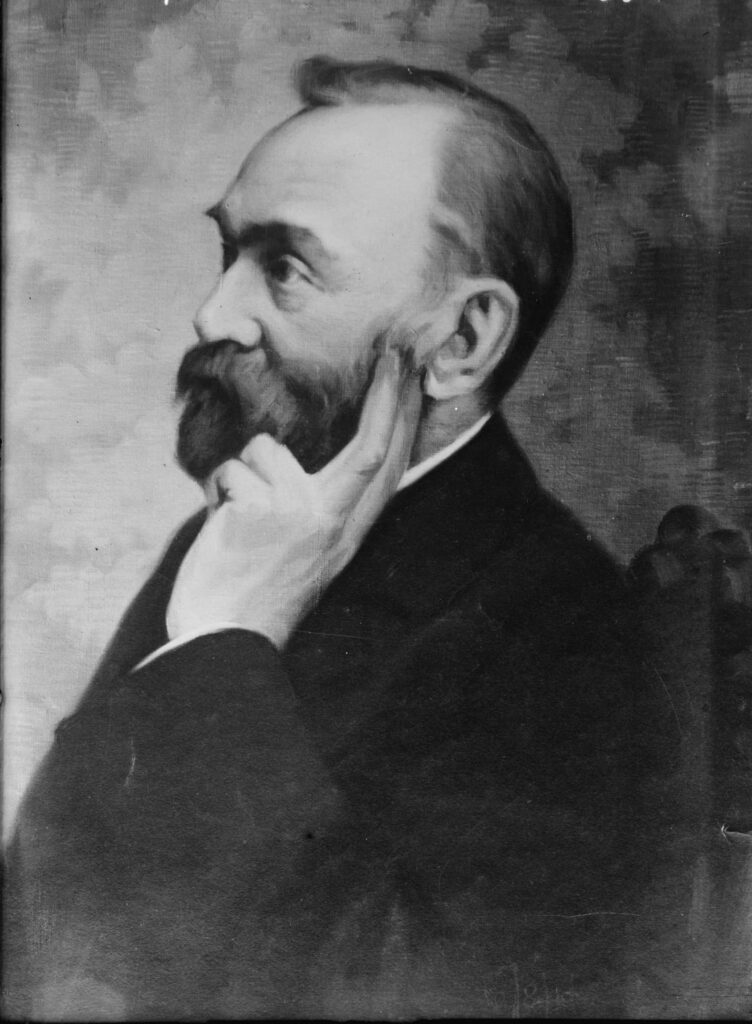
Alfred Nobel Signs the Will Behind the Nobel Prize
An explosives manufacturer with a fortune built on dynamite and war materiel used a quiet Paris will to fund prizes for physics, chemistry, medicine, literature, and peace instead.
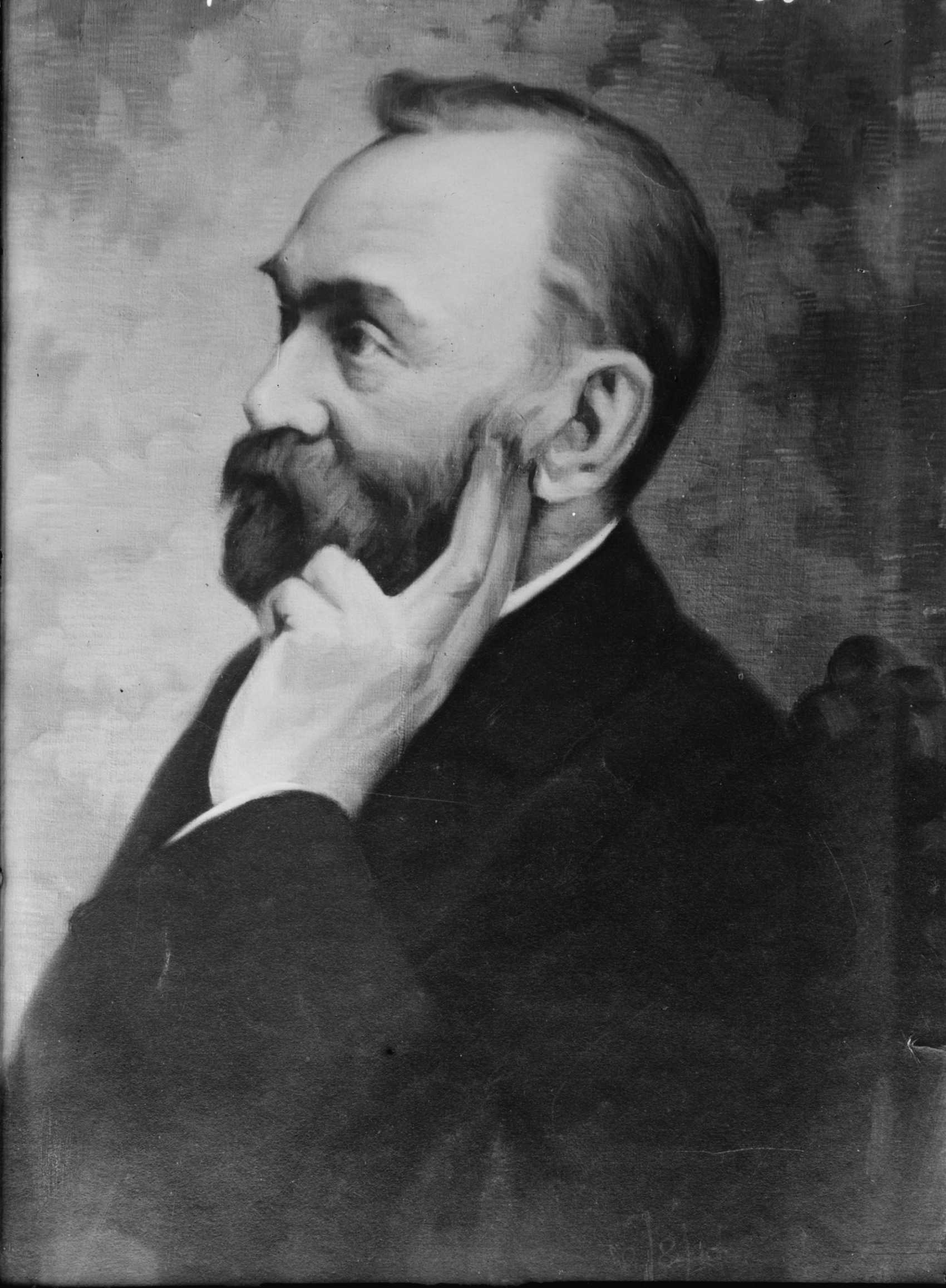
On November 27, 1895, at the Swedish-Norwegian Club in Paris, 62-year-old Swedish chemist and industrialist Alfred Nobel signed his final will, drafted without a lawyer. It set aside the bulk of his fortune, built on dynamite patents and nearly 100 explosives factories, to fund five annual prizes awarded without regard to nationality.
The will created the world’s most prestigious prizes in physics, chemistry, medicine, literature, and peace, rewarding work that benefits humanity rather than nationality or wealth. Since 1901, the Nobel Prize has shaped which discoveries and ideas the world treats as history’s most significant.
Nobel built his fortune on explosives and munitions, products with a direct line to the battlefield. His final act redirected that same wealth toward physics, chemistry, medicine, literature, and peace, a reminder that a legacy is defined less by how wealth is made than by what it is used to build afterward.
People Behind the Story
Held 355 patents, including dynamite and the smokeless powder ballistite, and owned nearly 100 explosives factories when he signed the will. A popular story credits a premature obituary calling him a “merchant of death” with inspiring the prizes, though historians have never located the original clipping, and some now dismiss the story as legend.
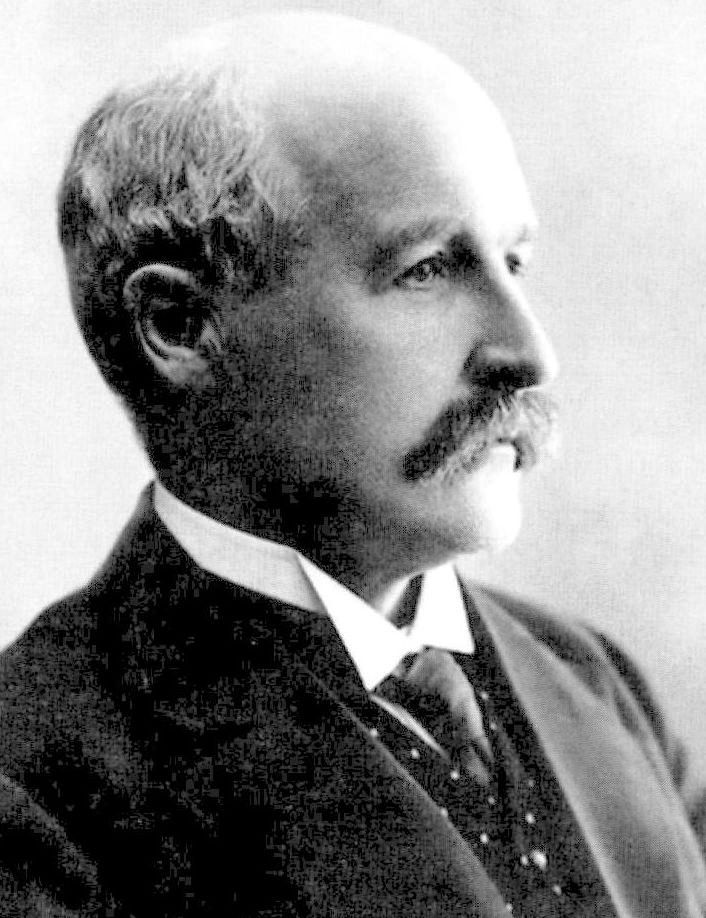
Named an executor at age 25, Sohlman spent nearly five years fighting family objections and cross-border tax disputes to turn Nobel’s one-page document into a working foundation, personally moving the Paris assets to a Sweden-bound train by horse and carriage.
Key Moments
Alfred Nobel signs his final will in Paris, naming Ragnar Sohlman and Rudolf Lilljequist as executors.
Nobel dies in San Remo, Italy, having told almost no one of his plans for the fortune.
The Nobel Foundation is formally established in Stockholm, after years of family disputes over the will.
The first Nobel Prizes are awarded, five years to the day after Nobel’s death.
Did you know? Nobel’s will was drafted without a single lawyer’s help, and when he died almost no one close to him knew the document existed. Just three weeks earlier, on November 8, 1895, Wilhelm Röntgen had discovered the X-ray, the work that would make him history’s first Nobel Prize in Physics laureate when the awards finally began.
Also On This Day
The first Macy’s Thanksgiving Day Parade marches through New York City, a tradition that would later add its signature giant balloons.
San Francisco Supervisor Harvey Milk, one of the first openly gay officials elected in the United States, is assassinated at City Hall alongside Mayor George Moscone.
- “The Will of Alfred Nobel, 27 November 1895,” Nobel Prize official site
- “Ragnar Sohlman, Executor of the Will,” Nobel Prize official site
- “This Day in History: November 27,” Encyclopaedia Britannica
- “Did a Premature Obituary Inspire the Nobel Prize?” HISTORY
- “First Nobel Prizes Awarded,” HISTORY
- Elin Hofverberg, “Alfred Nobel’s Will,” Library of Congress Law Library Blog
More in History