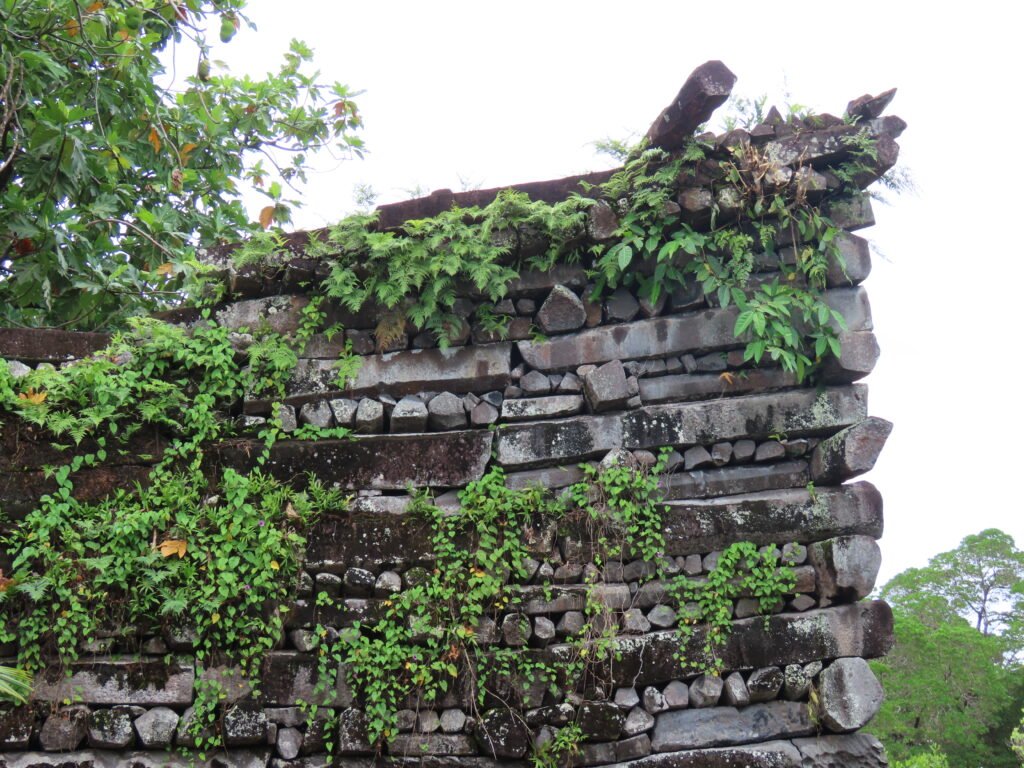
The Federated States of Micronesia is an island nation in the western Pacific Ocean, made up of four states, Yap, Chuuk, Pohnpei, and Kosrae, spread across more than 600 islands and atolls. With a population of roughly 114,000 people, according to the World Bank, it is one of the smallest and most remote nations in the world by population, though its exclusive economic zone covers a vast stretch of open ocean.
Where Is the Federated States of Micronesia Located?
The country lies in the region known as Micronesia, in the western Pacific Ocean, north of the equator and east of the Philippines. Its four states stretch across roughly 2,900 kilometers of ocean from west to east, though the total land area is only about 700 square kilometers, according to World Bank data, making it one of the most oceanic nations on earth, with land making up a tiny fraction of its territory. The capital, Palikir, is located on the island of Pohnpei.
A Brief History of the Federated States of Micronesia
The islands have been inhabited for roughly two thousand years by seafaring peoples whose most striking achievement was the construction of Nan Madol, a megalithic complex off the coast of Pohnpei built as the ceremonial and political seat of the Saudeleur dynasty, which unified Pohnpei under a single chiefdom around the twelfth century. In the colonial era the islands passed successively under Spanish, German, and Japanese administration before coming under United States administration after the Second World War, as part of the United Nations Trust Territory of the Pacific Islands. The Federated States of Micronesia adopted its own constitution in 1979 and became fully self-governing in 1986 under a Compact of Free Association with the United States, joining the United Nations as an independent member state in 1991.
Government and Economy
The Federated States of Micronesia is a federal republic of four states, each with its own governor and legislature, joined under a national government based in Palikir. The World Bank classifies it as an upper middle income economy. Its economy relies heavily on fishing license revenue from its large exclusive economic zone, public sector employment, and financial assistance under the Compact of Free Association with the United States, with limited private sector development and no World Bank country overview page currently published for the country, since Micronesia’s development financing is arranged primarily through its Compact relationship with the United States rather than standard World Bank lending.
Culture and People
Each of the four states retains a distinct language and set of customs, including Pohnpeian, Chuukese, Yapese, and Kosraean, alongside English as the common language of government and education. Traditional navigation, canoe building, and clan based land tenure systems remain significant in daily life, particularly in the outer islands, where subsistence fishing and farming continue alongside a cash economy centered in the state capitals.
What Is the Federated States of Micronesia Known For?
The country’s single most recognizable landmark is Nan Madol, a complex of nearly a hundred artificial islets built from massive stacked basalt columns off the eastern shore of Pohnpei. Constructed over several centuries beginning around the twelfth century as the ceremonial and administrative center of the Saudeleur dynasty, its canal laced layout has led to comparisons with Venice. UNESCO recognizes Nan Madol as a World Heritage Site under the title Nan Madol: Ceremonial Centre of Eastern Micronesia, and it is one of the very few Pacific island archaeological sites of this scale and age anywhere in the world.
Why the Federated States of Micronesia Matters
As one of the world’s smallest and most dispersed nations, the Federated States of Micronesia illustrates both the reach of Pacific seafaring cultures and the acute vulnerability of low lying island states to sea level rise and ocean change. Its stewardship of a vast exclusive economic zone also gives it an outsized role in regional Pacific fisheries management relative to its small population.
Key Takeaways
- The Federated States of Micronesia is a federal republic of four island states in the western Pacific with a population of about 114,000 people.
- It became fully self-governing in 1986 under a Compact of Free Association with the United States and joined the United Nations in 1991.
- Its land area is only about 700 square kilometers, spread across more than 600 islands and atolls.
- Nan Madol, a megalithic islet complex off Pohnpei built by the Saudeleur dynasty, is recognized by UNESCO as a World Heritage Site and is the country’s single most iconic landmark.
Sources
- The World Bank: World Development Indicators, Micronesia, Fed. Sts.
- UNESCO World Heritage Centre: Nan Madol, Ceremonial Centre of Eastern Micronesia
Key facts
- Population of approximately 113,700 as of 20251
- Land area of about 700 square kilometers across four states1
- Capital is Palikir, on the island of Pohnpei1
- Became self-governing in 1986 under a Compact of Free Association with the United States2
- Nan Madol is recognized by UNESCO as a World Heritage Site2
Quick checkWhat ancient dynasty built Nan Madol?Show answer
The Saudeleur dynasty, which unified Pohnpei under a single chiefdom.
Sources
- The World Bank. World Development Indicators, Micronesia, Fed. Sts.. 2025 (accessed 2026-09-28)
- UNESCO World Heritage Centre. Nan Madol: Ceremonial Centre of Eastern Micronesia. Undated (accessed 2026-09-28)
Editorially reviewed by Specialty Digest Editorial TeamLast reviewed September 28, 2026Researched and drafted with AI assistanceReport an issue