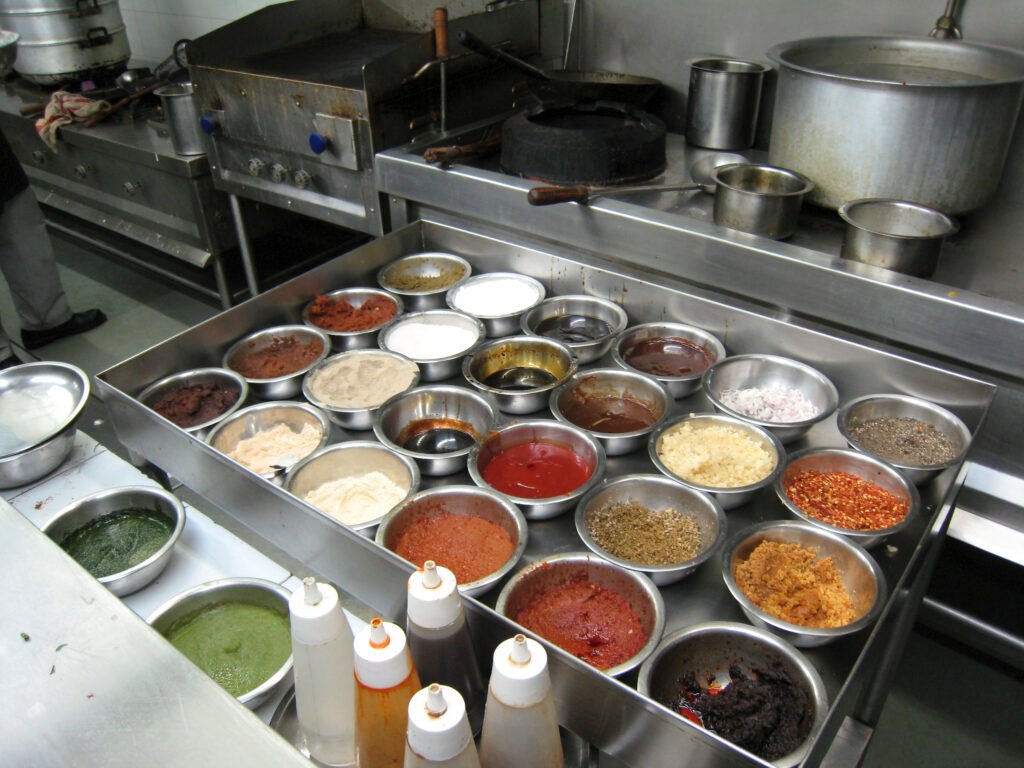
Mise en place, a French culinary term meaning putting in place, refers to the practice of organizing and preparing all ingredients, tools, and equipment needed for a cooking task before actual cooking begins, a foundational discipline taught in professional culinary training that underlies efficient, organized kitchen operation at every level from home cooking to high-volume professional kitchens. The concept extends beyond simple ingredient preparation to encompass a broader mindset of readiness and organization that experienced cooks apply to their entire workspace and workflow.
Core Components of Mise en Place
Proper mise en place typically involves washing, cutting, measuring, and portioning ingredients in advance, arranging tools and equipment within easy reach in a logical sequence matching how they will be used during cooking, and reviewing a recipe or planned dish thoroughly beforehand to anticipate each step and identify potential problems before they arise mid-process. This preparation extends to workspace organization as well, including keeping a clean, uncluttered cutting surface, positioning a trash receptacle or scrap bowl conveniently, and ensuring towels and other frequently needed items remain within immediate reach throughout the cooking process.
Why Professional Kitchens Depend on Mise en Place
In professional kitchen environments, where cooks must prepare numerous dishes simultaneously under significant time pressure during service, mise en place becomes essential rather than merely helpful, since searching for an ingredient or tool mid-service can create dangerous bottlenecks that delay multiple orders and disrupt the coordinated timing required across an entire kitchen brigade. Professional culinary training programs emphasize mise en place from the earliest stages of instruction specifically because the habit, once properly ingrained, fundamentally changes how a cook approaches any task, shifting from reactive, disorganized cooking to a controlled, confident process that can handle unexpected complications far more gracefully.
Mise en Place Beyond the Kitchen
The underlying principle of thorough preparation before execution has been adopted well beyond professional cooking, with the term and concept appearing in business, writing, and various other fields as a metaphor for thorough preparation and organization before undertaking any complex task. This broader adoption reflects how universally applicable the core insight behind mise en place really is, namely that investing time in preparation and organization before beginning a task, rather than figuring things out as problems arise during execution, generally produces better, more consistent, and less stressful results across a wide range of human endeavors.
Teaching and Developing the Habit
Culinary schools typically teach mise en place as one of the very first skills in formal training, recognizing that habits developed early in a cook career tend to persist throughout their professional life, whether those are good organizational habits or disorganized, reactive patterns that become increasingly difficult to correct once established. Experienced chefs often describe mise en place less as a discrete task to complete before cooking begins and more as an ongoing mindset maintained throughout a shift, continuously restocking, cleaning, and reorganizing a workstation even during active service to maintain the readiness and order the concept fundamentally represents.
Station Setup in Restaurant Kitchens
In restaurant kitchens organized around distinct cooking stations, each responsible for specific types of dishes or cooking methods, mise en place becomes a coordinated, station-specific responsibility, with each cook preparing their station exact ingredient and tool needs before service begins, often following detailed prep lists developed by a head chef or kitchen manager to ensure consistency across every shift. This station-based approach to mise en place allows a kitchen to function as a coordinated system, where the failure of one station to properly prepare can cascade into delays and problems across other interdependent stations during a busy service period.
Mental and Procedural Dimensions
Beyond the purely physical preparation of ingredients and tools, experienced cooks describe a mental component to mise en place, involving a clear understanding of the sequence of steps ahead, anticipation of likely problems or bottlenecks, and a calm, organized mindset that allows a cook to respond effectively to the inevitable surprises that arise during actual cooking or service. This mental preparation component is often considered just as important as the physical organization, since even perfectly prepared ingredients and tools cannot compensate for a disorganized or reactive approach to the cooking process itself once service actually begins.
This mental readiness, paired with physical organization, is what allows experienced cooks to maintain composure and consistency even during the busiest and most demanding service periods.
Modern Variations and Enduring Relevance
Although mise en place originated in classical French culinary training, the underlying discipline has proven durable across every major culinary tradition and style of cooking that has emerged since, from casual home cooking to the most technically demanding modern tasting-menu restaurants. Its enduring relevance reflects a simple truth borne out across generations of professional kitchens: thorough preparation consistently produces calmer, more accurate, and more consistent cooking outcomes than improvisation under pressure, making mise en place one of the few culinary principles taught identically across virtually every serious cooking program worldwide.
Culinary instructors continue to emphasize it as a foundational life skill as much as a kitchen-specific technique, applicable well beyond any single recipe or cooking style.
That lasting emphasis helps explain why the term has entered everyday language well beyond professional kitchens, used whenever thorough preparation matters before a demanding task begins.
More in Culinary Arts
Key facts
- French term meaning putting in place
- Involves prepping ingredients and organizing tools before cooking starts
- Essential in professional kitchens to avoid mid-service bottlenecks
- Taught as one of the earliest skills in formal culinary training
- Applied as a broader metaphor for preparation in fields beyond cooking
Quick checkWhy is mise en place especially critical in professional kitchens?Show answer
Professional kitchens require preparing many dishes under time pressure, so searching for ingredients or tools mid-service can create dangerous bottlenecks across the whole kitchen.
Sources
- Culinary Institute of America curriculum resources
- Professional chef training program guidelines
Editorially reviewed by Specialty Digest Editorial TeamLast reviewed November 3, 2026Researched and drafted with AI assistanceReport an issue