Bush aviation, or bush flying, is the use of small aircraft to reach remote communities and wilderness areas that have no road access. In Alaska it began in the 1920s with pilots such as Carl Ben Eielson and Noel Wien and remains the primary, and sometimes the only, way to deliver food, mail and medical care to many towns. In Western Alaska, 82 percent of towns are not connected by roads [1][2].
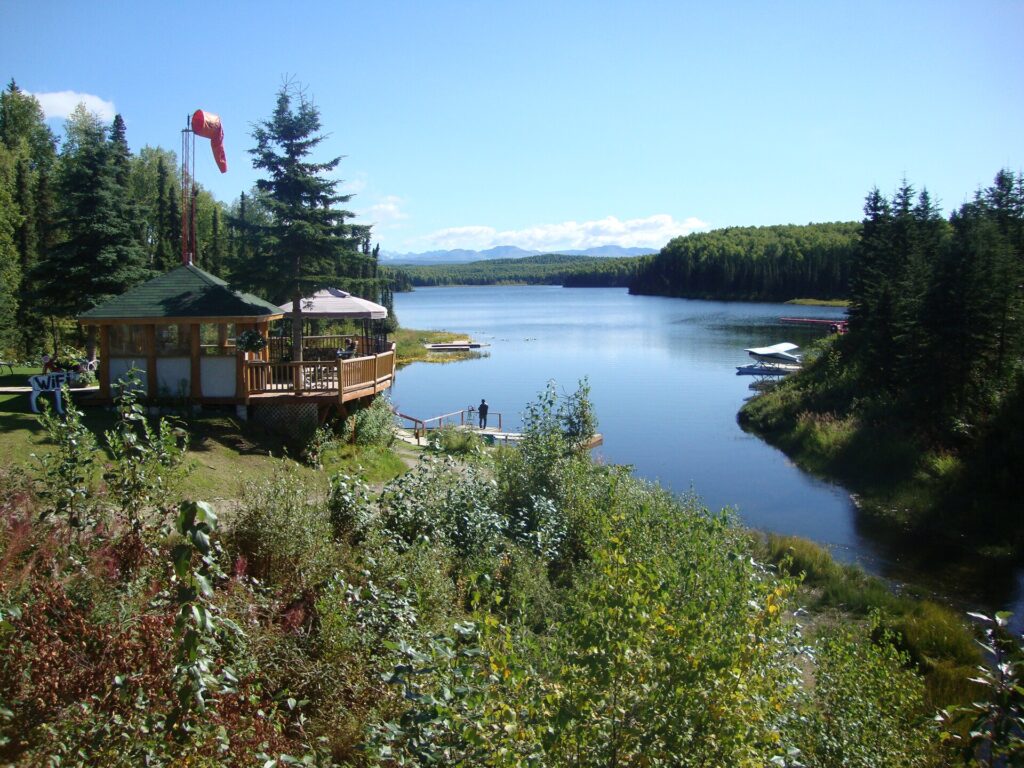
| First successful bush flight | Noel Wien to Livengood, August 19, 1924 |
|---|---|
| Pilots in Alaska | About one per 78 residents (8,550) |
| Roadless Western Alaska towns | 82% |
| Typical aircraft | Super Cub, Beaver, Otter, Cessna 185 |
| Busiest seaplane base | Lake Hood, Anchorage |
| Subsidized Essential Air Service | About 60 communities |
Early Years
Carl Ben Eielson, a North Dakota-born World War I pilot, taught math and science in Fairbanks after the war. With local backers he acquired a Curtiss JN-4 to fly passengers to nearby settlements, and in 1924 he received a de Havilland 4 for airmail runs to McGrath, 280 miles away, but his contract ended after the third accident [1]. On August 19, 1924, Noel Wien made the first successful bush flight to Livengood. The trip took under an hour, whereas a winter dog sled trip could take several days, and that summer he made 34 flights supporting about 250 men at the camp [1].
Aircraft
Bush planes can be fitted with floats, skis or tundra tires. Widely used types include the Piper PA-18 Super Cub, a two-seat aircraft developed in 1949, the de Havilland Canada DHC-2 Beaver, designed in 1946, the DHC-3 Otter, the Cessna 185, the Noorduyn Norseman and the Grumman Goose amphibian [1]. Design features that help on rough terrain include high wings for ground clearance, tail-dragger landing gear and good short takeoff and landing performance [1].
Role in Rural Alaska
In many areas bush flying is the primary or sometimes only form of access. Western Alaska has many towns with no road connection, and 82 percent of towns there are not connected by roads. Planes deliver food, mail and medical care [1]. About 60 communities receive subsidized Essential Air Service [2].
Airports and Pilots
The state owns and maintains most airports, and private carriers provide service. Alaska has about one pilot for every 78 residents, or 8,550 pilots, and Lake Hood next to Ted Stevens Anchorage International Airport is described as the world’s busiest seaplane base [2].
Tourism and Flightseeing
In 1947 Celia M. Hunter worked as a flight attendant on flights to Nome and Kotzebue, among the first tourist trips by air in the Alaskan bush [1]. Flightseeing, fly-in fishing and hunting trips and glacier landings remain part of the visitor economy described in the entry on tourism in Alaska.
Modern Bush Flying
Modern bush flying also includes short takeoff and landing (STOL) competitions and fly-ins focused on community and enjoyment. In 2020 Jeremy Pepperd won a competition with an 85-foot landing distance and an 89-foot takeoff roll [1].
FAQs
What is bush flying? Flying small aircraft to remote places that have no road access.
Who made the first bush flight in Alaska? Noel Wien made the first successful bush flight, to Livengood, on August 19, 1924.
What planes are used in Alaska? Super Cubs, Beavers, Otters, Cessna 185s and floatplanes among others.
How many pilots does Alaska have? About 8,550, roughly one per 78 residents.
Why is aviation important in Alaska? Many communities have no road connection and rely on planes for food, mail and medical care.
Sources
More in Transport
Key facts
Quick checkWho made the first successful bush flight to Livengood in 1924?Show answer
Noel Wien
Sources
- Wikipedia. Bush flying. 2026 (accessed 2026-11-12)
- Wikipedia. Transportation in Alaska. 2026 (accessed 2026-11-12)
Editorially reviewed by Specialty Digest Editorial TeamLast reviewed November 12, 2026Researched and drafted with AI assistanceReport an issue