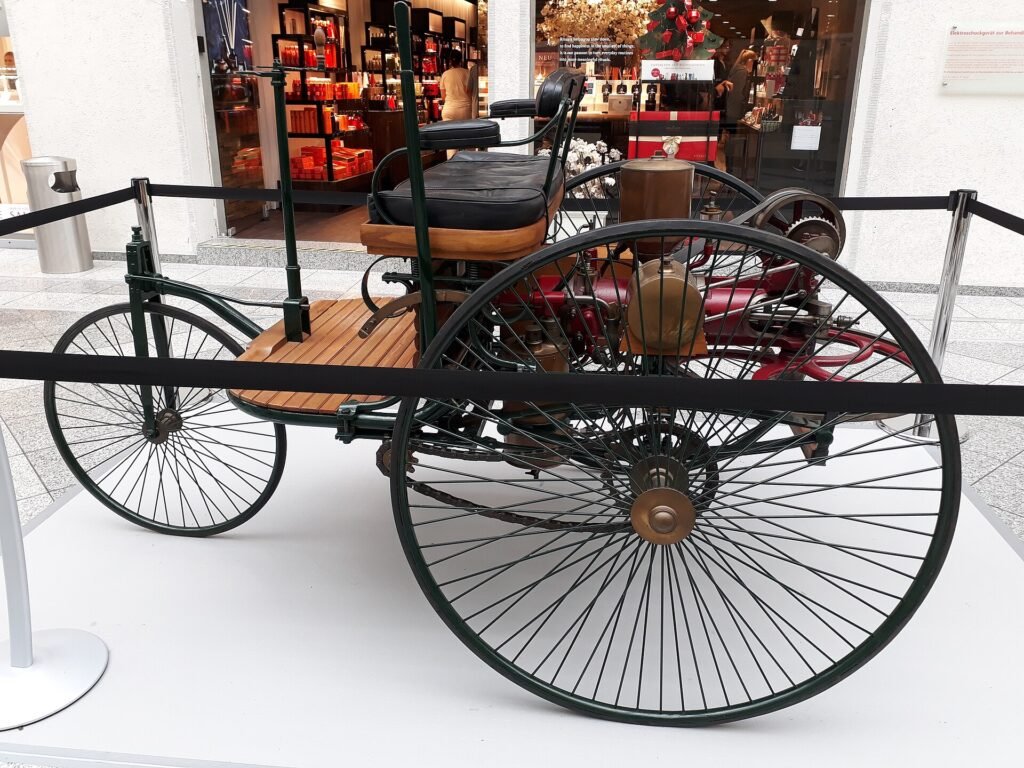
An automobile, or car, is a self-propelled road vehicle designed to carry people, usually with four wheels and its own engine or motor. The Benz Patent-Motorwagen, patented by Karl Benz in 1886, is widely recognized as the first practical automobile, and Henry Ford’s moving assembly line later made cars affordable to millions. History of the
Automobile Read More »
A self-propelled road vehicle for carrying people; the Benz Patent-Motorwagen of 1886 is widely seen as the first practical car.
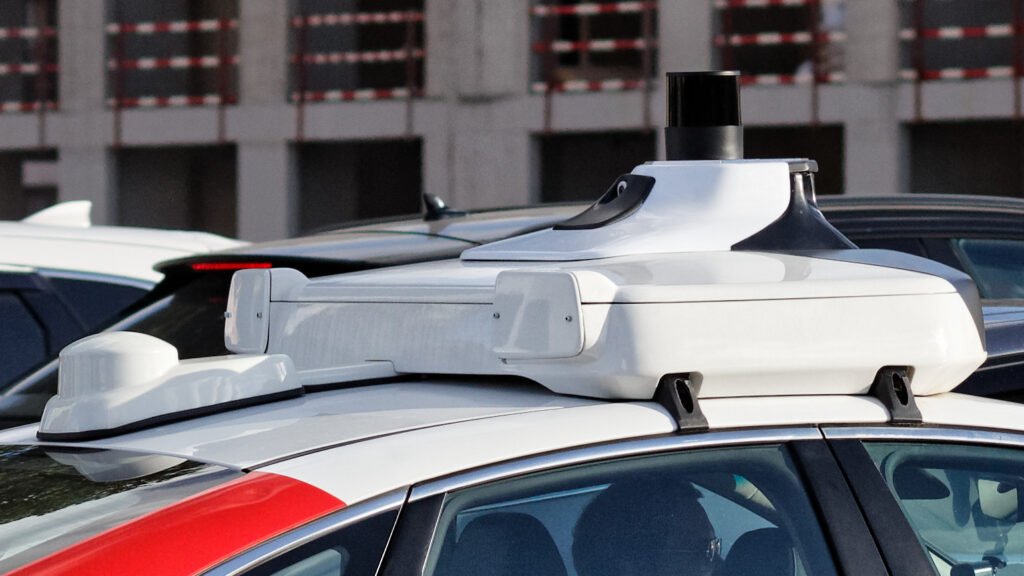
An autonomous vehicle is a car, truck, or other vehicle equipped with sensors, software, and control systems that allow it to perceive its surroundings and drive with reduced or no human input. Autonomous vehicles today range from ordinary cars with driver-assistance features that handle specific tasks like highway lane-keeping to fully self-driving systems designed to
Autonomous vehicle Read More »
A vehicle equipped with sensors, software, and control systems that allow it to perceive its surroundings and drive with reduced or no human input.
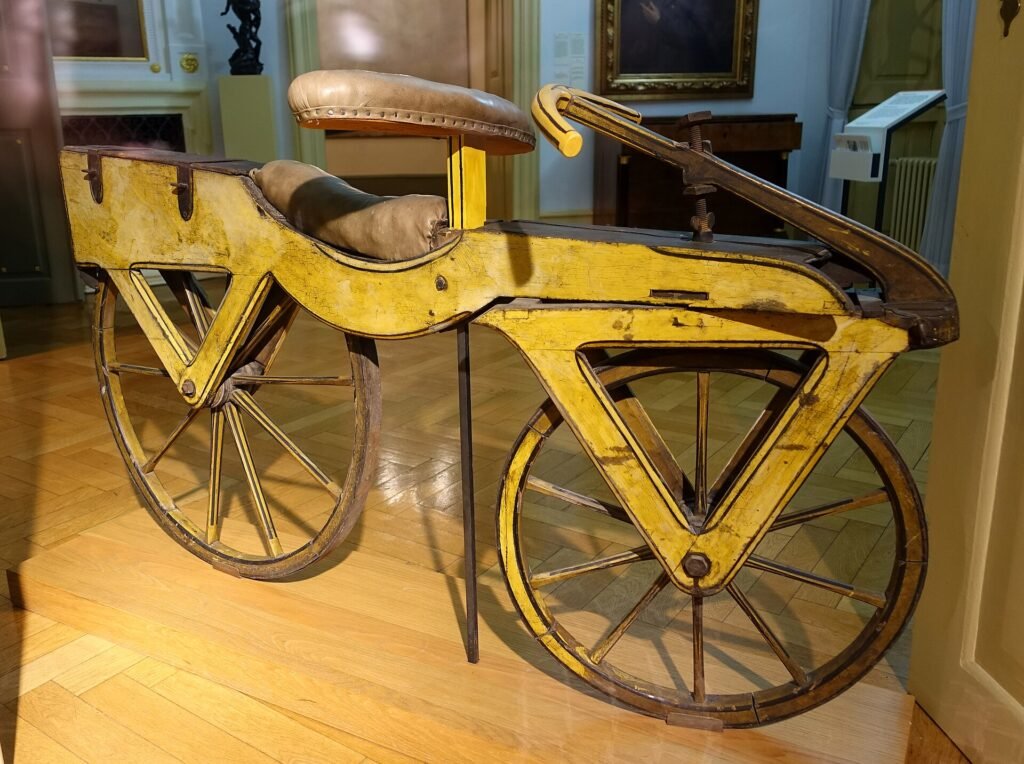
The bicycle is a human-powered vehicle with two wheels in line, a frame, a saddle, handlebars for steering and, in its modern form, pedals that drive the rear wheel through a chain. Its direct ancestor is the wooden running machine that Karl von Drais rode in Mannheim, Germany, on June 12, 1817, and the design
Bicycle Read More »
A two-wheeled, pedal-driven vehicle that grew from Karl von Drais's 1817 running machine into the chain-driven safety bicycle of 1888.
A container ship is a cargo vessel specifically designed to carry its freight packed inside standardized intermodal shipping containers, which can be moved seamlessly between ships, trains, and trucks without ever unpacking the goods inside. The standardization of container dimensions, overwhelmingly built around the 20-foot and 40-foot lengths known as TEU and FEU, is what
Container ship Read More »
A cargo vessel designed to carry freight in standardized intermodal shipping containers.
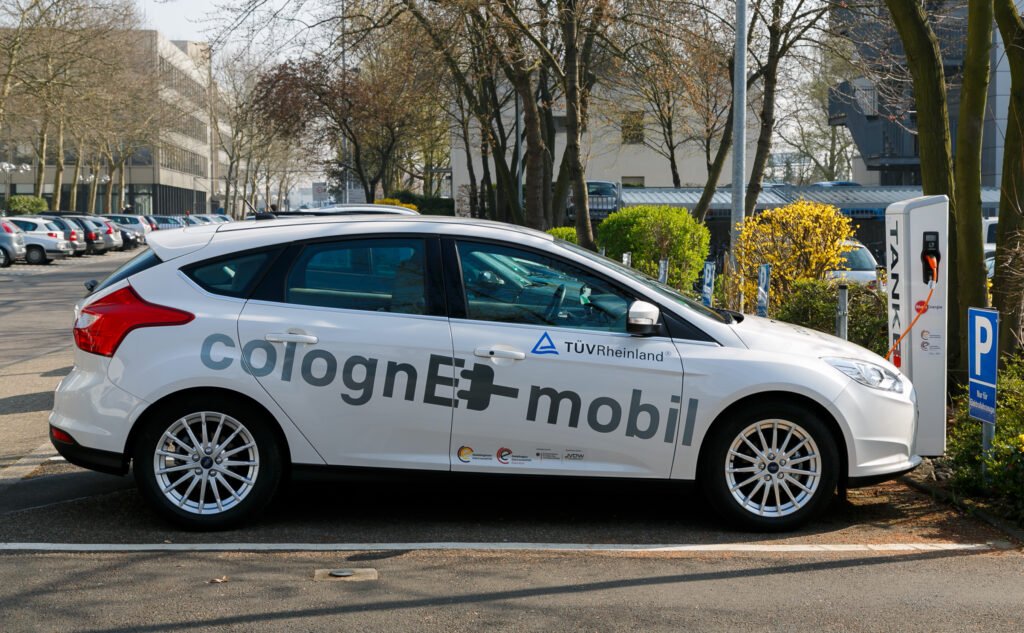
An electric vehicle is a vehicle powered partly or entirely by electricity stored in an onboard battery and delivered to one or more electric motors, rather than relying solely on an internal combustion engine burning gasoline or diesel fuel. Electric vehicles include fully battery-powered cars with no engine at all, as well as hybrid vehicles
Electric vehicle Read More »
A vehicle powered partly or entirely by electricity stored in an onboard battery and delivered to electric motors.
In simple terms A ground stop is an instruction from air traffic control that holds aircraft at their departure airports. Flights that meet the stated criteria are not allowed to take off. It is a blunt tool. Controllers reach for it when an airport or a stretch of airspace suddenly cannot take the traffic already
Ground stop Read More »
A ground stop is an air traffic order that keeps certain flights on the ground, usually because an airport or airspace has lost capacity.
In simple terms High-speed rail is passenger train service that runs substantially faster than conventional rail, generally on track engineered specifically for that speed rather than shared, legacy track built for ordinary traffic. [1] How it works The International Union of Railways, the main body that coordinates standards among the world’s railways, defines high-speed rail
High-speed rail Read More »
High-speed rail is passenger train service that runs on dedicated, specially engineered track at speeds generally at or above 250 kilometers per hour.
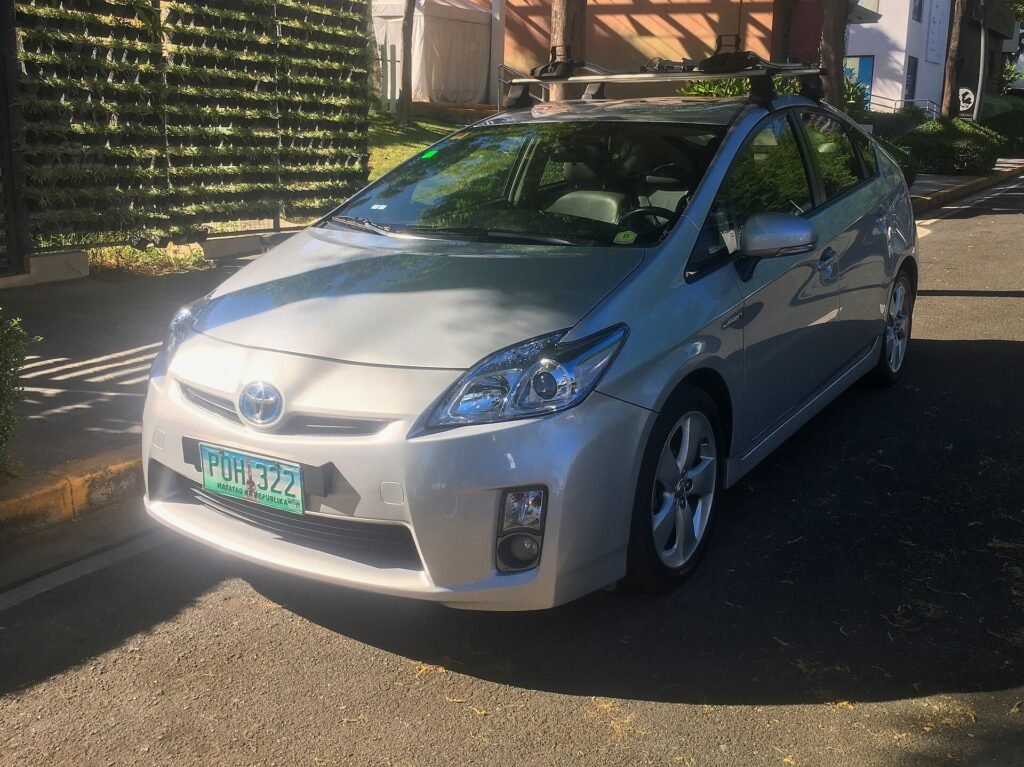
A hybrid vehicle is a vehicle powered by an internal combustion engine working together with one or more electric motors that draw energy from a battery. Combining the two power sources lets it use less fuel and produce less tailpipe pollution than a comparable conventional vehicle, while keeping the power and driving range people expect.
Hybrid vehicle Read More »
A hybrid vehicle combines an internal combustion engine with electric motors and a battery to cut fuel use and tailpipe pollution.
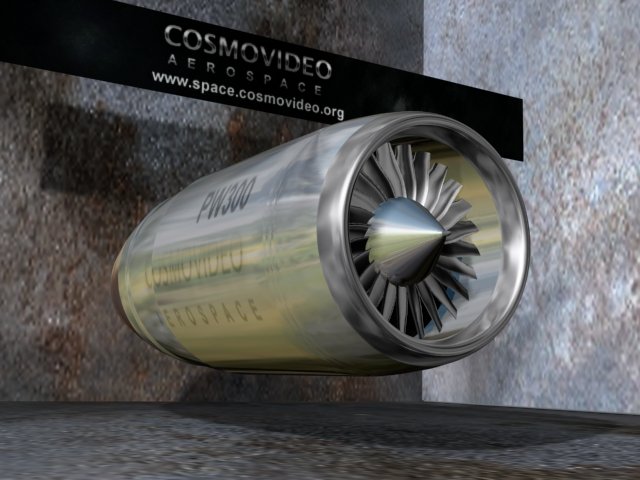
A jet engine is a type of engine that produces thrust by expelling a high-speed jet of exhaust gas, typically used to propel aircraft, though similar principles power some ships and industrial applications. Jet engines work by drawing in air, compressing it, mixing it with fuel and igniting the mixture, then expelling the resulting hot,
Jet engine Read More »
An engine that produces thrust by compressing air, burning it with fuel, and expelling high-speed exhaust gas, used mainly to propel aircraft.
Railway signalling is the system of visual signals, track circuits, and interlocking controls used to safely separate trains sharing the same track, preventing collisions and derailments by controlling when and where each train is permitted to move. Because a train cannot stop quickly, often needing well over a kilometer to brake from normal speed, railway
Railway signalling Read More »
The system of signals and controls used to safely separate trains sharing the same track.