Fashion design is the art and craft of creating clothing and accessories, combining aesthetic vision with technical skills in pattern making, draping, and garment construction to produce wearable pieces that reflect cultural trends, personal expression, and practical function simultaneously.
The discipline spans a wide spectrum from haute couture, which produces exclusive, custom-made garments using the finest materials and most labor-intensive techniques, to mass-market ready-to-wear clothing designed for efficient production and broad commercial distribution across retail channels worldwide.
The Fashion Design Process
Fashion designers typically begin a collection with research and concept development, drawing inspiration from sources ranging from historical costume and art movements to current cultural trends, before translating these ideas into sketches, mood boards, and eventually technical patterns that guide actual garment construction.
Sample making follows initial design work, with designers and pattern makers producing prototype garments that are then fitted, adjusted, and refined through multiple iterations before a final design is approved for production, a process that can involve significant technical problem-solving to achieve the designer’s original aesthetic vision in a wearable, functional garment.
Pattern Making and Garment Construction
Pattern making translates a designer’s two-dimensional sketch or draped concept into the flat pattern pieces that, when cut from fabric and sewn together, create the three-dimensional form of a finished garment, requiring deep technical understanding of how fabric behaves and moves on the human body.
Draping, an alternative or complementary technique, involves working directly with fabric on a dress form to develop a garment’s shape through hands-on manipulation, often used for more sculptural or asymmetric designs that would be difficult to conceive through flat pattern drafting alone.
Textiles and Material Selection
Fabric choice fundamentally shapes a garment’s final appearance, drape, and performance, requiring designers to understand textile properties including weight, stretch, breathability, and how different fibers respond to dyeing, printing, and various finishing treatments applied during textile production.
Textile innovation continues to expand designers’ material options, with developments in performance fabrics, sustainable fiber alternatives, and smart textiles incorporating embedded technology all creating new creative and functional possibilities beyond traditional natural and synthetic fiber categories.
The Fashion Show and Collection Presentation
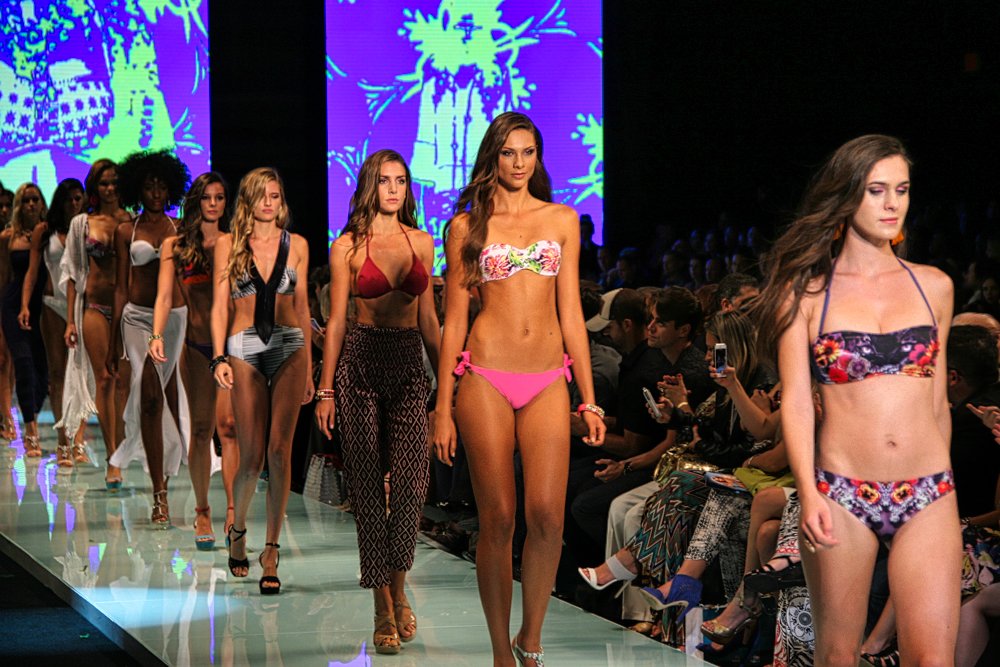
Fashion designers traditionally present new collections through runway shows during established fashion weeks held in major fashion capitals, using choreographed presentations combining music, lighting, and staging to communicate a collection’s broader aesthetic concept beyond the individual garments themselves.
Digital presentation formats have increasingly supplemented or replaced traditional runway shows for some designers, particularly following disruptions to in-person events, with livestreamed shows and digital lookbooks reaching broader audiences than the limited attendance possible at physical runway presentations.
Fast Fashion Versus Sustainable Design
The rise of fast fashion, characterized by rapid production cycles and low-cost garments designed for frequent replacement, has transformed the broader fashion industry while drawing significant criticism for environmental impact and labor practices throughout its typically globalized supply chains.
In response, sustainable fashion design has gained significant momentum, emphasizing durable construction, environmentally responsible materials, and business models such as clothing rental or resale that extend garment lifespan and reduce the overall environmental footprint associated with constant new production.
Fashion Design Education and Career Paths
Aspiring fashion designers typically pursue specialized education covering pattern making, draping, textile science, and fashion history, alongside developing a strong personal design portfolio that demonstrates both technical competence and a distinctive creative point of view to potential employers or investors.
Career paths within fashion design vary considerably, from launching an independent designer label to working within the design team of an established fashion house, or specializing in particular garment categories such as outerwear, swimwear, or bridal design within larger commercial fashion organizations.
Technology and the Future of Fashion Design
Digital design tools, including three-dimensional garment simulation software, allow designers to visualize and adjust designs virtually before producing physical samples, potentially reducing material waste and accelerating the design iteration process compared to traditional physical sample-based development.
Emerging technologies including on-demand manufacturing and mass customization are beginning to challenge traditional fashion production models, suggesting that future fashion design practice may increasingly blend creative design skill with data-driven production approaches tailored to individual consumer preferences and sizing.
Fashion trend forecasting has become an increasingly data-driven practice, with designers and brands analyzing social media activity, retail sales patterns, and street style photography to anticipate shifts in consumer preference well before a given trend becomes broadly visible in mainstream collections.
Collaborations between fashion designers and artists, athletes, or other brands have become a common strategy for generating publicity and reaching new audiences, often producing limited-edition capsule collections that combine a designer’s signature aesthetic with the collaborator’s own distinct creative identity.
Independent designers increasingly rely on direct-to-consumer online sales channels to build a customer base without the significant upfront investment historically required to secure placement in traditional department store and boutique retail environments.
Vintage and archival garments continue to serve as a significant source of design inspiration, with many contemporary designers studying historical construction techniques to inform their own modern interpretations of classic silhouettes.
FAQ
What is the difference between haute couture and ready-to-wear fashion?
Haute couture refers to exclusive, custom-made garments using the finest materials and labor-intensive techniques, while ready-to-wear is designed and manufactured for broader commercial distribution at standardized sizes and lower relative cost.
What skills does fashion design require?
Fashion design requires creative vision alongside technical skills including pattern making, draping, garment construction, and textile knowledge, combined with strong understanding of how fabric behaves on the human body.
What is sustainable fashion design?
Sustainable fashion design emphasizes durable construction, environmentally responsible materials, and business models like rental or resale that extend garment lifespan and reduce the industry’s environmental footprint.
Editorially reviewed by Specialty Digest Editorial TeamLast reviewed November 4, 2026Researched and drafted with AI assistanceReport an issue