Motion graphics is a design discipline that combines graphic design principles with animation and sound to create moving visual content, typically used for title sequences, advertisements, explainer videos, and user interface animations rather than the character-driven storytelling associated with traditional animation.
Distinguished from character animation primarily by its focus on graphic elements such as text, shapes, logos, and data visualizations rather than narrative characters, motion graphics has become a central tool in contemporary visual communication across broadcast media, digital marketing, and software interface design.
Historical Development and Early Pioneers
Motion graphics traces its origins to mid-twentieth-century film title sequences, where designers began treating typography and abstract visual elements as dynamic storytelling tools rather than simply static credits displayed before a film’s narrative content began.
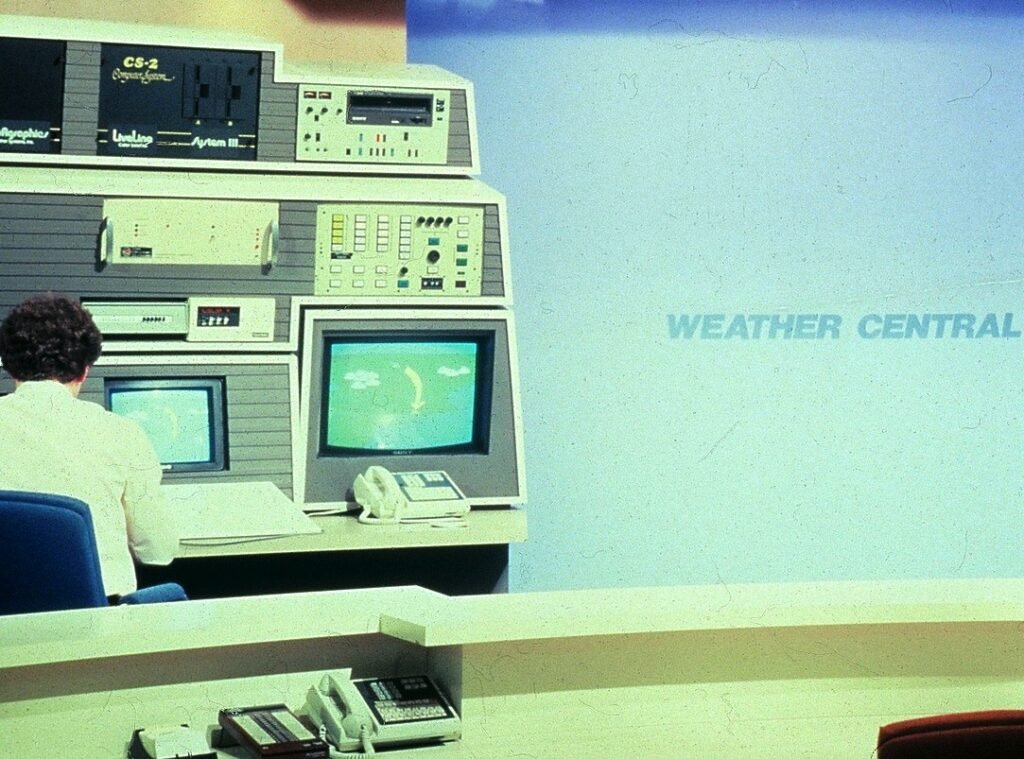
The field expanded significantly with the rise of television broadcast graphics and corporate identity films, and later accelerated dramatically with the arrival of affordable digital animation software in the 1990s and 2000s, which made sophisticated motion graphics production accessible to far more designers and smaller studios than the expensive specialized equipment required previously.
Core Principles of Motion Design
Effective motion graphics relies on core animation principles such as timing, easing, and anticipation, adapted from traditional character animation but applied to graphic elements like shapes and typography rather than organic character movement, ensuring that motion feels purposeful and visually satisfying rather than mechanical or abrupt.
Composition and hierarchy remain equally important in motion design as in static graphic design, since a moving composition must still guide a viewer’s attention clearly through a sequence of information, often within a very limited time window before attention shifts elsewhere.
Software Tools and Technical Workflow
Motion graphics designers typically rely on specialized animation software that allows precise control over keyframe-based animation, layering, and compositing, often working alongside three-dimensional modeling tools when a project calls for dimensional elements beyond flat graphic animation.
Many motion graphics projects also incorporate expression-based or procedural animation techniques, which use mathematical formulas to automate repetitive or complex movement patterns, allowing designers to achieve sophisticated effects more efficiently than manually animating every individual frame or keyframe by hand.
Applications in Advertising and Branding
Brands increasingly rely on motion graphics for television and digital advertising, animated logo reveals, and social media content, since moving graphics tend to capture attention more effectively than static images within crowded digital feeds competing for limited viewer attention.
Consistent motion branding, in which specific animation styles, timing, and visual treatments become associated with a particular brand across multiple pieces of content, helps companies build recognizable visual identity that extends beyond static logos and color palettes into the temporal dimension of moving media.
User Interface and Product Animation
Motion graphics principles have become increasingly central to digital product design, where subtle animations provide feedback for user actions, guide attention toward important interface elements, and create a sense of continuity as users navigate between different screens or application states.
Well-executed interface animation can meaningfully improve perceived usability and polish, while poorly implemented or excessive animation can frustrate users and slow down interactions, requiring motion designers working in this space to balance visual delight against genuine functional clarity and performance considerations.
Explainer Videos and Information Design
Motion graphics has become a dominant format for explainer videos, which use animated graphics, text, and narration to communicate complex information, processes, or product features in an accessible, engaging format that often outperforms static text or presentation slides for audience retention.
This application of motion graphics draws heavily on information design principles, requiring designers to simplify complex concepts into clear visual metaphors and sequences without sacrificing accuracy, a balance that demands both strong design judgment and genuine understanding of the underlying subject matter being explained.
Industry Trends and Future Directions
Real-time rendering technology, originally developed for video game production, has increasingly influenced motion graphics workflows, allowing designers to preview and adjust complex animations more quickly than traditional rendering pipelines that required lengthy processing time between each revision.
As artificial intelligence tools increasingly assist with animation tasks such as automated in-betweening and style transfer, motion graphics designers are adapting their workflows and skill sets, though the field’s continued emphasis on strong composition, timing, and conceptual clarity suggests core design judgment will remain essential even as specific technical tools continue evolving.
Sound design plays an equally important though often underappreciated role in motion graphics, since carefully timed audio cues and music can dramatically reinforce the perceived weight, speed, and impact of visual movements that might otherwise feel flat or unconvincing without an accompanying audio layer.
Freelance and small-studio motion designers have benefited significantly from online template marketplaces and stock animation assets, which allow smaller budget productions to achieve a level of visual polish that would previously have required a much larger production team and timeline to accomplish from scratch.
Film schools and design programs have expanded dedicated motion graphics coursework in recent years, reflecting steady industry demand for specialists who can bridge traditional graphic design training with animation and compositing skills.
FAQ
What is the difference between motion graphics and animation?
Motion graphics typically focuses on graphic elements such as text, shapes, and logos rather than character-driven storytelling, which is more closely associated with traditional character animation and narrative film.
Where is motion graphics commonly used?
Motion graphics appears widely in advertising, title sequences, explainer videos, broadcast graphics, and user interface animations across digital products and marketing content.
What software do motion graphics designers typically use?
Motion graphics designers typically use specialized animation and compositing software that allows precise keyframe control, layering, and often expression-based or procedural animation techniques.
Editorially reviewed by Specialty Digest Editorial TeamLast reviewed November 4, 2026Researched and drafted with AI assistanceReport an issue