The Gwich’in are an Athabaskan-speaking people who live mostly north of the Arctic Circle in northern Alaska, the Yukon and the Northwest Territories. Place names suggest they have lived in the region since the early Holocene, about 8,000 years ago. Caribou, especially the Porcupine herd, are central to Gwich’in identity and subsistence, and Arctic Village and Fort Yukon are among their Alaska communities [1].
| Homeland | Northern Alaska, Yukon, Northwest Territories |
|---|---|
| Population | About 4,375 (3,275 in Canada, 1,100 in Alaska) |
| Language | Gwich’in (Athabaskan), severely endangered |
| Alaska communities | Arctic Village, Fort Yukon and others |
| Key animal | Porcupine caribou herd |
| Time in region | About 8,000 years |
Homeland and Population
The Gwich’in live mostly north of the Arctic Circle. The infobox lists 3,275 in Canada and 1,100 in Alaska, while the text says over 6,000 live in 15 small communities in northern Canada and Alaska, so figures vary by source [1].
Language
Gwich’in is an Athabaskan language with eastern and western dialects that meet roughly at the U.S.-Canada border. The Alaska Native Language Center counts about 300 Alaskan speakers, while UNESCO classifies the language as severely endangered, with fewer than 150 fluent speakers in Alaska and about 250 in northwest Canada. Revitalization projects are documenting the language and training younger speakers [1][2].
The Caribou
Caribou are central to Gwich’in identity and survival, a cultural symbol and a keystone subsistence species. Many Gwich’in depend on the Porcupine herd, which calves on the coastal plain of the Arctic National Wildlife Refuge. Elders have identified at least 150 Gwich’in names for caribou bones, organs and tissues [1]. See the entry on caribou in Alaska.
Communities
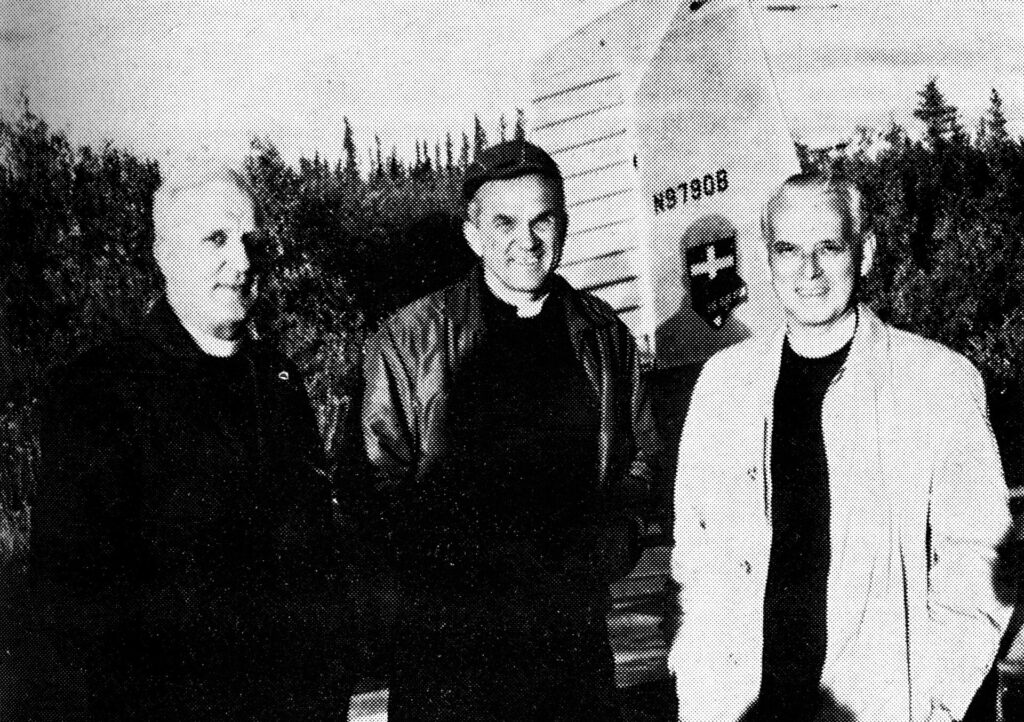
Arctic Village is home to Dihai-kutchin and Neetsaii Gwich’in, and its Traditional Chief, Trimble Gilbert, is also an Episcopal priest. Fort Yukon is home to Gwichyaa Gwich’in [1].
Culture
Crafts include snowshoes, birchbark canoes, two-way sleds, beadwork, porcupine quillwork and caribou-skin clothing. The economy is based mainly on hunting, fishing and seasonal wage work. Three clans survive, and people are expected to marry outside their clan. Storytelling is central, including the comedic Vazaagiitsak cycle, and the Hän Gwich’in practiced traditional face tattoos called yidįįłtoo [1].
History
Christianity arrived in the 1840s and spread through Anglican and Catholic missions, and its influence remains strong. The Takudh Bible is a century-old translation of the King James Bible, and a 1960s orthography designed by Richard Mueller is now standard. Five Gwich’in people have served in the Alaska Legislature [1].
FAQs
Who are the Gwich’in? An Athabaskan people of northern Alaska, the Yukon and the Northwest Territories.
How long have the Gwich’in lived in the region? Place names suggest about 8,000 years.
Why is the Porcupine caribou herd important? It is a keystone subsistence species and a cultural symbol for the Gwich’in.
Which Alaska communities are Gwich’in? Arctic Village and Fort Yukon, among others.
How many Gwich’in speakers are there? About 300 Alaskan speakers by the Alaska Native Language Center count.
Sources
More in Anthropology
Key facts
Quick checkWhich caribou herd is central to Gwich’in life?Show answer
The Porcupine herd
Sources
- Wikipedia. Gwichʼin. 2026 (accessed 2026-11-12)
- Wikipedia. Alaska Native Language Center. 2026 (accessed 2026-11-12)
Editorially reviewed by Specialty Digest Editorial TeamLast reviewed November 12, 2026Researched and drafted with AI assistanceReport an issue