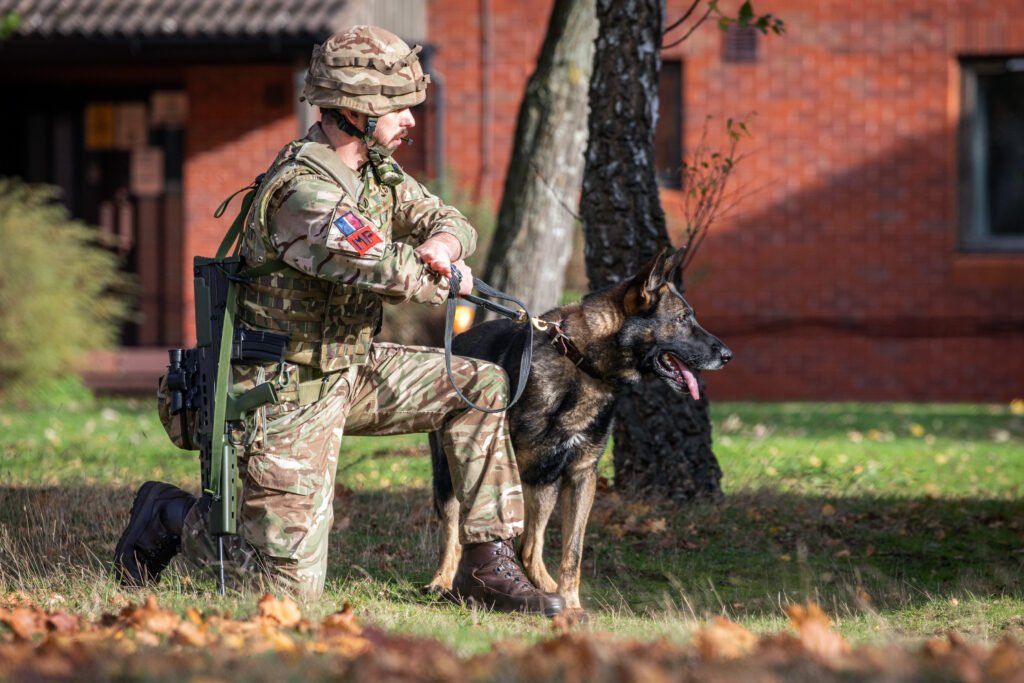
Foundations of Learning Theory
Pet behavior and training draws its scientific foundation from operant and classical conditioning principles first described by behavioral psychologists. Operant conditioning explains how consequences shape future behavior: actions followed by favorable outcomes tend to repeat, while actions followed by unfavorable outcomes tend to diminish. Classical conditioning explains how animals form associations between neutral stimuli and meaningful events, such as a leash signaling an impending walk. Trainers apply these frameworks deliberately, breaking desired behaviors into small, achievable steps and reinforcing incremental progress toward a final goal, a process known as shaping.
Positive Reinforcement Methods
Positive reinforcement training rewards desired behavior immediately after it occurs, strengthening the likelihood of repetition. Food rewards, praise, play, and access to preferred activities all function as reinforcers depending on the individual animal’s preferences. Clicker training pairs a distinct sound with reinforcement to mark the exact moment a correct behavior occurs, improving timing precision beyond what verbal praise alone can achieve. Because the method does not rely on discomfort or intimidation, it tends to preserve the human-animal bond while producing reliable, generalizable behaviors across different contexts and environments.
Addressing Problem Behaviors
Many training interventions target problem behaviors such as excessive barking, destructive chewing, resource guarding, or house-soiling. Effective intervention begins with identifying the underlying motivation, whether it is attention-seeking, anxiety, boredom, or a medical issue, since punishing a symptom without addressing its cause often produces only temporary suppression or new problem behaviors. Management strategies, such as removing access to triggers, work alongside active training to reduce rehearsal of unwanted behaviors while new, more appropriate responses are built and reinforced.
Training Equipment and Tools
Common training tools include flat collars, front-clip harnesses, long lines for distance work, and treat pouches for efficient reward delivery. Head halters and no-pull harnesses redirect a dog’s momentum without relying on neck pressure. Some trainers incorporate target sticks or platforms to guide precise body positioning. Tool selection should prioritize the animal’s comfort and safety, and any aversive equipment, such as prong or shock collars, carries welfare controversy and is discouraged by most major veterinary behavior organizations in favor of reward-based alternatives.
Professional Standards and Certification
The dog training industry is largely unregulated in most jurisdictions, meaning credentials and demonstrated competence vary widely among practitioners. Organizations such as the Certification Council for Professional Dog Trainers and the International Association of Animal Behavior Consultants offer voluntary certification based on examinations and continuing education. Veterinary behaviorists, who complete additional residency training beyond general veterinary medicine, handle the most severe behavioral cases, particularly those involving aggression or complex anxiety disorders that may require combined behavioral and pharmacological treatment.
Breed and Individual Variation in Trainability
While learning principles apply universally, individual temperament, prior experience, and breed background influence how quickly an animal acquires new behaviors and how it responds to different motivational strategies. Herding and working breeds selectively bred for trainability and task focus often show rapid acquisition of structured exercises, while breeds developed for independent decision-making, such as many livestock guardian breeds, may require more patience and creative motivation. Age also matters considerably, since puppies in active developmental windows absorb associations differently than adult dogs with established patterns, though adult dogs remain highly capable learners throughout life when training is approached with appropriate consistency.
Group Classes Versus Private Training
Pet owners can access training support through several formats suited to different needs. Group classes provide structured curricula alongside socialization opportunities, making them well suited to foundational obedience skills and puppy socialization. Private training offers individualized attention valuable for addressing specific behavior problems, often recommended when a dog shows signs of reactivity that could be worsened by a group setting. Board-and-train programs, where a dog lives with a trainer for an intensive period, offer rapid skill-building but require careful vetting of the trainer’s methods and the owner’s own follow-through once the dog returns home, since skills built away from the household context do not always transfer automatically without owner involvement.
Maintaining Trained Behaviors Over Time
Training is rarely a one-time event; behaviors require ongoing reinforcement to remain reliable, particularly in distracting environments far removed from the quiet setting where a skill was first learned. Trainers often describe a progression from learning a behavior in a low-distraction environment, to practicing it with increasing distraction, duration, and distance, sometimes summarized as the three Ds of training generalization. Periodic refresher sessions and continued use of reinforcement, even intermittently, help prevent previously reliable behaviors from fading over time, a process trainers refer to as extinction when reinforcement stops entirely.
Common Training Equipment Pitfalls
Owners sometimes introduce training tools without adequate preparation, leading to frustration for both dog and handler. A front-clip harness introduced abruptly, for example, can feel unfamiliar enough that a dog resists movement entirely at first, requiring a brief acclimation period with treats and short practice sessions before full use. Similarly, a long line used for distance recall work requires handling practice to avoid tangles or accidental jerking, which can create negative associations with a tool intended to build confidence and freedom rather than restriction.
Consistency across household members also strongly affects training outcomes, since a dog that receives conflicting cues, such as being allowed on furniture by one person but corrected by another, can become confused about expected behavior. Establishing shared household rules and consistent verbal cues before training begins helps new behaviors generalize reliably across every member of the family rather than only the person who conducted the original training sessions.
Trainers often remind owners that patience compounds, since early investment in foundational skills pays dividends throughout the relationship.
Key facts
- Array
Quick checkWhy has positive reinforcement become the dominant approach in professional pet training?Show answer
Because it reliably builds desired behaviors while minimizing fear, anxiety, and aggression side effects associated with punishment-based methods, and is supported by decades of learning-theory research.
Sources
- Array
Editorially reviewed by Specialty Digest Editorial TeamLast reviewed November 4, 2026Researched and drafted with AI assistanceReport an issue