Marine spatial planning is a public process that analyzes and allocates the spatial and temporal distribution of human activities in ocean areas to achieve ecological, economic, and social objectives that have typically been specified through a political process. Rather than managing each activity, such as fishing, shipping, energy development, and conservation, in isolation, marine spatial
Marine Spatial Planning Read More »
Marine spatial planning is a public process that maps and allocates ocean space among competing uses such as fishing, shipping, energy, and conservation.
Poaching is the illegal killing, capturing, or harvesting of wildlife in violation of hunting, fishing, or wildlife protection laws, and it remains one of the most direct and immediate threats to many endangered species worldwide. Unlike habitat loss or climate change, which operate gradually over years or decades, poaching can eliminate individual animals or entire
Poaching Read More »
Poaching is the illegal killing or capturing of wildlife in violation of protection laws, one of the most direct threats to endangered species.
A protected area is a clearly defined geographic space that is formally recognized, dedicated, and actively managed, through legal or other effective means, with the long-term goal of conserving nature along with the ecosystem services and cultural values that depend on it. The category covers everything from strictly off-limits wilderness to landscapes where people and
Protected area Read More »
A protected area is a legally recognized and actively managed geographic space dedicated mainly to the long-term conservation of nature.
Rewilding is an approach to large-scale nature restoration that aims to let natural processes, rather than ongoing human management, shape a landscape or seascape over time. It can range from simply stepping back and letting vegetation regenerate on its own to actively reintroducing species that once performed key ecological roles in an area, with the
Rewilding Read More »
Rewilding is a conservation approach that restores landscapes by letting natural processes, and sometimes reintroduced species, take the lead over active human management.
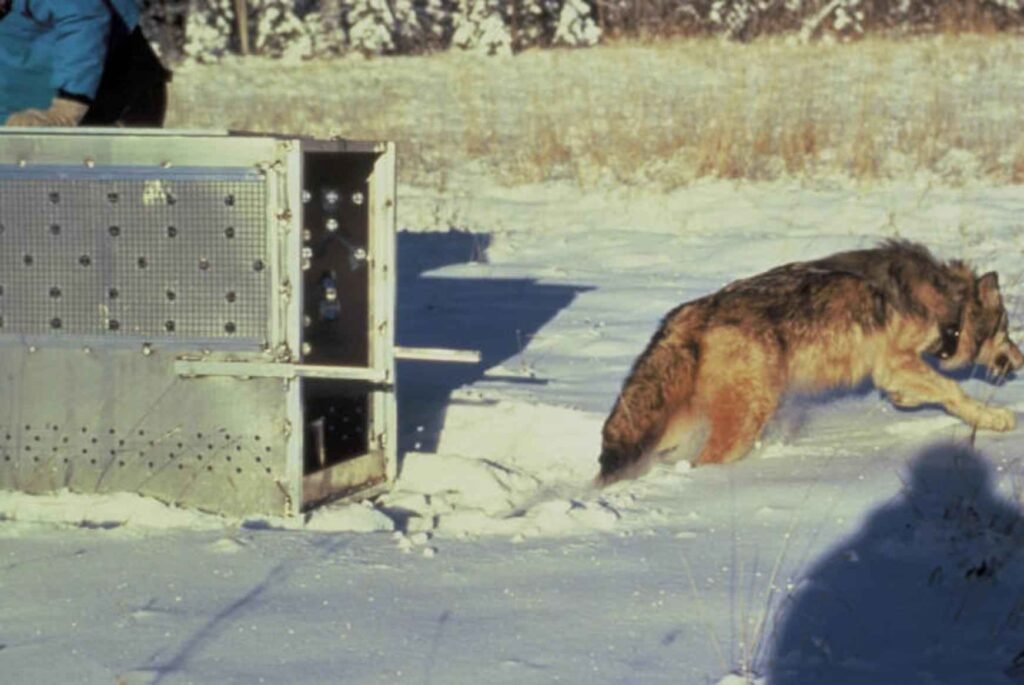
Species reintroduction is the deliberate release of animals or plants into an area where the species previously existed but has since disappeared, typically as a result of hunting, habitat destruction, or other human-caused pressures. The goal is to reestablish a self-sustaining wild population in its former range, and the practice has become an important tool
Species Reintroduction Read More »
Species reintroduction is the deliberate release of animals or plants into an area where they once lived but had disappeared, to restore the population.
Wangari Maathai (1940 to 2011) was a Kenyan scientist, environmental activist and political figure who founded the Green Belt Movement. In 2004 she became the first African woman to win the Nobel Peace Prize, for linking sustainable development, democracy and peace. Early life and education Wangari Muta Maathai was born on 1 April 1940 in
Wangari Maathai Read More »
Wangari Maathai was a Kenyan environmentalist who founded the Green Belt Movement and won the 2004 Nobel Peace Prize.
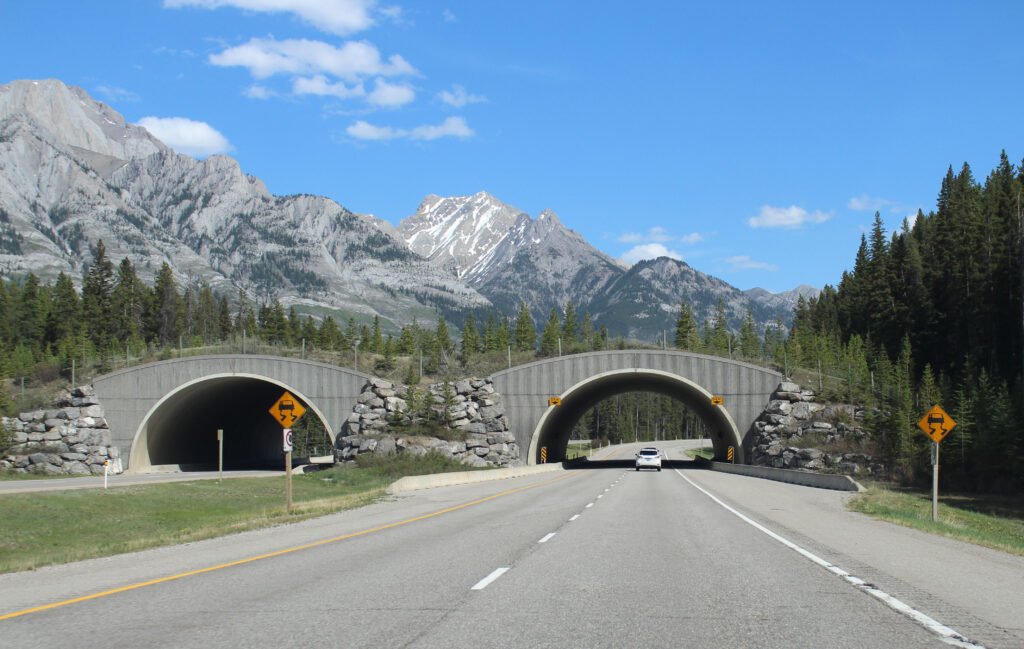
A wildlife corridor is a strip or network of natural habitat that connects otherwise isolated patches of larger habitat, allowing animals to move safely between them for feeding, breeding, seasonal migration, and the exchange of genetic material between separated populations. Corridors have become one of the most widely implemented tools for countering the harmful effects
Wildlife Corridor Read More »
A wildlife corridor is a strip of connected habitat that lets animals move safely between isolated patches to feed, breed, and migrate.
Wildlife trafficking is the illegal trade in animals, plants, and their derived products, encompassing everything from live animals captured for the exotic pet trade to processed goods such as ivory carvings, traditional medicine ingredients, and exotic leather products made from protected species. It operates as a sophisticated global criminal enterprise, often overlapping with other forms
Wildlife Trafficking Read More »
Wildlife trafficking is the illegal global trade in animals, plants, and their products, generating billions of dollars through organized crime networks.