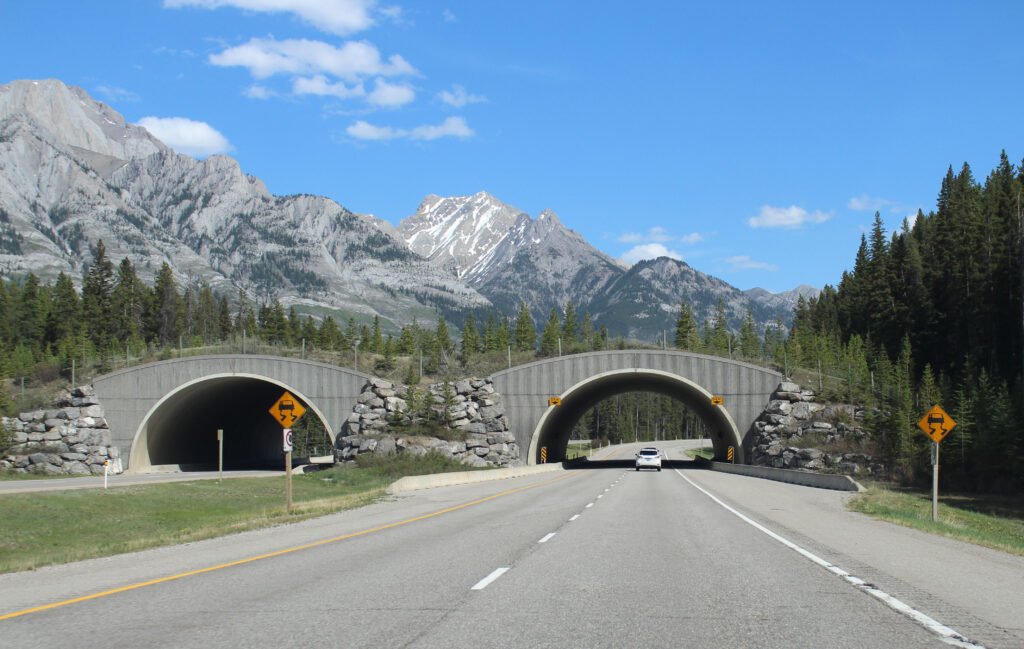
A wildlife corridor is a strip or network of natural habitat that connects otherwise isolated patches of larger habitat, allowing animals to move safely between them for feeding, breeding, seasonal migration, and the exchange of genetic material between separated populations. Corridors have become one of the most widely implemented tools for countering the harmful effects of habitat fragmentation, which can otherwise leave wildlife populations too small and isolated to remain genetically healthy or resilient to disturbance over the long term.
Corridors range enormously in scale, from a narrow strip of replanted vegetation connecting two small forest patches on a single property to vast, multi-country initiatives such as the Yellowstone to Yukon Conservation Initiative, which aims to maintain connected wildlife habitat across more than 2,000 miles of the Rocky Mountains spanning the United States and Canada.
Why Connectivity Matters
Many wide-ranging species, including large carnivores, ungulates that migrate seasonally, and even smaller animals with limited individual movement, depend on the ability to travel between habitat patches over time, whether to find food during seasonal shortages, locate mates, or recolonize an area after a local population decline. Without corridors, fragmented populations can become genetically isolated, a condition that increases extinction risk through reduced genetic diversity and vulnerability to local disasters.
Climate change has added a further reason for connectivity, since many species will need to shift their ranges toward cooler or wetter areas as conditions change, and a landscape fragmented by roads, agriculture, and development can block this kind of range shift even when suitable habitat exists elsewhere, making corridors increasingly important for long-term climate adaptation as well as immediate population health.
Types of Wildlife Corridors
Corridors can take many physical forms depending on the landscape and the species involved: riparian corridors follow rivers and streams, providing connected habitat for species that rely on waterways; hedgerows and replanted vegetation strips connect fragmented farmland habitats in agricultural regions; and engineered structures such as wildlife overpasses and underpasses allow animals to cross highways and other major infrastructure that would otherwise form impassable barriers.
Some corridors are designed specifically for a single focal species, such as a dedicated underpass sized and positioned for a particular amphibian’s seasonal migration route, while others are designed more broadly to serve an entire community of species moving through a shared landscape, requiring careful study of the movement needs of multiple species that may have very different requirements.
Measuring Corridor Success
Researchers evaluate corridor effectiveness using a range of methods, including camera traps placed along corridor routes to document which species actually use them, GPS tracking collars that reveal whether tagged animals travel through corridor habitat as intended, and genetic sampling that can detect whether gene flow between previously isolated populations has increased after a corridor is established.
Some of the most well-documented corridor successes come from highway overpass projects in Banff National Park in Canada, where decades of monitoring have shown substantial use by a wide range of species, including grizzly bears, wolves, and elk, along with a measurable reduction in vehicle collisions with wildlife on the adjacent highway.
Planning and Funding Challenges
Establishing a wildlife corridor often requires coordinating across multiple private landowners, government agencies, and sometimes international borders, since the habitat needed to connect two protected areas rarely falls within a single property or jurisdiction. Conservation organizations frequently use land purchases, conservation easements that restrict development while leaving land in private hands, and partnerships with willing landowners to piece together a functional corridor over time.
Securing reliable long-term funding for both the initial land protection and the ongoing maintenance of corridor infrastructure, such as wildlife crossing structures, remains a persistent challenge, and many successful corridor projects have relied on a combination of government funding, private philanthropy, and sustained public advocacy over periods of a decade or more to reach completion.
Corridors in Urban and Agricultural Landscapes
Not all corridors run through remote wilderness; a growing number of projects now focus on maintaining or restoring connectivity through farmland and even within and around cities, where green belts, restored streamside vegetation, and wildlife-friendly fencing can allow smaller species, from amphibians to songbirds, to persist in otherwise heavily developed landscapes. These urban and agricultural corridors tend to be smaller in scale than wilderness corridors but can be just as important locally, since they are often the only remaining connective habitat available to species living in fragmented, human-dominated regions.
Some cities have begun incorporating corridor planning directly into municipal green infrastructure policy, recognizing that connected parks, greenways, and naturalized stormwater systems can serve the dual purpose of supporting urban wildlife populations while also providing recreational space and stormwater management benefits for residents, a combination that has made these projects easier to fund than wilderness corridors focused solely on conservation outcomes.
Private landowners along proposed corridor routes increasingly receive tax incentives or direct payments for maintaining habitat on their property, an approach that has helped expand several major corridor projects without requiring outright government purchase of every parcel involved.
FAQ
What is the main purpose of a wildlife corridor?
A wildlife corridor connects isolated habitat patches, allowing animals to move between them for feeding, breeding, and genetic exchange, which helps prevent the population isolation that fragmentation can otherwise cause.
How do wildlife overpasses help animals cross highways?
Wildlife overpasses and underpasses provide safe crossing points over or under roads, reducing vehicle collisions with wildlife while maintaining the connectivity animals need to move through a fragmented landscape.
Why does climate change make wildlife corridors more important?
As conditions shift, many species need to move toward cooler or wetter habitat, and a fragmented landscape without corridors can block this movement even when suitable habitat exists elsewhere.
More in Conservation
Editorially reviewed by Specialty Digest Editorial TeamLast reviewed November 4, 2026Researched and drafted with AI assistanceReport an issue