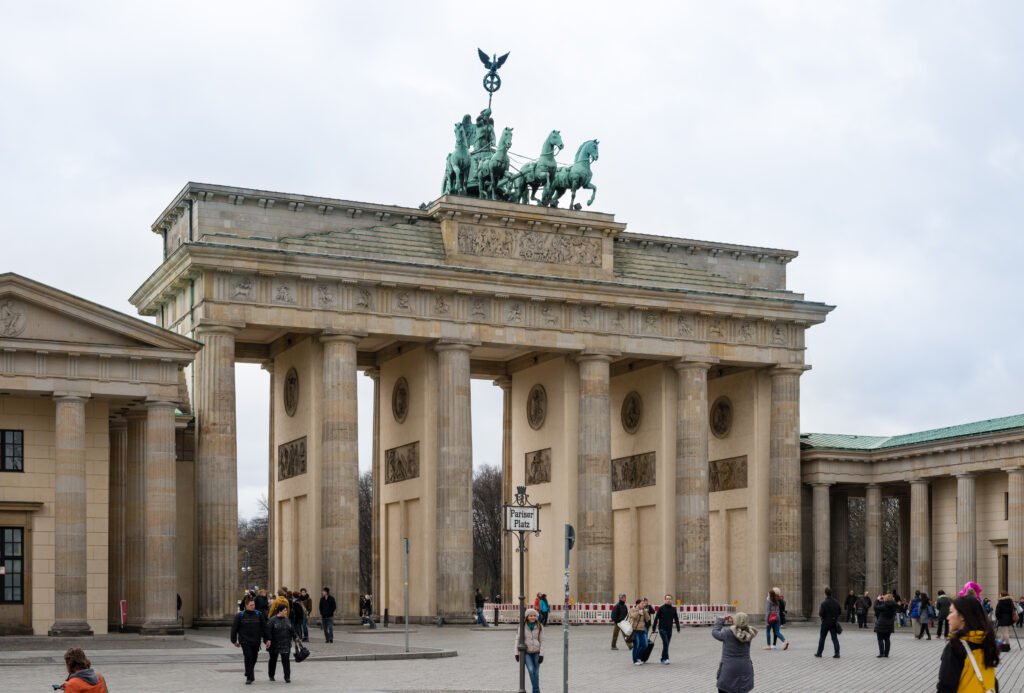
Neoclassical architecture is a style that revived the forms of ancient Greek and Roman architecture, emphasizing symmetry, simple geometric volumes, and flat wall surfaces rather than heavy ornament. It emerged in the mid-eighteenth century as a deliberate reaction against the elaborate curves and dense ornamentation of the Baroque and Rococo styles that preceded it. Palladian
Neoclassical architecture Read More »
A mid-18th-century style reviving ancient Greek and Roman forms, emphasizing symmetry and restraint over Baroque and Rococo ornament.
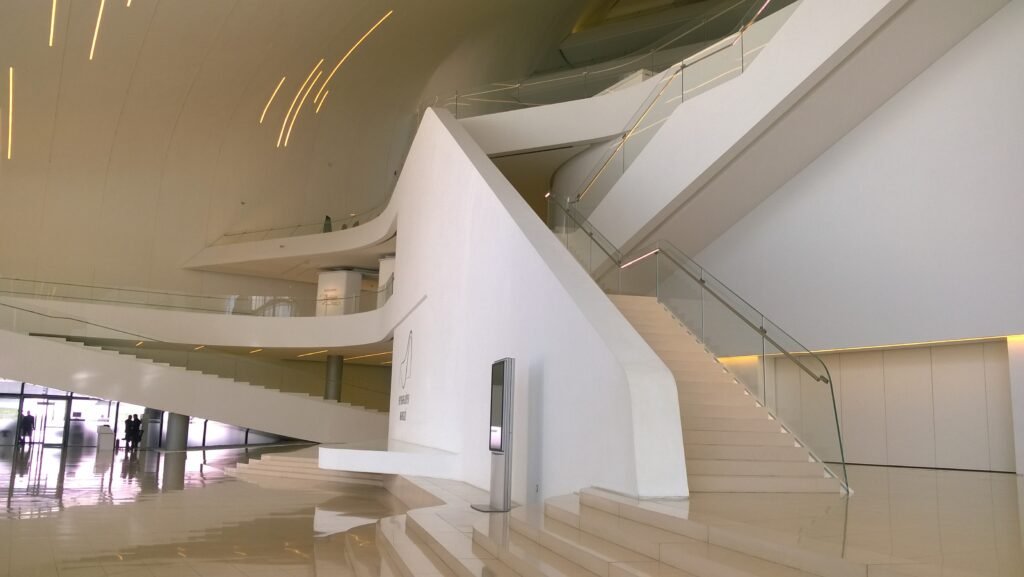
A design approach using algorithms that link variables to geometric outcomes, allowing architects to generate and optimize complex building forms computationally.
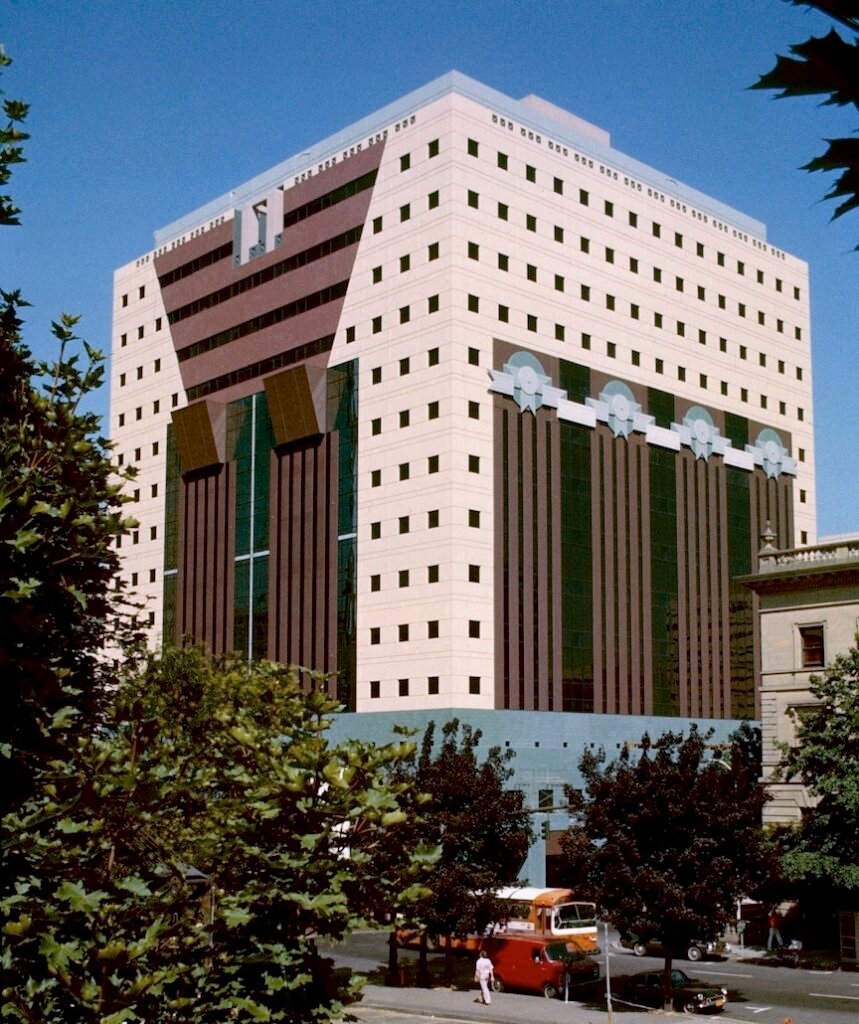
Postmodern architecture is a style and movement that emerged in the 1960s as a direct reaction against modern architecture, especially the austere, ornament-free International Style, reintroducing historical reference, color, humor, and complexity that modernism had deliberately stripped away. It flourished through the 1980s and 1990s before gradually splintering into several successor tendencies by the late
Postmodern architecture Read More »
A 1960s-1990s architectural movement that reintroduced ornament, color, and historical reference as a reaction against modernism.
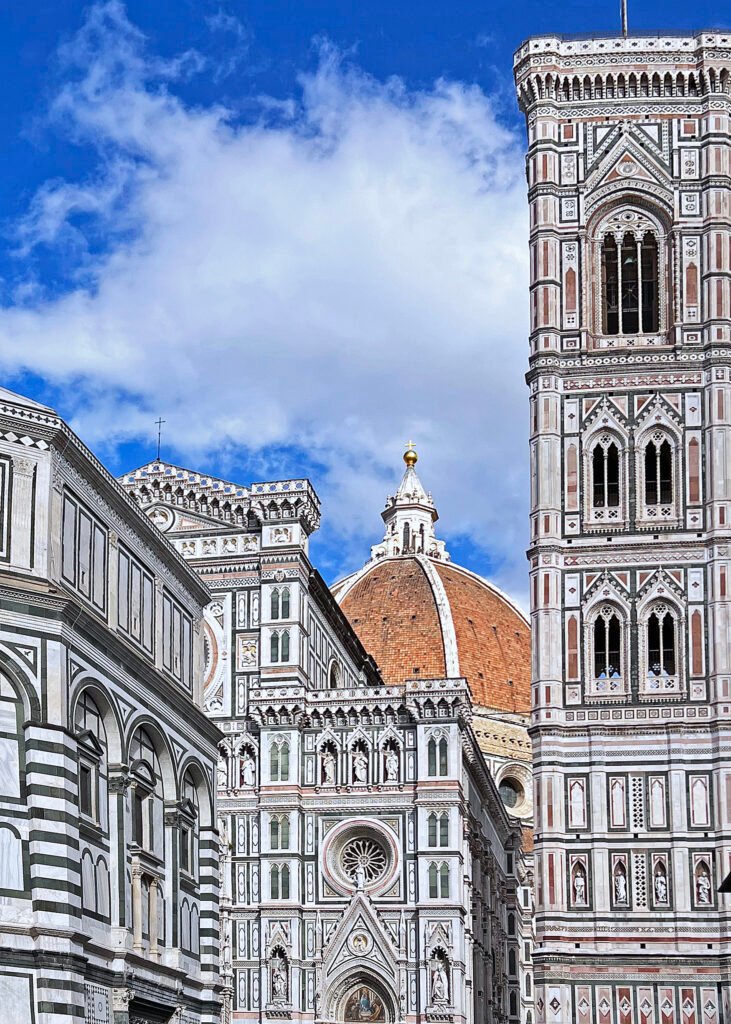
The architectural style that revived classical Greek and Roman principles in fifteenth-century Italy, emphasizing symmetry, proportion, and geometric clarity.
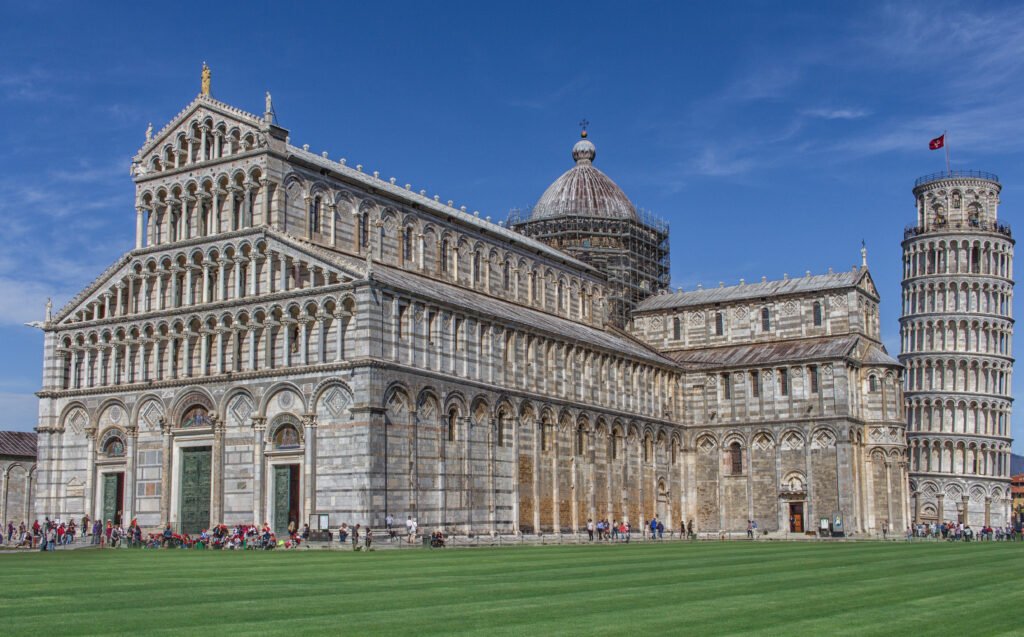
A medieval European architectural style characterized by massive walls, rounded arches, and barrel vaults, producing a fortress-like structural solidity.
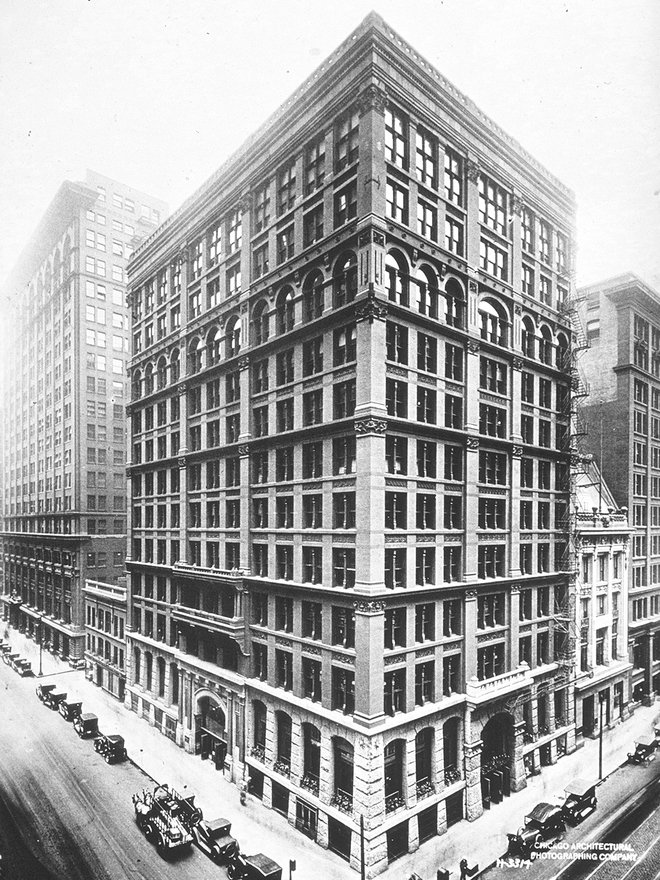
A skyscraper is a very tall, multistory building whose height is made possible by a rigid internal skeleton, usually of steel or reinforced concrete, that bears the structure’s weight, rather than relying on thick, load-bearing masonry walls as earlier tall buildings did. This structural shift, combined with the practical safety elevator, allowed buildings to rise
Skyscraper Read More »
A very tall multistory building supported by a steel or reinforced concrete skeleton frame rather than load-bearing walls.
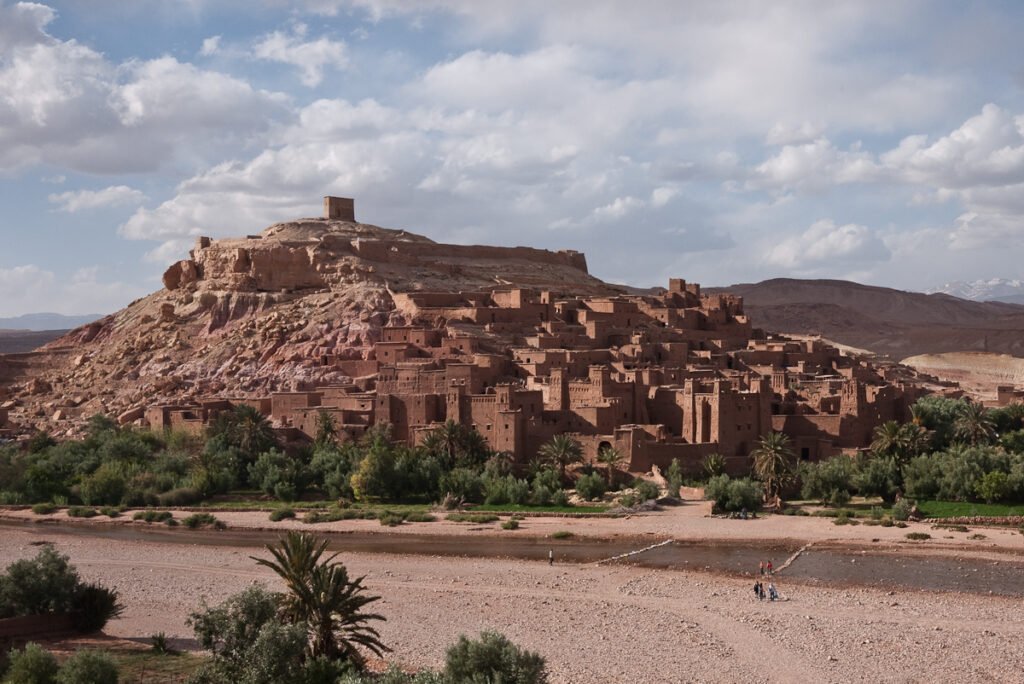
Vernacular architecture refers to the everyday, informally developed buildings of a particular place, shaped over generations by local climate, available materials, customs, and practical knowledge rather than by a professionally trained architect working from an abstract style. It is not a single visual style but a way of building that responds closely to the specific
Vernacular architecture Read More »
Everyday building traditions shaped by local climate, materials and custom rather than by a trained architect's formal style.