A light bulb is a glass enclosure that produces light, and the term usually means the incandescent lamp, in which an electric current heats a thin filament until it glows. Thomas Edison patented a carbon-filament lamp in 1879, but many inventors, including Joseph Swan, worked on the idea before and alongside him. History of the
Light bulb Read More »
A glass enclosure that gives light, usually by heating a filament with electric current; Edison and Swan both produced practical lamps.
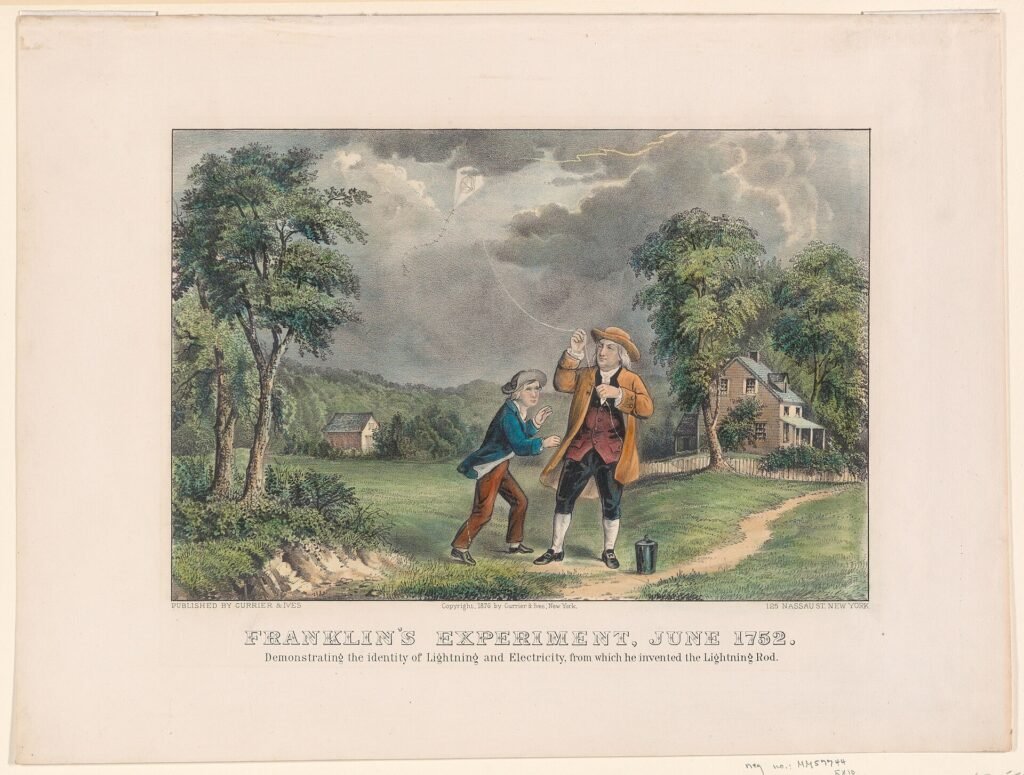
A lightning rod is a metal rod fixed to the top of a structure and joined by a heavy conductor to the ground, so that a lightning strike follows a safe path instead of passing through the building. Benjamin Franklin developed the idea around 1750, and a Czech priest built a similar grounded apparatus in
Lightning rod Read More »
A grounded metal rod on a structure that gives lightning a safe path to the earth, developed by Benjamin Franklin around 1750.
A liquid crystal display (LCD) is a flat-panel display that forms images by controlling how much light passes through a layer of liquid crystals held between sheets of glass and polarizing filters. Liquid crystals are a state of matter between a solid and a liquid, whose molecules flow but stay partly ordered, so an electric
Liquid crystal display Read More »
A flat-panel display that forms images by electrically controlling how much light passes through liquid crystals between polarizing filters.
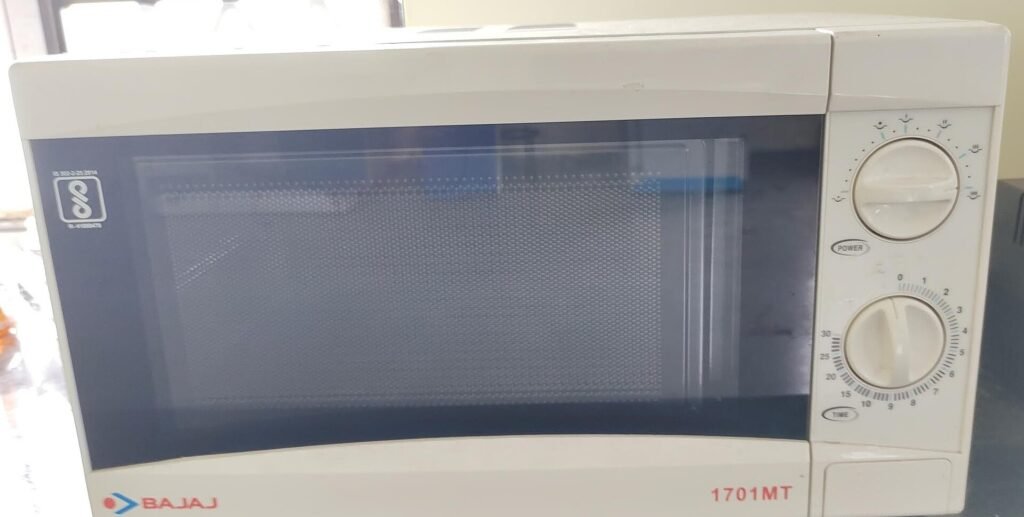
A microwave oven is a kitchen appliance that heats food with microwave radiation, which makes water molecules in the food rotate and produce heat. It grew out of World War II radar research, and the American engineer Percy Spencer is the person most often credited with turning a radar tube into a cooking device. Accounts
Microwave oven Read More »
A microwave oven heats food with microwave radiation from a magnetron, developed from radar research by Percy Spencer at Raytheon.
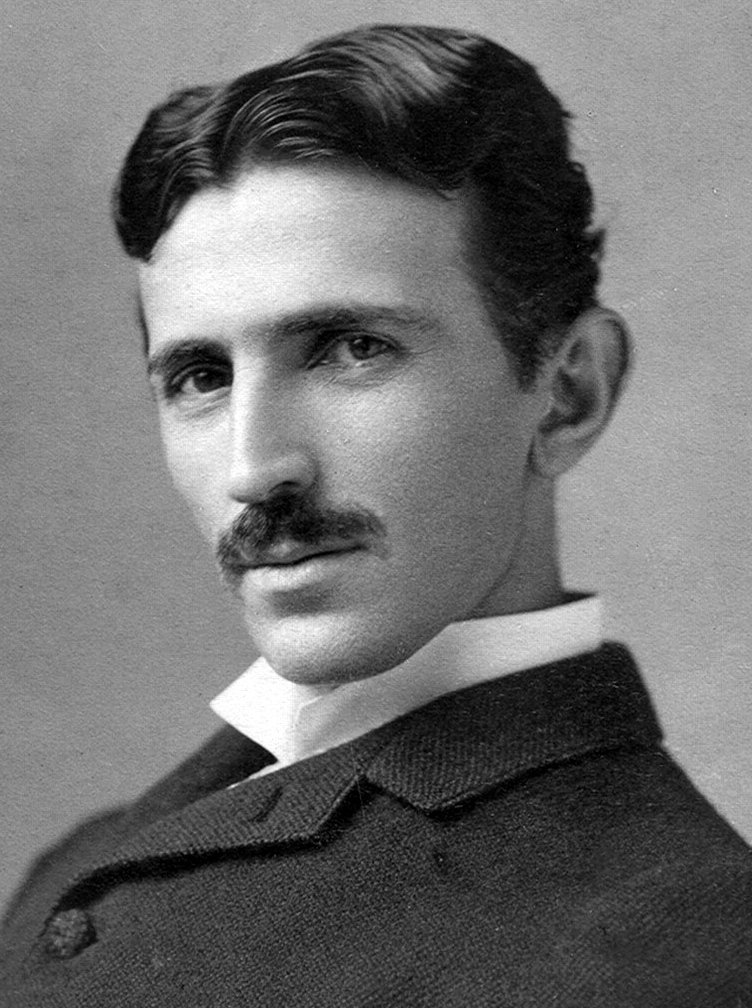
Nikola Tesla (1856 to 1943) was a Serbian-American inventor and electrical engineer best known for the alternating current (AC) induction motor and for polyphase AC power systems. He was born in what is now Croatia, worked in Europe and the United States, and received about 300 patents. His ideas helped make AC the standard way
Nikola Tesla Read More »
Nikola Tesla was a Serbian-American inventor and electrical engineer who developed the alternating current induction motor and polyphase power systems.
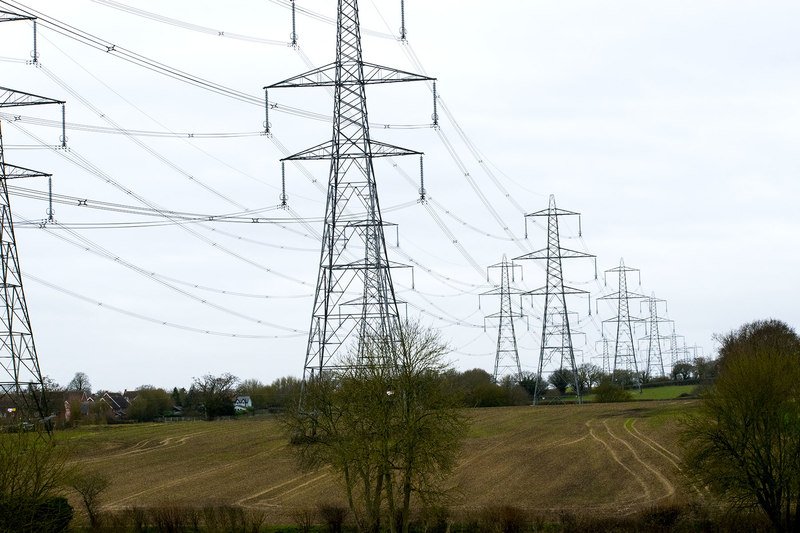
The power grid is the interconnected network of generating stations, transmission lines, substations, and distribution wires that produces electricity and delivers it to homes, businesses, and factories. Grids operate as a continuously balanced system: the amount of electricity generated at any instant must closely match the amount being consumed, since electricity cannot be stored in
Power grid Read More »
The interconnected network of power plants, transmission lines, and distribution wires that generates and delivers electricity.
In simple terms A printed circuit board, or PCB, is a flat board of insulating material with thin copper pathways bonded onto its surface, used to both physically support electronic components and electrically connect them to each other. [1] It replaced the loose, hand-soldered wiring that connected components in early electronic devices. How it works
Printed circuit board Read More »
A printed circuit board is a flat board of insulating material with thin copper pathways etched onto it, used to connect and support electronic components.
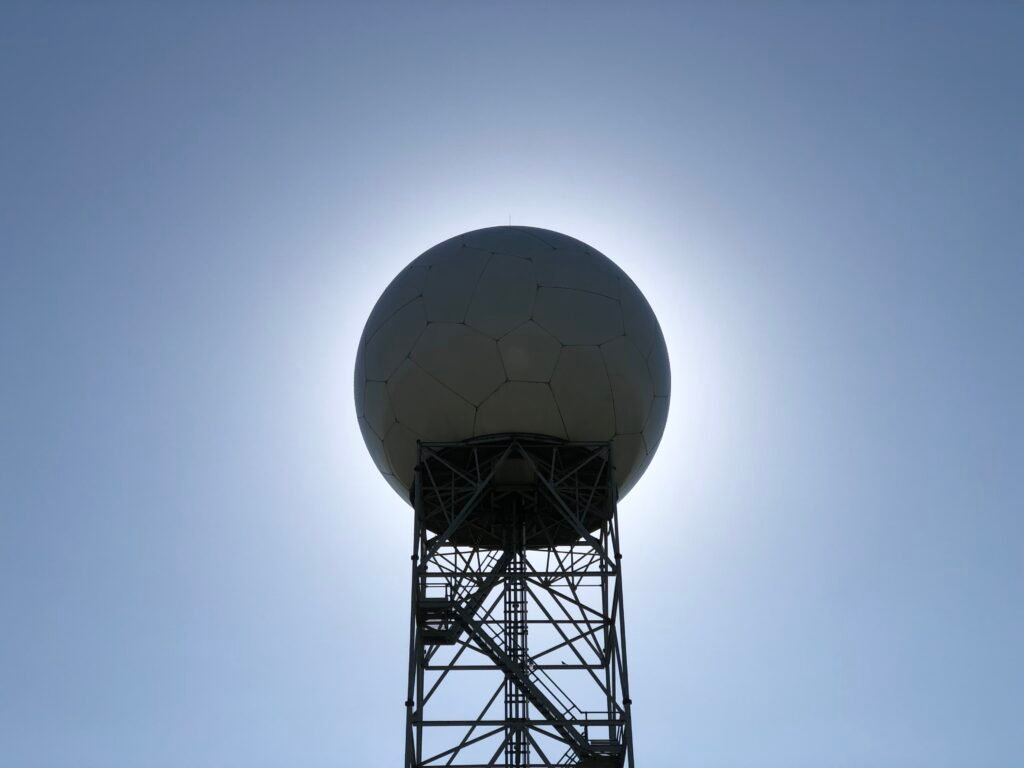
Radar is a technology that uses radio waves to detect objects and measure their distance, direction and, in many systems, speed. The word is an acronym for radio detection and ranging. A radar transmits radio energy, listens for the part that reflects off a target, and works out where the target is from the returning
Radar technology Read More »
Radar uses reflected radio waves to detect objects and measure their distance and speed, working in darkness, cloud and rain.
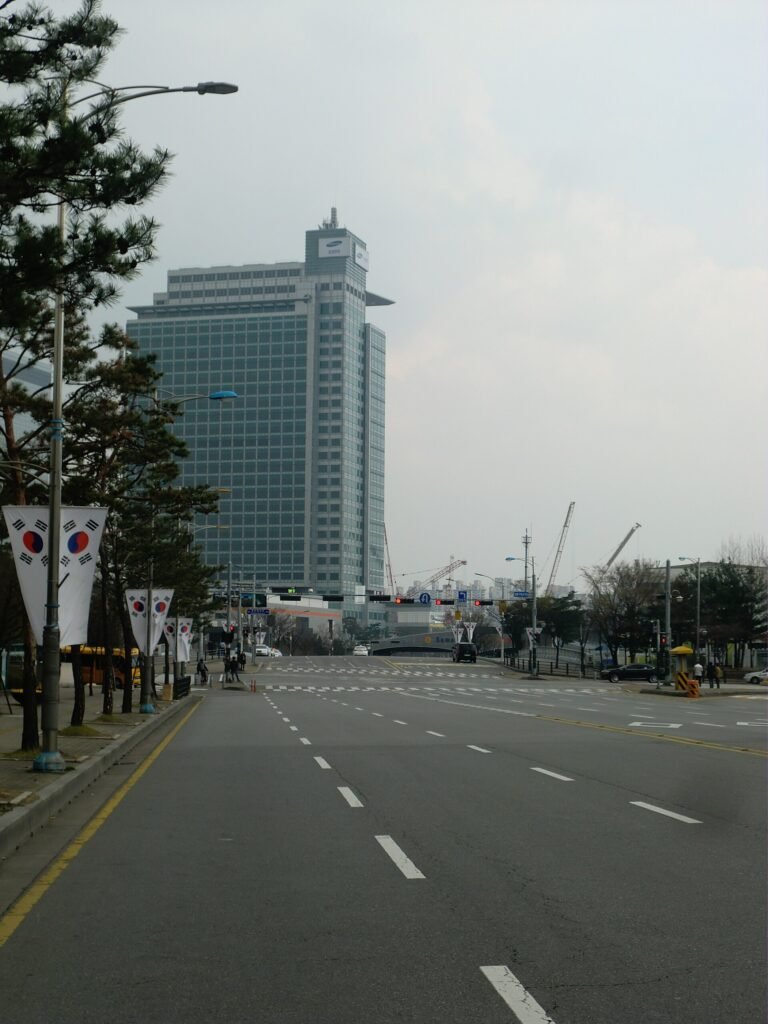
Samsung Electronics is a South Korean electronics and semiconductor company, headquartered in Suwon, that makes memory chips, smartphones, televisions, displays and home appliances. For 2025 it reported annual consolidated revenue of 333.6 trillion Korean won and operating profit of 43.6 trillion won, according to its own results announcement. It is the main subsidiary of the
Samsung Electronics Read More »
A South Korean electronics company in Suwon that makes memory chips, smartphones, displays, televisions and appliances.
In simple terms A semiconductor is a material whose ability to conduct electricity falls between that of a true conductor, like copper, and an insulator, like glass, and crucially, can be controlled. [1] Silicon is by far the most common semiconductor material used in electronics. How it works Pure silicon is a fairly poor conductor
Semiconductor Read More »
A semiconductor is a material, most often silicon, whose ability to conduct electricity can be precisely controlled, which makes it the basis of modern electronic devices.