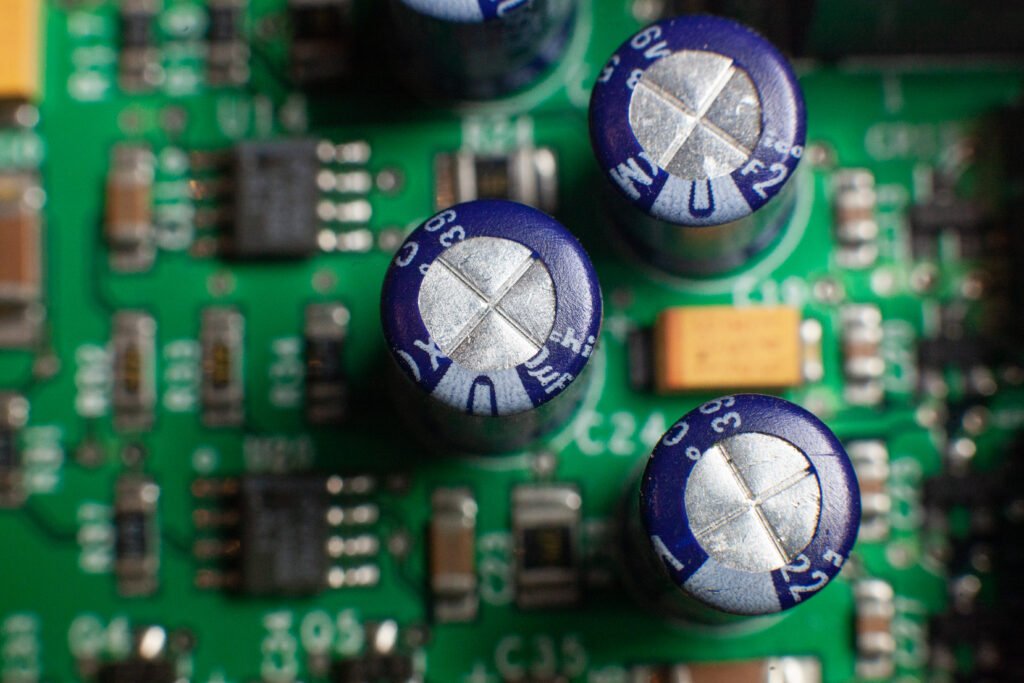
A capacitor is an electronic component that stores electrical energy in an electric field created between two conductive plates separated by an insulating material called a dielectric. Capacitors are among the most common components in electronic circuits, used to smooth out voltage fluctuations, store energy for quick release, filter unwanted signal frequencies, and time circuit
Capacitor Read More »
An electronic component that stores electrical energy in an electric field between two conductive plates separated by an insulator.
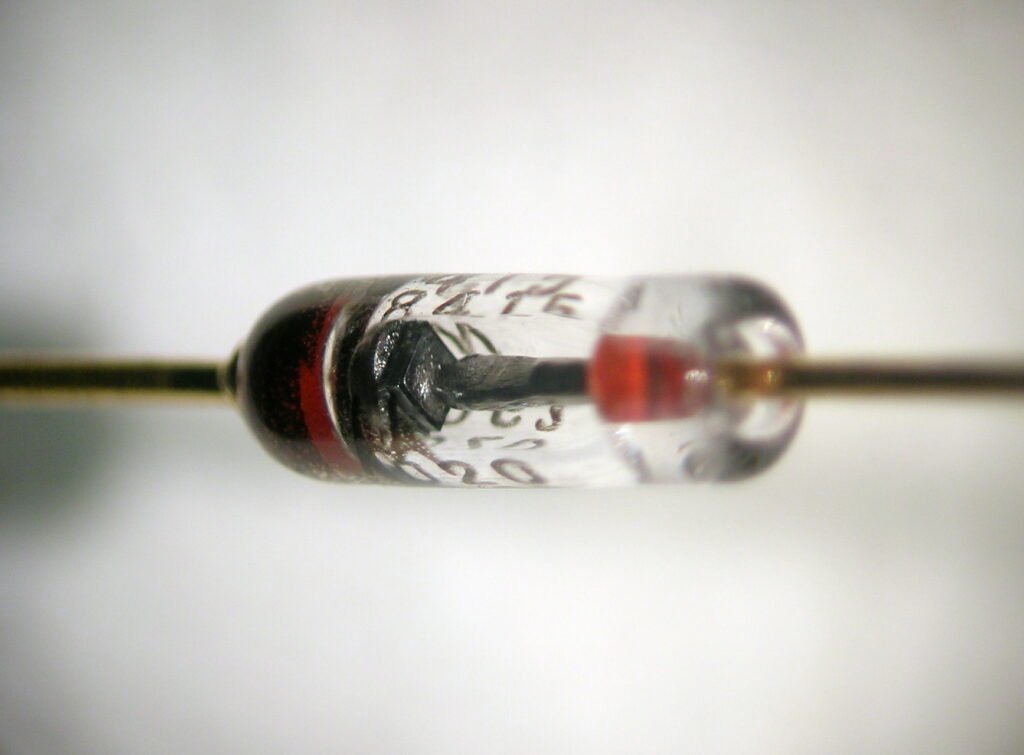
A diode is an electronic component that allows electric current to flow easily in one direction while blocking or strongly resisting flow in the opposite direction. This one-way behavior makes diodes essential for converting alternating current to direct current, protecting circuits from reversed voltage, and performing countless signal-processing tasks, making them one of the most
Diode Read More »
An electronic component that allows current to flow easily in one direction while blocking flow in the opposite direction.
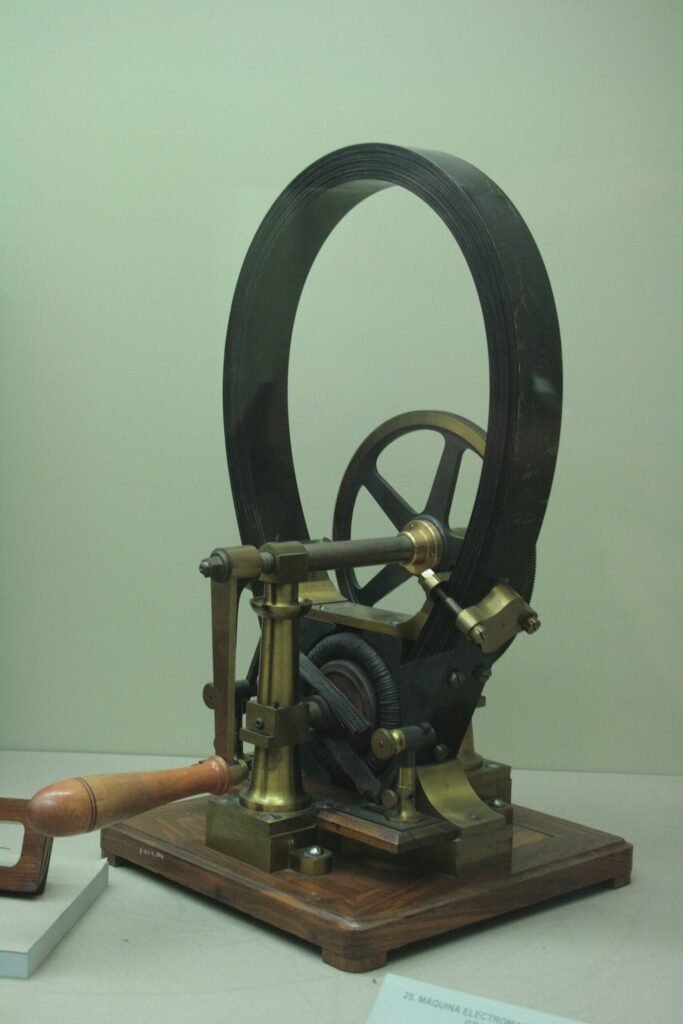
An electric generator is a machine that converts mechanical energy into electrical energy. Most electricity is made by generators based on electromagnetic induction, which Michael Faraday discovered in 1831, and the first practical dynamos followed in 1832 and 1871. History of the electric generator On August 29, 1831, Michael Faraday carried out what the Linda
Electric generator Read More »
A machine that turns motion into electricity by electromagnetic induction, first shown by Michael Faraday in 1831.
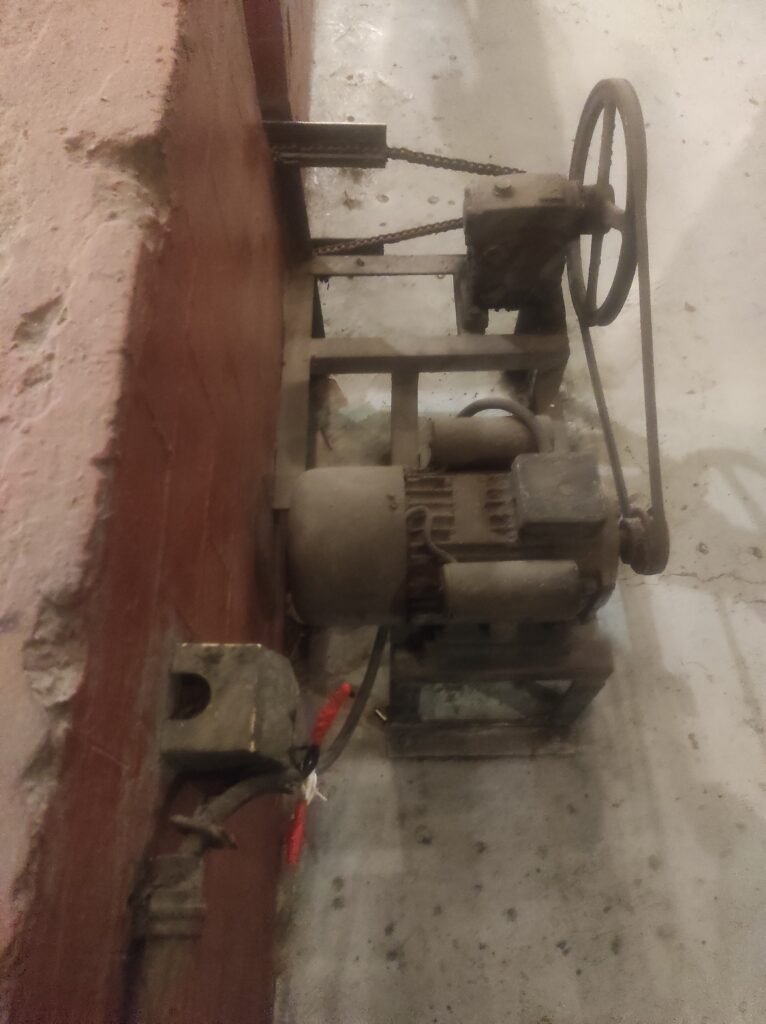
An electric motor is a machine that converts electrical energy into mechanical motion, typically rotation, using the interaction between magnetic fields and electric current. Electric motors power an enormous range of devices, from small motors in phones and hard drives to industrial motors driving pumps and conveyor belts to the large traction motors that propel
Electric motor Read More »
A machine that converts electrical energy into mechanical rotation using magnetic fields and electric current.
General Electric was an American industrial conglomerate formed in 1892 by the merger of Edison General Electric and Thomson-Houston, and its direct successor today is GE Aerospace, a maker of aircraft engines. After breaking into three companies between 2023 and 2024, the business reported 2025 revenue of $45.9 billion and about 57,000 employees as GE
General Electric Read More »
General Electric was an American industrial conglomerate formed in 1892 whose direct successor is the aircraft engine maker GE Aerospace.
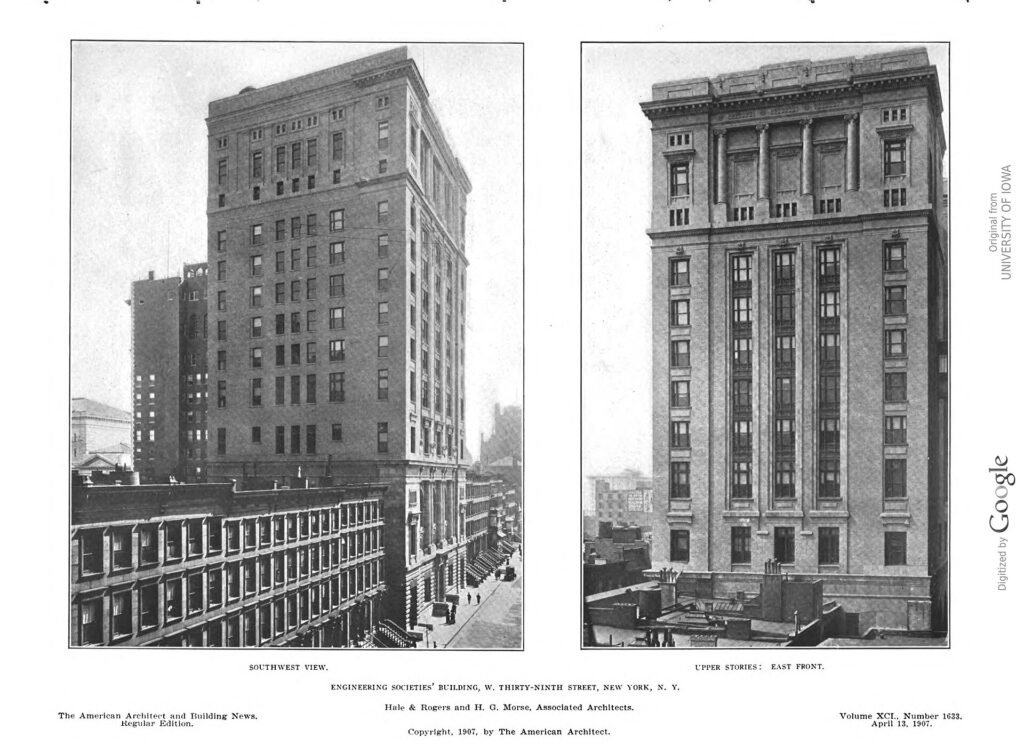
The Institute of Electrical and Electronics Engineers (IEEE) is a professional association of engineers and scientists working in electrical engineering, electronics, computing and related fields. It was formed on 1 January 1963 by the merger of the American Institute of Electrical Engineers, founded in 1884, and the Institute of Radio Engineers, founded in 1912. History
IEEE Read More »
A professional association of engineers and scientists formed in 1963 from the AIEE and the IRE, known for standards such as Ethernet and Wi-Fi.
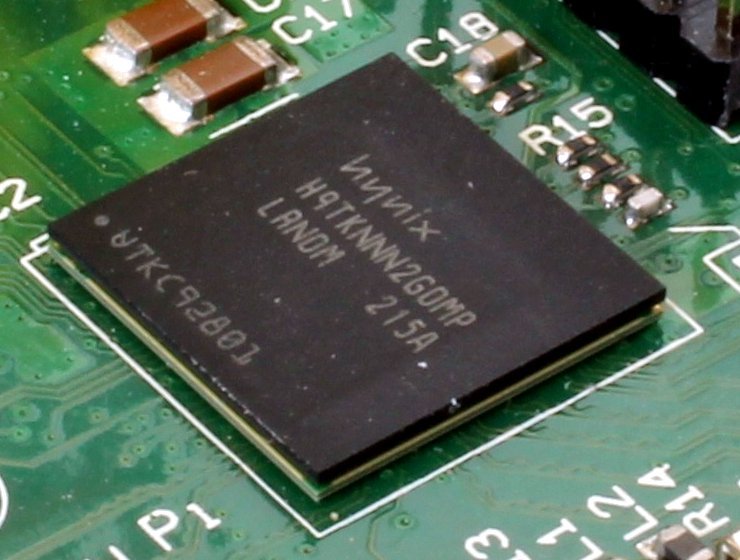
An integrated circuit, often called a chip or microchip, is an electronic circuit built on a single small piece of semiconductor material, usually silicon, that contains many interconnected components such as transistors, resistors, and capacitors. Integrated circuits are the foundation of nearly all modern electronics, from the processors inside computers and phones to the simple
Integrated circuit Read More »
An electronic circuit built on a single piece of semiconductor material, containing many interconnected transistors and other components.
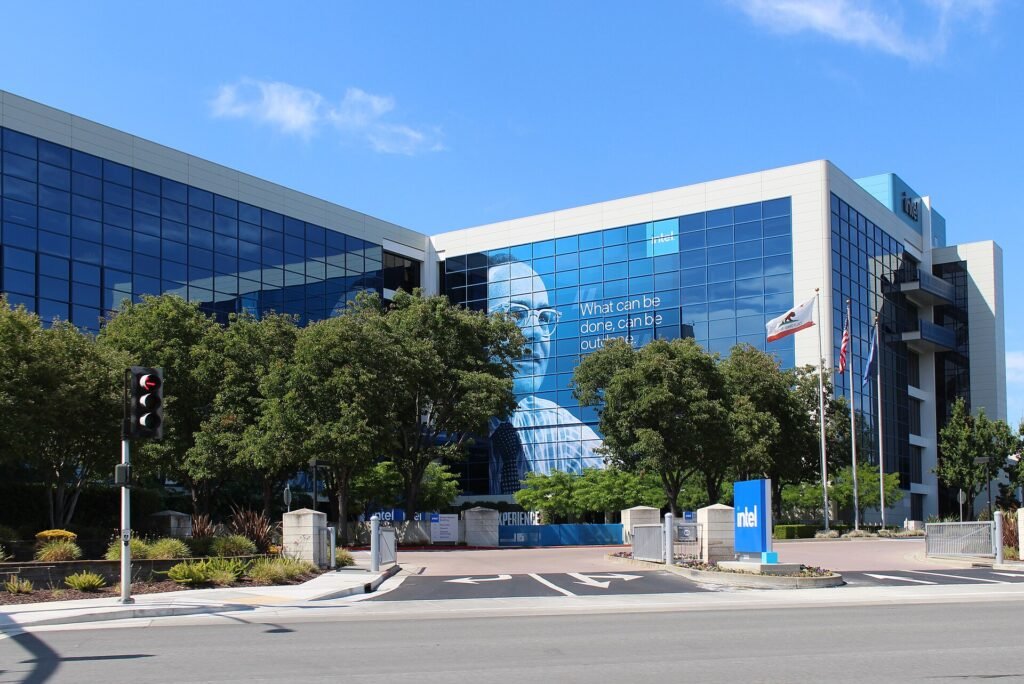
Intel Corporation is an American semiconductor company based in Santa Clara, California, that designs and manufactures microprocessors and related chips for personal computers, data centers and other devices. It reported net revenue of $52.9 billion for fiscal 2025, which ended on December 27, 2025, according to its annual report filed with the U.S. Securities and
Intel Read More »
An American semiconductor company in Santa Clara that designs and makes microprocessors and offers chip foundry services.
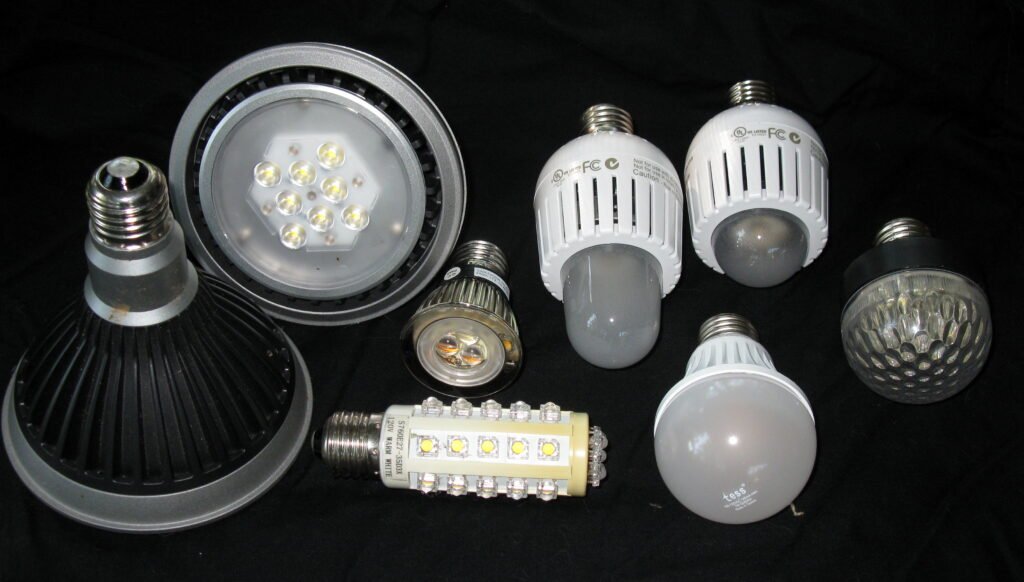
LED lighting is electric lighting that uses light-emitting diodes (LEDs), semiconductor devices that give off light when current passes through them. A diode is a component that lets current flow mainly in one direction. LED lamps convert more of their electricity into visible light than incandescent bulbs or fluorescent tubes do, and they last much
LED lighting Read More »
Electric lighting that uses light-emitting diodes, semiconductor devices that turn current into light more efficiently and with a longer life than older lamps.
LiDAR, short for light detection and ranging, is a remote sensing technology that measures distance by firing laser pulses at a surface and timing how long the reflected light takes to return. Repeated millions of times, those measurements build a detailed three-dimensional record of terrain, vegetation, buildings and water. History of LiDAR LiDAR rests on
LiDAR Read More »
LiDAR is a remote sensing method that times laser pulses reflected from surfaces to measure distance and build precise three-dimensional maps.