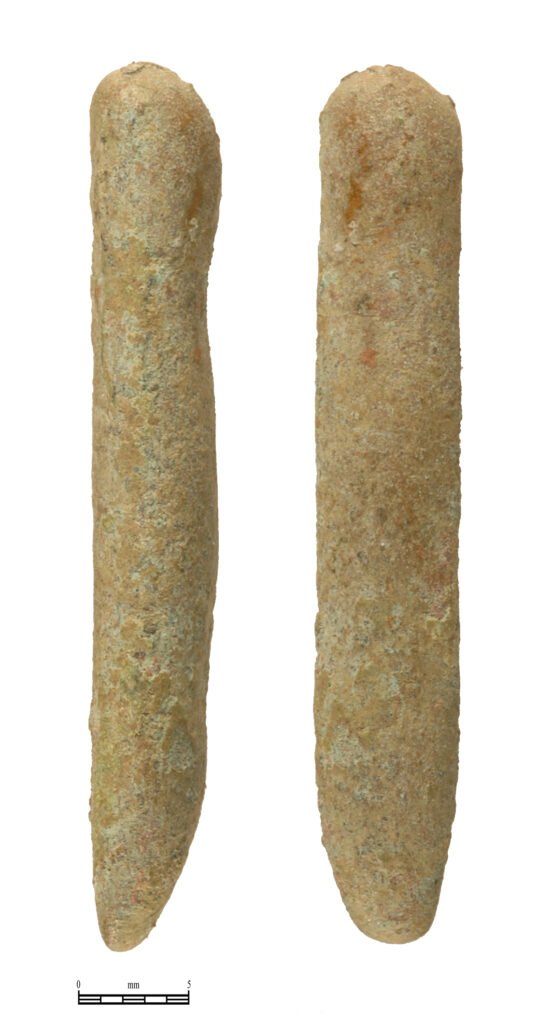
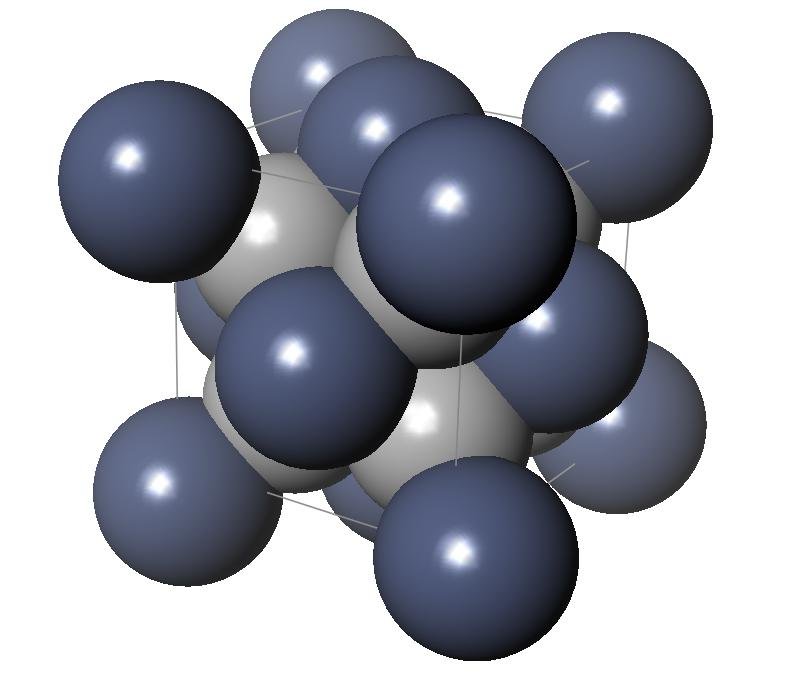
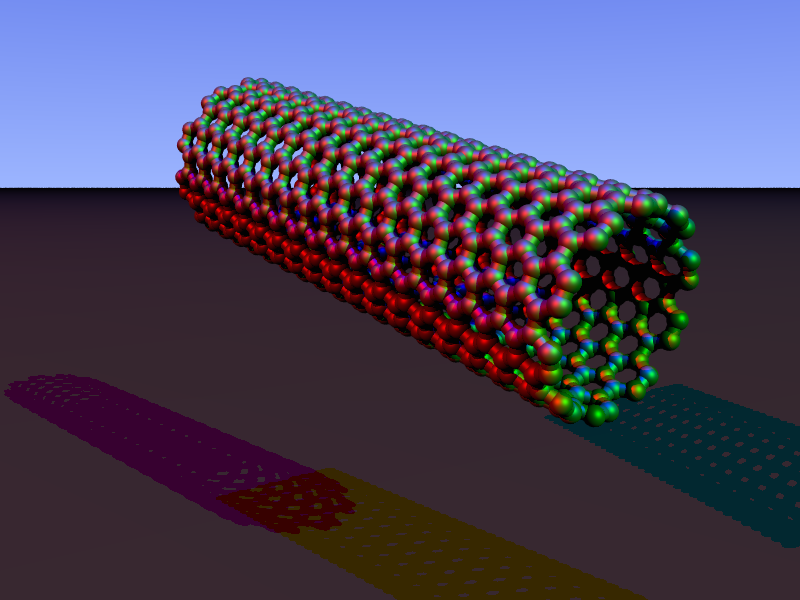
An alloy is a material made by combining a metal with one or more other elements, usually other metals or carbon, to produce a substance with properties different from any of its individual ingredients. Engineers and metallurgists create alloys because pure metals often lack the strength, hardness, corrosion resistance, or other qualities needed for a
Alloy Read More »
A material made by combining a metal with one or more other elements to produce properties different from the original ingredients.
Bakelite is a hard, heat-resistant plastic made from phenol and formaldehyde, and it was the first fully synthetic plastic. The Belgian-born chemist Leo Baekeland developed it in 1907, and it went on to appear in telephones, radios, car parts and many other everyday goods. History of Bakelite Leo Hendrik Baekeland was born in 1863 and
Bakelite plastic Read More »
The first fully synthetic plastic, a hard, infusible material made from phenol and formaldehyde and developed by Leo Baekeland in 1907.
The Bessemer process is an industrial method of turning molten pig iron into steel by blowing air through it. Patented by the English inventor Henry Bessemer in 1855, it was the first inexpensive way to make steel in large quantities. History of the Bessemer process Before the process existed, only cast iron and wrought iron
Bessemer process Read More »
An industrial method that makes steel from molten pig iron by blowing air through it, patented by Henry Bessemer in 1855.
Ceramic is a broad category of hard, brittle, heat-resistant materials made by shaping inorganic, non-metallic compounds, most often containing clay, silicates, or oxides, and then hardening them through firing at high temperature. Ceramics include ancient materials such as fired pottery and brick as well as advanced modern materials engineered for extreme environments, such as the
Ceramic Read More »
A hard, heat-resistant, non-metallic material made by shaping and firing inorganic compounds such as clay, silicates, or oxides.
In simple terms A composite material is made by combining two or more distinct materials so that the resulting material performs better than either one would alone, while the original materials remain physically separate within it rather than dissolving into a new substance. [1] How it works Most composites pair a matrix material, which holds
Composite material Read More »
A composite material is made of two or more distinct materials combined so that the result performs better than either material would alone.
Corrosion is the gradual deterioration of a material, most commonly a metal, through chemical reaction with its surrounding environment, typically oxygen and moisture, that weakens the material over time. The most familiar form, rust on iron and steel, costs economies enormous sums annually in repair, replacement, and prevention, making corrosion control a major and continuing
Corrosion Read More »
The gradual deterioration of a material, most commonly metal, through chemical reaction with its surrounding environment.
Crystal structure refers to the specific, repeating three-dimensional arrangement of atoms, ions, or molecules within a crystalline solid, which repeats at regular intervals in every direction to form what materials scientists call a lattice. This underlying atomic geometry, rather than a material’s chemical composition alone, is often the single biggest factor determining properties such as
Crystal structure Read More »
The repeating three-dimensional arrangement of atoms in a crystalline solid that determines its properties.
Glass is an amorphous solid, most commonly made by melting silica sand together with soda ash and limestone at high temperature and then cooling the mixture quickly enough that its atoms never arrange into the regular, repeating lattice of a true crystal. This disordered atomic structure is what gives glass its defining combination of properties:
Glass Read More »
An amorphous solid made by rapidly cooling molten silica so it never crystallizes.
A nanomaterial is a material engineered to have at least one dimension measuring between roughly one and one hundred nanometers, a scale so small that a single nanometer is about one-billionth of a meter, or roughly the width of a few atoms placed side by side. At this scale, materials often display physical, chemical, and
Nanomaterial Read More »
A material engineered to have at least one dimension between roughly one and one hundred nanometers, giving it properties distinct from its bulk form.
Nanotechnology is the understanding, manipulation and control of matter at the nanoscale, at sizes of about 1 to 100 nanometers, to produce new structures, materials and devices. A nanometer is one billionth of a meter, a scale at which a material can behave differently from the same material in bulk. The U.S. National Science Foundation
Nanotechnology Read More »
The science and engineering of controlling matter at about 1 to 100 nanometers to create new materials, structures and devices.