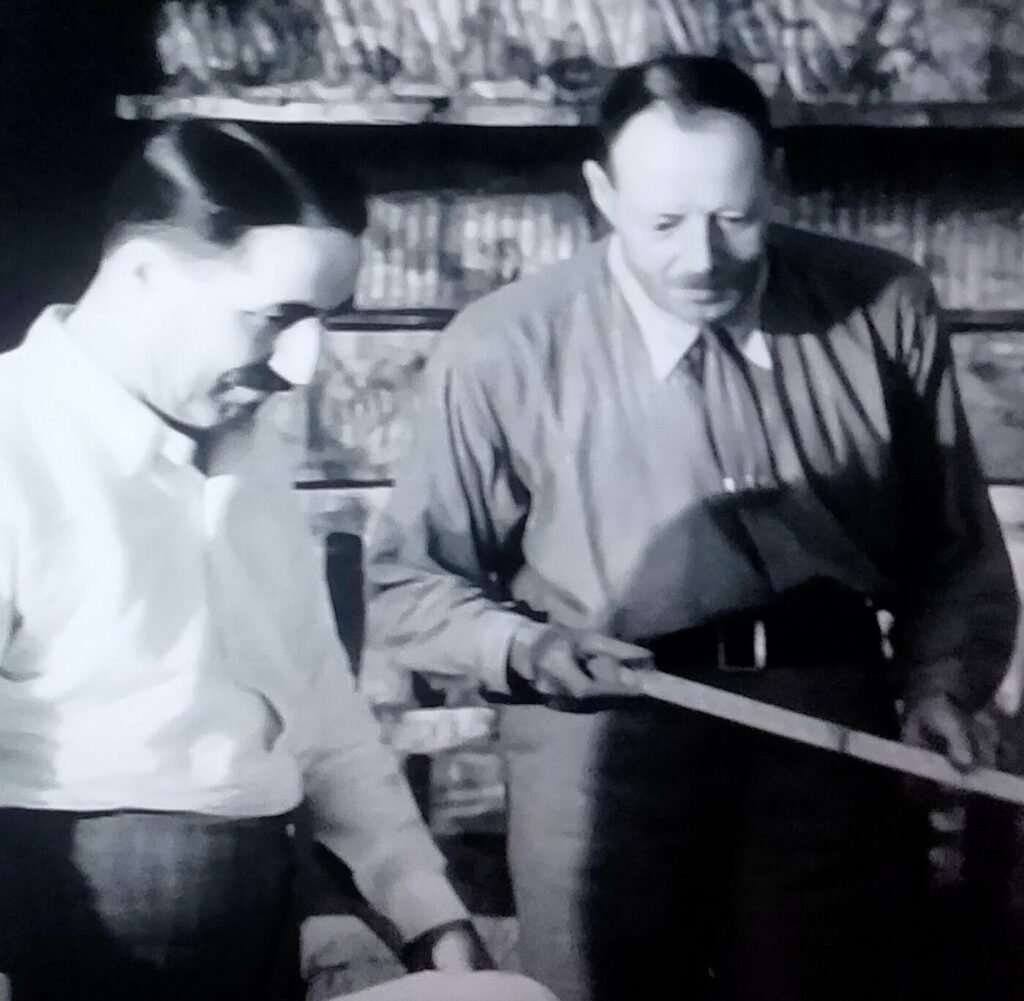
The discovery of Tutankhamun’s tomb was the finding of the nearly intact burial of the pharaoh Tutankhamun in the Valley of the Kings, near Luxor in Egypt, by the British archaeologist Howard Carter. Workers uncovered the first step of the tomb’s staircase on November 4, 1922. The tomb, known to Egyptologists as KV62, held more
Discovery of Tutankhamun’s tomb Read More »
The 1922 finding by Howard Carter of the nearly intact tomb of the pharaoh Tutankhamun in Egypt's Valley of the Kings.
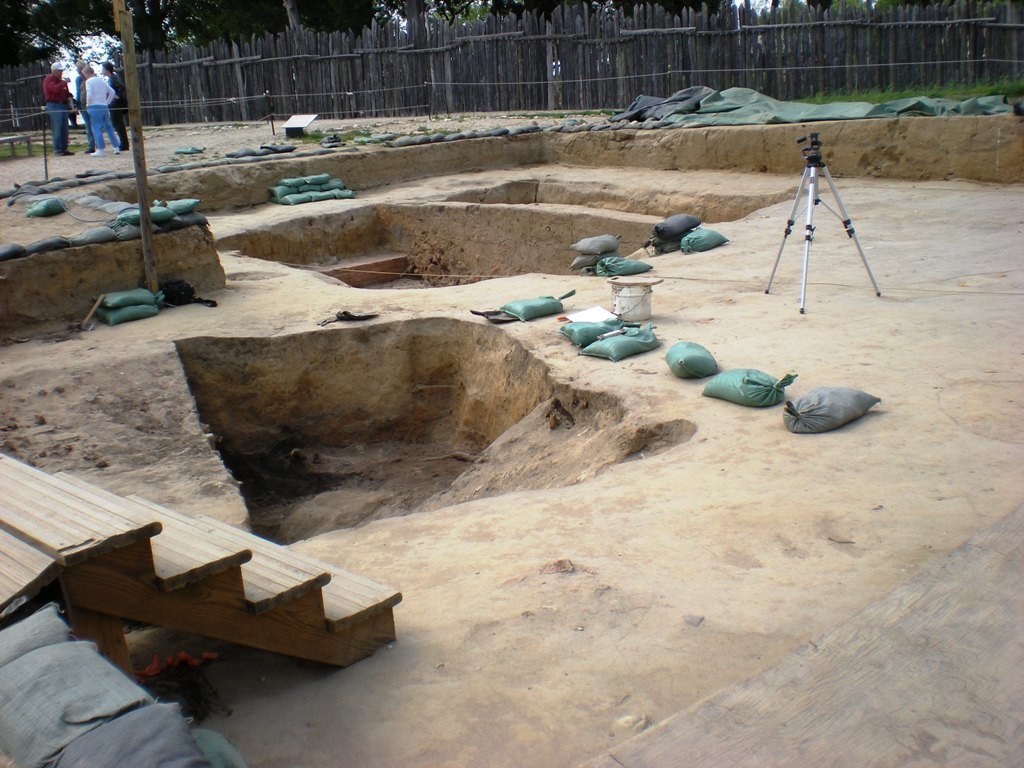
Excavation is the systematic digging and recording of an archaeological site to recover and document the remains buried within it. Unlike simply digging a hole to find objects, excavation treats the physical act of removing soil as a form of data collection in itself: every layer, every find, and every spatial relationship is measured and
Excavation Read More »
The systematic digging and recording of an archaeological site to recover and document buried remains.
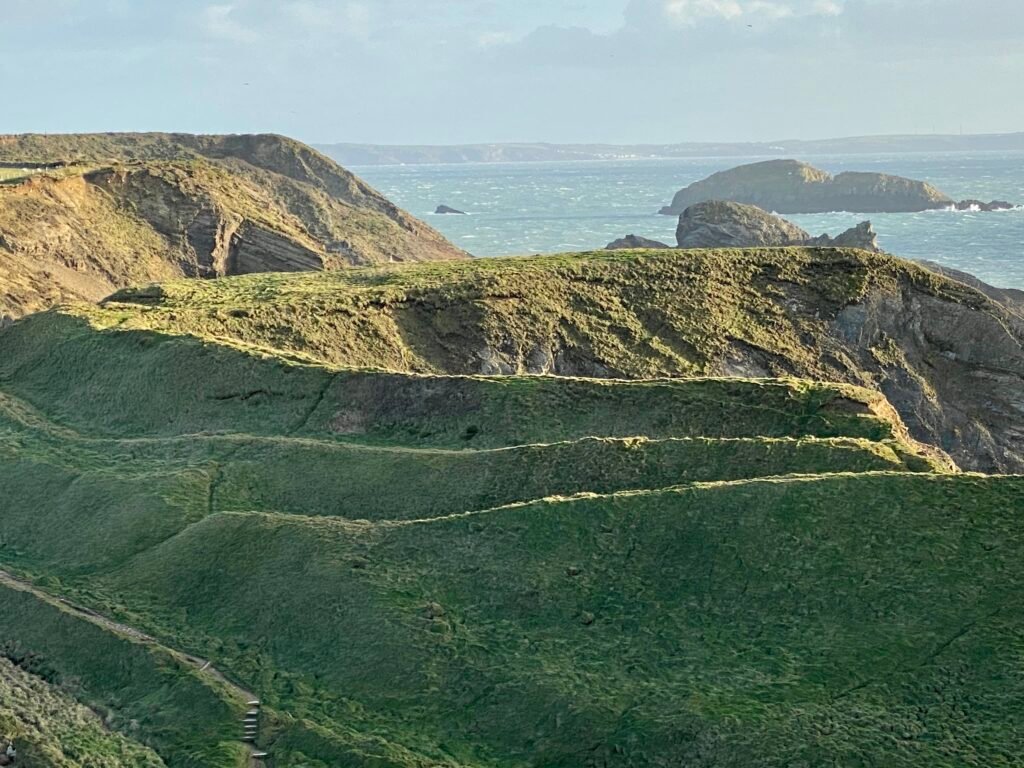
The Iron Age is the archaeological period marked by the widespread adoption of iron for tools, weapons, and other implements, following the Bronze Age and, in regions with earlier metalworking, the Stone Age before it. Iron ore is far more abundant in the earth’s crust than the copper and tin needed for bronze, and once
Iron Age Read More »
The archaeological period marked by the widespread adoption of iron for tools and weapons, following the Bronze Age.
In simple terms Radiocarbon dating estimates how long ago something that was once alive stopped taking in carbon. Living plants and animals absorb carbon that includes a trace of carbon-14, a radioactive form of the element. When the organism dies the intake stops, the carbon-14 decays at a fixed rate, and the amount left behind
Radiocarbon dating Read More »
Radiocarbon dating estimates the age of once-living material by measuring how much of its radioactive carbon-14 has decayed.
The Rosetta Stone is a broken slab of dark granodiorite carved in 196 BC with a single decree repeated in three scripts: Egyptian hieroglyphs, Demotic and ancient Greek. French soldiers found it in Egypt in 1799. Scholars could already read the Greek, so the stone gave them a way to work out the two Egyptian
Rosetta Stone Read More »
A granodiorite slab carved in 196 BC with one decree in hieroglyphic, Demotic and Greek, which became the key to reading ancient Egyptian writing.
Stratigraphy is the study and interpretation of the layered sequence of deposits, or strata, that accumulate at an archaeological site over time. By carefully recording which layers lie above, below, and beside one another, archaeologists establish a relative chronology for a site, determining which deposits and the objects within them are older or younger than
Stratigraphy Read More »
The study of layered archaeological deposits used to establish the relative order in which they were formed.
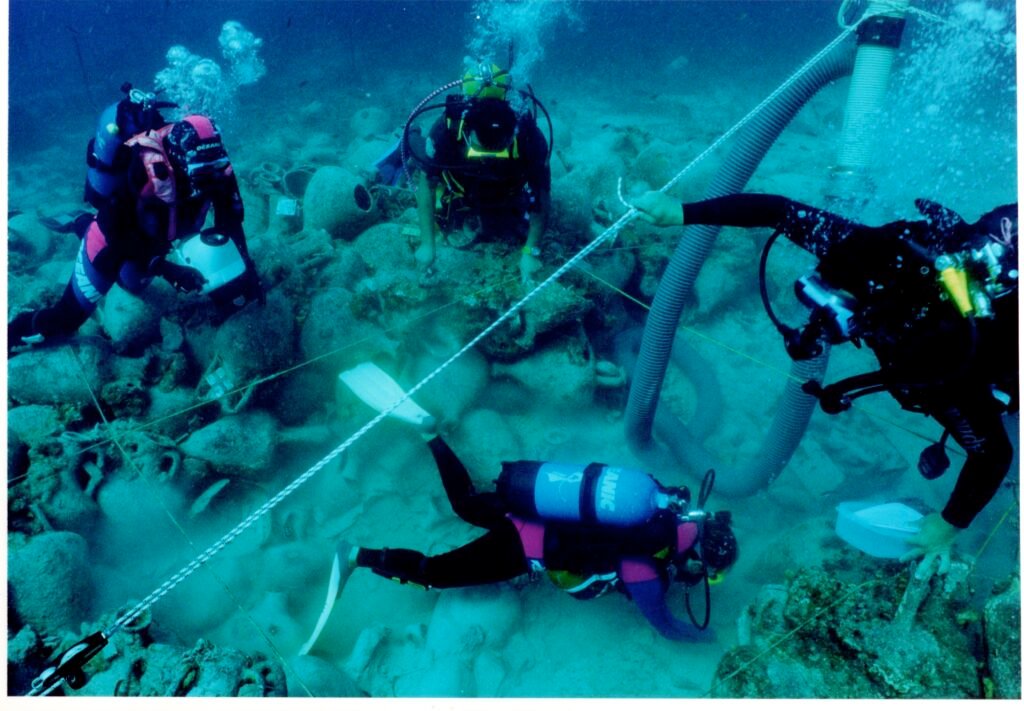
Underwater archaeology is the branch of archaeology devoted to the study of human activity through physical remains preserved underwater, including shipwrecks, submerged settlements, sunken ports, and artifacts lost or deliberately placed in rivers, lakes, and seas. It applies the same basic principles as archaeology on land, such as careful recording of context and stratigraphy, but
Underwater Archaeology Read More »
The branch of archaeology devoted to studying human activity through physical remains preserved underwater, including shipwrecks and submerged settlements.