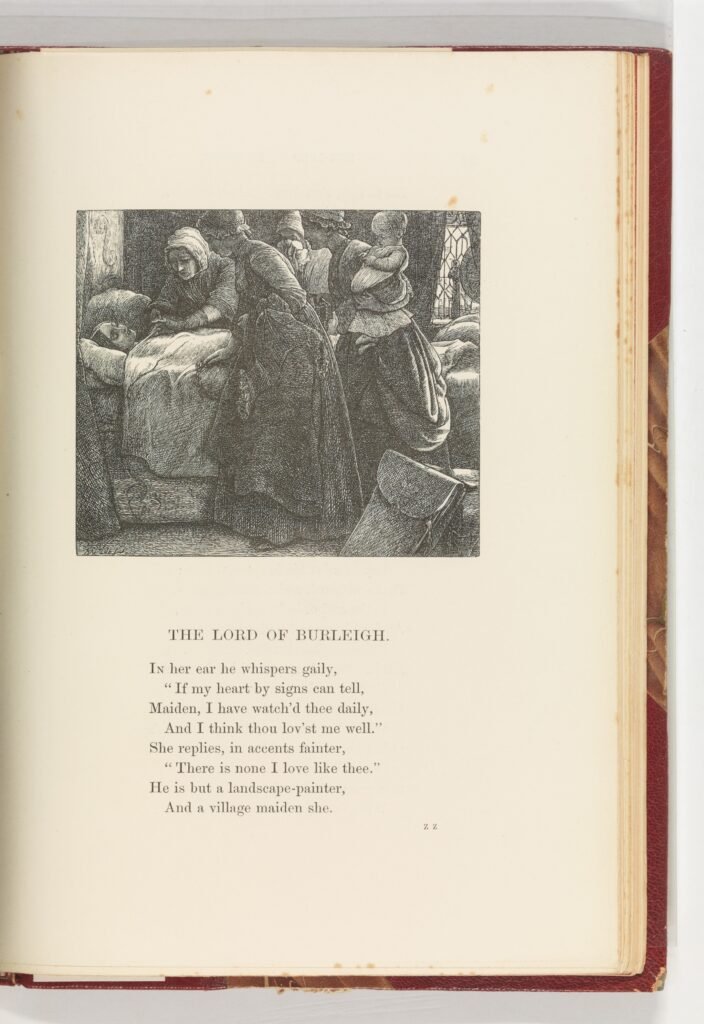
Poetry is a literary form that uses rhythm, sound, imagery, and condensed or heightened language to evoke meaning and emotion, often with greater intensity or compression than ordinary prose. Rather than simply conveying information in a straightforward sequence, poetry typically draws attention to the texture of language itself, through devices like meter, rhyme, line breaks,
Poetry Read More »
A literary form using rhythm, sound, imagery, and condensed language to evoke meaning and emotion.
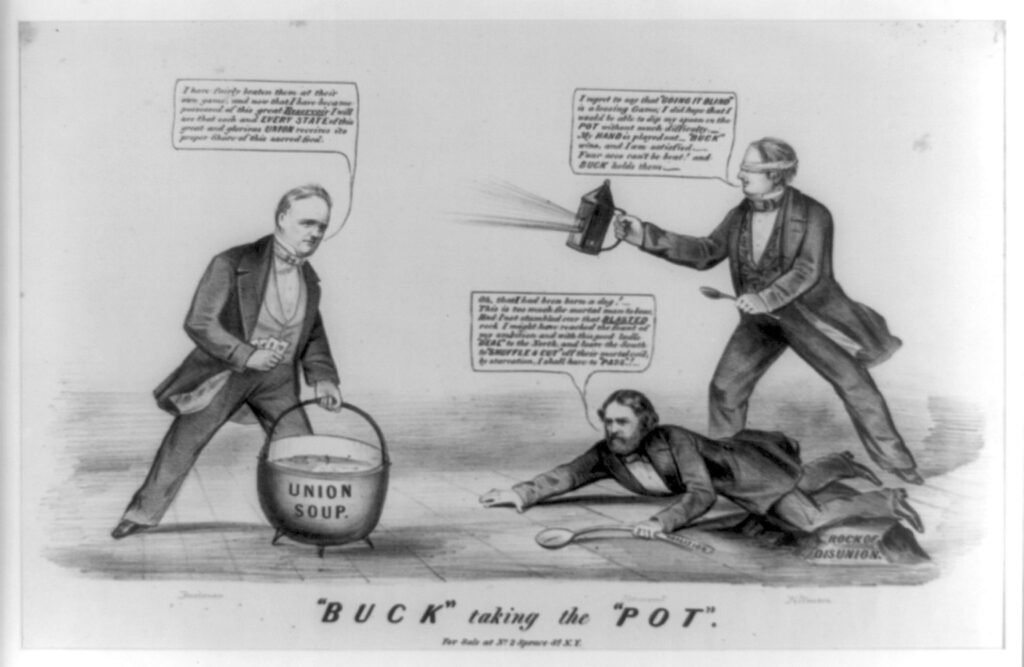
Satire is a literary mode that uses humor, irony, exaggeration, or ridicule to criticize and expose the foolishness, vice, or corruption of individuals, institutions, or society at large, typically with the underlying aim of provoking reform or at least sharpening the audience’s awareness of a problem rather than simply entertaining for its own sake. Satire
Satire Read More »
A literary mode that uses humor, irony, and exaggeration to criticize and expose the foolishness or corruption of individuals, institutions, or society.
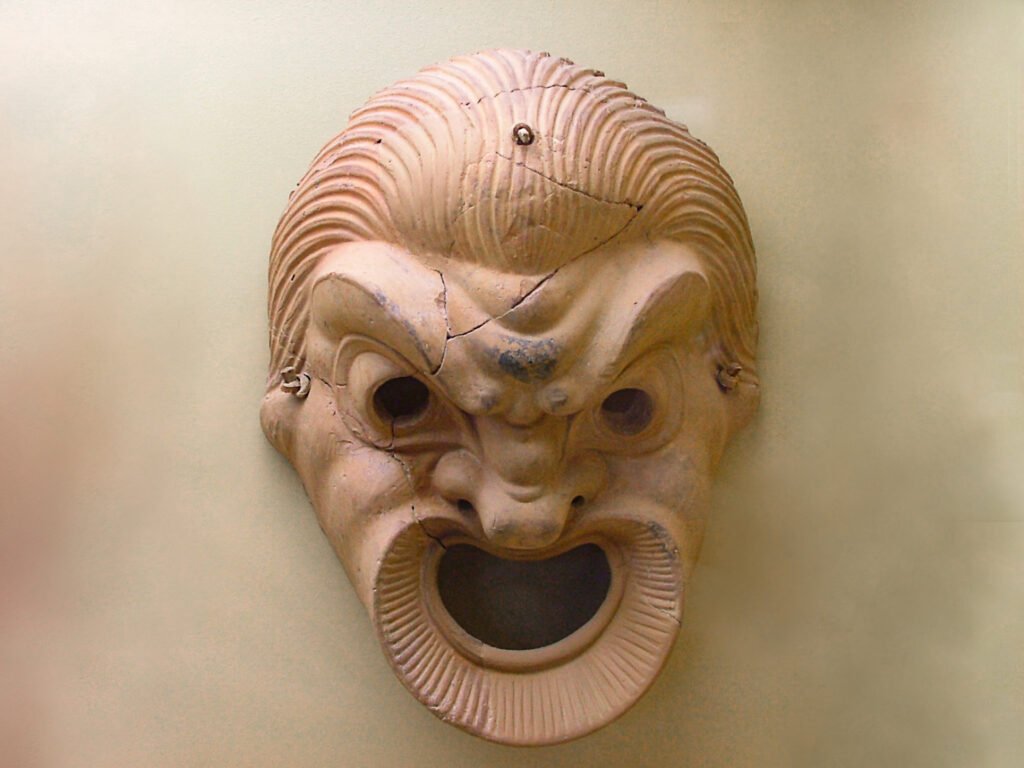
Tragedy is a genre of drama, and by extension a broader literary mode, that depicts the serious downfall of a central character, traditionally a person of high status, through a combination of personal failing, circumstance, and forces beyond their full control, producing an outcome that is sorrowful but also meant to provoke deep reflection in
Tragedy Read More »
A genre of drama depicting the serious downfall of a central character through a mix of personal failing and circumstance, meant to provoke deep reflection.
William Shakespeare (baptized April 26, 1564; died April 23, 1616) was an English playwright, poet and actor, widely regarded as the greatest writer in the English language. Working in London during the late Elizabethan and early Jacobean years, he wrote comedies, histories, tragedies and poems, and he was also a shareholder in a leading acting
William Shakespeare Read More »
English playwright, poet and actor of the late 1500s and early 1600s, author of Hamlet, Macbeth and The Tempest.