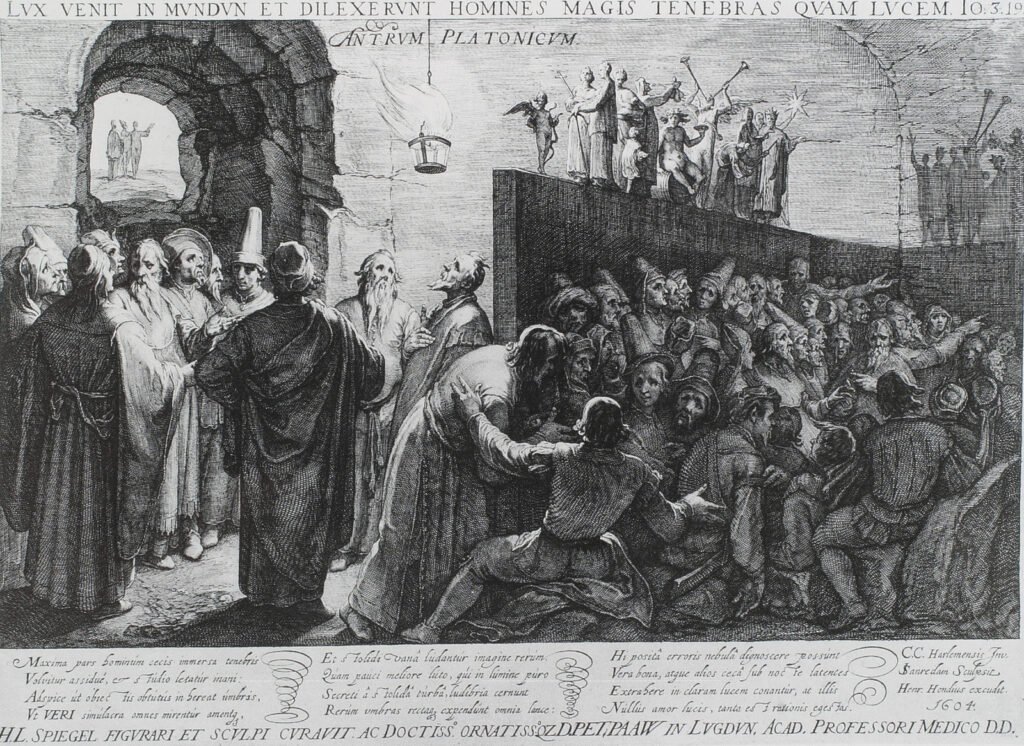
An allegory is a narrative, whether a story, poem, or image, in which characters, events, or settings systematically represent abstract ideas, moral qualities, or real-world situations beyond their literal meaning. Unlike a simple metaphor, which compares two things within a single phrase or sentence, an allegory sustains its symbolic correspondence across an entire work, so
Allegory Read More »
A narrative in which characters, events, or settings systematically represent abstract ideas or real-world situations.
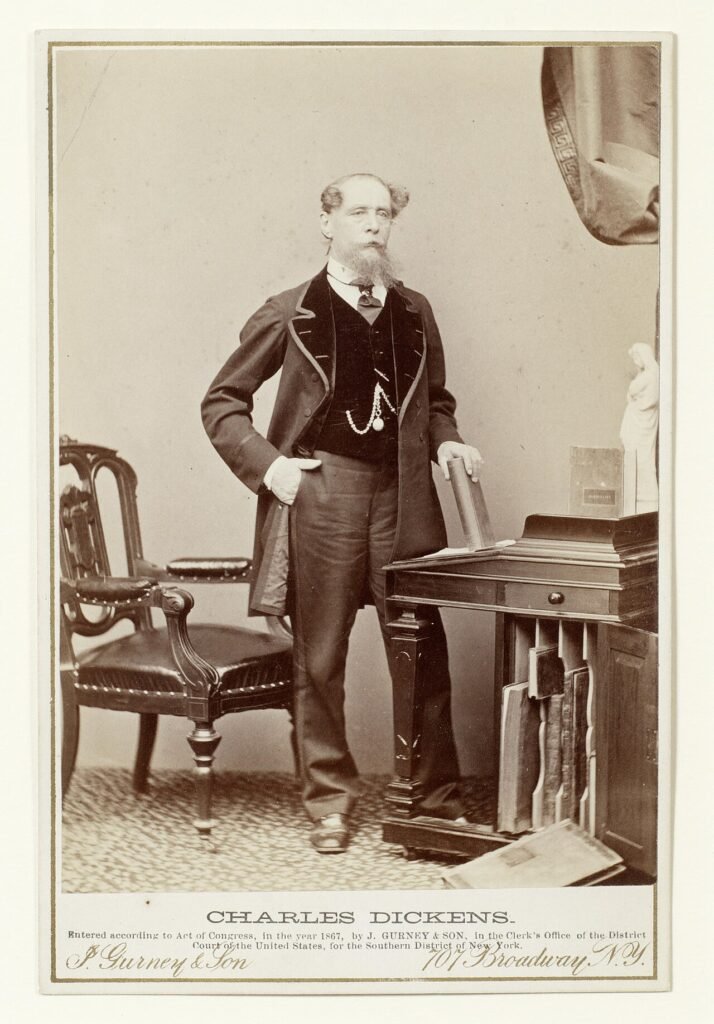
Charles Dickens (1812 to 1870) was an English novelist and the leading storyteller of the Victorian era, famous for characters such as Oliver Twist, Ebenezer Scrooge and Pip. His novels, most of which first appeared in serial installments, combine humor, social criticism and vivid portraits of London and its poor. He died at his home
Charles Dickens Read More »
Charles Dickens (1812 to 1870) was an English Victorian novelist who wrote Oliver Twist, A Christmas Carol and Great Expectations.
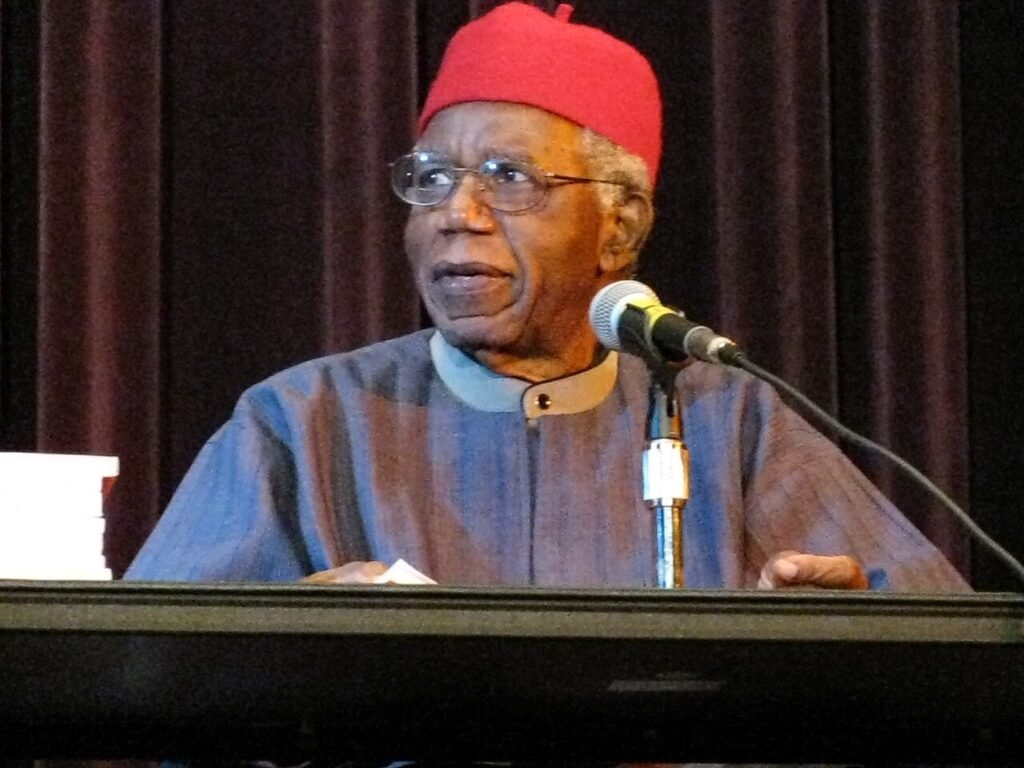
Chinua Achebe (1930 to 2013) was a Nigerian novelist, poet and essayist, widely regarded as a founding figure of modern African literature. His first novel, Things Fall Apart, published in 1958, tells the story of Igbo society before and during the arrival of European rule, and it remains the most studied African novel. He died
Chinua Achebe Read More »
Chinua Achebe (1930 to 2013) was a Nigerian novelist and poet whose novel Things Fall Apart is the most studied African novel.
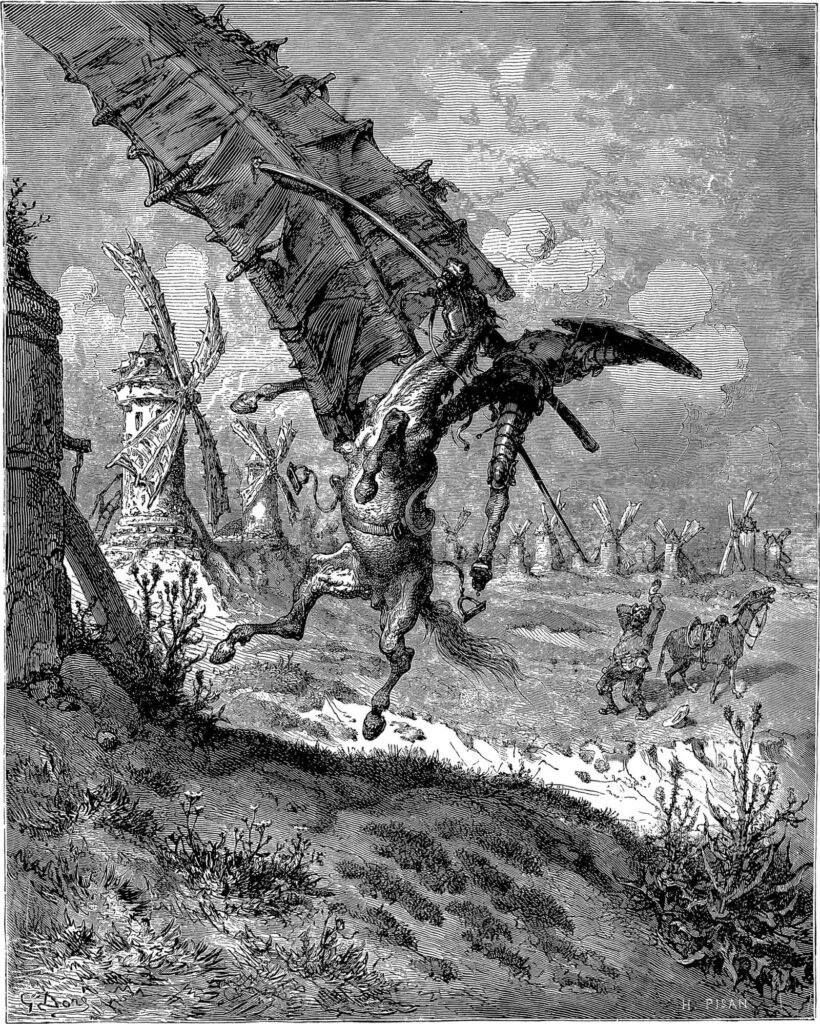
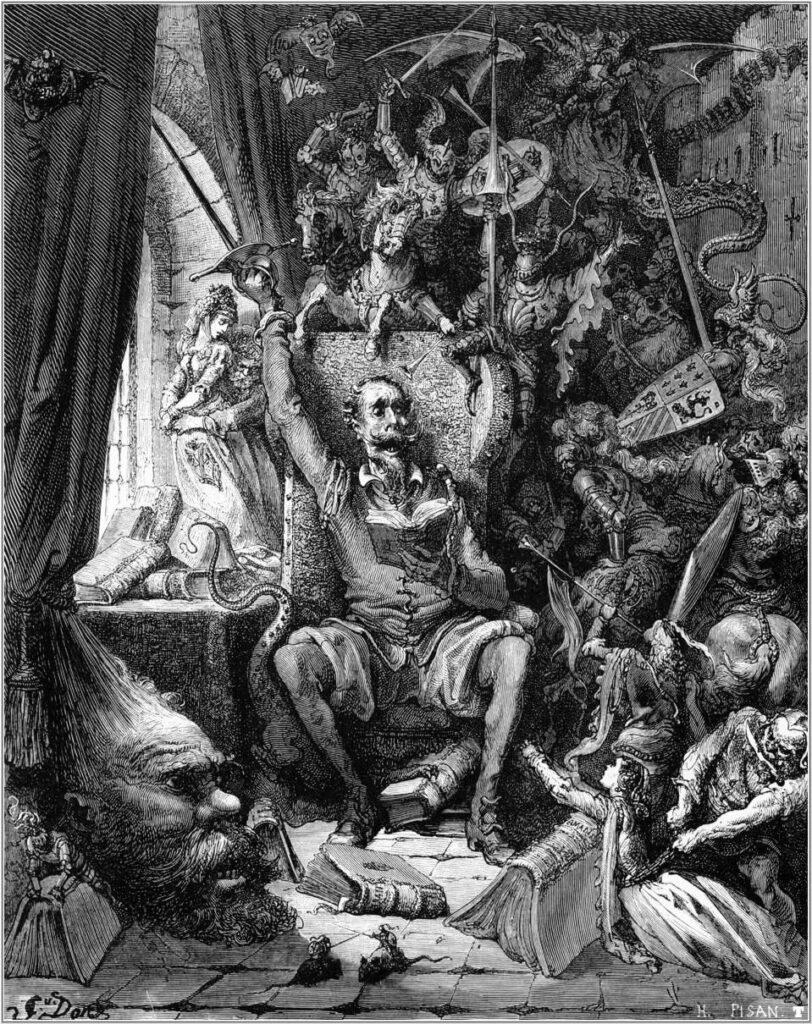
Don Quixote is a Spanish novel by Miguel de Cervantes, published in two parts in 1605 and 1615. Its full title is The Ingenious Gentleman Don Quixote of La Mancha. It follows a middle-aged man who reads so many tales of knights that he loses his judgment and sets out to revive chivalry, accompanied by
Don Quixote Read More »
Spanish novel by Miguel de Cervantes, published in 1605 and 1615, about a gentleman who becomes a knight-errant.
In simple terms Hamlet is a tragedy by William Shakespeare, written around 1600, about a Danish prince who learns his father was murdered and struggles over whether and how to take revenge. [1] What it’s about The play opens with the ghost of the recently deceased King of Denmark appearing to his son, Prince Hamlet,
Hamlet Read More »
Hamlet is a tragedy by William Shakespeare, written around 1600, about a Danish prince who seeks revenge for his father's murder.
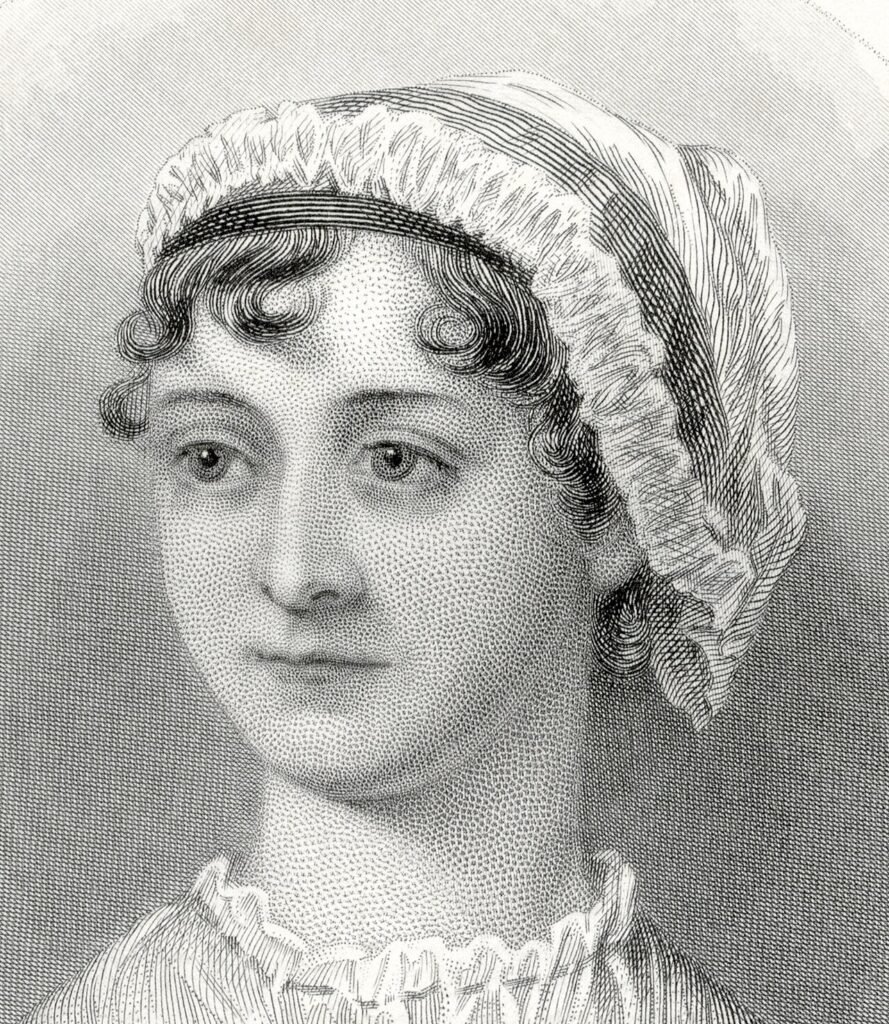
Jane Austen (1775 to 1817) was an English novelist known for six novels that examine love, money, class and manners in the lives of women in rural England around the turn of the nineteenth century. Her books include Pride and Prejudice, Sense and Sensibility, Emma and Persuasion, and they are admired for their wit, irony
Jane Austen Read More »
Jane Austen (1775 to 1817) was an English novelist who wrote Pride and Prejudice, Emma and four other novels about class, love and manners.
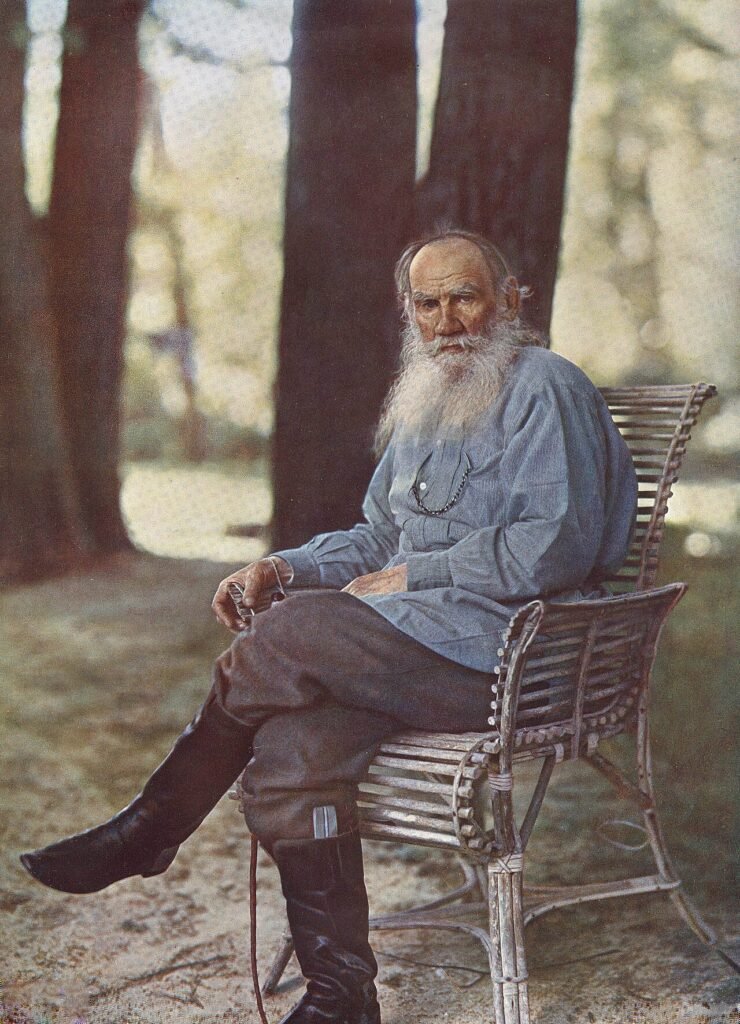
Leo Tolstoy (1828 to 1910) was a Russian novelist and moral thinker, the author of War and Peace and Anna Karenina, two of the best-known novels in world literature. He was born into the landed nobility, wrote about war, family and faith, and in later life became a widely known critic of violence and of
Leo Tolstoy Read More »
Leo Tolstoy (1828 to 1910) was a Russian novelist and moral thinker who wrote War and Peace and Anna Karenina.
In simple terms A metaphor describes one thing as though it were another, so the qualities of the second carry over to the first. Calling a stubborn problem a wall, or a sharp remark a blade, is metaphor at work: the problem is not masonry and the remark is not steel, but the comparison says
Metaphor Read More »
A metaphor describes one thing as though it were another, transferring its qualities, without using like, as or than.
A narrative is an account of connected events, real or fictional, presented in a sequence that forms a story, typically involving characters, some form of conflict or change, and a structure that gives the events meaning beyond a bare list of what happened. Narrative is not limited to literature: it shapes how people tell personal
Narrative Read More »
An account of connected events, real or fictional, organized into a story with structure and meaning.
A novel is an extended work of prose fiction, typically long enough to allow sustained development of character, plot, and setting in a way shorter forms, such as the short story, cannot easily achieve. While there is no strict word count that separates a novel from other prose fiction, the term generally applies to book-length
Novel Read More »
An extended work of prose fiction allowing sustained development of character, plot, and setting.