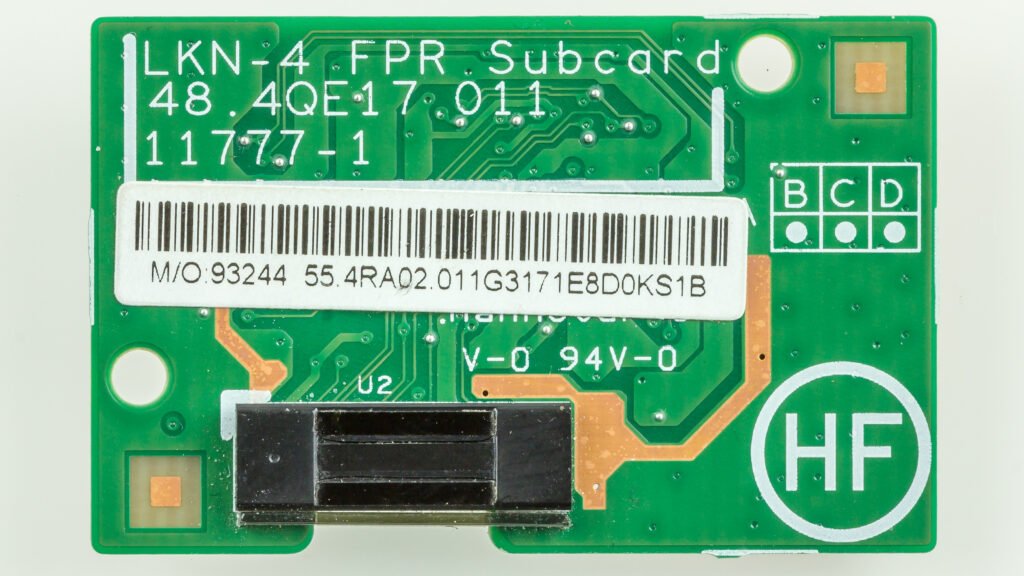
Biometrics is the measurement of physical or behavioral characteristics, such as fingerprints, iris patterns or facial features, to identify an individual. The U.S. National Institute of Standards and Technology (NIST) defines it as the measurement of physiological characteristics that can be used to identify a person. Biometric systems are used to unlock phones, control access
Biometrics Read More »
The measurement of physical or behavioral traits, such as fingerprints, iris patterns or face shape, to identify a person.
In simple terms Software sets aside small blocks of memory, called buffers, to hold the data it is working on. A buffer overflow happens when more data arrives than the block can take. The extra data does not vanish. It spills into neighboring memory and overwrites whatever was already there. How it works CISA describes
Buffer overflow Read More »
A buffer overflow happens when a program writes more data into a block of memory than that block was built to hold.
Cryptography is the practice of protecting information with mathematical techniques so that only the intended people can read it, alter it, or confirm where it came from. The U.S. National Institute of Standards and Technology (NIST) describes it as the principles, means and methods that provide information security, including confidentiality, data integrity, authentication and non-repudiation.
Cryptography Read More »
The practice of protecting information with mathematical techniques so only intended parties can read it, change it, or verify its source.
Cybersecurity technology is the set of tools, software and hardware that protect computers, networks, applications and data from unauthorized access, damage or disruption. It includes defenses such as firewalls, encryption, identity checks and monitoring systems. No single tool gives complete protection, so organizations combine several in layers and pair them with policies and trained people.
Cybersecurity technology Read More »
Tools, software and hardware that protect computers, networks and data from unauthorized access, damage or disruption.
In simple terms Encryption turns readable data into scrambled data using a secret key. The UK data protection regulator describes it as encoding data so that only those with the key can read it. Reversing the process is decryption. Without the key, the scrambled version should be useless to whoever holds it. How it works
Encryption Read More »
Encryption scrambles data using a secret key, so that only someone holding the right key can turn it back into readable information.
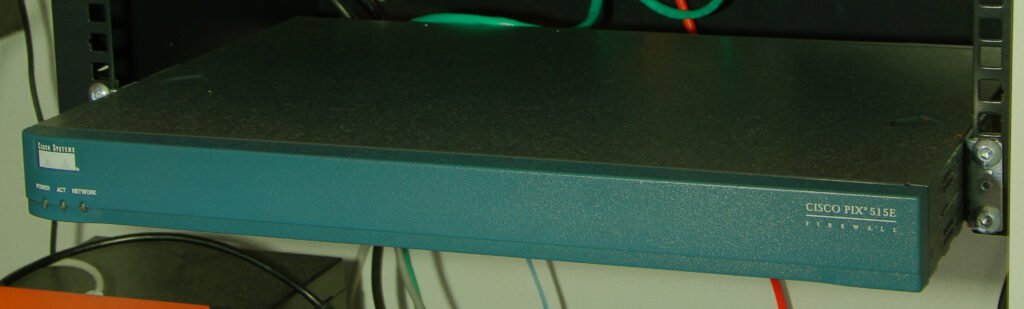
A firewall is a network security system that monitors incoming and outgoing network traffic and decides whether to allow or block it based on a defined set of security rules. Positioned at the boundary between a trusted network, such as a home or office network, and an untrusted one, such as the broader internet, a
Firewall Read More »
A network security system that monitors and filters incoming and outgoing traffic based on defined security rules.
Malware, a term combining malicious and software, is any program or code deliberately designed to damage a computer system, steal information, or gain unauthorized access to a device or network without the owner’s informed consent. The term serves as an umbrella category covering a wide range of specific threats, including viruses, worms, trojans, ransomware, and
Malware Read More »
Any software deliberately designed to damage a system, steal information, or gain unauthorized access without the owner's consent.
Phishing is a cyberattack technique in which an attacker impersonates a trustworthy person, organization, or system in order to trick a target into revealing sensitive information, such as login credentials or financial details, or into taking a harmful action, such as installing malware or transferring money. The name is a deliberate play on fishing, reflecting
Phishing Read More »
A cyberattack technique in which an attacker impersonates a trustworthy party to trick a target into revealing information or taking a harmful action.
Ransomware is a type of malware that blocks a victim’s access to their own files or entire computer system, typically by encrypting the data so it becomes unreadable without a special decryption key, and then demands a ransom payment, usually in cryptocurrency, in exchange for restoring access. Ransomware has grown from a relatively rare nuisance
Ransomware Read More »
Malware that blocks access to a victim's files or systems, typically through encryption, and demands payment for their release.
Two-factor authentication, often abbreviated 2FA, is a security method that requires a person to provide two distinct types of evidence to verify their identity before gaining access to an account or system, rather than relying on a password alone. The goal is to make unauthorized access substantially harder, since an attacker who manages to steal
Two-Factor Authentication Read More »
A security method requiring two distinct types of evidence to verify identity before granting access to an account or system.