In simple terms 5G is the fifth generation of mobile network technology, the successor to 4G. It was designed to offer faster data speeds, much lower latency, that is, the delay between a request and a response, and the ability to connect far more devices in the same area than earlier generations could handle. [1]
5G Read More »
5G is the fifth generation of mobile network technology, built to offer faster speeds, lower latency, and support for far more connected devices than 4G.
In simple terms Bandwidth is the carrying capacity of a connection: how much data it can move in a second. It is usually written in megabits per second, or Mbps. Picture a pipe. Bandwidth is how wide the pipe is, not how fast any single drop travels down it. How it works Download and upload
Bandwidth Read More »
Bandwidth is how much data a connection can carry each second, usually measured in megabits per second, and quoted separately for download and upload.
Bluetooth is a short-range wireless standard that lets nearby devices exchange data and audio by radio, without cables. It works in the 2.4 GHz band, which can be used worldwide without a license, and it is developed and certified by an industry group called the Bluetooth Special Interest Group (SIG). Everyday examples include wireless headphones,
Bluetooth Read More »
A short-range wireless standard that connects nearby devices by radio in the 2.4 GHz band, used for audio, accessories and sensors.
The Domain Name System, known as DNS, is the system that translates easy-to-remember website addresses, called domain names, such as example.com, into the numerical IP addresses that computers actually use to locate one another on the internet. Without DNS, anyone wanting to visit a website would need to memorize and type a string of numbers
Domain Name System Read More »
The system that translates human-readable domain names into the numerical IP addresses computers use to locate each other online.
Fiber optics is the technology of guiding light along thin strands of glass or plastic called optical fibers. Light entering one end of a fiber is kept inside by reflection and travels to the other end, where it can carry information as pulses. Optical fibers are used in communication networks, in medical instruments and in
Fiber optics Read More »
The technology of guiding light along thin glass or plastic strands called optical fibers to carry information or illumination.
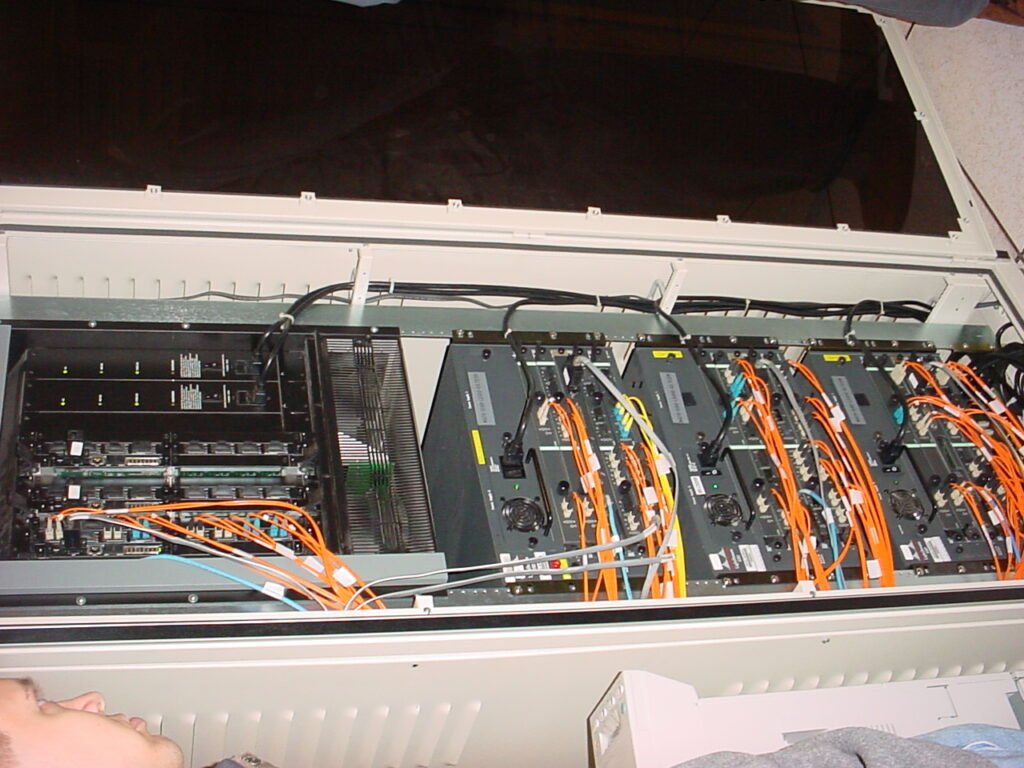
Fiber-optic communication transmits information as pulses of light through thin strands of extremely pure glass or plastic, called optical fibers, rather than as electrical signals through copper wire. Because light can carry far more information than an electrical signal and loses much less strength over long distances, fiber-optic cables form the backbone of the modern
Fiber-Optic Communication Read More »
The transmission of information as pulses of light through thin glass or plastic fibers, forming the backbone of modern internet infrastructure.
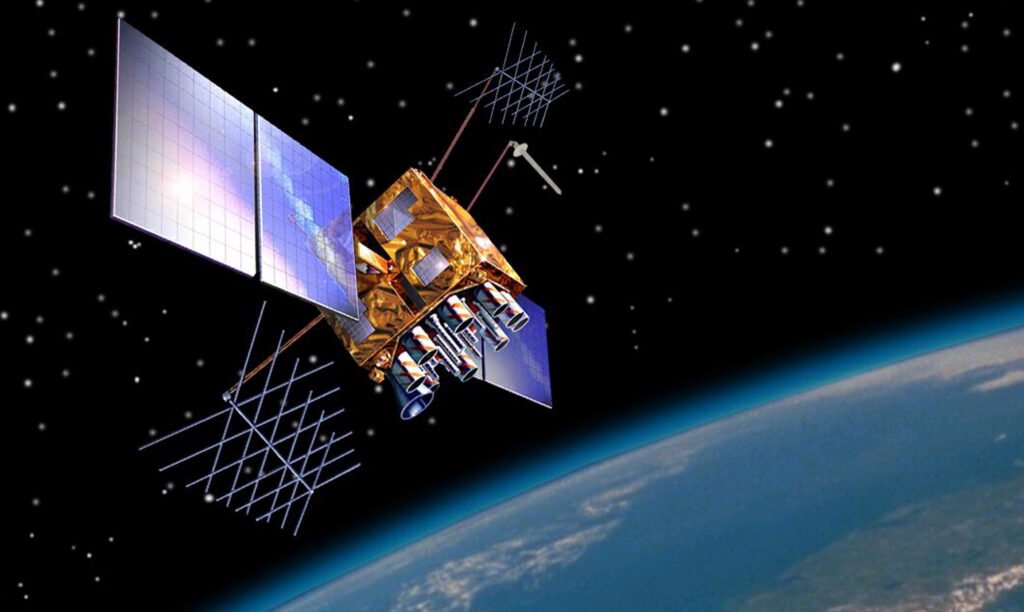
The Global Positioning System, or GPS, is a satellite navigation service owned by the United States that provides positioning, navigation and timing to users around the world. A receiver works out its three-dimensional position and the time from radio signals sent by satellites that orbit about 20,200 kilometers above the Earth. The civilian service is
Global Positioning System Read More »
The Global Positioning System is a U.S.-owned satellite network that gives receivers worldwide their position, navigation and precise time.
Huawei is a Chinese technology company that designs and sells telecommunications network equipment, cloud and IT products, digital power products, intelligent vehicle solutions and consumer devices such as smartphones. Its legal parent is Huawei Investment & Holding Co., Ltd., and its head office is at Huawei Base in Shenzhen, China. According to the company’s April
Huawei Read More »
Huawei is a Shenzhen-based Chinese technology company, founded in 1987, that makes telecom network equipment, cloud and IT products, digital power products and consumer devices.
The Internet of Things (IoT) is the network of physical objects that carry sensors, software and network connections so they can collect data and exchange it with other devices and systems. The U.S. National Institute of Standards and Technology (NIST) says an IoT device has at least one transducer, which is a sensor or an
Internet of Things Read More »
A network of physical objects with sensors, software and network connections that collect and exchange data with other devices and systems.
The Internet Protocol, usually called IP, is the fundamental set of rules that governs how data is addressed and routed across the internet and other computer networks. Every device connected to the internet, from a smartphone to a massive data center server, is assigned an IP address, a unique numerical label that identifies it on
Internet Protocol Read More »
The fundamental set of rules governing how data is addressed in packets and routed across the internet and other networks.