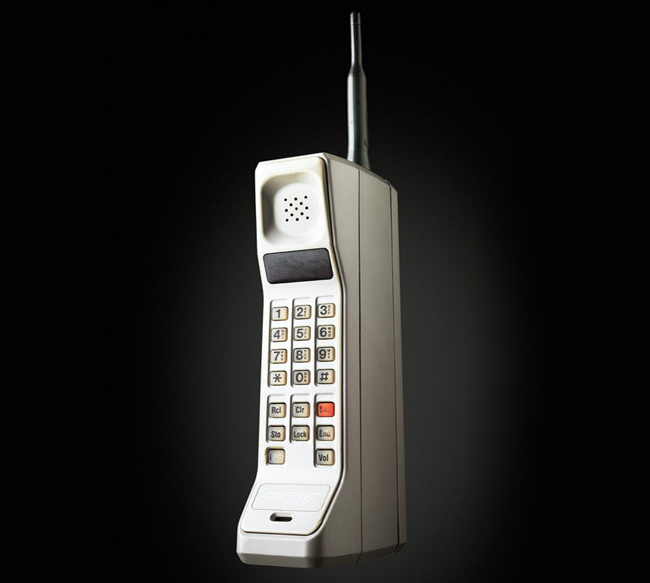
A mobile phone is a portable telephone that sends and receives calls and data by radio through a network of base stations. Martin Cooper of Motorola placed the first call from a handheld cellular phone in New York on April 3, 1973, and by 2025 the International Telecommunication Union counted about 9.2 billion mobile-cellular subscriptions
Mobile phone Read More »
A portable telephone that makes calls and sends data by radio through a cellular network; the first handheld call was made in 1973.
MTN Group is a South African telecommunications company that describes itself as Africa’s largest mobile network operator. It provides voice, data, fintech, digital, enterprise, wholesale and API services, and its website states that it serves 317.7 million customers in 19 markets. Headquartered in Johannesburg, it is listed on the Johannesburg Stock Exchange. History of MTN
MTN Group Read More »
MTN Group is a Johannesburg-based telecommunications company that describes itself as Africa's largest mobile network operator, serving 317.7 million customers in 19 markets.
A QR code is a two-dimensional barcode, a square pattern of black and white modules that stores data such as a web address and can be read by a camera or scanner from any direction. The letters QR stand for quick response, reflecting the goal of fast reading when the code was announced in 1994.
QR code Read More »
A two-dimensional barcode of black and white modules that stores data such as a web address and can be scanned quickly from any direction.
Radio is the use of electromagnetic waves to send information through space without a connecting wire. It began as wireless telegraphy in the 1890s, grew into voice and music broadcasting in the early 1900s, and now carries everything from AM and FM stations to emergency and weather communications. No single person invented radio, and the
Radio Read More »
A technology that sends sound and data through space as electromagnetic waves, developed by many inventors from the 1890s onward.
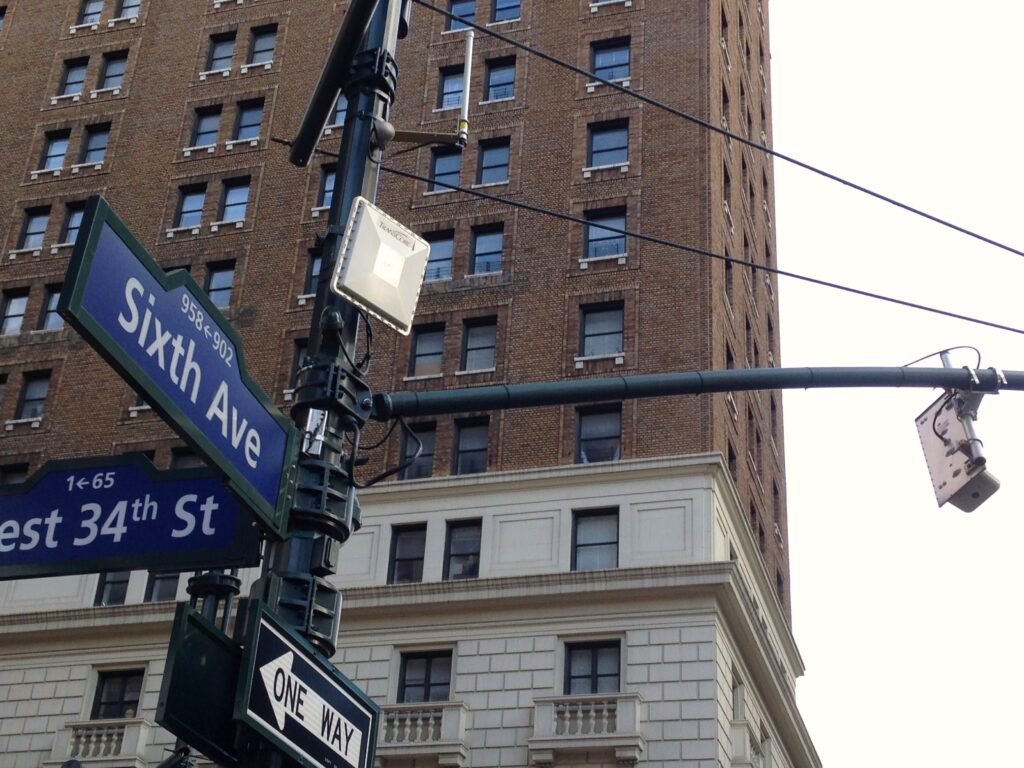
Radio-frequency identification (RFID) is a wireless technology that uses radio waves to identify and track objects, animals or people through small electronic tags. The U.S. Government Accountability Office (GAO) describes it as an automated data-capture technology: a tag attached to or embedded in an item can be read electronically, so nobody has to type in
RFID Read More »
A wireless technology that uses radio waves to identify and track objects, animals or people through small tags read without contact.
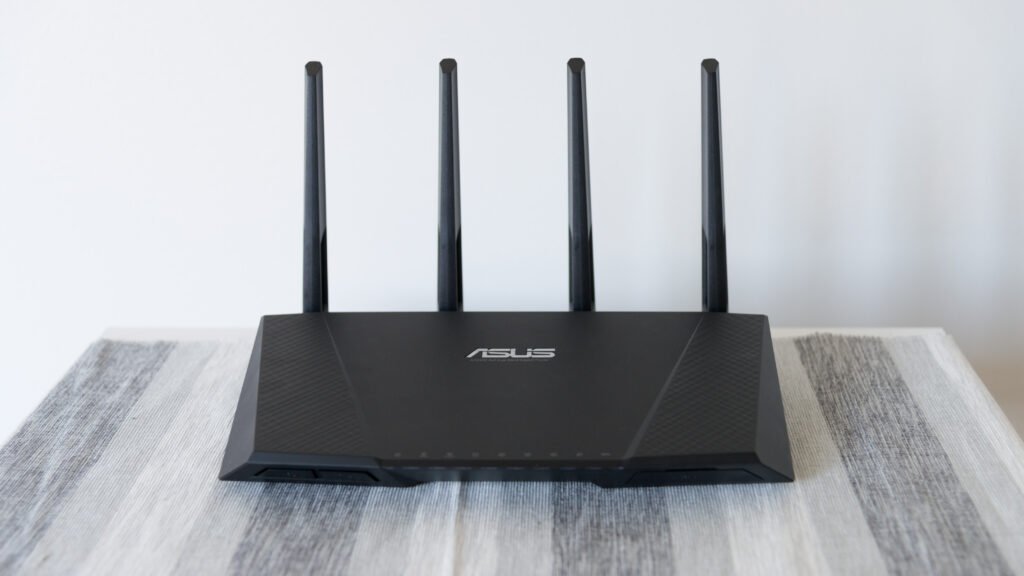
A router is a networking device that forwards data packets between different computer networks, deciding the best path for each packet to reach its destination. In a typical home, a router sits between a local network of devices, such as laptops, phones, and smart speakers, and the wider internet, managing traffic in both directions: carrying
Router Read More »
A networking device that forwards data packets between different networks, deciding the best path toward each packet's destination.
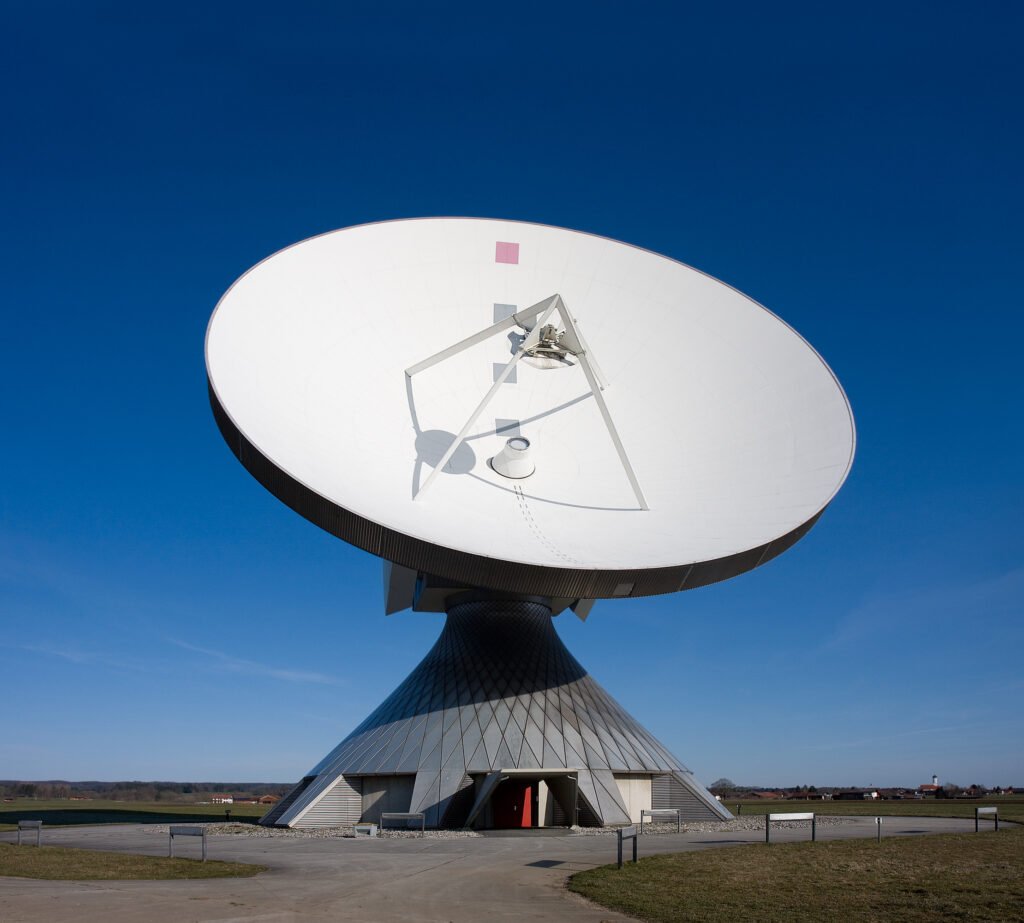
Satellite communication is the use of artificial satellites to relay radio signals between distant points on Earth, or between Earth and spacecraft. A ground station sends a signal up to a satellite, equipment on board processes it, and the satellite sends it back down to receivers that may be thousands of kilometers from the sender.
Satellite communication Read More »
Satellite communication relays radio signals through satellites in orbit, linking places on Earth that are too far apart or too remote for cables.
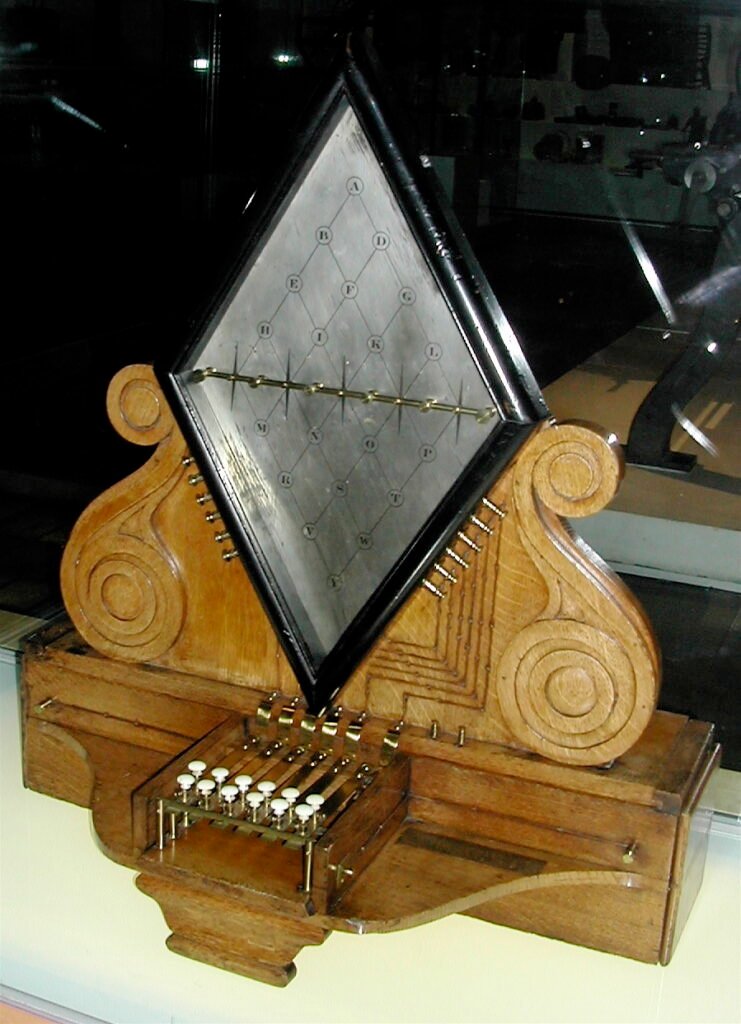
The telegraph is a system for sending coded messages over long distances. The electric telegraph, which sends signals along wires, opened its first public lines in Great Britain in 1837 and the United States in 1844. It was the first technology to separate communication from transportation, and it was the only form of electrical communication
Telegraph Read More »
A system that sends coded messages over wires as electrical signals, developed in the 1830s and 1840s by several inventors.
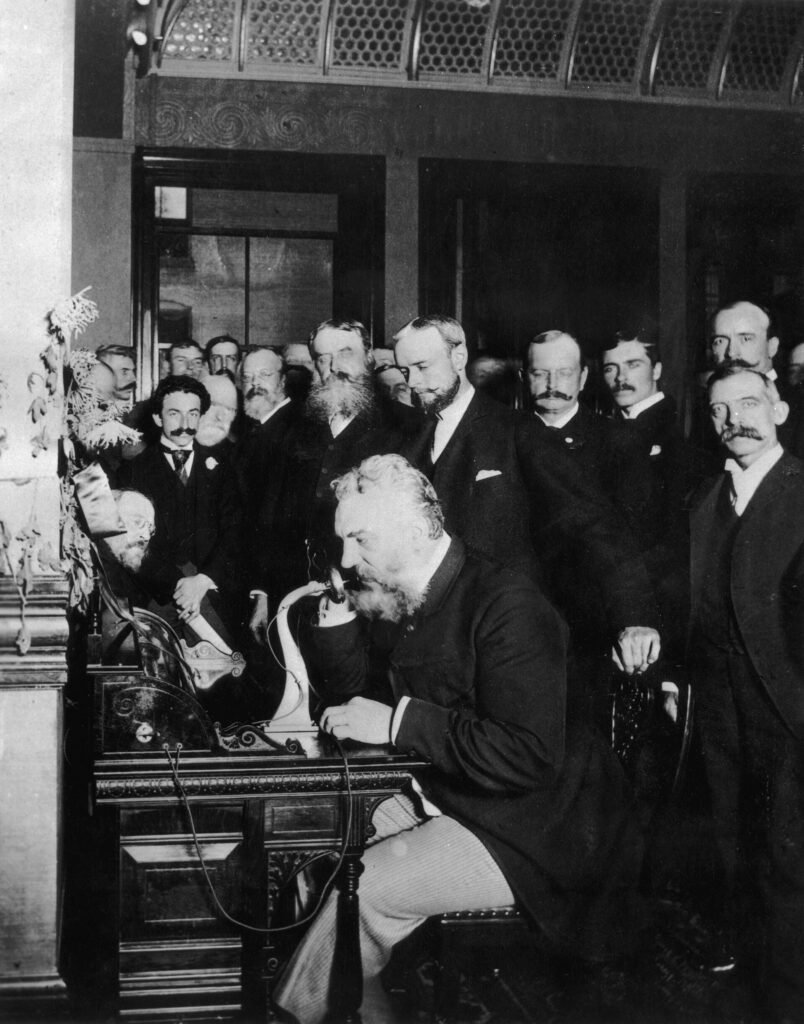
The telephone is a device that turns speech into a varying electrical signal, sends it along wires, and turns it back into sound at the other end, so two people can talk in real time across a distance. Alexander Graham Bell received the first U.S. patent covering this method in 1876. Several other inventors worked
Telephone Read More »
The telephone is a device that turns speech into electrical signals and back into sound, letting two people talk in real time at a distance.
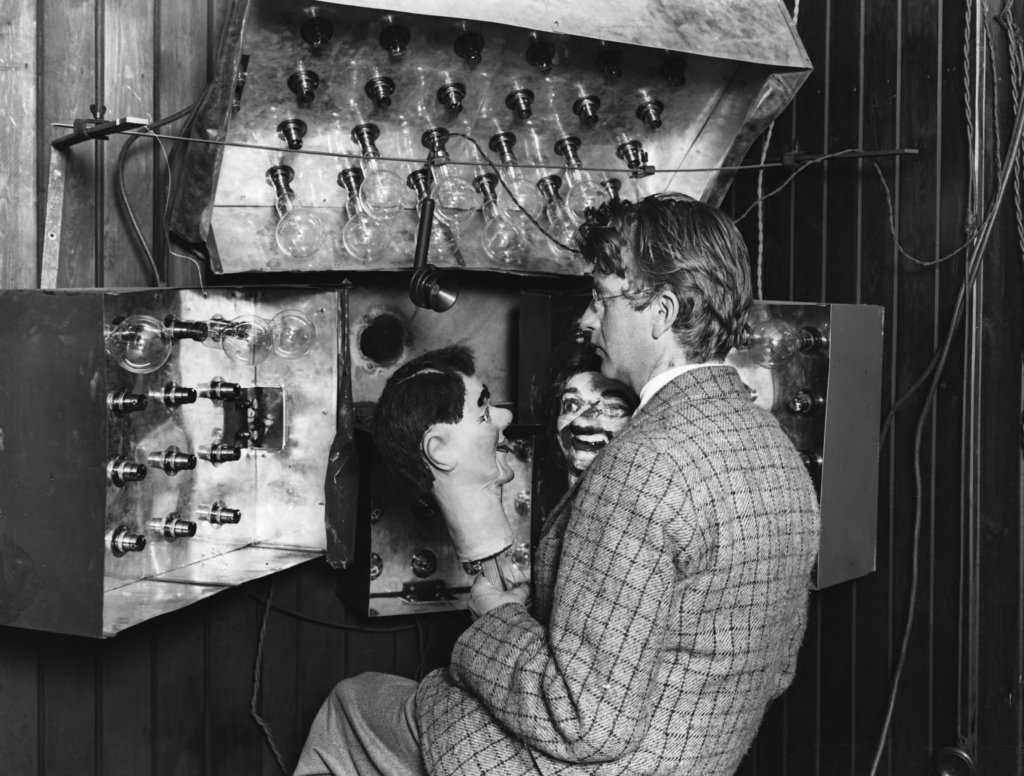
Television is a system that transmits moving images and sound to distant screens by electrical or radio signals. Its development took about sixty years, moved from spinning-disc mechanical systems to all-electronic ones, and involved many inventors in several countries. Credit for the invention is shared and has even been contested in court. History of television
Television Read More »
A system that transmits moving images and sound to distant screens, developed by many inventors from mechanical scanning discs to electronic tubes.