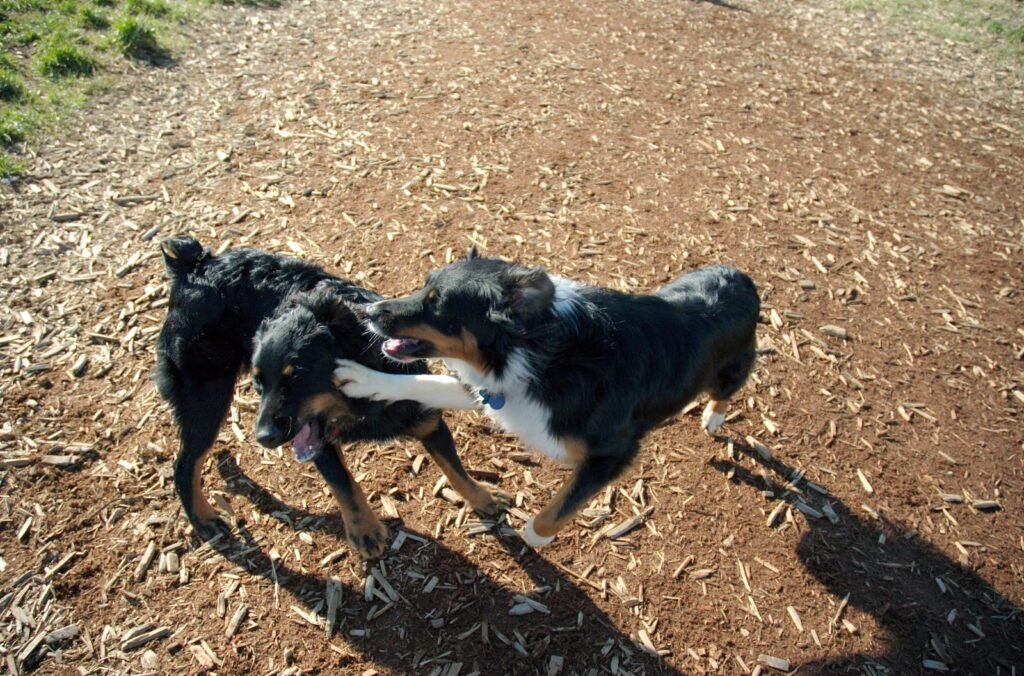
Domestication and Social Evolution Dogs share ancestry with wolves but diverged through a domestication process spanning thousands of years, during which selection favored individuals tolerant of human proximity and cooperative in shared environments. This history produced an animal uniquely attuned to human social cues, including the ability to follow pointing gestures and read human facial
Canine Behavior Read More »
The study of domestic dog behavior patterns, including social structure, communication, and the cooperative instincts shaped by a long history of co-evolution with humans.
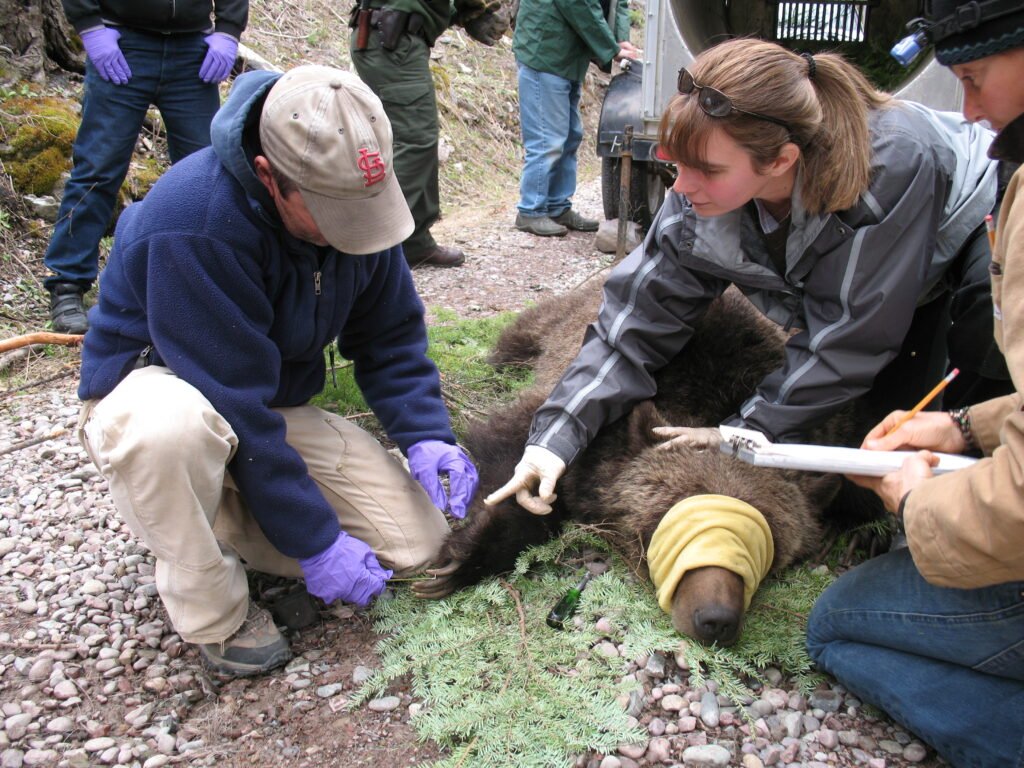
Origins of the Discipline Conservation biology crystallized as a distinct academic discipline in the 1980s, emerging from the recognition that existing fields such as wildlife management and ecology lacked an integrated framework explicitly oriented toward preventing biodiversity loss. Founding figures in the field argued that the accelerating extinction crisis required a crisis-discipline approach, analogous to
Conservation Biology Read More »
The scientific discipline that studies the dynamics of biodiversity loss and develops evidence-based methods to protect species, populations, and ecosystems.
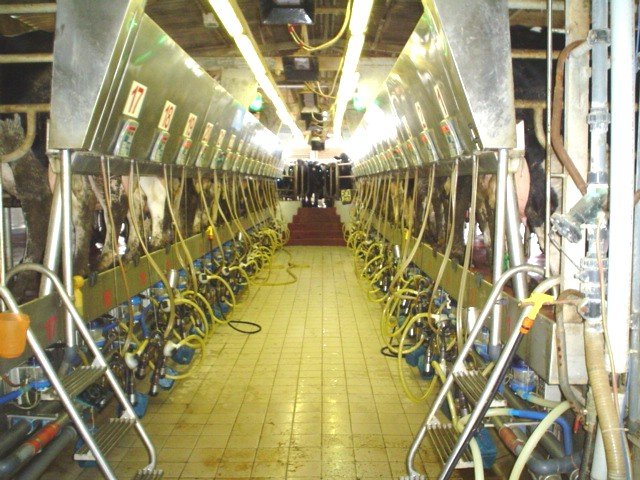
The Lactation Cycle and Production Timing Dairy cattle management revolves centrally around the lactation cycle, the period following calving during which a cow produces milk, which typically peaks several weeks after calving before gradually declining until the cow is dried off and rebred to begin the cycle again. Managing this cycle effectively requires careful attention
Dairy Cattle Management Read More »
Dairy cattle management is the specialized care, feeding, and breeding of cattle for milk production, encompassing lactation cycles, milking systems, and herd health.
Triage and Rapid Assessment Veterinary emergency medicine relies on triage, a rapid initial assessment that prioritizes patients by the severity and urgency of their condition rather than simply treating animals in the order they arrive, ensuring that a patient in immediate danger, such as one experiencing severe breathing distress or uncontrolled bleeding, receives attention before
Emergency and Critical Care Veterinary Medicine Read More »
Emergency and critical care veterinary medicine is the specialized practice of stabilizing and treating animals with acute, life-threatening conditions requiring immediate intervention.
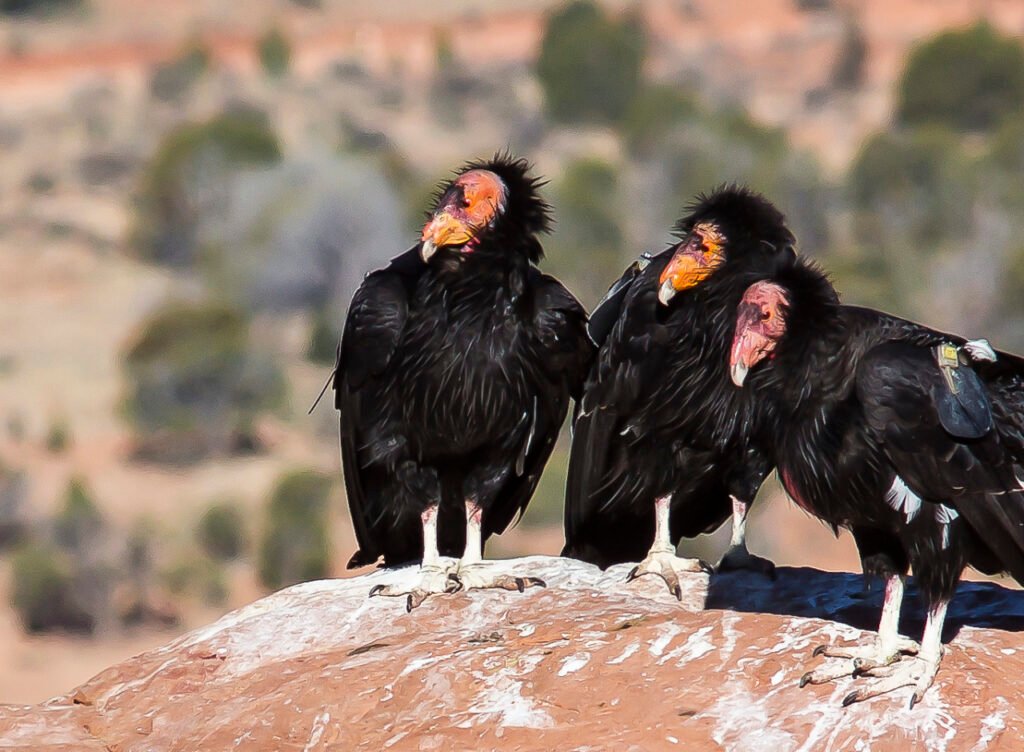
Legal Frameworks for Endangered Species Endangered species management operates within formal legal structures that define protected status and associated restrictions. In the United States, the Endangered Species Act of 1973 established a tiered classification system distinguishing endangered from threatened species, each carrying different levels of legal protection. Many other countries maintain analogous legislation, while international
Endangered Species Management Read More »
The targeted conservation planning and intervention applied to species facing a high risk of extinction, guided by legal designation and recovery planning frameworks.
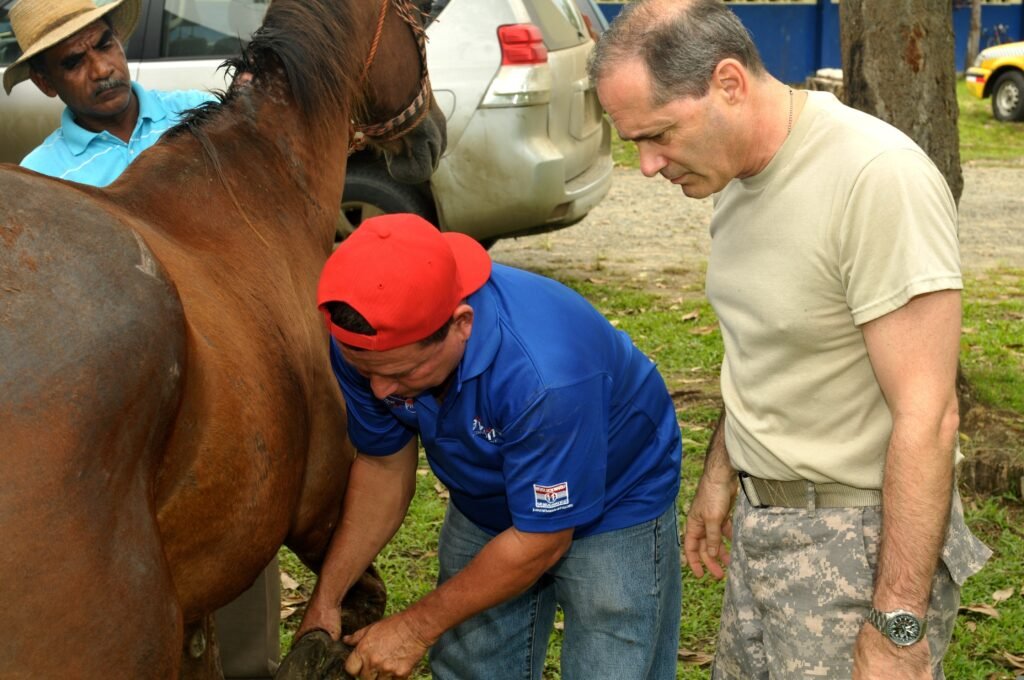
Colic as a Defining Emergency Colic, a general term for abdominal pain in horses, represents one of the most common and potentially serious emergencies equine veterinarians encounter, since the underlying cause can range from relatively mild and self-resolving gas buildup to severe conditions such as intestinal displacement or torsion that can become fatal within hours
Equine Veterinary Medicine Read More »
Equine veterinary medicine is the specialized branch of veterinary practice focused on the health, disease, and care of horses and other equids.
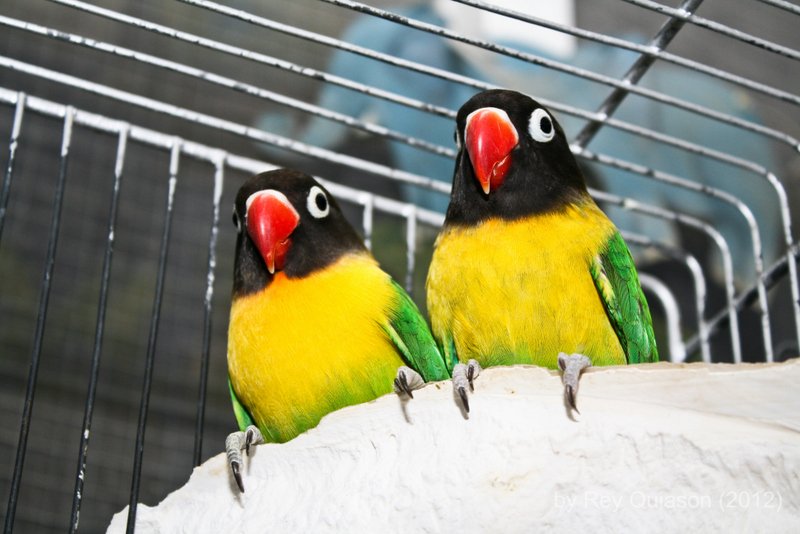
Scope of Exotic Pet Care Exotic pet care encompasses the husbandry and veterinary management of species outside the traditional cat-and-dog category, including reptiles, birds, small mammals such as rabbits and guinea pigs, amphibians, and sometimes invertebrates. Each group carries distinct physiological needs shaped by evolutionary adaptations often very different from mammalian norms. Successful exotic pet
Exotic Pet Care Read More »
The specialized husbandry and veterinary management of non-traditional companion animals such as reptiles, birds, small mammals, and amphibians.
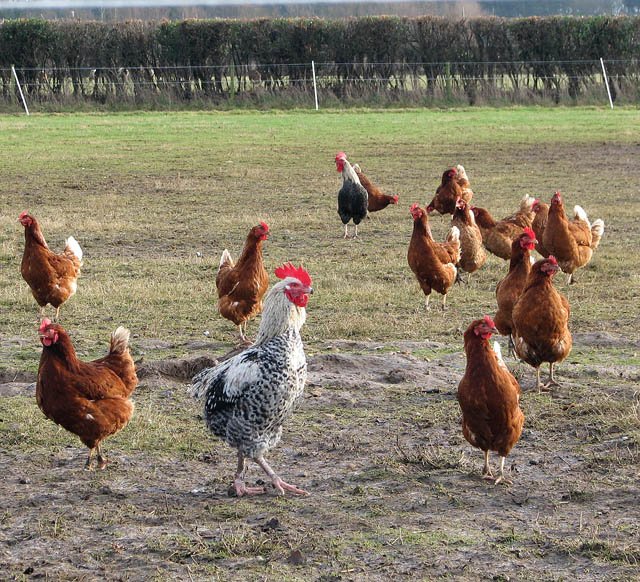
Foundational Welfare Frameworks Farm animal welfare standards trace significant conceptual origins to the Five Freedoms framework developed in the United Kingdom, which articulated basic welfare entitlements including freedom from hunger and thirst, freedom from discomfort, freedom from pain and disease, freedom to express normal behavior, and freedom from fear and distress. This framework has influenced
Farm Animal Welfare Standards Read More »
The codified requirements and voluntary certifications governing the housing, handling, and treatment of livestock raised for food production.
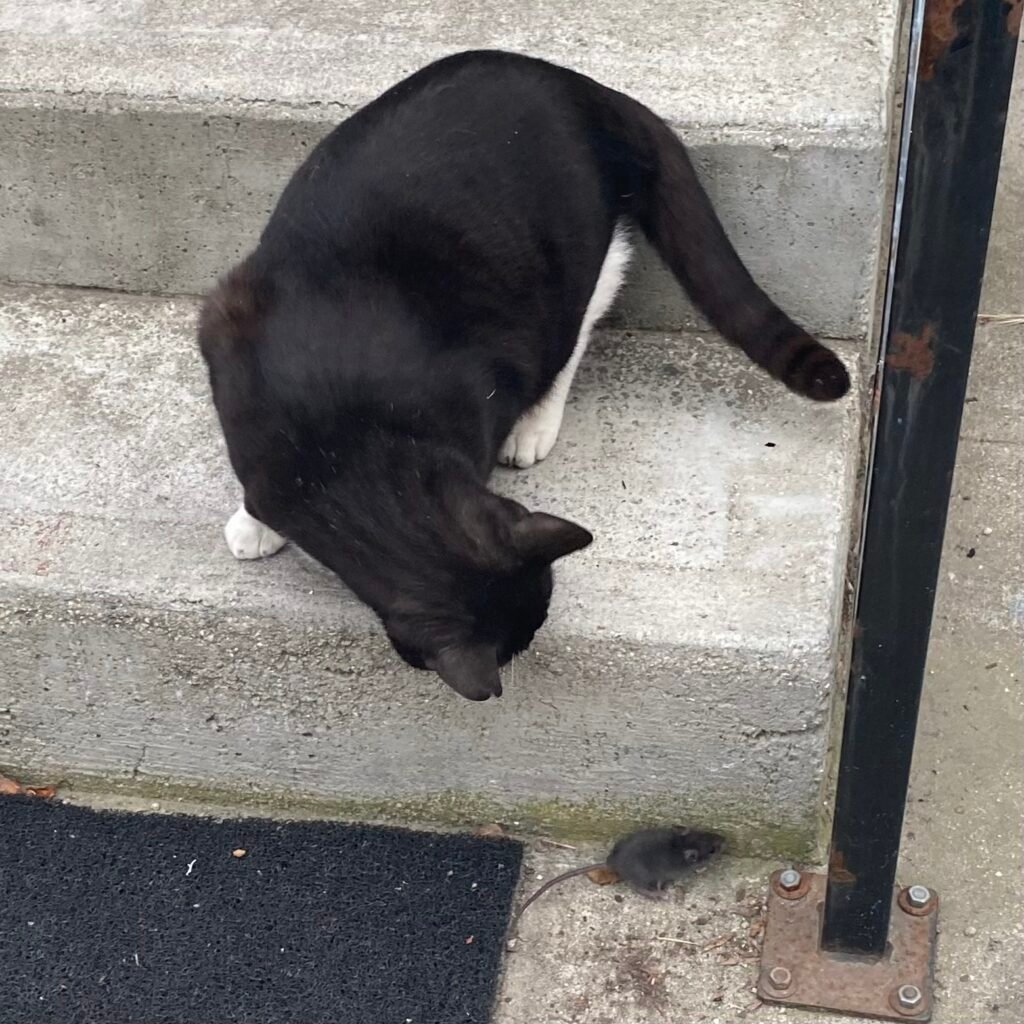
Evolutionary and Social Origins Domestic cats descend from the African wildcat, a species that hunts and lives largely alone, a trait that distinguishes feline social structure from the more cooperative pack behavior of domesticated dogs. This ancestry shapes much of modern cat behavior, including a preference for controlling access to resources rather than sharing them,
Feline Behavior Read More »
The study of domestic cat behavior patterns, including communication, territoriality, social structure, and the instinctive drives inherited from solitary wild ancestors.
Principles of Habitat Restoration Habitat restoration seeks to reestablish the ecological structure, composition, and function of a degraded ecosystem, ideally returning it to a condition resembling its pre-disturbance state or a closely analogous healthy reference condition. The discipline draws on ecological theory regarding succession, species interactions, and ecosystem processes to guide intervention design, recognizing that
Habitat Restoration Read More »
The active rehabilitation of degraded, damaged, or destroyed ecosystems to restore their ecological function and capacity to support native wildlife.