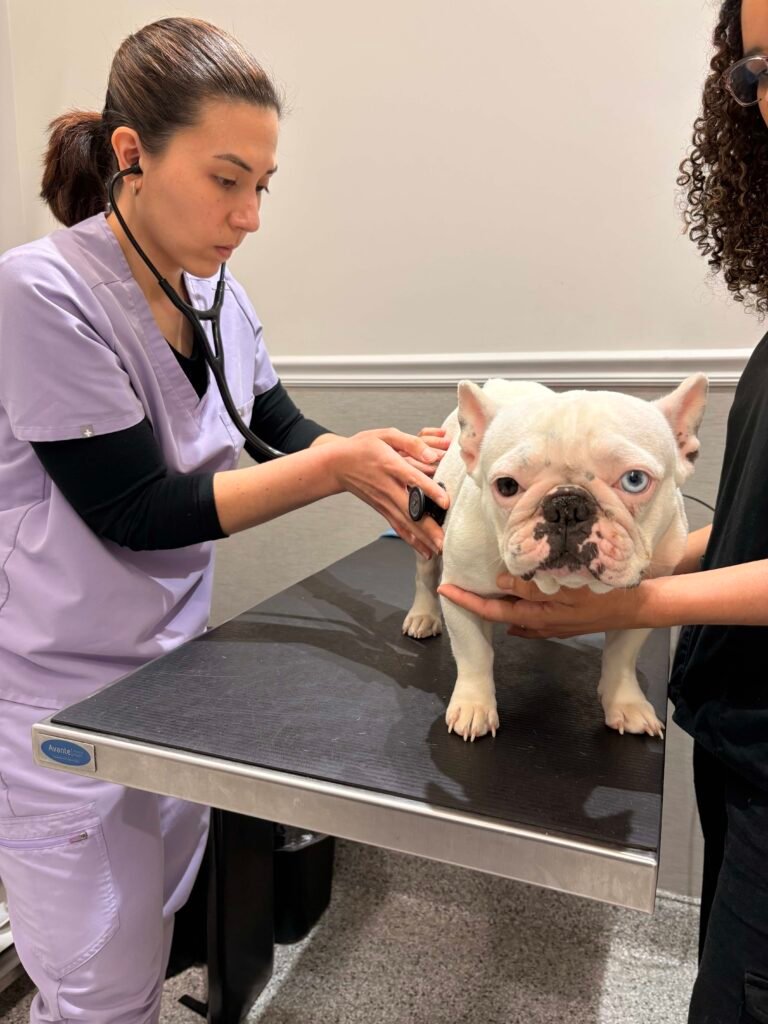
The Challenge of the Non-Verbal Patient Veterinary diagnostics faces a fundamental challenge absent from most human medicine: the patient cannot describe when or how symptoms began, where pain is located, or how a condition has progressed over time. Veterinarians must instead piece together a clinical picture from owner-reported history, which can be incomplete or inaccurate,
Veterinary Diagnostics Read More »
Veterinary diagnostics is the set of clinical tests and procedures used to identify disease and injury in animals, ranging from physical examination to advanced imaging and laboratory analysis.
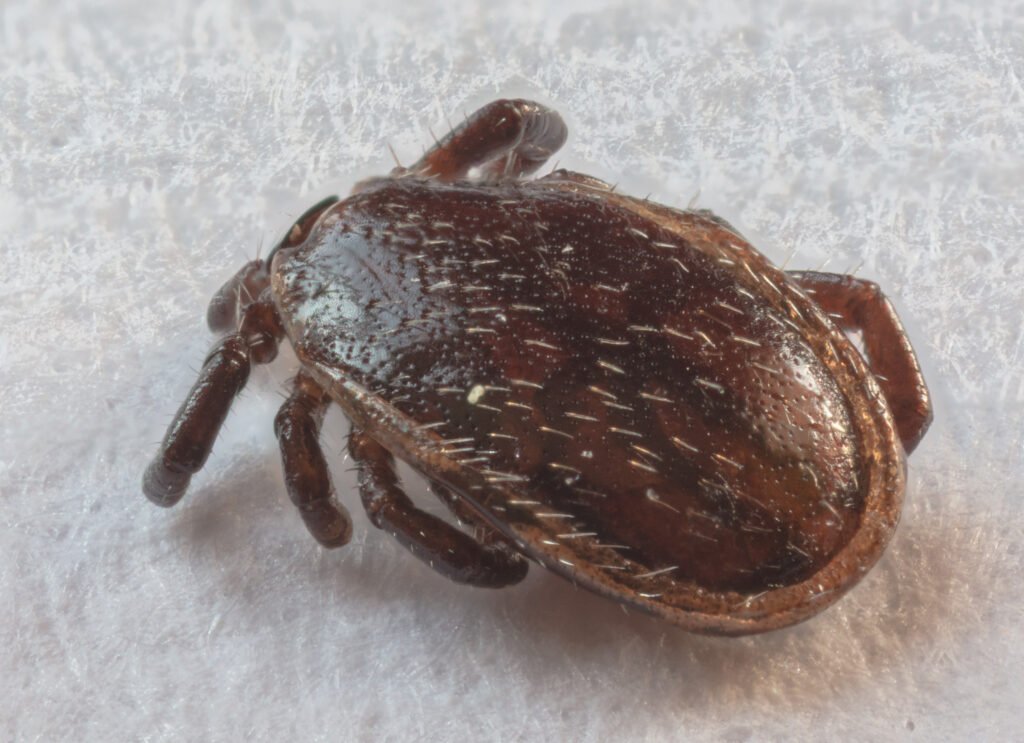
Categories of Veterinary Parasites Veterinary parasitology covers a wide range of organisms broadly divided into internal parasites, such as roundworms, tapeworms, heartworms, and protozoa, and external parasites, including fleas, ticks, and mites, each requiring different diagnostic approaches and treatment strategies. Internal parasites are typically identified through fecal examination or, for heartworm, a blood test, while
Veterinary Parasitology Read More »
Veterinary parasitology is the study and clinical management of parasitic organisms, including worms, protozoa, and external parasites, that infect domestic and wild animals.
Two Branches of the Discipline Veterinary pathology divides broadly into clinical pathology, which analyzes blood, urine, and other body fluids to assess organ function and detect abnormalities, and anatomic pathology, which examines tissue samples obtained through biopsy during life or necropsy after death to identify structural changes disease has caused. Both branches require specialized training
Veterinary Pathology Read More »
Veterinary pathology is the study of disease processes in animals through examination of tissues, organs, and body fluids, underpinning diagnosis and understanding of animal illness.
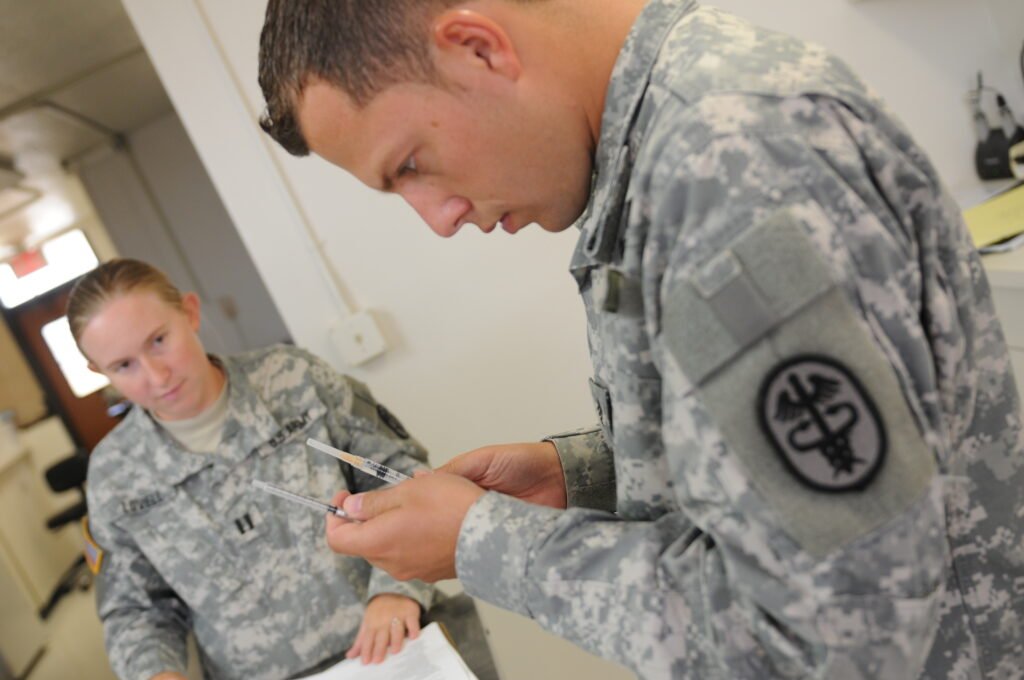
Cross-Species Metabolic Differences A central challenge in veterinary pharmacology is that drug metabolism varies substantially across animal species, driven by differences in liver enzyme activity, body composition, and physiology, meaning a dose and drug combination perfectly safe in one species can be ineffective or dangerous in another. Cats, in particular, have notably reduced activity of
Veterinary Pharmacology Read More »
Veterinary pharmacology is the study of how drugs affect animals, including dosing, metabolism, and safety considerations that differ significantly across species.
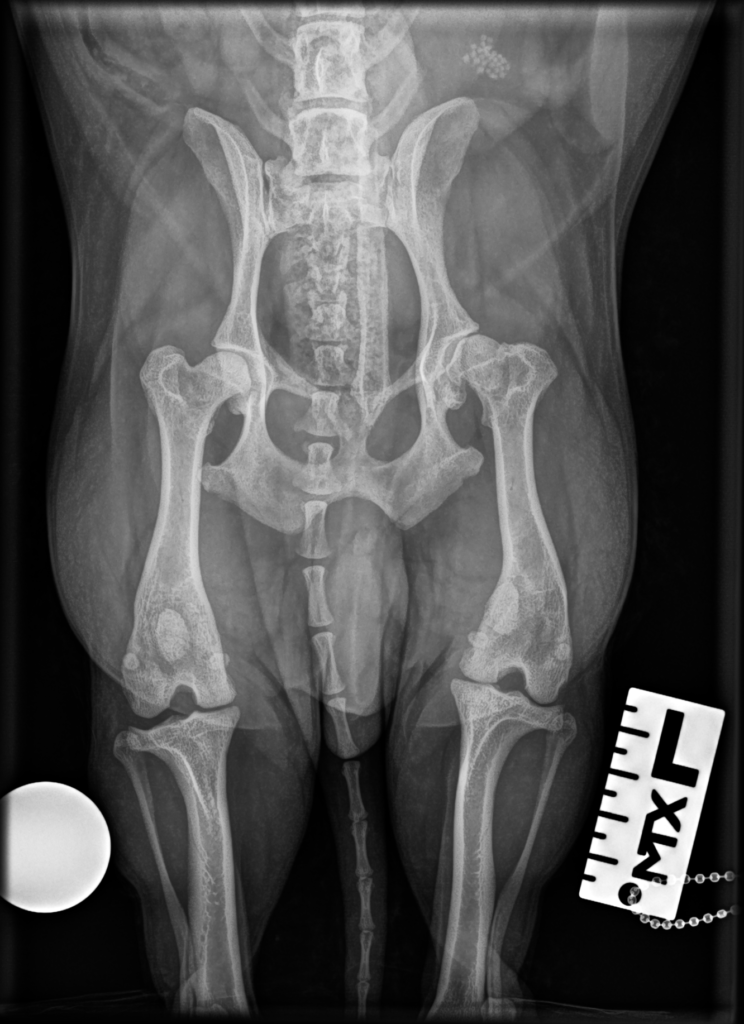
A Hierarchy of Imaging Modalities Veterinary radiology encompasses a range of imaging techniques of varying cost, availability, and diagnostic power, with conventional X-ray remaining the most widely available modality found in nearly every general practice clinic, while ultrasound, increasingly common even in general practice, provides detailed real-time views of soft tissue and abdominal organs that
Veterinary Radiology Read More »
Veterinary radiology is the use of imaging techniques including X-ray, ultrasound, CT, and MRI to diagnose disease and injury in animal patients.
Scope and Goals of Wildlife Conservation Wildlife conservation encompasses the scientific study, policy development, and on-the-ground management practices aimed at maintaining viable populations of wild species and the ecosystems that support them. The field has evolved considerably from early twentieth-century efforts focused narrowly on game species management toward a broader ecosystem-based approach that recognizes the
Wildlife Conservation Read More »
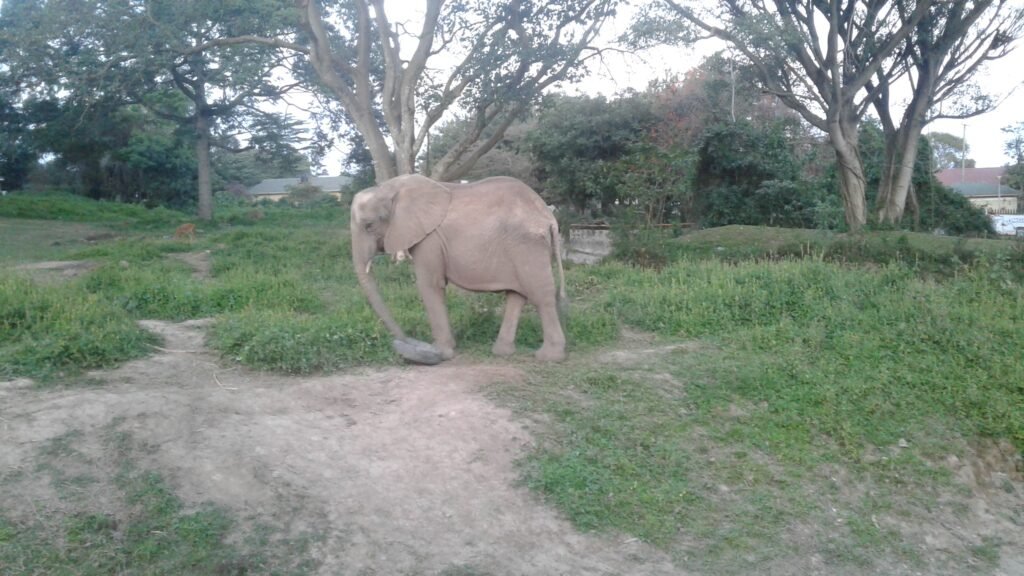
The practice and policy of protecting wild animal species and their habitats from decline, extinction, and the pressures of human activity.
Purpose and Scope of Wildlife Disease Surveillance Wildlife disease surveillance involves systematic monitoring of wild animal populations to detect disease occurrence, track outbreak patterns, and assess broader ecological and public health risks. This work has grown significantly in importance as researchers have documented the substantial role wildlife plays as a reservoir for pathogens capable of
Wildlife Disease Surveillance Read More »
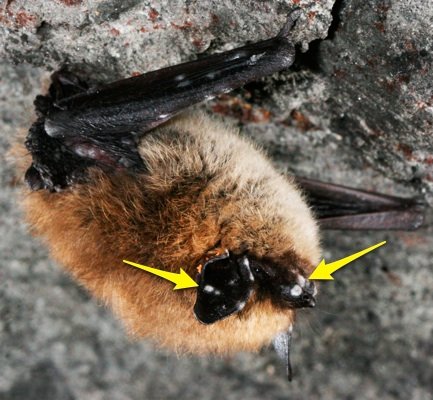
The systematic monitoring and investigation of disease occurrence in wild animal populations to detect outbreaks and assess risks to wildlife, livestock, and human health.
Fundamentals of Population Dynamics Wildlife population ecology examines how population size and structure change over time as a function of birth rates, death rates, immigration, and emigration, collectively determining whether a population grows, declines, or remains stable. Understanding these dynamics requires tracking not just total population size but also age and sex structure, since a
Wildlife Population Ecology Read More »
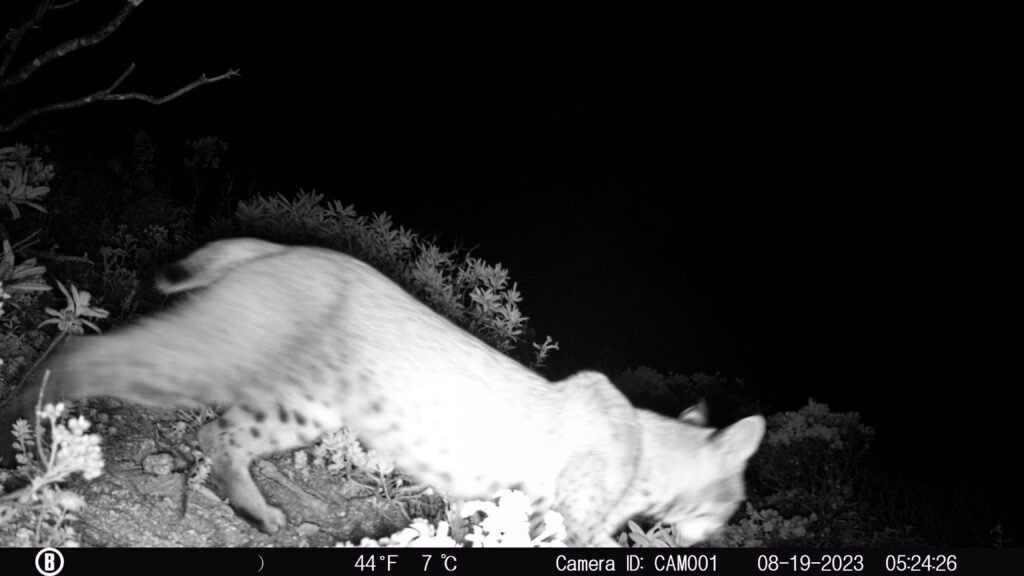
The scientific study of how wildlife population size, density, and structure change over time in response to birth, death, migration, and environmental factors.
Scope of Wildlife Rehabilitation Practice Wildlife rehabilitation addresses the short-term medical and husbandry needs of injured, orphaned, or displaced wild animals with the explicit goal of eventual release back into their natural habitat, distinguishing it from permanent captive care facilities such as zoos. Rehabilitators handle an enormous diversity of species, from songbirds and small mammals
Wildlife Rehabilitation Read More »
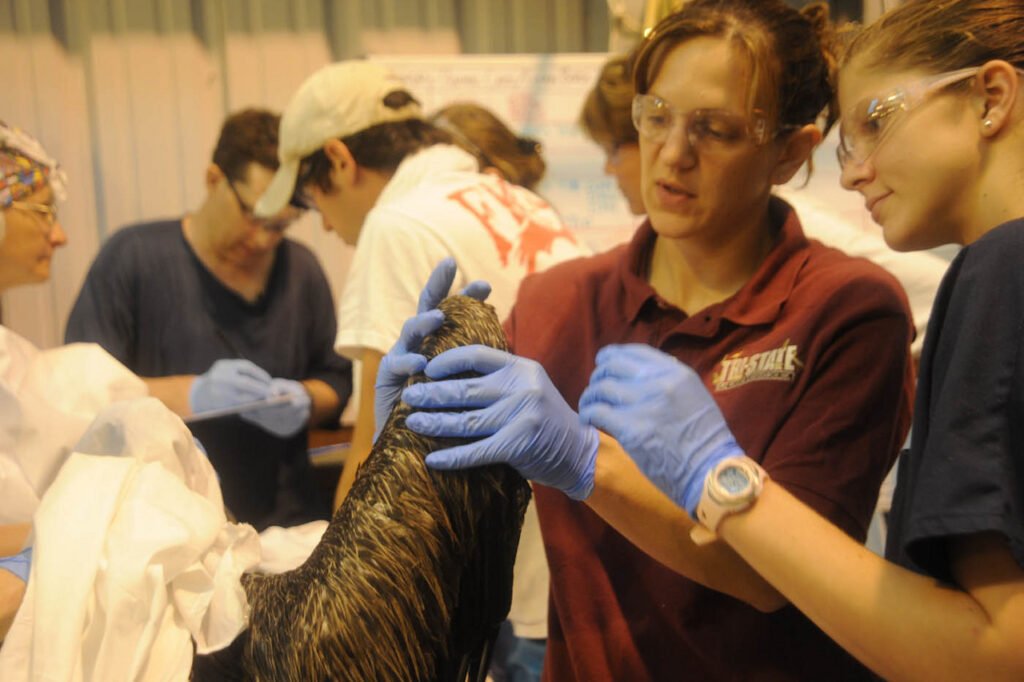
The veterinary and husbandry care of injured, orphaned, or displaced wild animals with the goal of returning them to their natural habitat.
Evolution of Zoo and Aquarium Practice Modern zoo and aquarium management has shifted substantially from earlier models emphasizing display and entertainment toward an integrated mission combining animal welfare, conservation, education, and scientific research. This evolution reflects both advancing scientific understanding of animal cognition and welfare needs and growing public expectation that these institutions justify their
Zoo and Aquarium Management Read More »
The professional operation of zoological and aquatic facilities, encompassing animal welfare, conservation breeding, visitor education, and scientific research.