What Supply Chain Resilience Means
Supply chain resilience is the capacity of a supply chain to anticipate potential disruptions, absorb their impact, and recover operations quickly, with minimal damage to cost, quality, or delivery performance. A resilient supply chain is not necessarily the cheapest one, but it is one that keeps functioning when conditions change unexpectedly.
Sources of Disruption
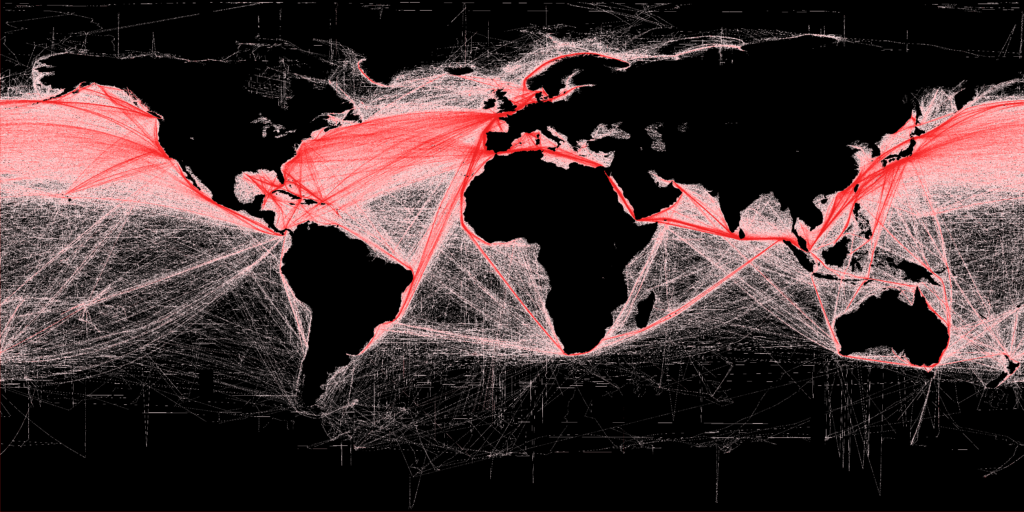
Supply chains face disruption from natural disasters, pandemics, geopolitical conflict, port congestion, cyberattacks, and sudden shifts in demand. Global events in recent years exposed how a single point of failure, such as one critical supplier or shipping lane, can ripple through an entire network and halt production far downstream.
Building Resilience
Common strategies include diversifying suppliers across multiple regions, holding strategic safety stock for critical components, nearshoring or reshoring production closer to end markets, and building redundant transportation routes. Some companies also invest in visibility tools that provide early warning of disruptions anywhere in their supplier network.
Measuring Resilience
Resilience can be measured through metrics such as time-to-recovery, which tracks how long operations take to return to normal after a disruption, and time-to-survive, which estimates how long a company can keep serving customers using existing inventory and alternative sources. These metrics help companies identify and prioritize their most vulnerable supply chain links.
Supplier Diversification
One of the most common resilience strategies is supplier diversification, which spreads sourcing across multiple suppliers in different geographic regions rather than relying on a single source for a critical component. While diversification can raise costs compared with concentrating purchases with one low-cost supplier, it reduces the risk that a single factory fire, political disruption, or natural disaster can halt an entire product line.
Nearshoring and Reshoring
Nearshoring moves production or sourcing closer to the end market, often to a neighboring country, while reshoring brings production back to the home country entirely. Both strategies trade some cost efficiency for shorter, more visible, and more controllable supply chains, and have gained renewed attention among companies seeking to reduce exposure to long-distance shipping disruptions and geopolitical risk.
Digital Visibility Tools
Supply chain visibility platforms use data feeds from suppliers, carriers, and ports to give companies early warning of potential disruptions anywhere in their network, from a weather event near a key port to a labor strike at a supplier facility. Early warning allows companies to activate contingency plans, such as expediting shipments or switching to backup suppliers, before a disruption fully impacts production.
Inventory Buffers and Strategic Stockpiles
While lean inventory practices like just-in-time reduce carrying costs, resilient supply chains often maintain strategic buffers of the most critical, hardest-to-substitute components, accepting some extra holding cost in exchange for protection against disruption. Governments have applied a similar logic at a national level, maintaining strategic reserves of materials such as semiconductors or medical supplies considered essential to economic or public health security.
Scenario Planning and Stress Testing
Resilient supply chain organizations use scenario planning to model how specific disruptions, such as a key port closure or a major supplier failure, would affect their operations, and to develop contingency plans in advance rather than improvising during an actual crisis. Stress testing a supply chain against multiple disruption scenarios helps identify hidden single points of failure before they cause real damage.
Organizational Resilience Culture
Beyond physical and technological measures, resilience depends on organizational practices such as cross-functional crisis response teams, clear decision-making authority during disruptions, and regular review of supplier risk profiles. Companies that treat resilience as an ongoing capability, rather than a one-time project after a crisis, tend to recover faster and sustain fewer losses when the next disruption occurs.
Collaboration Across the Supply Chain
Resilience increasingly depends on collaboration between companies and their suppliers, carriers, and even competitors, through shared risk information and joint contingency planning, rather than each company managing risk in isolation. Industry associations and government agencies in several sectors now coordinate information-sharing programs specifically aimed at giving companies earlier warning of supply chain threats that cross organizational boundaries.
Balancing Efficiency and Resilience
Supply chain resilience often comes at some cost to pure efficiency, since redundant suppliers, extra inventory, and diversified transportation routes all add expense compared with a tightly optimized, single-source supply chain. Companies increasingly treat this trade-off explicitly, deciding deliberately how much efficiency to sacrifice for resilience based on how critical and how vulnerable a given product or component is.
Regulatory and Policy Drivers
Governments in several regions have introduced policies encouraging domestic production of critical goods, such as semiconductors and pharmaceuticals, partly to strengthen national supply chain resilience, which in turn shapes corporate sourcing decisions beyond what pure cost calculations would otherwise favor.
Resilience as a Competitive Advantage
Companies that invest early in supply chain resilience often gain a competitive advantage during industry-wide disruptions, continuing to serve customers and gain market share while less-prepared competitors face stockouts, highlighting resilience as a strategic capability rather than simply a defensive cost center.
Resilience Metrics in Practice
Beyond time-to-recovery and time-to-survive, some companies track a supplier concentration ratio, measuring what share of a critical component comes from a single source, using this figure as an early internal warning indicator that a greater diversification effort may be warranted.
Resilience in Smaller Companies
Smaller companies often lack the scale to diversify suppliers as easily as large corporations, leading many to pursue resilience instead through close supplier relationships, shared risk monitoring with industry peers, and conservative safety stock policies for their most critical, hardest-to-replace inputs.
As global trade patterns keep shifting, supply chain resilience is expected to remain a top strategic priority for companies across nearly every industry, not a temporary response to a single past disruption.
Key facts
- Array
In the news
Quick checkWhat is supply chain resilience?Show answer
The ability of a supply chain to withstand disruptions and recover operations quickly.
Sources
- Array
Editorially reviewed by Specialty Digest Editorial TeamLast reviewed November 4, 2026Researched and drafted with AI assistanceReport an issue