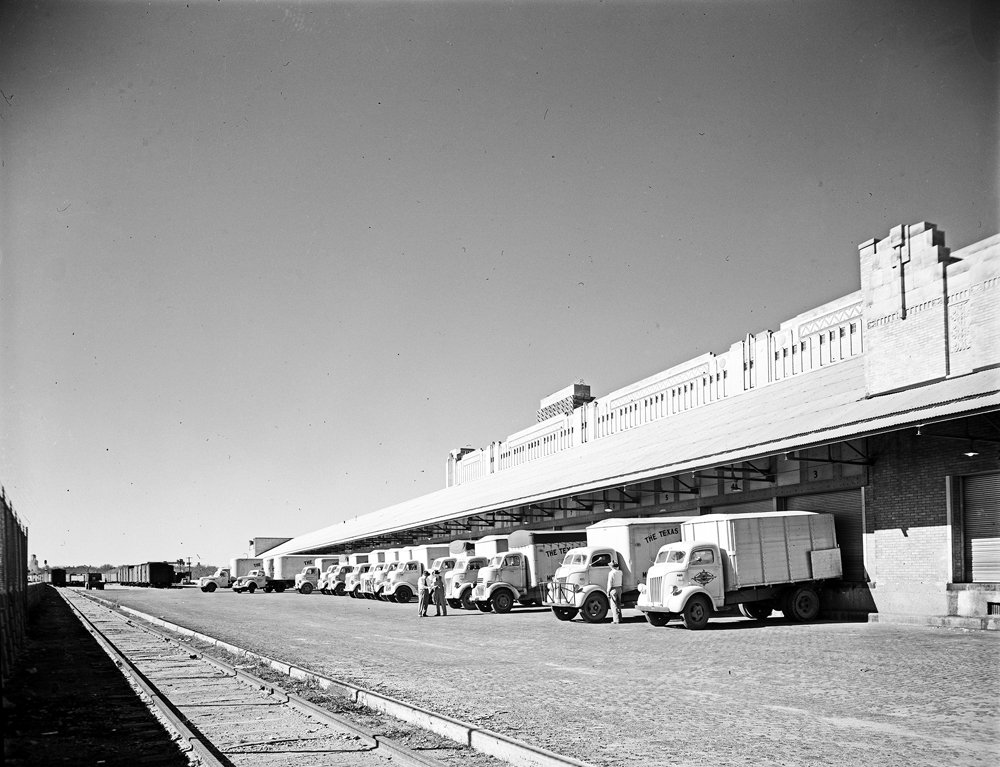
How Cross-Docking Works Cross-docking is a distribution practice in which incoming shipments are unloaded from inbound trucks or containers and transferred directly to outbound vehicles, with little or no time spent in warehouse storage. Goods typically move across a dock floor from one loading bay to another rather than being shelved. Why Companies Use Cross-Docking
Cross-Docking Read More »
Cross-docking is a logistics practice in which incoming goods from a supplier or manufacturer are unloaded and immediately transferred to outbound vehicles with minimal or no storage time.
Purpose of Demand Forecasting Demand forecasting predicts how much of a product or service customers will want in a future period. Logistics and supply chain teams use these forecasts to plan inventory levels, production schedules, warehouse staffing, and transportation capacity well in advance of actual orders arriving. Forecasting Methods Quantitative methods range from simple moving
Demand Forecasting Read More »
Demand forecasting is the process of predicting future customer demand for a product using historical data, market trends, and statistical or judgmental methods.
What a Distribution Center Does A distribution center is a facility built to receive large shipments of goods and quickly break them down into smaller shipments for delivery to stores, other warehouses, or directly to customers. Unlike a traditional storage warehouse, a distribution center is optimized for speed and throughput rather than holding inventory for
Distribution Center Read More »
A distribution center is a specialized warehouse facility designed to receive, store briefly, and redistribute goods efficiently to retailers, other warehouses, or end customers.
Purpose of Inventory Management Inventory management tracks and controls the goods a business holds at every stage, from raw materials to finished products ready for sale. Its central challenge is balance: too little inventory risks stockouts and lost sales, while too much ties up cash and increases storage, insurance, and obsolescence costs. Key Methods and
Inventory Management Read More »
Inventory management is the process of ordering, storing, tracking, and controlling a company's stock of raw materials, components, and finished goods.
Origins of Just-in-Time Just-in-time inventory emerged from the Toyota Production System, developed in Japan in the decades following World War II. The approach sought to eliminate waste by producing only what was needed, when it was needed, in the quantity needed, rather than building up large stockpiles of parts and finished goods. How JIT Works
Just-in-Time Inventory Read More »
Just-in-time inventory is a strategy that aligns raw material orders and production schedules closely with actual demand, reducing the amount of inventory held in stock.
What Logistics Management Covers Logistics management coordinates the physical flow of goods from suppliers through production to the end customer. It covers transportation planning, warehousing, inventory positioning, packaging, and order fulfillment. A logistics manager decides how goods move, where they are stored, and how quickly they reach their destination. Core Activities The discipline includes inbound
Logistics Management Read More »
Logistics management is the planning, execution, and control of the movement and storage of goods, services, and related information from point of origin to point of consumption.
What Reverse Logistics Covers Reverse logistics manages the flow of goods moving backward through the supply chain, from the customer back toward the manufacturer or a disposal point. This includes product returns, warranty repairs, recalls, recycling, and end-of-life disposal. It is the mirror image of traditional forward logistics, which moves goods toward the customer. Why
Reverse Logistics Read More »
Reverse logistics is the process of moving goods from their final destination back through the supply chain for returns, repair, recycling, or disposal.
What Supply Chain Resilience Means Supply chain resilience is the capacity of a supply chain to anticipate potential disruptions, absorb their impact, and recover operations quickly, with minimal damage to cost, quality, or delivery performance. A resilient supply chain is not necessarily the cheapest one, but it is one that keeps functioning when conditions change
Supply Chain Resilience Read More »
Supply chain resilience is the ability of a supply chain to anticipate, absorb, and recover quickly from disruptions while maintaining continuity of operations.
What a 3PL Provider Does A third-party logistics provider takes over one or more logistics functions on behalf of a client company. Typical services include warehousing, inventory management, order fulfillment, transportation, and sometimes freight forwarding or customs brokerage. Clients pay for these services instead of building and operating their own logistics infrastructure. Why Companies Use
Third-Party Logistics Read More »
Third-party logistics, often abbreviated 3PL, is the outsourcing of logistics and supply chain functions such as warehousing, transportation, and fulfillment to an external provider.
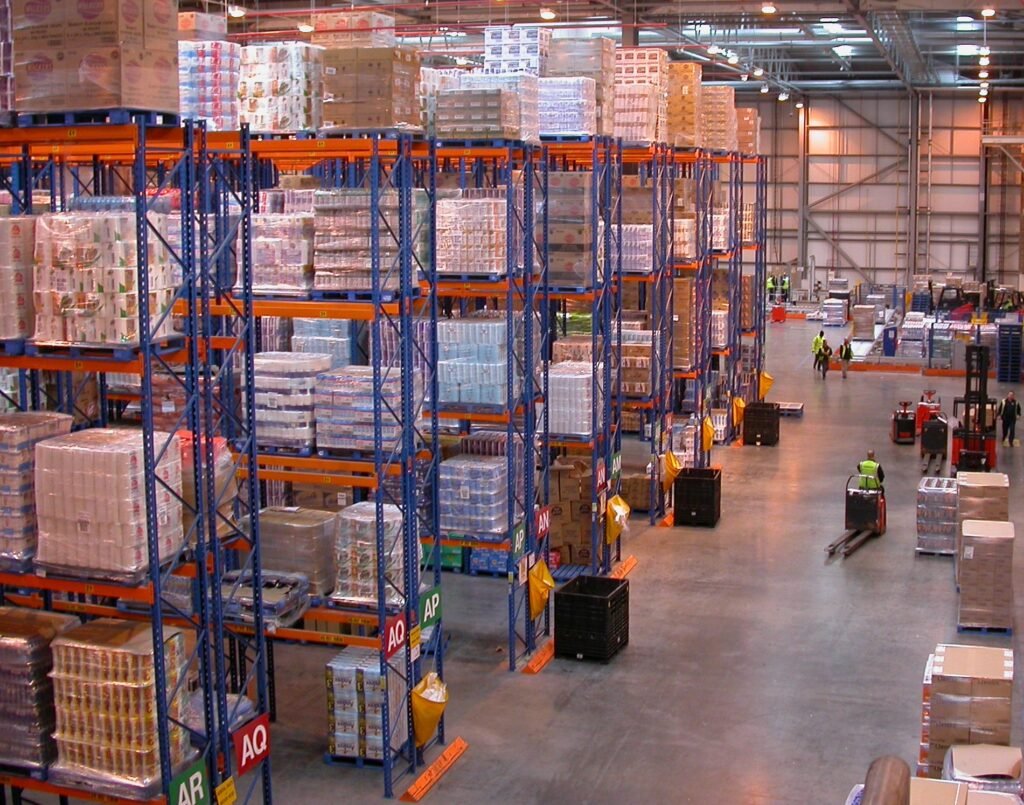
Core Warehouse Processes Warehouse management covers everything that happens inside a warehouse between the arrival of goods and their departure. The main process steps are receiving incoming shipments, put-away into storage locations, order picking, packing, and shipping. Each step must be coordinated so that inventory is accurately tracked throughout. Warehouse Management Systems A warehouse management
Warehouse Management Read More »
Warehouse management is the set of processes and systems used to control the day-to-day operations of a warehouse, including receiving, storage, picking, and shipping.