Edward Osborne Wilson (June 10, 1929 – December 26, 2021) was an American biologist and naturalist born in Birmingham, Alabama. A leading authority on ants, he spent his career at Harvard University, helped develop the theory of island biogeography, founded the field of sociobiology and became one of the most influential advocates of biodiversity conservation.
E. O. Wilson Read More »
Edward O. Wilson (1929-2021) was a Birmingham-born biologist, ant specialist and two-time Pulitzer Prize winner who popularized the study of biodiversity.
Ernest Gruening (6 February 1887 – 26 June 1974) was an American journalist and Democratic politician who served as governor of Alaska Territory and later as a U.S. senator from Alaska. He is known as the “Father of Alaska statehood.”[1] Alaska statehood history. Photo: Gillfoto / CC BY-SA 4.0. Born 6 Feb 1887, New York
Ernest Gruening Read More »
Territorial governor and senator, called the Father of Alaska statehood.
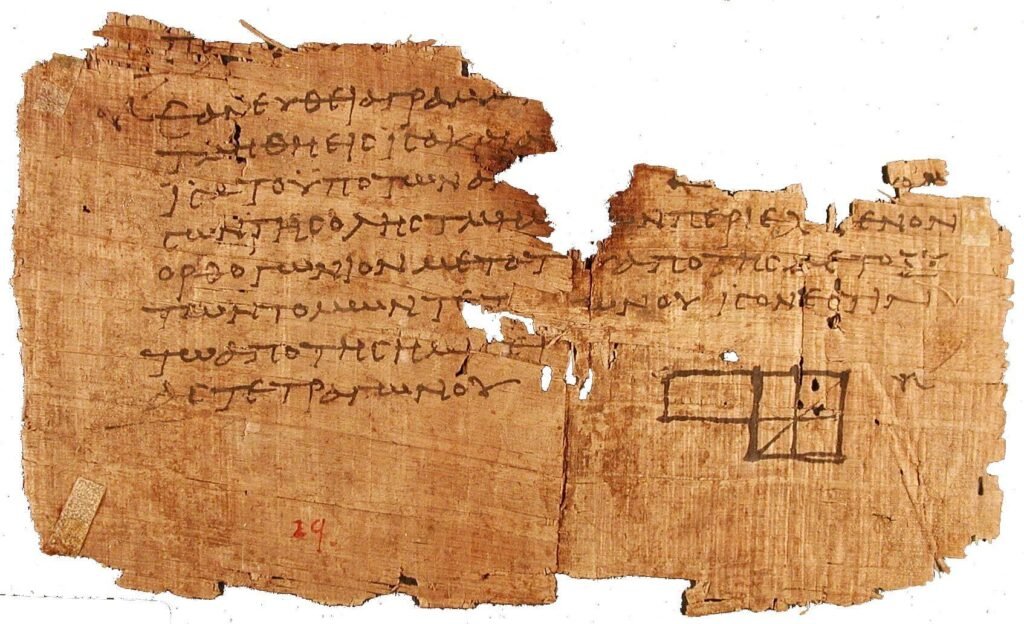
Euclid was a Greek mathematician who taught in Alexandria, Egypt, around 300 BCE and wrote the Elements, often described as one of the most influential textbooks ever written. Almost nothing is known about his life, and scholars give only approximate dates. The Elements presents geometry and number theory as a chain of logical proofs built
Euclid Read More »
Greek mathematician of Alexandria (about 300 BCE) who wrote the Elements, the foundational treatise on geometry and number theory.
Fannie Flagg was born Patricia Neal on September 21, 1944, in Birmingham, Alabama. An actress, comedian and author active since 1966, she is best known for the novel Fried Green Tomatoes at the Whistle Stop Cafe (1987), which spent 36 weeks on The New York Times bestseller list and became a 1991 film she co-wrote.[1][2]
Fannie Flagg and Fried Green Tomatoes at the Whistle Stop Cafe Read More »
Fannie Flagg is an American actress and novelist, born in Birmingham in 1944, whose 1987 novel Fried Green Tomatoes at the Whistle Stop Cafe became a 1991 film.
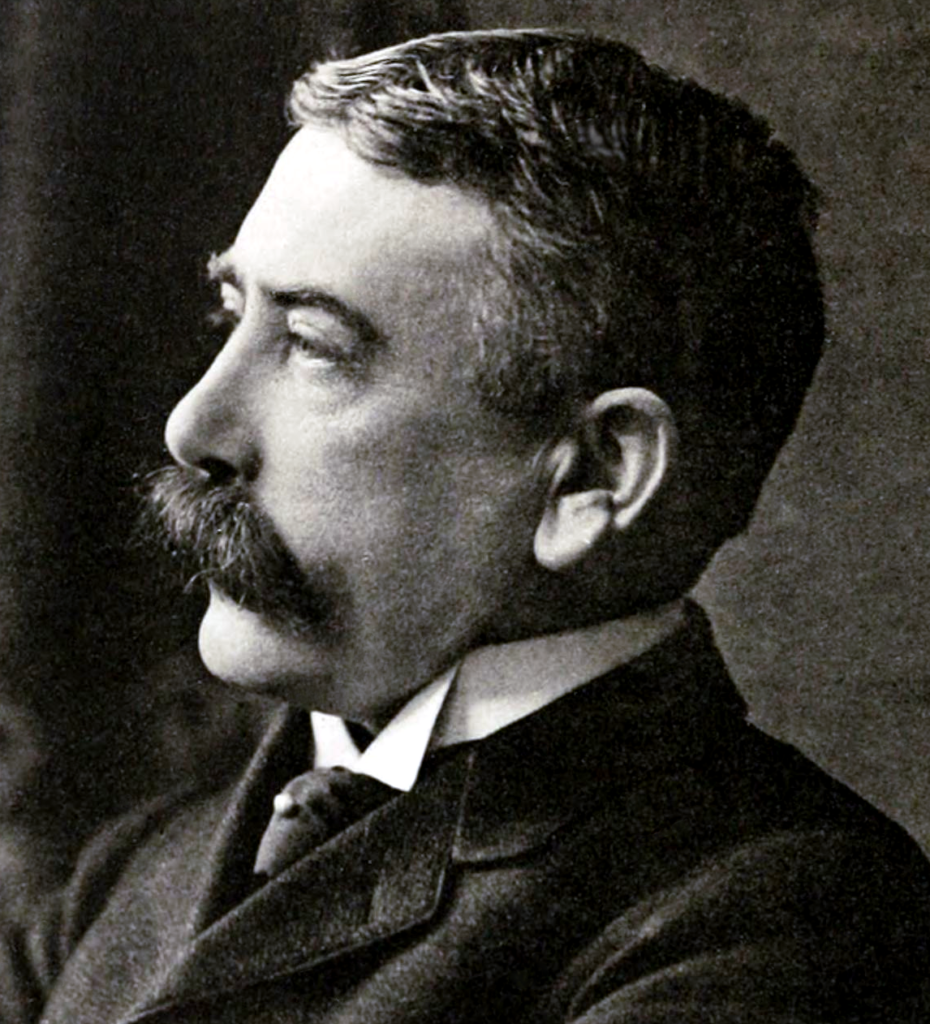
Ferdinand de Saussure (1857 to 1913) was a Swiss linguist whose ideas became the foundation of structural linguistics and, later, of structuralism across the humanities and social sciences. He argued that language should be studied as a system of signs, in which each element gets its value from its relations to the others. His ideas
Ferdinand de Saussure Read More »
Swiss linguist whose Course in General Linguistics founded structural linguistics and shaped structuralism.
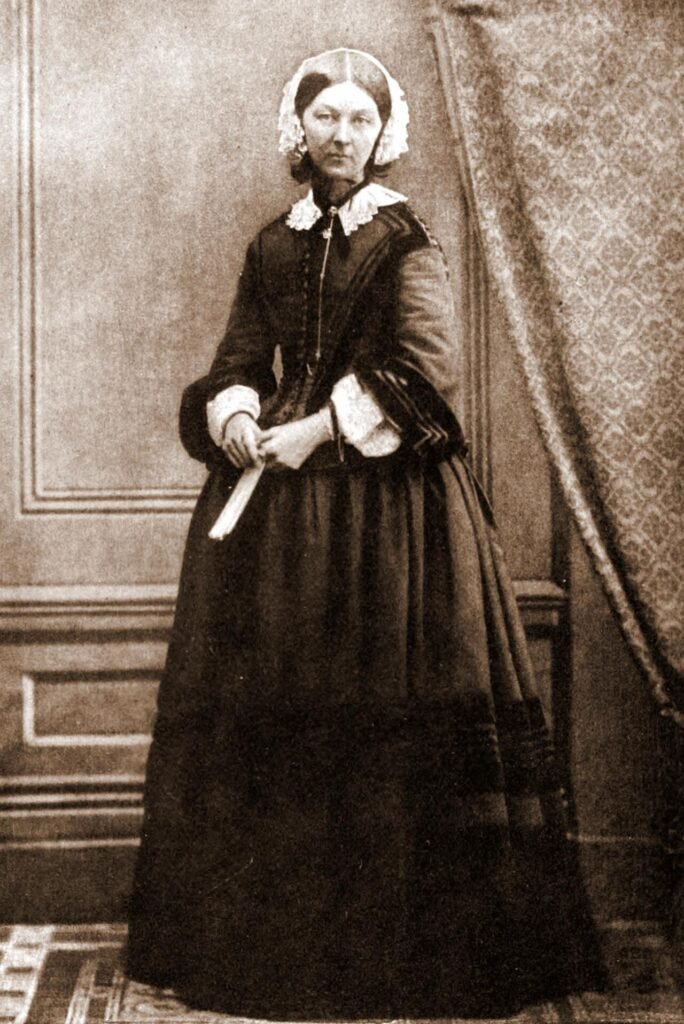
Florence Nightingale (1820 to 1910) was an English nurse, reformer and statistician who is regarded as the founder of modern nursing. She became famous for her work in army hospitals during the Crimean War and later used data and public campaigns to improve sanitation, hospital design and nurse training. Early life of Florence Nightingale Florence
Florence Nightingale Read More »
Florence Nightingale was an English nurse and statistician who founded modern nursing after her work in Crimean War hospitals.
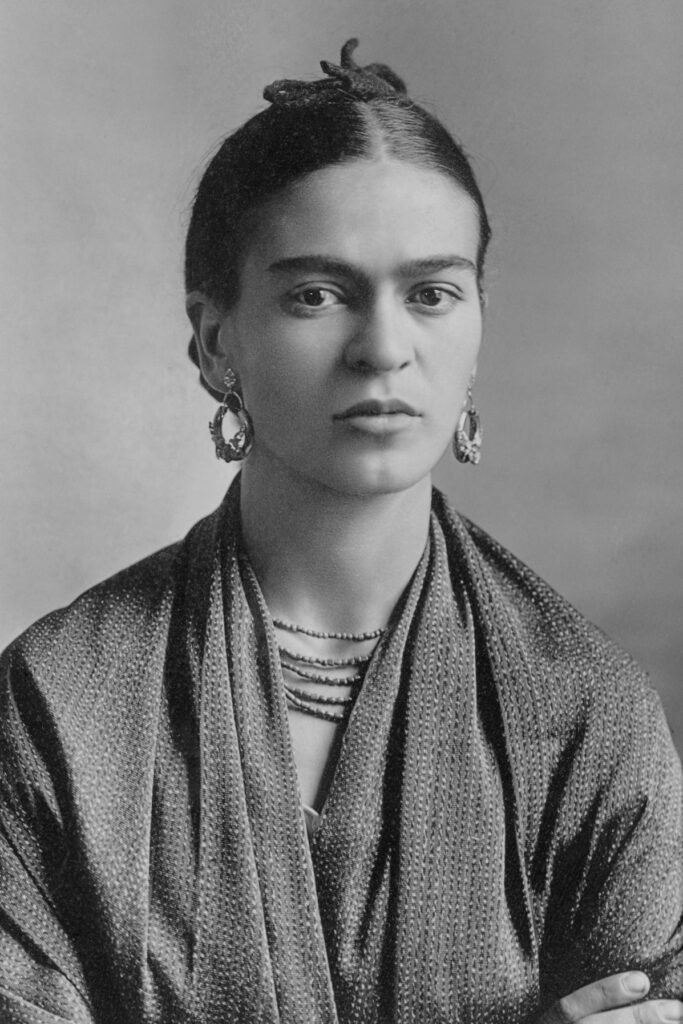
Frida Kahlo (1907 to 1954) was a Mexican painter best known for her self-portraits, which draw on Mexican folk art, her own physical suffering and the history of her country. She was born in Coyoacán, now part of Mexico City, and spent much of her life in the family home known as the Casa Azul.
Frida Kahlo Read More »
Frida Kahlo (1907 to 1954) was a Mexican painter famous for self-portraits that combine folk art, personal pain and Mexican history.
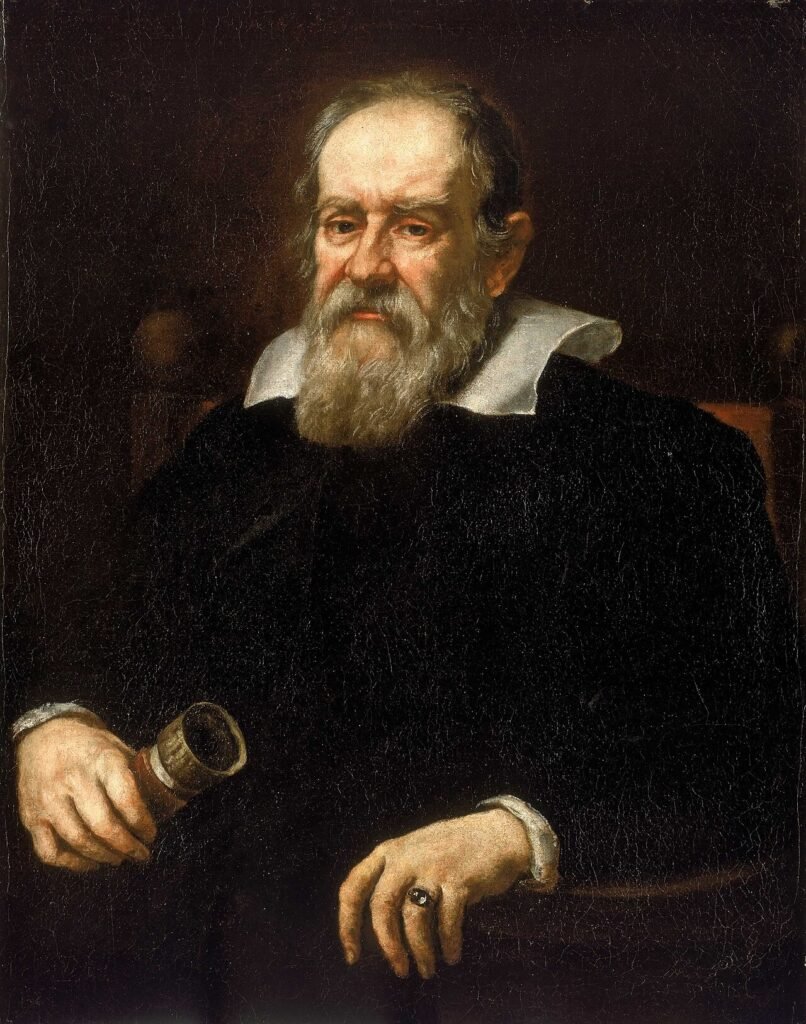
Galileo Galilei (1564 to 1642) was an Italian mathematician, astronomer and natural philosopher. He used an improved telescope to gather evidence that not everything in the sky circles the Earth, and he described how falling bodies move. In 1633 the Roman Inquisition convicted him of vehement suspicion of heresy, and he lived under house arrest
Galileo Galilei Read More »
Galileo Galilei was an Italian mathematician and astronomer who used the telescope, studied motion, and was tried by the Inquisition in 1633.
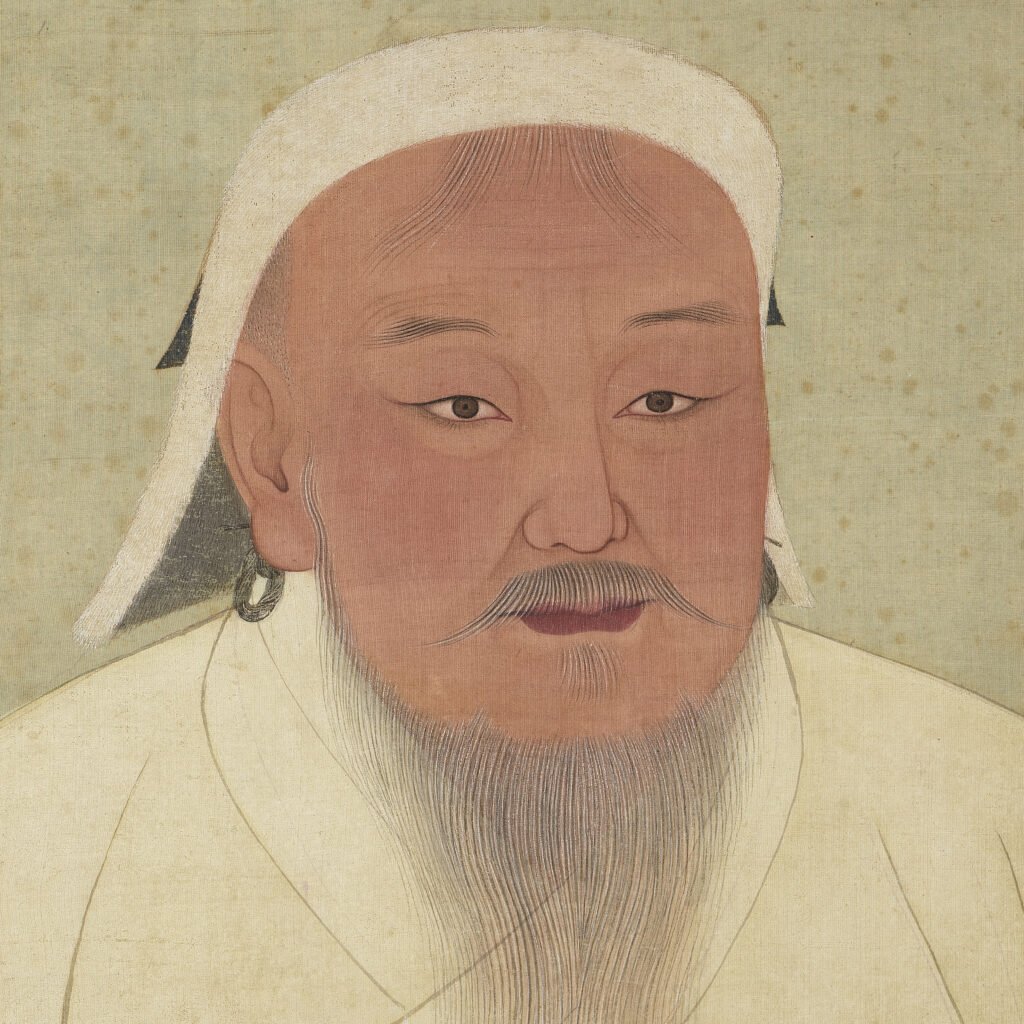
Genghis Khan (also spelled Chinggis Khan) was the founder of the Mongol Empire and ruled it as its first Great Khan from 1206 until his death in 1227. He was born Temujin, and he took the title Genghis Khan, probably meaning universal ruler, after uniting the Mongol tribes. His armies conquered large parts of northern
Genghis Khan Read More »
Founder of the Mongol Empire who united the Mongol tribes in 1206 and ruled as Great Khan until his death in 1227.
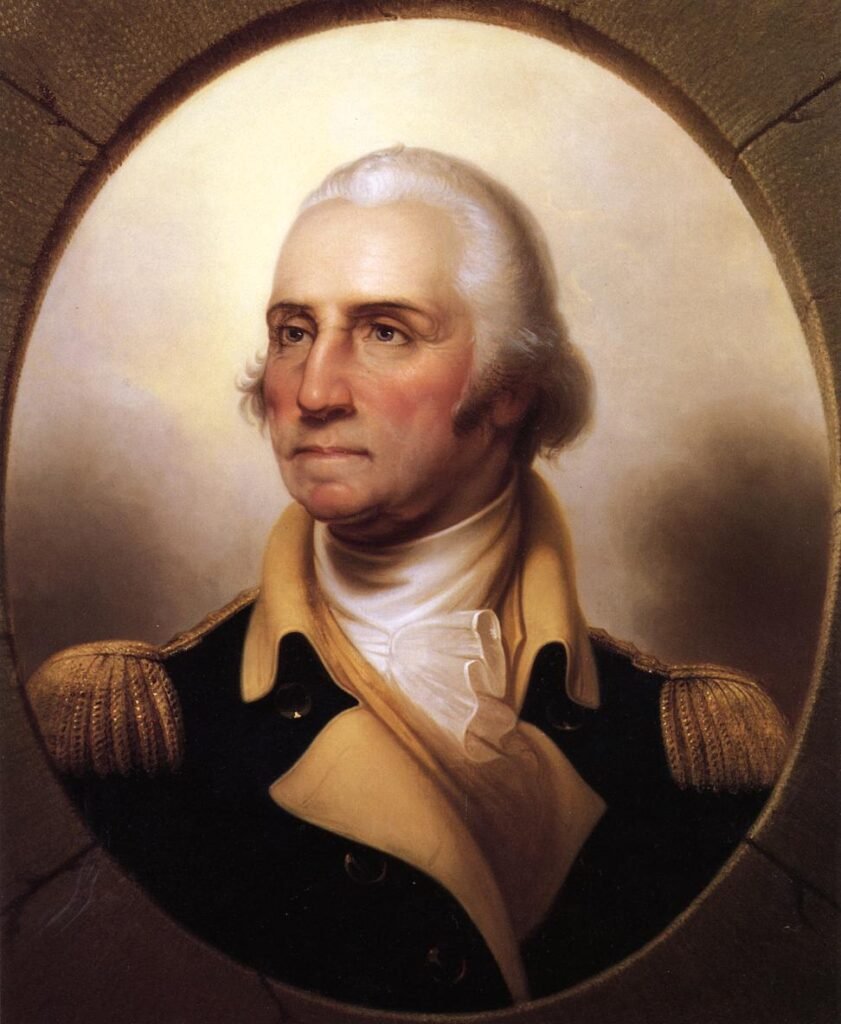
George Washington (1732 to 1799) was the commander of the Continental Army during the American Revolutionary War and the first president of the United States, serving from 1789 to 1797. He also presided over the Constitutional Convention of 1787. He is often called the Father of His Country, and he died at Mount Vernon, Virginia,
George Washington Read More »
Commander of the Continental Army and first president of the United States, who served from 1789 to 1797.