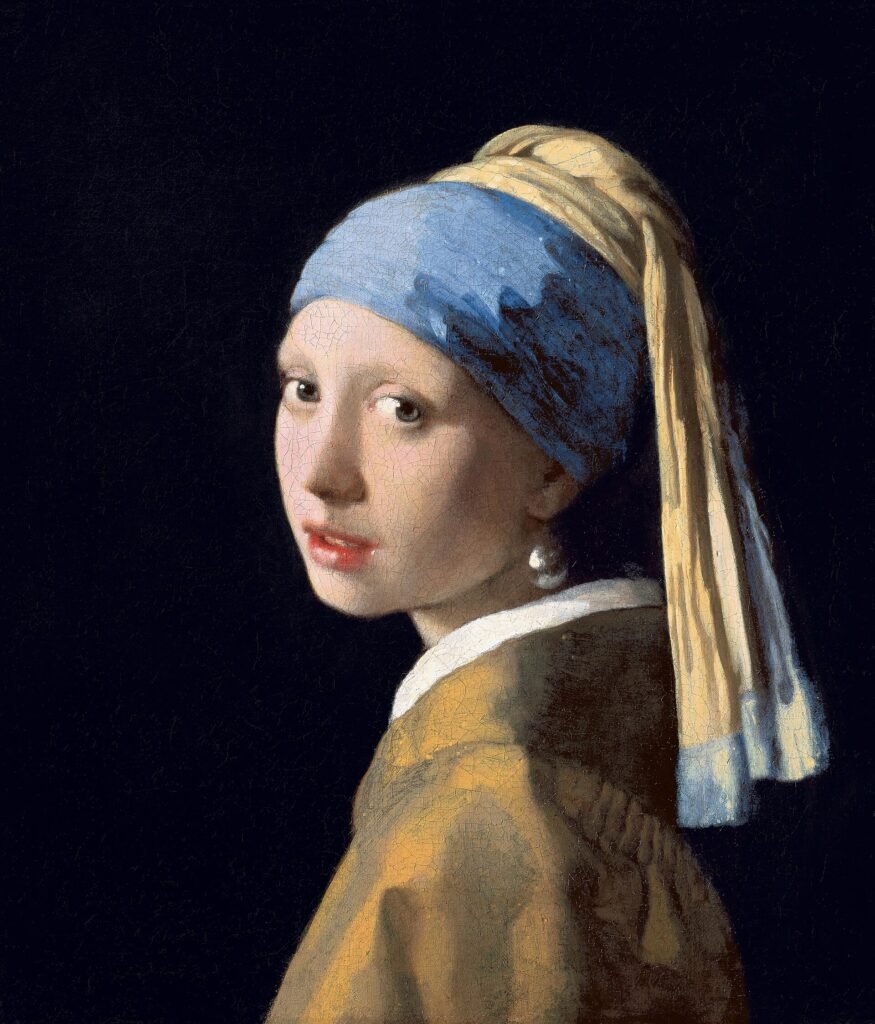
Girl with a Pearl Earring is an oil painting by the Dutch artist Johannes Vermeer, made around 1665 and held by the Mauritshuis museum in The Hague. It measures 44.5 by 39 centimeters and shows a young woman in a turban looking over her shoulder. It is not a portrait but a tronie, a Dutch
Girl with a Pearl Earring Read More »
Johannes Vermeer's oil painting of about 1665, a tronie of a young woman in a turban, held by the Mauritshuis in The Hague.
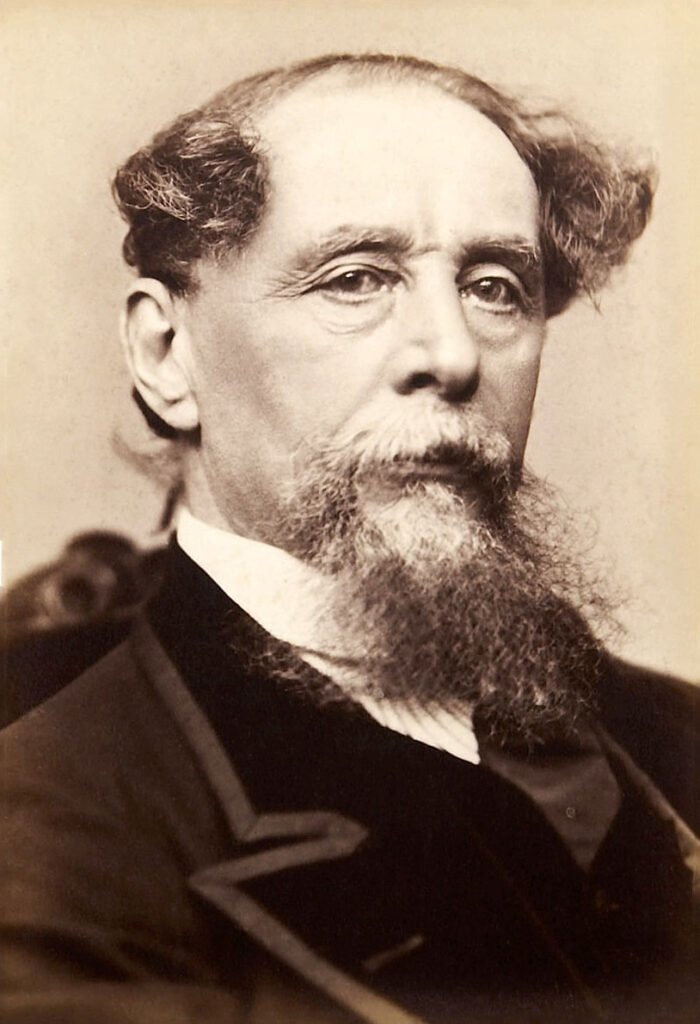
Great Expectations is a novel by the English writer Charles Dickens, first published as a weekly serial between December 1860 and August 1861. It follows Pip, an orphan from the Kent marshes who comes into a mysterious fortune and moves to London to become a gentleman. The book is a story of growing up, in
Great Expectations Read More »
An 1860-1861 novel by Charles Dickens about the orphan Pip, his unexpected fortune and his lessons about class and conscience.
In simple terms Hamlet is a tragedy by William Shakespeare, written around 1600, about a Danish prince who learns his father was murdered and struggles over whether and how to take revenge. [1] What it’s about The play opens with the ghost of the recently deceased King of Denmark appearing to his son, Prince Hamlet,
Hamlet Read More »
Hamlet is a tragedy by William Shakespeare, written around 1600, about a Danish prince who seeks revenge for his father's murder.
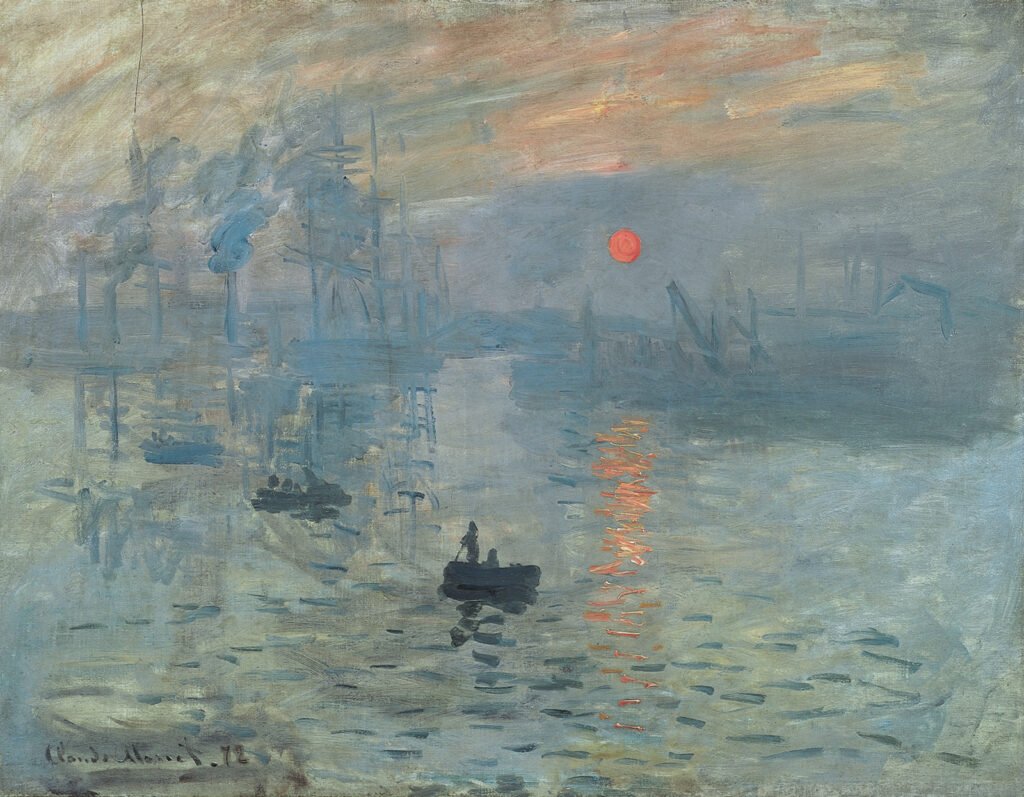
Impression, Sunrise, or Impression, soleil levant in French, is an oil painting by Claude Monet of the harbor of Le Havre in the early morning mist. The Musée Marmottan Monet in Paris, which owns it, dates it to 1872. Shown in 1874, it supplied the name of Impressionism, the art movement that Monet and his
Impression, Sunrise Read More »
Claude Monet's 1872 painting of Le Havre harbor at dawn, whose title gave Impressionism its name.
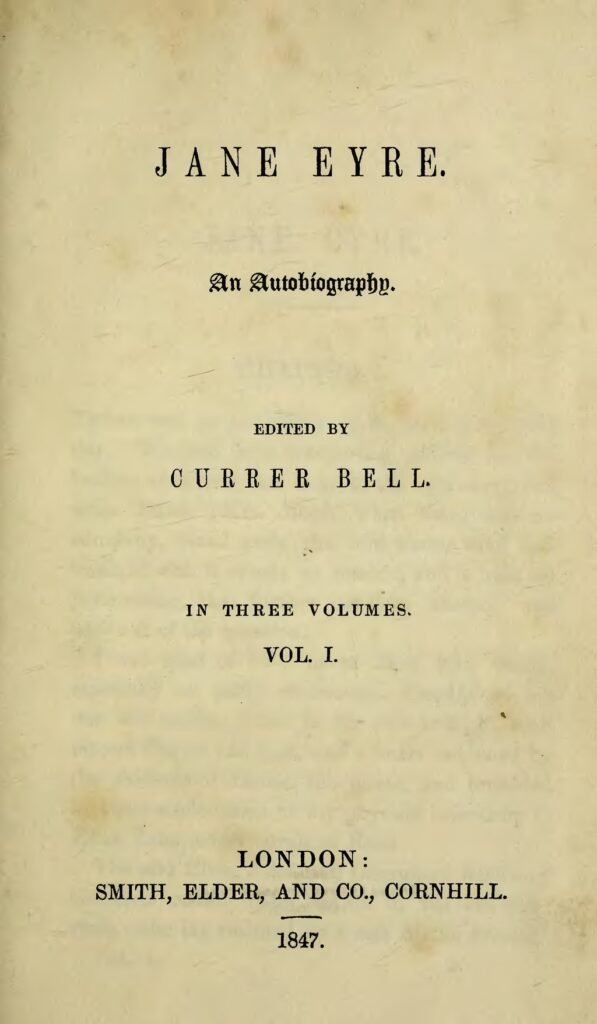
Jane Eyre is a novel by the English writer Charlotte Brontë (1816 to 1855), published in 1847 under the pseudonym Currer Bell. It follows an orphaned girl who grows into a governess and who insists on her own moral independence, even when she falls in love with her employer, Mr. Rochester. It was the first
Jane Eyre Read More »
An 1847 novel by Charlotte Brontë, published as by Currer Bell, about an orphan who becomes a governess and insists on independence.
King Lear is a tragedy by William Shakespeare about an aging king of ancient Britain who divides his kingdom among his three daughters and then loses his power, his sanity and his family. Scholars date its writing to 1605 or 1606. It was performed at court on 26 December 1606 and first printed in 1608,
King Lear Read More »
Shakespeare's tragedy, written around 1605 or 1606, about an aging British king who divides his kingdom among his daughters.
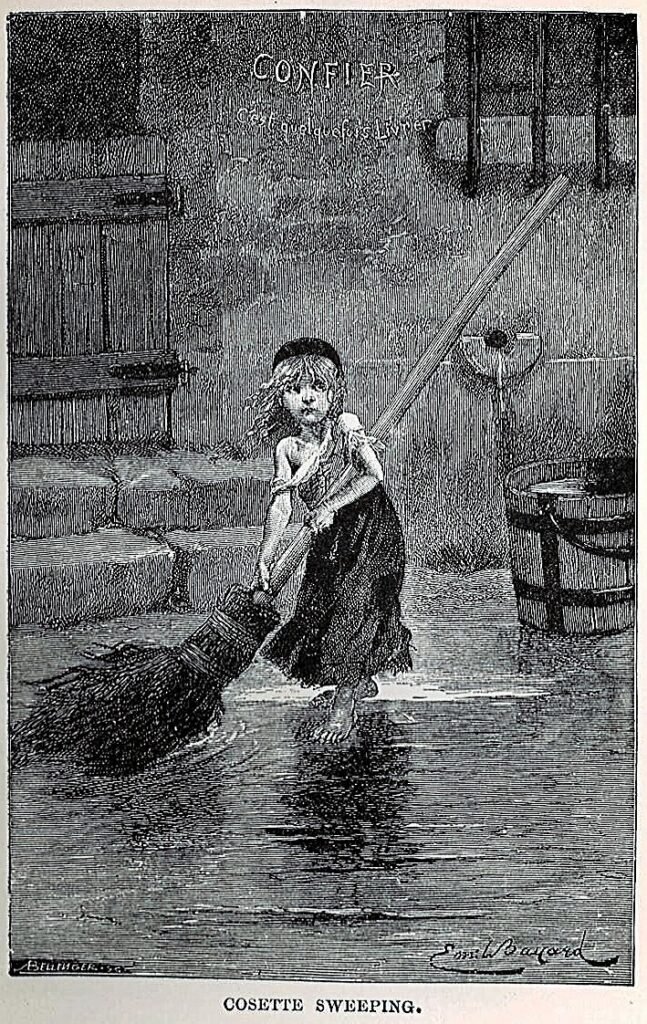
Les Misérables is a French historical novel by Victor Hugo, published in 1862. It runs from 1815 to the June Rebellion of 1832 in Paris and follows the ex-convict Jean Valjean as he tries to build an honest life while the police inspector Javert pursues him. Hugo uses the story to examine law, poverty and
Les Misérables Read More »
French historical novel by Victor Hugo, published in 1862, following the ex-convict Jean Valjean through law, poverty and redemption.
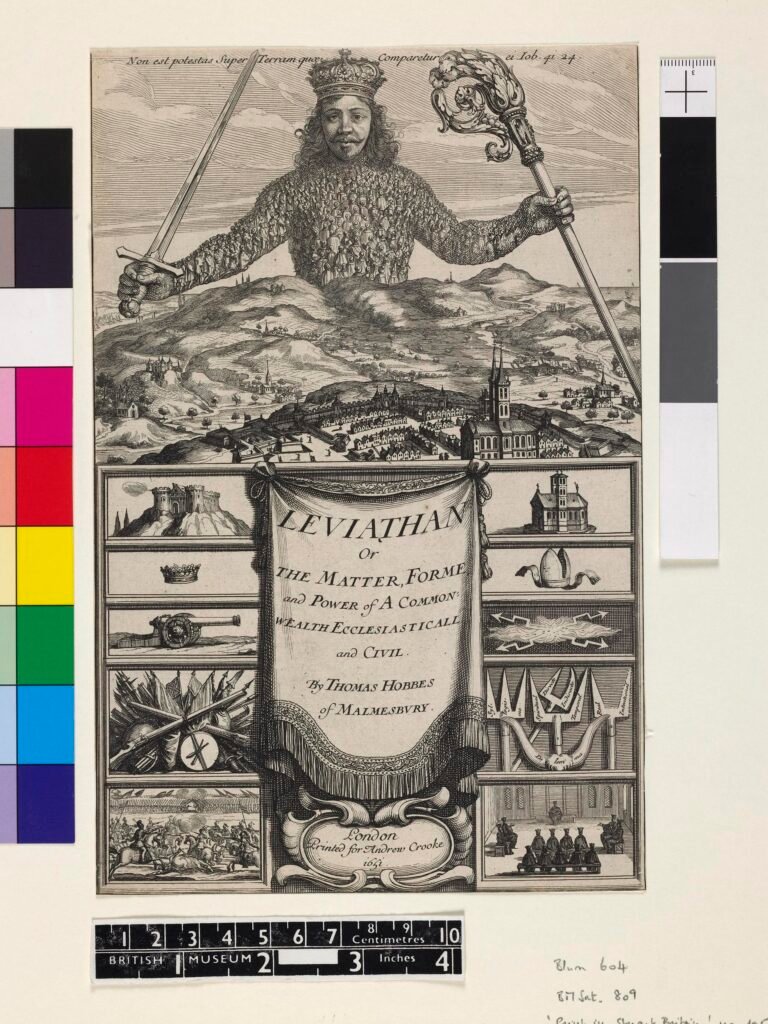
Leviathan is a work of political philosophy by the English thinker Thomas Hobbes, published in London in 1651. It argues that people living without a common authority would fall into constant conflict, and that they should therefore give up some of their freedom to a powerful sovereign who keeps the peace. Its title refers to
Leviathan Read More »
Political philosophy work by Thomas Hobbes, published in 1651, arguing that a strong sovereign is needed to avoid civil war.
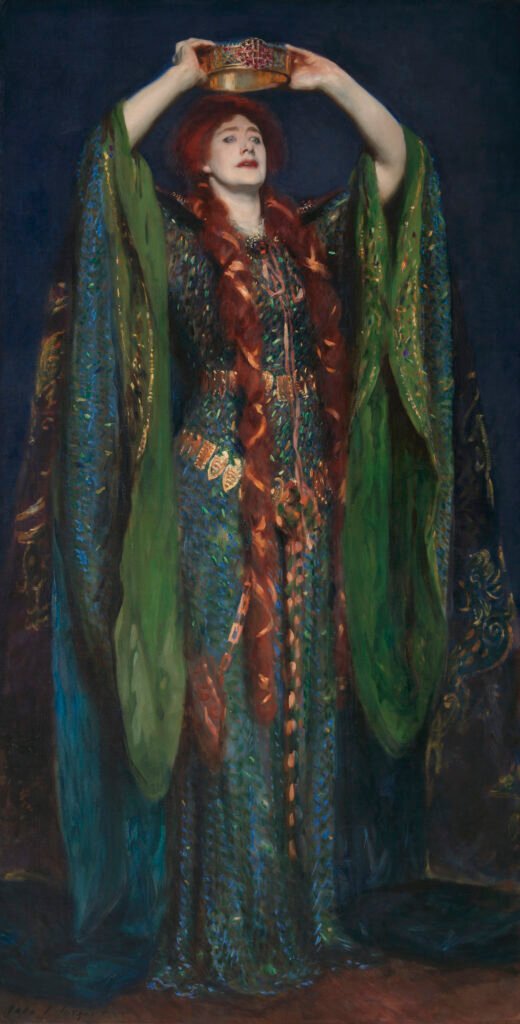
Macbeth is a tragedy by William Shakespeare about a Scottish nobleman who murders his king after a prophecy by three witches and is then destroyed by guilt and violence. It was probably written around 1606 or 1607, and its only early text is the First Folio of 1623. The Royal Shakespeare Company notes that the
Macbeth Read More »
Shakespeare's tragedy, written around 1606, about a Scottish lord who murders his king after a witches' prophecy.
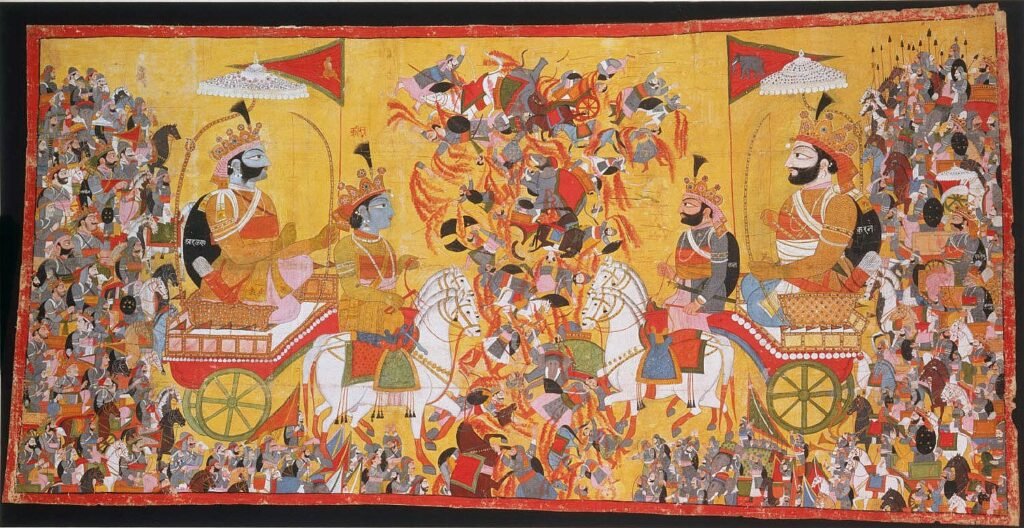
The Mahabharata is an ancient Sanskrit epic of India, traditionally credited to the sage Vyasa, that tells of the rivalry between two branches of a royal family, the Pandavas and the Kauravas, and of their war at Kurukshetra for the throne of Hastinapura. By the traditional count it has about 100,000 verses, which makes it
Mahabharata Read More »
The Mahabharata is an ancient Sanskrit epic of India about the rival Pandava and Kaurava families and the war at Kurukshetra.