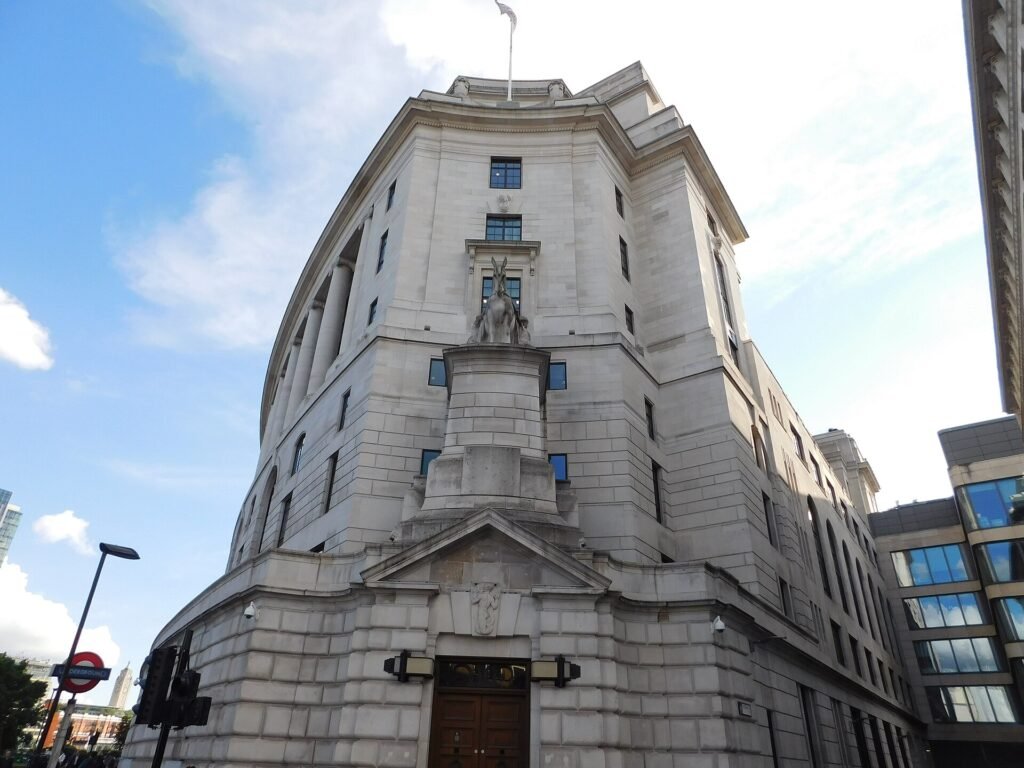
Unilever is a British multinational consumer goods company headquartered in London that makes beauty, personal care, home care and food products under brands such as Dove, Knorr, Hellmann’s and Vaseline. It reported turnover of 50.5 billion euros for 2025, and about 78 percent of that came from its group of Power Brands.
History of Unilever
Unilever was formed in 1929 and 1930 through the combination of two businesses. One was Lever Brothers, a British soap maker founded by William Lever. The other was Margarine Unie, a Dutch margarine producer that had itself grown from a merger of several Dutch and European firms. Lever Brothers had been founded in 1885 by William Lever and his brother James, and its Sunlight soap helped it grow quickly in Britain. The company later built Port Sunlight, a model village near Liverpool, to house its workers. Both companies bought large amounts of the same raw materials, including vegetable oils and fats, which was one reason the merger made commercial sense.
For most of its history Unilever operated under a dual structure, with a British parent company, Unilever PLC, and a Dutch parent company, Unilever N.V. The two were run as one business through contractual agreements. In 2020 the company unified the structure under a single parent company, Unilever PLC, which is registered in England. The company’s annual report lists its principal executive offices at 100 Victoria Embankment in London.
Over the decades the company expanded through acquisitions in foods, home care and, more recently, prestige beauty and wellbeing. Its annual report names Paula’s Choice, a skin care brand, and Horlicks, a malted drink brand, among businesses it has acquired.
Products and services
Unilever sells everyday products used in homes in most countries. Its categories include skin care, hair care, deodorants, oral care, laundry, household cleaning, soups, sauces, mayonnaise and nutrition products. Its annual report mentions Knorr, Hellmann’s and Horlicks, and its familiar personal care names include Dove, Vaseline and Axe.
The company’s reporting has recently been organized around business groups. Its 2025 results describe Beauty and Wellbeing, Personal Care, Home Care and Nutrition, alongside an Ice Cream business that was separated during the year. A small number of Power Brands, which are the company’s largest and fastest-growing names, account for most of its turnover. In 2025 these brands made up 78 percent of turnover, and the company reported that they grew faster than the group, with underlying sales growth of 4.3 percent and underlying volume growth of 2.2 percent.
Corporate structure and operations
Unilever PLC is a publicly traded company, and it files an annual report on Form 20-F with the United States Securities and Exchange Commission because its shares also trade in the United States. The report for 2025 was filed in March 2026.
In 2025 the company separated its ice cream business. According to the annual report, the discontinued ice cream operations generated 7.7 billion euros of turnover in 2025, with an operating profit of 0.7 billion euros, and the company recorded a gain on the demerger. A demerger is a process in which a company distributes a division to its shareholders as a separate listed company, here named The Magnum Ice Cream Company. The report says free cash flow of 5.9 billion euros was lower than the prior year mainly because of ice cream demerger costs.
Key figures for 2025, reported by the company, include:
- Turnover of 50.5 billion euros, down 3.8 percent from 52.5 billion euros in 2024, because of currency movements and net disposals.
- Underlying sales growth of 3.5 percent, with positive underlying volume growth in all four quarters.
- A gross margin of 46.9 percent and an underlying operating margin of 20.0 percent.
Underlying sales growth is a measure that removes the effects of currency changes, acquisitions and disposals, so it can differ sharply from reported turnover growth. The company also links part of its executive pay to a sustainability progress index, according to its remuneration report.
The annual report describes the company’s current strategy with three ideas. The first is a model it calls Desire at Scale, which aims to improve the offering of its brands and execute well in each market. The second is a high-performance culture that it calls Play to Win. The third is a faster, simpler and technology-enabled organization that it describes as fit for the age of artificial intelligence.
Impact of Unilever
Unilever’s products reach consumers through supermarkets, small neighborhood stores, pharmacies and online retailers. It has long emphasized emerging markets, where small stores and informal retail still account for a large share of sales, and this shapes its packaging, pricing and distribution.
The company is a frequent case study in brand equity, market segmentation and supply chain management, since it sells hundreds of local and global brands and depends on agricultural inputs such as palm oil, tea and tomatoes. It also reports on its efforts to cut its carbon footprint and to source raw materials more sustainably.
Challenges and criticism
The company is also changing shape. With the ice cream business gone, the remaining group is more focused on beauty, personal care, home care and nutrition, and the company is concentrating its investment on its largest brands. The company’s current priorities, set out in its 2025 report, are to speed up its transformation, strengthen its biggest brands and simplify its organization. Its annual report describes a strategic framework built on offering stronger products, a performance culture and a faster, technology-enabled organization.
Like other makers of packaged goods, Unilever faces scrutiny over plastic packaging, ingredient sourcing and marketing claims, and regulators and campaign groups continue to question corporate sustainability targets across the industry. The company’s own risk disclosures cover raw material costs, competition from private-label products, and changing consumer habits. This entry is general background and not investment advice.
More in Management
Key facts
- Unilever lists its principal executive offices at 100 Victoria Embankment, London.1
- Unilever reported turnover of 50.5 billion euros for 2025, down 3.8 percent from 2024.12
- Power Brands made up 78 percent of turnover in 2025.1
- Underlying sales growth in 2025 was 3.5 percent, with a gross margin of 46.9 percent.1
- The ice cream business was demerged in 2025 and produced 7.7 billion euros of discontinued turnover.1
Related concepts
Quick checkWhere does Unilever have its headquarters?Show answer
Unilever is a British company, and its annual report lists its principal executive offices at 100 Victoria Embankment in London.
Sources
- Unilever PLC, Annual Report on Form 20-F 2025, U.S. Securities and Exchange Commission, https://www.sec.gov/Archives/edgar/data/217410/000021741026000007/ul-20251231.htm
- Unilever PLC, 2025 Full Year Results (regulatory announcement), https://www.investegate.co.uk/announcement/rns/unilever--ulvr/2025-full-year-results/9426818
Editorially reviewed by Specialty Digest Editorial TeamLast reviewed November 4, 2026Researched and drafted with AI assistanceReport an issue