In simple terms A cruise missile is a guided weapon that flies like an aircraft rather than arcing through space. A jet engine drives it for most or all of its flight. It stays inside the atmosphere, follows a route it can adjust, and can be launched from land, ships, submarines or aircraft. How it
Cruise missile Read More »
A cruise missile is an unmanned weapon that flies to its target through the atmosphere, powered the whole way like a small aircraft.
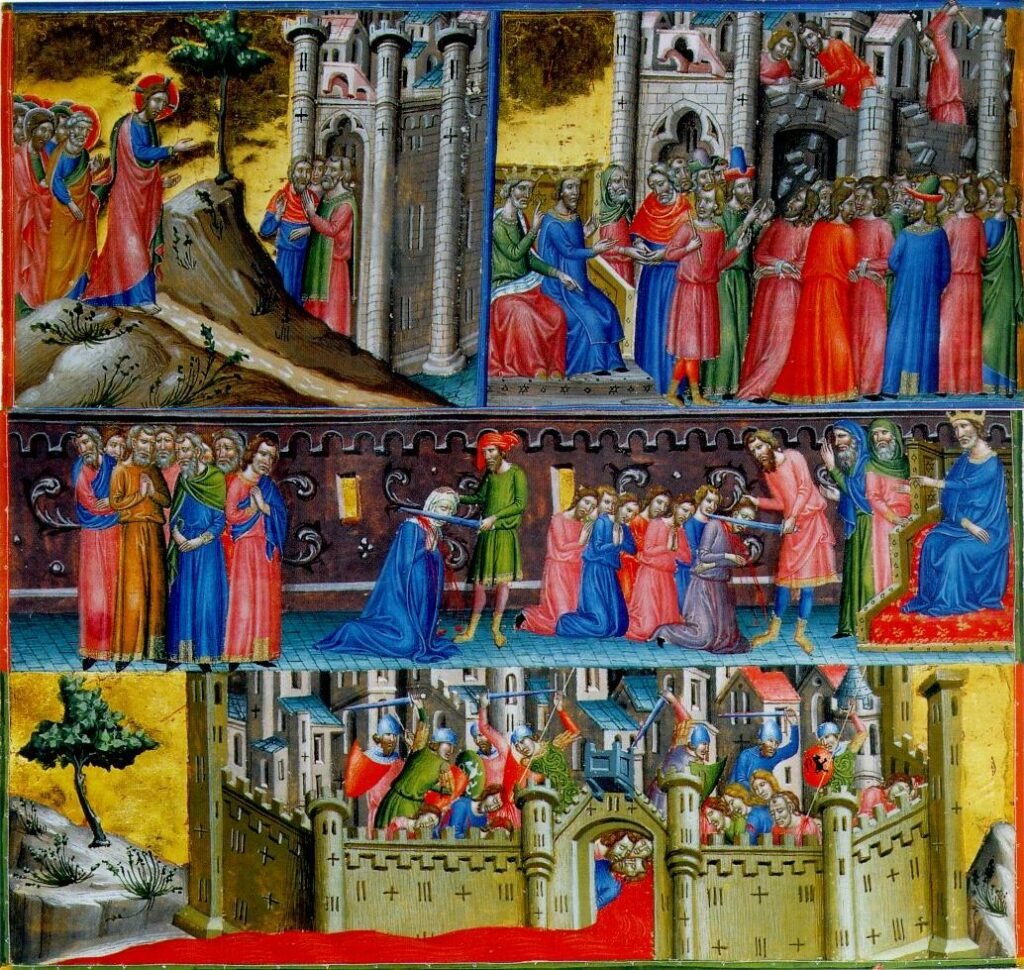
Overview The Crusades were a series of religiously motivated military campaigns, primarily occurring between the eleventh and thirteenth centuries, through which Western European Christian forces sought to recover and defend territory in the Holy Land that had come under Muslim political control in preceding centuries. The First Crusade Pope Urban II call to arms in
Crusades Read More »
The Crusades were a series of religiously motivated military campaigns, primarily between the eleventh and thirteenth centuries, aimed at recovering and defending Christian-held territory in the Holy Land.
Crystal structure refers to the specific, repeating three-dimensional arrangement of atoms, ions, or molecules within a crystalline solid, which repeats at regular intervals in every direction to form what materials scientists call a lattice. This underlying atomic geometry, rather than a material’s chemical composition alone, is often the single biggest factor determining properties such as
Crystal structure Read More »
The repeating three-dimensional arrangement of atoms in a crystalline solid that determines its properties.
Cubism is an early twentieth-century art movement that broke objects and figures into fragmented geometric planes, often showing multiple viewpoints of the same subject simultaneously, rather than depicting a scene from a single, fixed vantage point the way centuries of Western painting tradition, built on linear perspective, generally had. Developed jointly by Pablo Picasso and
Cubism Read More »
An early 20th-century art movement, developed by Picasso and Braque, that fragments subjects into geometric planes and multiple viewpoints.
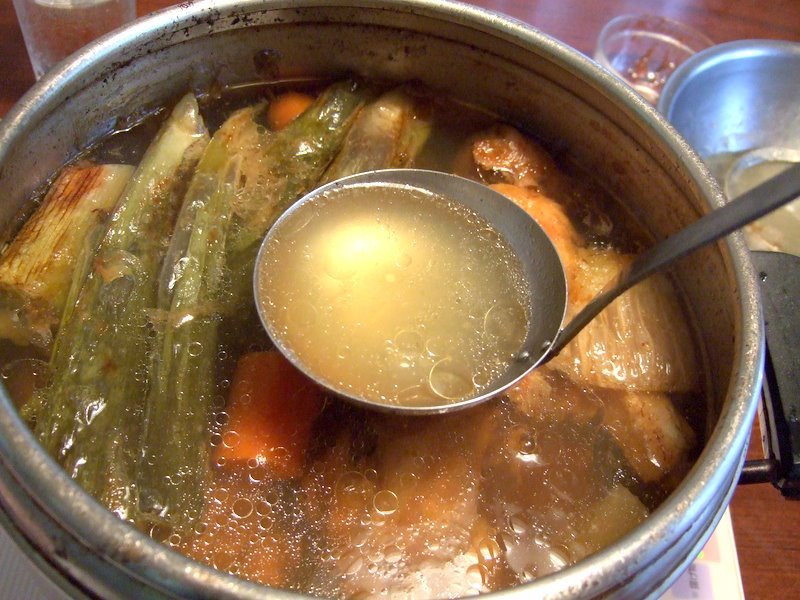
Culinary stock is a flavorful liquid made by simmering bones, meat, vegetables, or seafood in water, forming the foundation for soups, sauces, and braises across most professional kitchens. Unlike broth, which is typically seasoned and served as is, stock is left unseasoned so it can be reduced or combined freely without concentrating excess salt. Types
Culinary Stock Read More »
A flavorful, unseasoned liquid made by simmering bones, meat, or vegetables, used as a base for sauces and soups.
Core Components Cultural competence in social work typically encompasses several interrelated components, beginning with self-awareness of one own cultural background, biases, and assumptions that inevitably shape how a practitioner perceives and interacts with clients from different backgrounds. Knowledge of other cultures, including general awareness of different cultural values, family structures, and help-seeking patterns, supports more
Cultural Competence in Social Work Read More »
Cultural competence in social work refers to the knowledge, skills, and attitudes that enable practitioners to work effectively with clients from diverse cultural, ethnic, and social backgrounds.
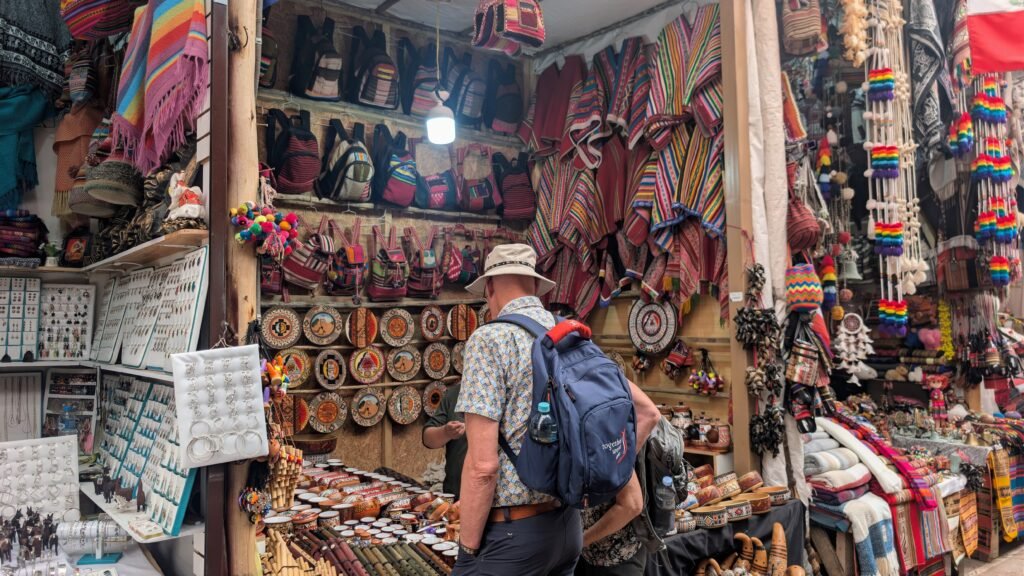
Scope and Significance Cultural heritage tourism encompasses travel motivated by a desire to experience the historical, archaeological, and living cultural heritage of a destination, spanning formal attractions such as museums, archaeological sites, and designated historic districts as well as encounters with living cultural traditions, including festivals, craft practices, and culinary traditions tied closely to a
Cultural Heritage Tourism Read More »
Cultural heritage tourism is travel undertaken specifically to experience historical, archaeological, and cultural sites, traditions, and practices that represent the heritage of a place or people.
A curtain wall is a non-structural exterior building envelope system, typically made of glass set in metal framing, that hangs from or is attached to the building structural frame rather than carrying any of the building weight itself. Because a curtain wall does not support the structure above it, unlike a traditional load-bearing wall, it
Curtain Wall Read More »
A non-structural exterior wall system, typically glass and metal framing, that hangs from a building structural frame.
Customer relationship management (CRM) is the set of practices, strategies, and software systems that organizations use to manage interactions with current and prospective customers across the entire relationship lifecycle. A CRM system centralizes contact details, communication history, purchase records, and service tickets so that sales, marketing, and support teams all work from the same view
Customer relationship management Read More »
The practices and software organizations use to manage interactions with customers and prospects across the relationship lifecycle.
Building Guest Loyalty Customer relationship management in hospitality centers on systematically collecting and using information about individual guests, including their preferences, past stay or visit history, and communication responsiveness, to build stronger, more personalized long-term relationships that encourage repeat business rather than treating each guest interaction as an isolated, anonymous transaction. Hospitality CRM systems typically
Customer Relationship Management in Hospitality Read More »
Customer relationship management in hospitality is the systematic use of guest data and communication strategy to build long-term guest loyalty and encourage repeat business.