Theoretical Basis Crisis intervention draws on crisis theory, which conceptualizes a crisis as a time-limited period of psychological disequilibrium triggered by an event that overwhelms an individual usual coping mechanisms, whether that event is a sudden trauma, an unexpected loss, or an accumulation of stressors reaching a breaking point. This theoretical framework holds that crises
Crisis Intervention Read More »
Crisis intervention is a short-term social work practice method that provides immediate support to individuals experiencing acute emotional distress or a sudden disruptive life event.
CRISPR is a gene-editing technology that allows scientists to make precise, targeted changes to DNA by exploiting a natural defense system originally found in bacteria. The full name, clustered regularly interspaced short palindromic repeats, describes a distinctive pattern of repeated DNA sequences that bacteria use to store a genetic memory of viruses that previously infected
CRISPR Read More »
A gene-editing technology that allows precise, targeted changes to DNA, adapted from a bacterial immune defense system.
A criterion-referenced test measures a student’s performance against a fixed, predetermined standard or set of learning objectives, rather than comparing that student’s score to the performance of other test-takers. A driving test is a commonly cited example, since passing depends on meeting a fixed standard of driving skill set by a licensing authority rather than
Criterion-referenced test Read More »
A test that measures performance against a fixed standard rather than comparing it to other test-takers.
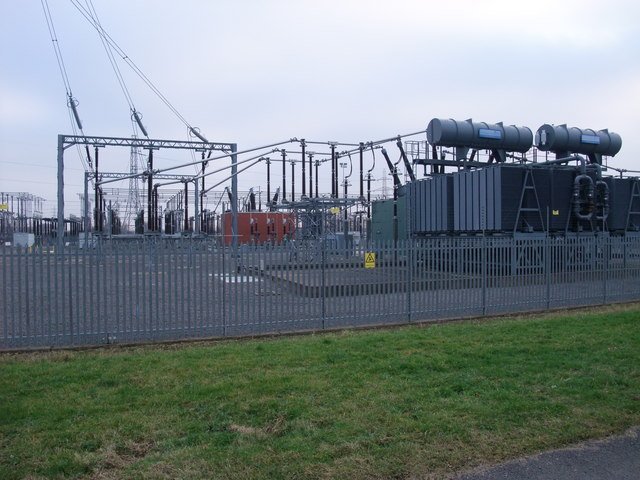
Defining Critical Infrastructure Critical infrastructure encompasses the physical and digital systems so essential to a society that their incapacitation would have a debilitating effect on security, the economy, public health, or safety. Governments typically organize critical infrastructure into sectors, commonly including energy generation and distribution, water and wastewater systems, transportation networks, telecommunications, financial services, and
Critical Infrastructure Protection Read More »
Critical infrastructure protection involves securing the essential systems and assets, such as power grids, water supplies, and communication networks, that a society depends on for basic functioning.
The critical path method is a project scheduling technique that identifies the longest sequence of dependent tasks in a project, called the critical path, which determines the shortest possible time the overall project can take to complete. Any delay to a task on the critical path delays the entire project by the same amount, while
Critical Path Method Read More »
A project scheduling technique that identifies the longest sequence of dependent tasks determining a project minimum duration.
In simple terms Crop rotation means growing a series of different crops in the same field in sequential seasons, instead of planting one crop there year after year. [1] A field might carry maize one season, a legume the next, then a cereal, before the cycle begins again. It works because a crop does more
Crop rotation Read More »
Crop rotation is the practice of growing different crops in the same field in a planned sequence from season to season.
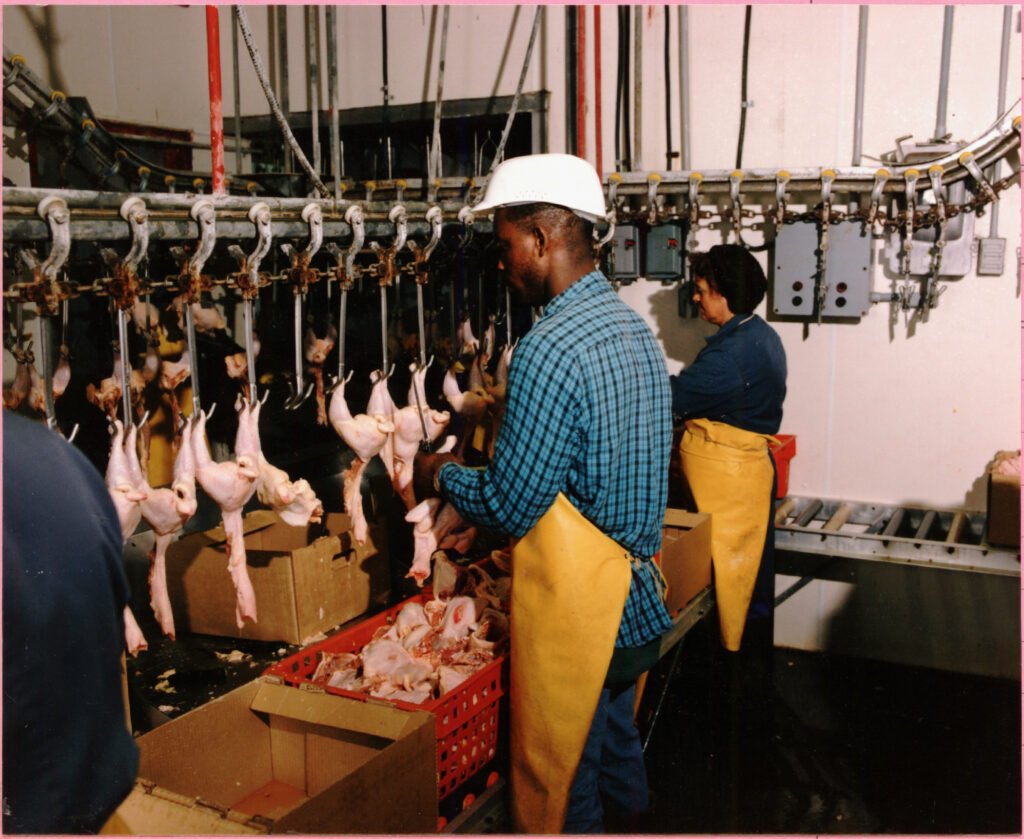
Cross-contamination is the unintended transfer of harmful bacteria, allergens, or other substances from one food, surface, or object to another, representing one of the most common causes of foodborne illness in both commercial kitchens and home cooking. It can occur directly, through physical contact between contaminated and clean items, or indirectly, through a shared surface,
Cross-Contamination Read More »
The unintended transfer of harmful bacteria, allergens, or other substances between foods, surfaces, or objects.
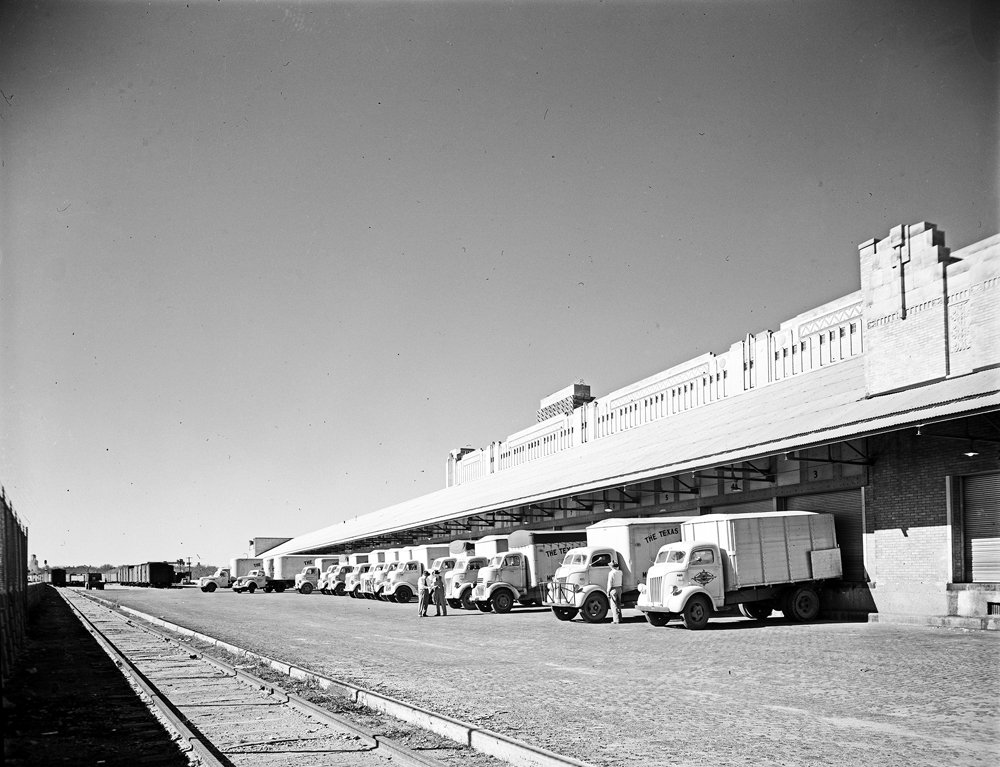
How Cross-Docking Works Cross-docking is a distribution practice in which incoming shipments are unloaded from inbound trucks or containers and transferred directly to outbound vehicles, with little or no time spent in warehouse storage. Goods typically move across a dock floor from one loading bay to another rather than being shelved. Why Companies Use Cross-Docking
Cross-Docking Read More »
Cross-docking is a logistics practice in which incoming goods from a supplier or manufacturer are unloaded and immediately transferred to outbound vehicles with minimal or no storage time.
Cross-laminated timber, often shortened to CLT, is an engineered wood panel made by gluing together layers of solid-sawn lumber boards stacked with alternating grain directions, similar in principle to plywood but built from much thicker individual layers. The resulting panels are strong enough to serve as structural floors, walls, and roofs in buildings, including increasingly
Cross-Laminated Timber Read More »
An engineered wood panel made of stacked, cross-oriented layers of solid lumber.
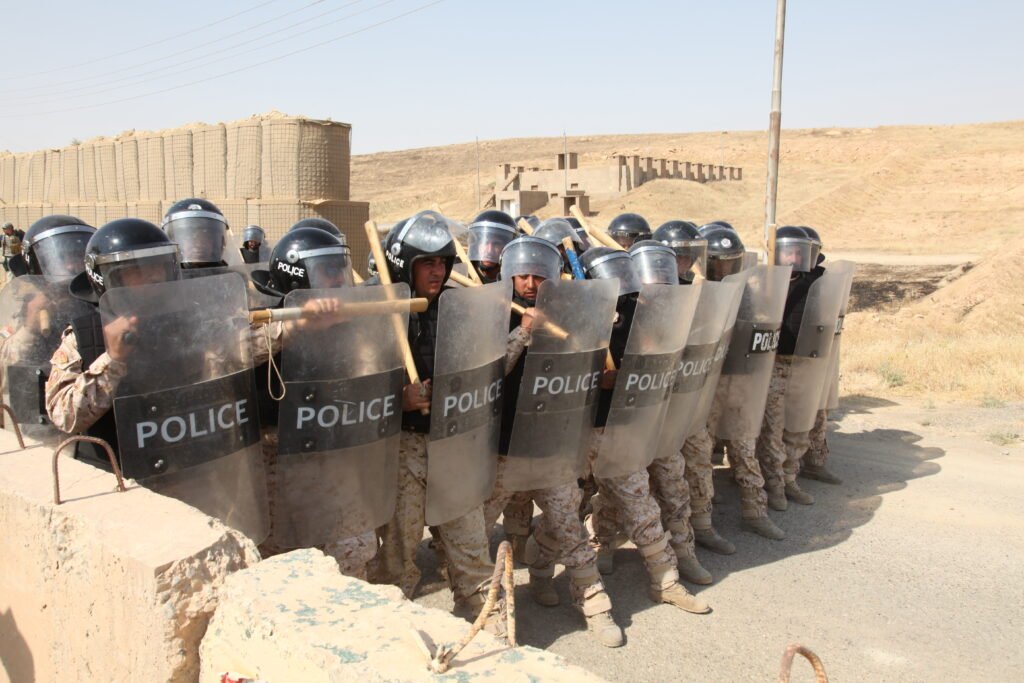
Approaches to Crowd Management Modern crowd management philosophy generally emphasizes a graduated response that begins with planning and communication rather than force. Before a large gathering such as a protest, parade, or sporting event, security planners typically coordinate with organizers to establish expected routes, timing, and crowd size, positioning officers to facilitate rather than confront
Crowd Control and Riot Management Read More »
Crowd control and riot management encompasses the tactics and equipment security forces use to maintain public order during large gatherings, protests, or civil disturbances.