In simple terms Gothic architecture is a European building style that dominated major church and cathedral construction from roughly the 12th to the 16th century, recognizable by its pointed arches, soaring ceilings, and large windows filled with colored stained glass. [1] It grew directly out of the earlier, heavier Romanesque style, and solved several of
Gothic architecture Read More »
Gothic architecture is a European building style, dominant from the 12th to 16th centuries, known for pointed arches, ribbed vaults, flying buttresses, and large stained-glass windows.
Overview Grand strategy refers to the long term, integrated use of all the instruments of national power, including military force, economic policy, diplomacy, and information, in pursuit of a states most fundamental interests and security. It operates at a higher level than military strategy alone, treating armed force as one tool among several rather than
Grand Strategy Read More »
Grand strategy is the long term coordination of a states military, economic, diplomatic, and informational resources in pursuit of its most fundamental national interests and security goals.
Graphic design is the practice of visual communication that combines typography, imagery, color, and layout to convey information, express ideas, or persuade an audience. Graphic designers work across an enormous range of media, including logos and brand identities, books and magazines, posters and advertising, packaging, signage, and the screens of websites and apps, shaping how
Graphic design Read More »
The practice of combining typography, imagery, color, and layout to communicate visually.
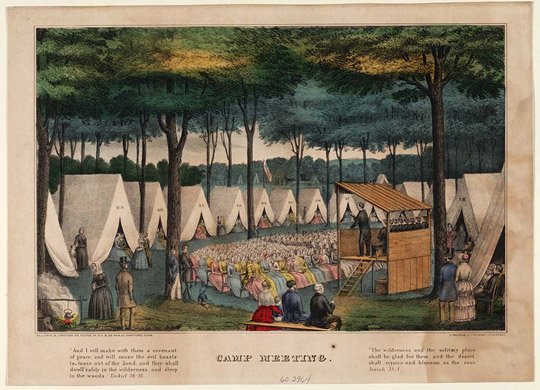
Overview The Great Awakening refers to a series of intense Protestant religious revivals that swept through the American colonies and parts of Britain beginning in the 1730s, dramatically reshaping religious life and emphasizing personal, emotionally engaged conversion experience over inherited or merely formal religious affiliation. Key Figures Itinerant preachers such as George Whitefield traveled extensively,
Great Awakening Read More »
The Great Awakening refers to a series of Protestant religious revivals that swept through the American colonies and Britain during the eighteenth and nineteenth centuries.
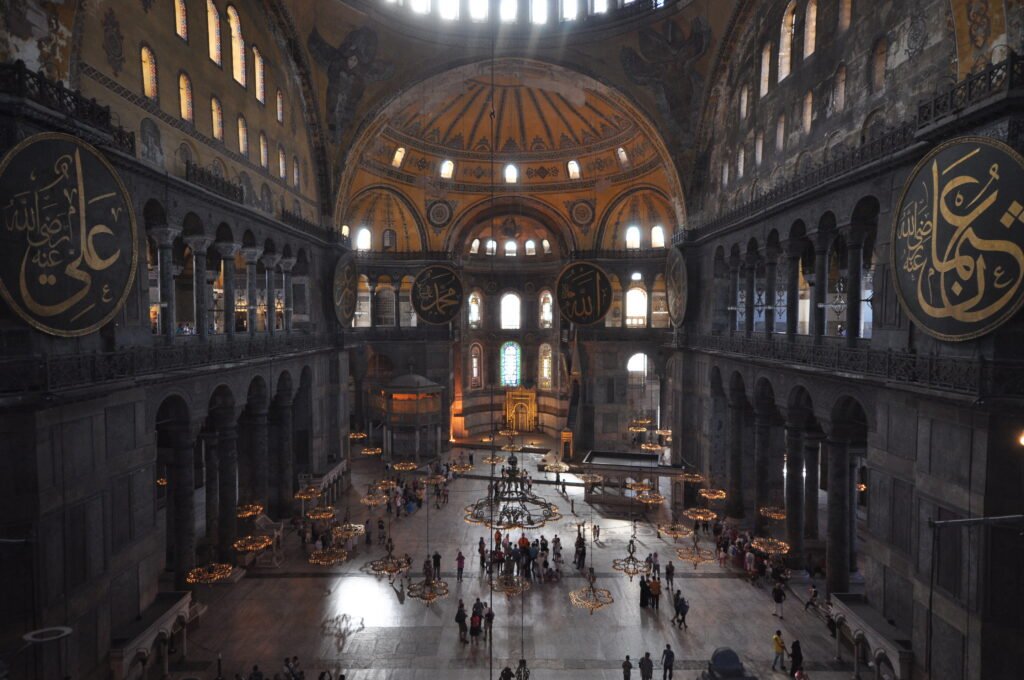
Overview The Great Schism, also called the East-West Schism, refers to the formal division between the Eastern Orthodox and Roman Catholic churches, conventionally dated to 1054, which split Christianity into its two major historical branches and whose effects persist within global Christianity to the present day. Underlying Causes Long-developing theological, liturgical, and political differences preceded
Great Schism Read More »
The Great Schism refers to the 1054 split between the Eastern Orthodox and Roman Catholic churches, dividing Christianity into two major branches.
The design and construction of structures that reduce environmental impact through energy efficiency, resource conservation, and healthier indoor environments.
A green roof is a roof surface partially or completely covered with growing vegetation planted over a waterproofing membrane, rather than finished with conventional materials such as asphalt shingles, metal, or bare membrane. Green roofs range from thin, lightweight extensive systems planted with low-maintenance groundcover such as sedum, requiring minimal soil depth and little ongoing
Green Roof Read More »
A roof surface partially or completely covered with vegetation planted over a waterproofing membrane.
The greenhouse effect is the process by which certain gases in Earth’s atmosphere trap some of the heat radiating from the planet’s surface, keeping the surface warmer than it would be if that heat escaped directly into space. The effect is named for the way glass traps warmth inside a greenhouse, though the atmosphere actually
Greenhouse effect Read More »
The greenhouse effect is the process by which gases in the atmosphere trap outgoing heat, warming Earth's surface beyond what sunlight alone would produce.
Gross domestic product, commonly abbreviated GDP, is the total monetary value of all finished goods and services produced within a country’s borders over a specific period, usually a quarter or a year. It is the single most widely cited measure of the size and health of a national economy. Origins of the measure Economist Simon
Gross Domestic Product Read More »
The total monetary value of all finished goods and services produced within a country's borders over a specific period.
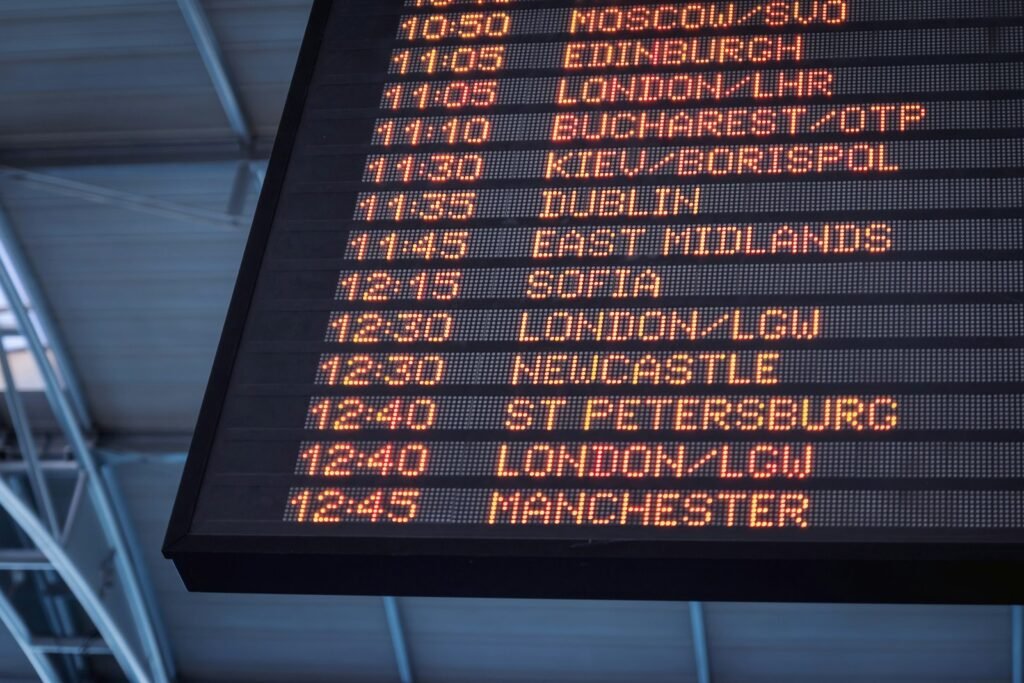
In simple terms A ground stop is an instruction from air traffic control that holds aircraft at their departure airports. Flights that meet the stated criteria are not allowed to take off. It is a blunt tool. Controllers reach for it when an airport or a stretch of airspace suddenly cannot take the traffic already
Ground stop Read More »
A ground stop is an air traffic order that keeps certain flights on the ground, usually because an airport or airspace has lost capacity.