Groundwater depletion is the long-term, large-scale decline of water stored underground in aquifers, occurring when water is pumped out faster than natural recharge, mainly rainfall and snowmelt seeping back into the ground, can replace it. Unlike a surface reservoir, whose level anyone can see drop, groundwater depletion unfolds slowly and largely out of sight, which
Groundwater depletion Read More »
The long-term decline of water stored in aquifers when pumping outpaces natural recharge, often causing permanent land subsidence.
Overview Group travel management involves coordinating logistics, bookings, and communication for multiple travelers journeying together under a single itinerary. Rate Negotiation Group organizers often negotiate discounted rates with hotels, airlines, and activity providers in exchange for guaranteeing a minimum number of travelers, creating savings unavailable to individual bookers. Coordination Challenges Managing a group itinerary requires
Group Travel Management Read More »
Group travel management is the coordination of travel logistics, bookings, and itineraries for multiple travelers moving together as a single party.
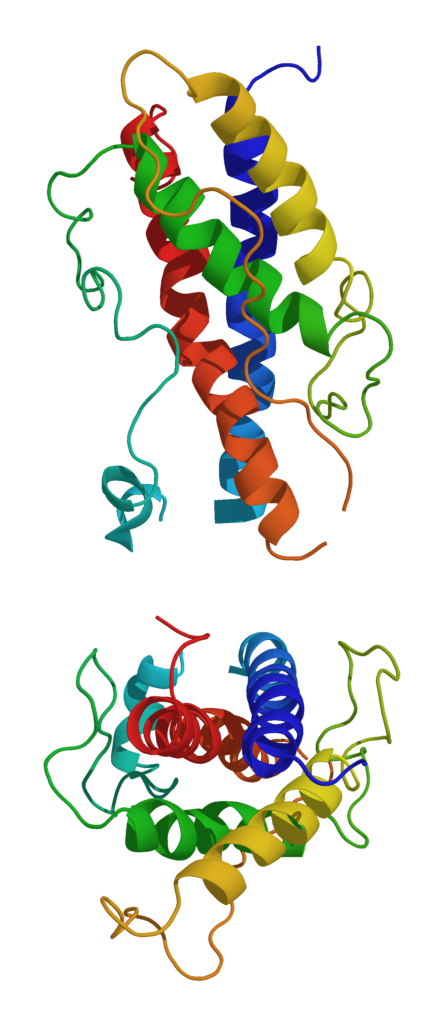
Growth hormone, also called somatotropin, is a hormone produced and released by the pituitary gland that stimulates growth, cell reproduction, and cell regeneration throughout the body. Beyond its well-known role in childhood growth, growth hormone continues to influence metabolism, muscle and bone health, and body composition throughout adulthood, making it relevant to a much broader
Growth hormone Read More »
A pituitary hormone that stimulates growth, cell reproduction, and metabolism throughout life.
Growth mindset is the belief that abilities such as intelligence and talent can be developed over time through effort, effective strategies, and feedback, in contrast to a fixed mindset, the belief that such abilities are largely static traits a person either has or lacks. Carol Dweck’s research Psychologist Carol Dweck developed the concept through decades
Growth mindset Read More »
The belief that abilities like intelligence can be developed through effort and strategy, rather than being fixed traits.
Designing the Guest Journey Guest experience management involves systematically mapping and intentionally designing every point at which a guest interacts with a hospitality business, from initial discovery and booking through arrival, the stay or visit itself, departure, and any post-visit follow-up communication, treating this entire sequence as a connected journey rather than a series of
Guest Experience Management Read More »
Guest experience management is the deliberate design and oversight of every point of contact a guest has with a hospitality business, aimed at creating consistently positive and memorable interactions.
Overview A guided tour pairs travelers with a trained guide who leads the group through a planned itinerary while providing commentary about the places visited. Guide Responsibilities Beyond providing historical or cultural interpretation, guides manage group logistics such as timing, transportation coordination, and handling unexpected disruptions during the tour. Licensing and Certification Many destinations require
Guided Tour Read More »
A guided tour is an organized travel experience led by a trained tour guide who provides commentary, manages logistics, and directs the group itinerary.
Overview The Guru Granth Sahib is the primary scripture of Sikhism and occupies a unique position among world religious texts: it is treated not merely as a book of teaching but as the living embodiment of spiritual authority, succeeding the line of human Gurus. Sikhs approach it with the same reverence given to a living
Guru Granth Sahib Read More »
The Guru Granth Sahib is the central scripture of Sikhism, revered as the eternal living Guru of the Sikh faith.
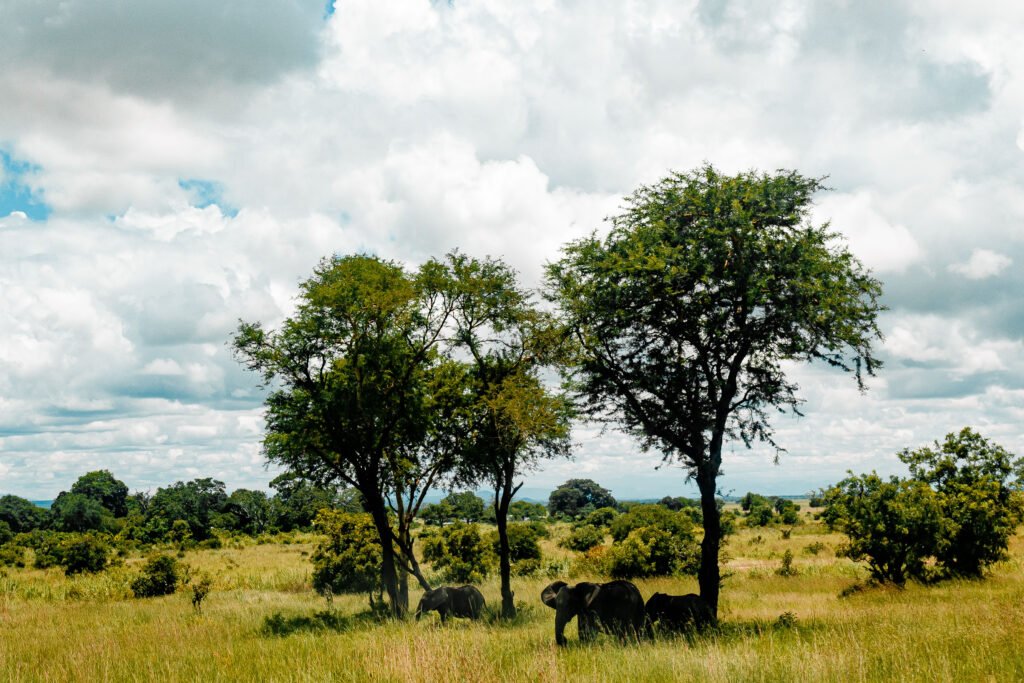
A habitat is the place where an organism or a community of organisms lives, encompassing both the surrounding living conditions and the nonliving features, such as climate, terrain, and water, that make that place suitable for the species found there. The term covers everything from a single tree hollow used by a nesting bird to
Habitat Read More »
A habitat is the place where an organism or community lives, including both the living conditions and the nonliving features that make it suitable.
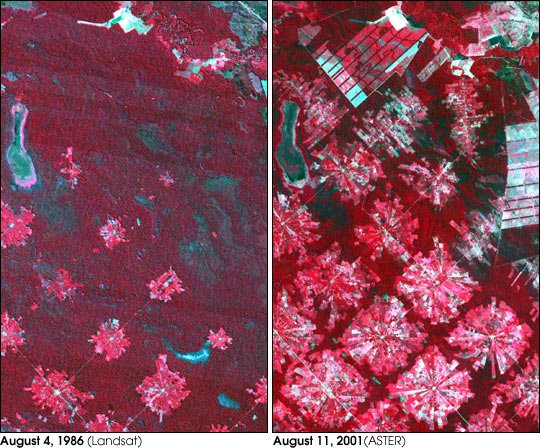
Habitat fragmentation is the process by which a large, continuous area of natural habitat is broken into smaller, more isolated patches, typically as a result of human activities such as road building, agricultural expansion, logging, and urban development. The resulting patches are often too small or too disconnected to support the same populations and ecological
Habitat Fragmentation Read More »
Habitat fragmentation is the breaking of a large continuous habitat into smaller, isolated patches, a leading driver of biodiversity loss worldwide.
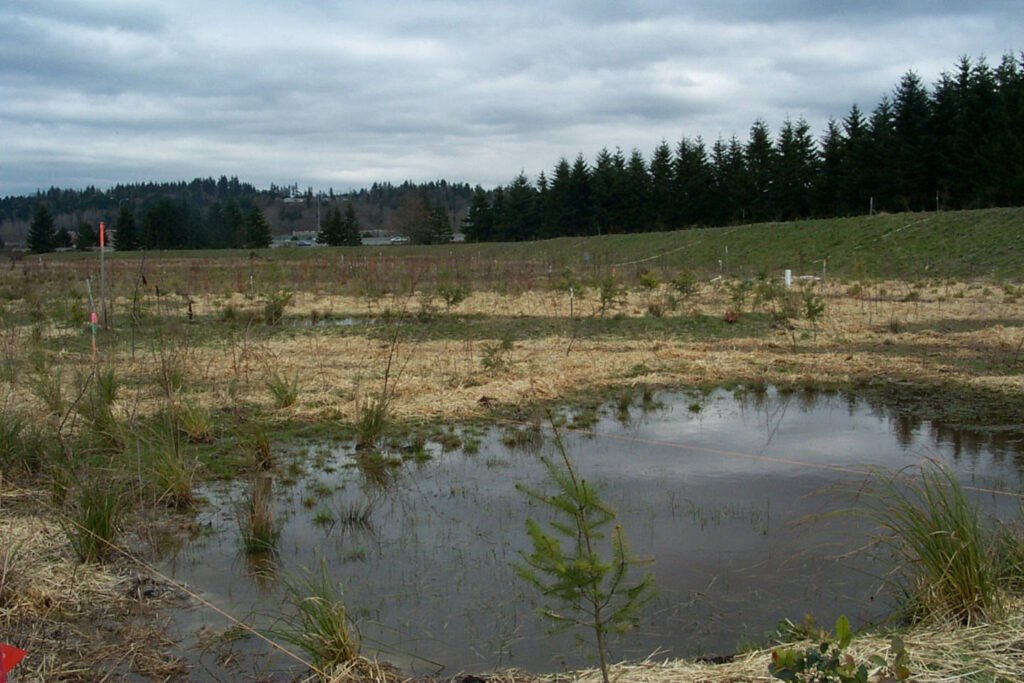
Principles of Habitat Restoration Habitat restoration seeks to reestablish the ecological structure, composition, and function of a degraded ecosystem, ideally returning it to a condition resembling its pre-disturbance state or a closely analogous healthy reference condition. The discipline draws on ecological theory regarding succession, species interactions, and ecosystem processes to guide intervention design, recognizing that
Habitat Restoration Read More »
The active rehabilitation of degraded, damaged, or destroyed ecosystems to restore their ecological function and capacity to support native wildlife.