HACCP, short for Hazard Analysis and Critical Control Points, is a systematic preventive approach to food safety that identifies physical, chemical, and biological hazards at specific points in a production process and establishes controls to prevent, eliminate, or reduce them to safe levels. Developed in the 1960s for NASA space food production, HACCP has since
HACCP Read More »
A systematic preventive food safety framework that identifies and controls hazards at critical points in production.
Overview Hadith are reports recording the sayings, actions, and tacit approvals attributed to the Prophet Muhammad, serving alongside the Quran as a primary source for Islamic belief, law, and practice. Together these reports form the basis for understanding the Sunnah, the exemplary way of life demonstrated by the Prophet. Transmission Each hadith traditionally carries an
Hadith Read More »
Hadith are the recorded sayings, actions, and approvals of the Prophet Muhammad, forming a major source of Islamic teaching alongside the Quran.
In simple terms A half-life is the time it takes for half the atoms of a radioactive substance to decay into something else. The count never quite finishes. After one half-life, half is left. After two, a quarter. After three, an eighth. The fraction is the same whatever amount you started with. How it works
Half-life Read More »
A half-life is the time it takes for half the atoms in a radioactive sample to decay into something else.
Harmony, in music, is the way different musical notes sound when combined simultaneously, and the study of how those combinations, called chords, relate to and move between one another over the course of a piece. Alongside melody and rhythm, harmony is one of music’s three fundamental building blocks, and the particular harmonic language a piece
Harmony (music) Read More »
How musical notes sounding together, as chords, relate and move; one of music's three fundamental building blocks alongside melody and rhythm.
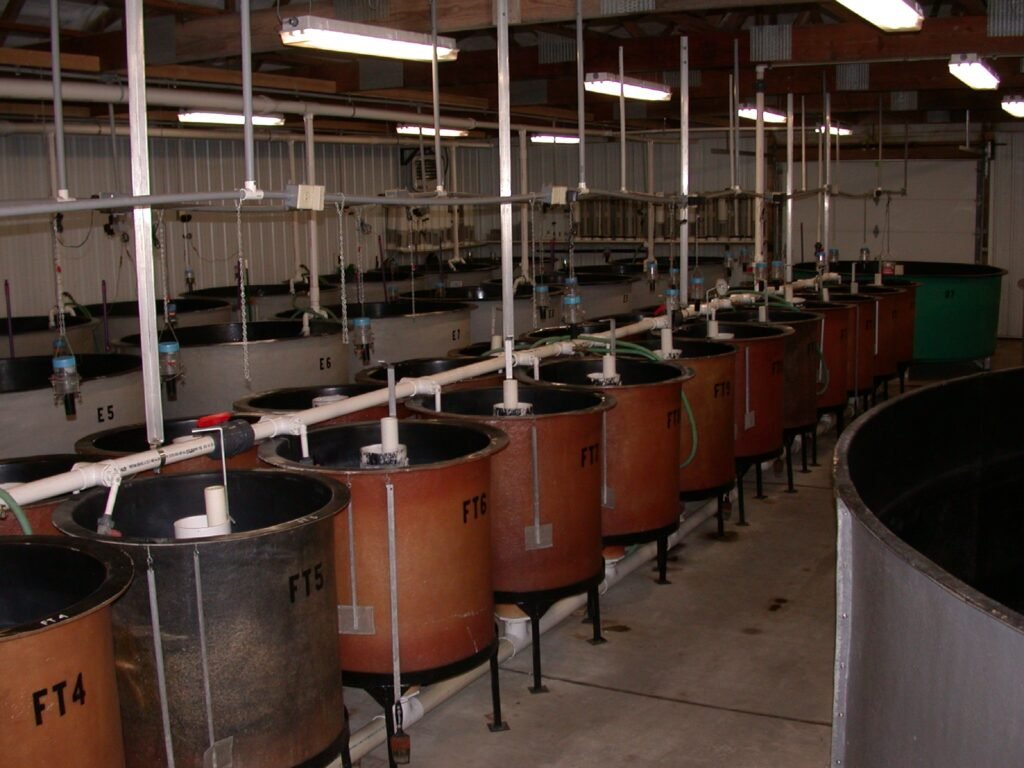
A hatchery is a facility designed to breed fish, shellfish, or other aquatic organisms through their earliest life stages, from fertilized eggs through larvae or juveniles, before they are either released into the wild or transferred to grow-out farms. Hatcheries play a central role in both aquaculture production and conservation programs aimed at supplementing wild
Hatchery Read More »
A facility that breeds fish or shellfish through their earliest life stages before release or transfer to farms.
The Hazard Communication Standard is an Occupational Safety and Health Administration regulation requiring employers to inform and train workers about the hazardous chemicals present in their workplace, often informally called the right to know standard because of its core purpose. Before this standard existed, workers in many industries had limited formal access to information about
Hazard Communication Standard Read More »
The Hazard Communication Standard is an OSHA regulation requiring employers to inform and train workers about the hazardous chemicals present in their workplace.
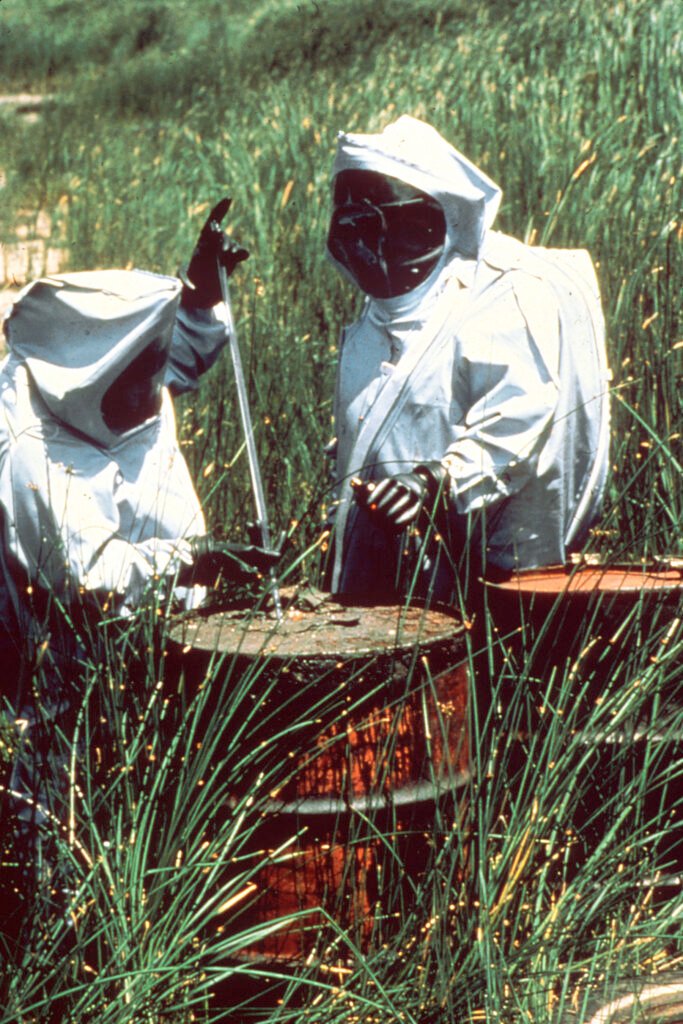
Scope of Hazardous Materials Security Hazardous materials security addresses a wide range of substances that pose risks if stolen, sabotaged, or accidentally released, including industrial chemicals used in manufacturing, radioactive materials used in medical treatment and research, biological agents studied in laboratories, and explosive materials used in construction and mining. Security requirements vary considerably depending
Hazardous Materials Security Read More »
Hazardous materials security involves protecting dangerous chemical, biological, radiological, and other hazardous substances from theft, sabotage, or accidental release that could harm public safety.
Healthcare policy is the set of decisions, laws, and plans governments and organizations adopt to pursue specific goals for a population’s health, covering everything from how medical care gets paid for to which medicines reach the market and how diseases are prevented in the first place. The World Health Organization emphasizes that an explicit, well-designed
Healthcare Policy Read More »
The decisions and laws governments adopt to pursue specific goals for a population's health.