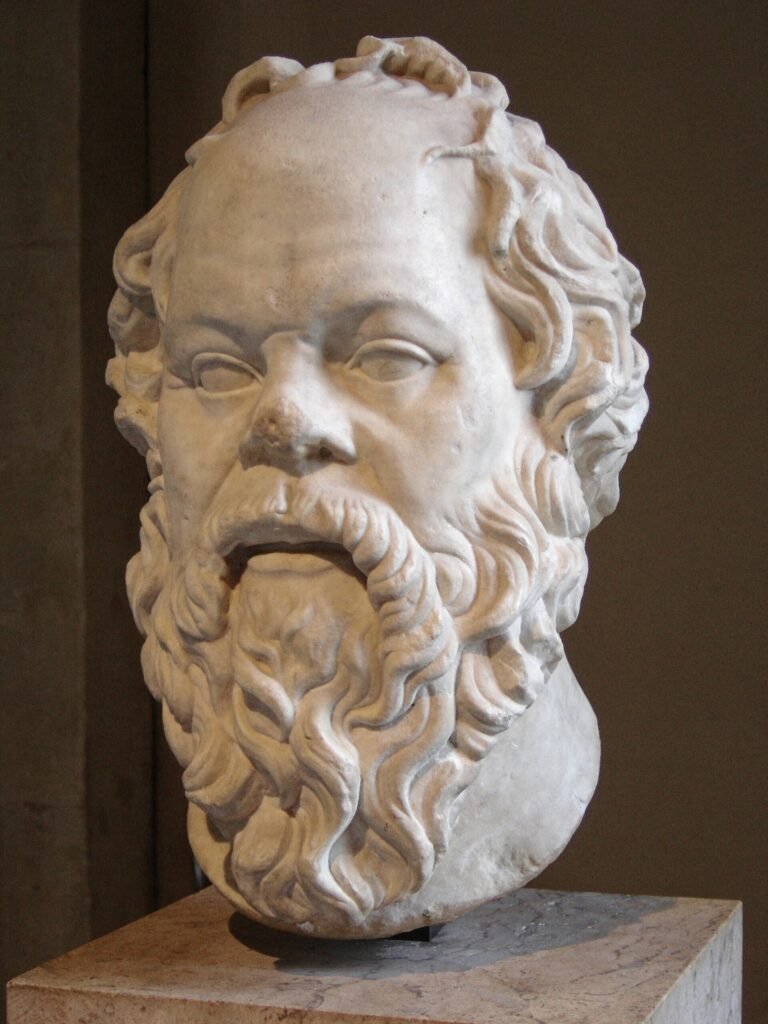
Socrates was an Athenian philosopher who lived from about 470 or 469 BCE until 399 BCE. He wrote nothing himself, and he is known mainly through the accounts of Plato, Xenophon and Aristophanes. He is remembered for questioning people about how to live well, for his claim that he knew nothing of real importance, and
Socrates Read More »
Athenian philosopher (about 470 to 399 BCE) who questioned others about how to live, wrote nothing, and was executed after a trial for impiety.
Srinivasa Ramanujan (1887 to 1920) was an Indian mathematician who made major contributions to the analytic theory of numbers, elliptic functions, continued fractions and infinite series. He had little formal training in advanced mathematics, yet he left behind about 4,000 original results. His collaboration with the English mathematician G. H. Hardy at Cambridge brought his
Srinivasa Ramanujan Read More »
Srinivasa Ramanujan was an Indian mathematician who, with little formal training, made major contributions to number theory, infinite series and continued fractions.
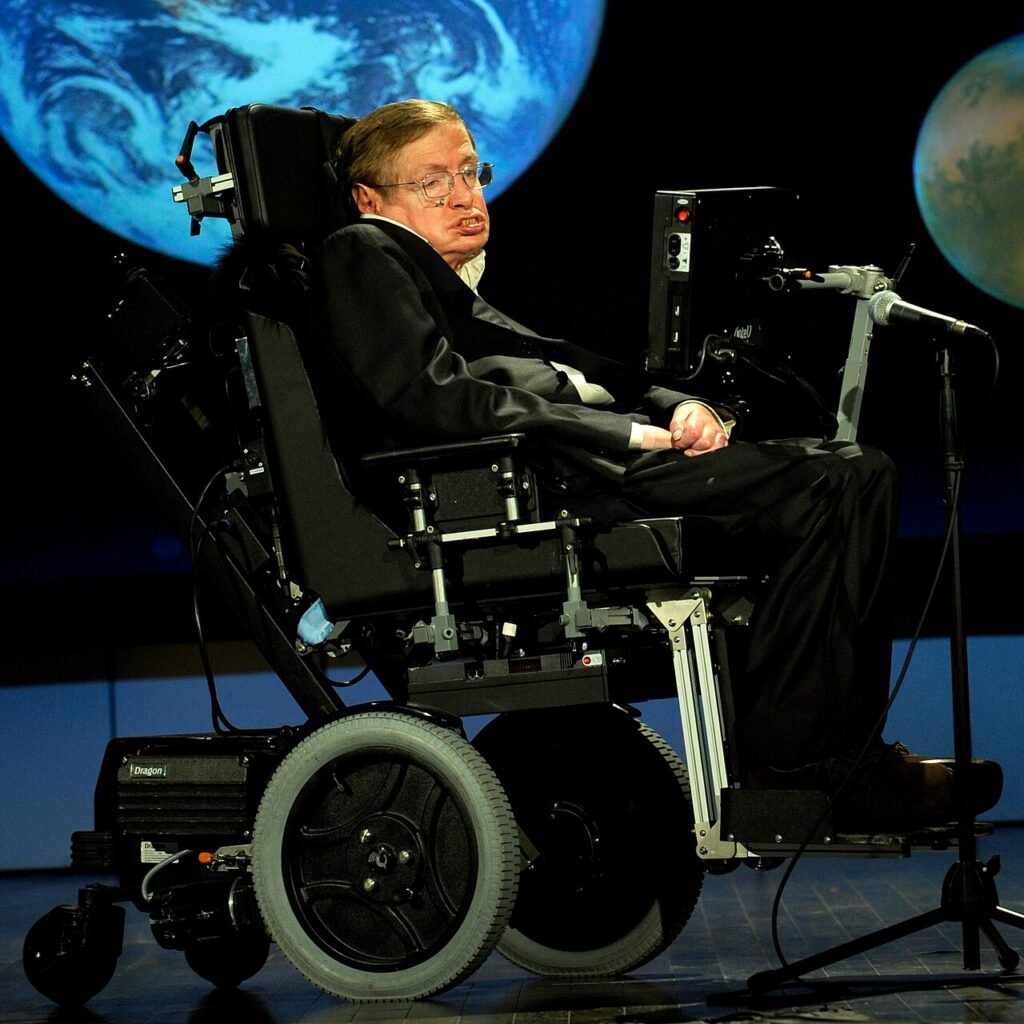
Stephen Hawking (1942 to 2018) was an English theoretical physicist who worked on black holes, the early universe and the nature of space and time. He showed that black holes can emit radiation, a result now called Hawking radiation. His book A Brief History of Time, published in 1988, became one of the best-selling popular
Stephen Hawking Read More »
Stephen Hawking was an English theoretical physicist known for his work on black holes and cosmology and for his bestseller A Brief History of Time.
Thomas Alva Edison (1847 to 1931) was an American inventor and businessman who ran some of the first industrial research laboratories. His teams developed the phonograph, a practical system of incandescent electric lighting and an early motion picture camera. He is also remembered for turning invention into an organized, team-based business. Early life of Thomas
Thomas Edison Read More »
Thomas Edison was an American inventor and businessman who built a famous research laboratory and developed the phonograph and a practical electric lighting system.
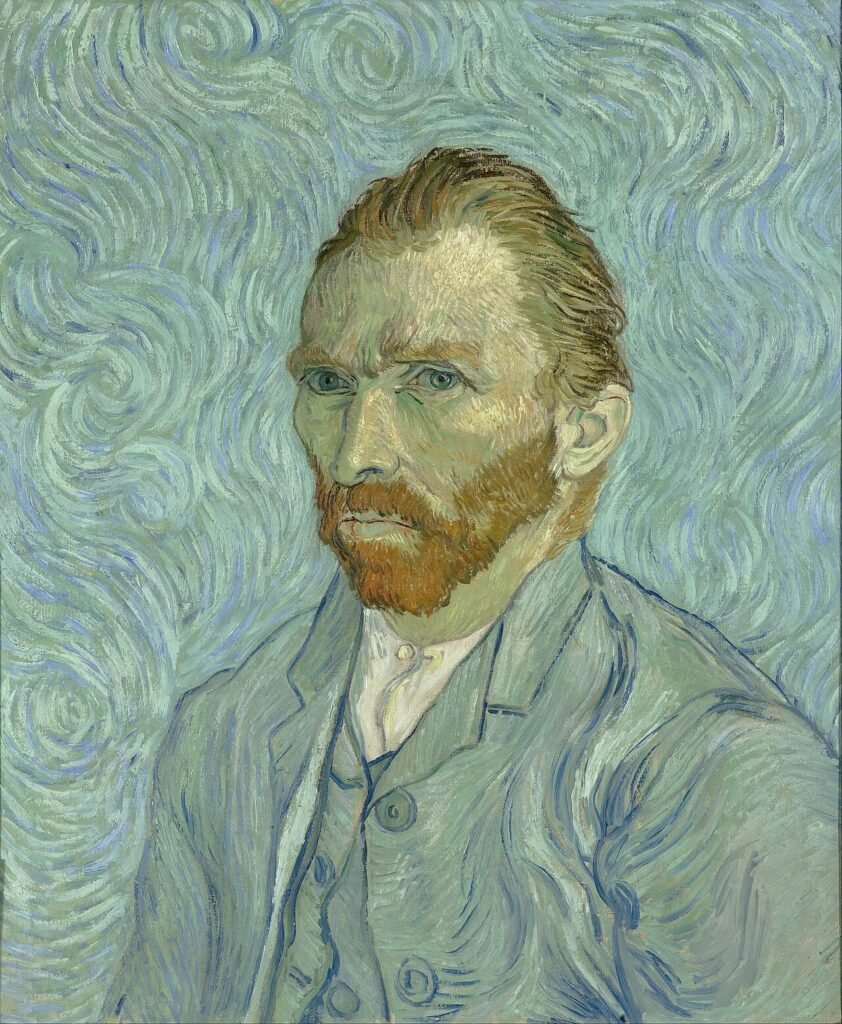
Vincent van Gogh (1853 to 1890) was a Dutch painter whose expressive use of color and energetic brushwork made him one of the most influential artists of the Post-Impressionist period. He decided to become an artist at 27, and in about ten years he produced more than 850 paintings and almost 1,300 works on paper.
Vincent van Gogh Read More »
Vincent van Gogh (1853 to 1890) was a Dutch Post-Impressionist painter known for expressive color and works such as Sunflowers and The Starry Night.
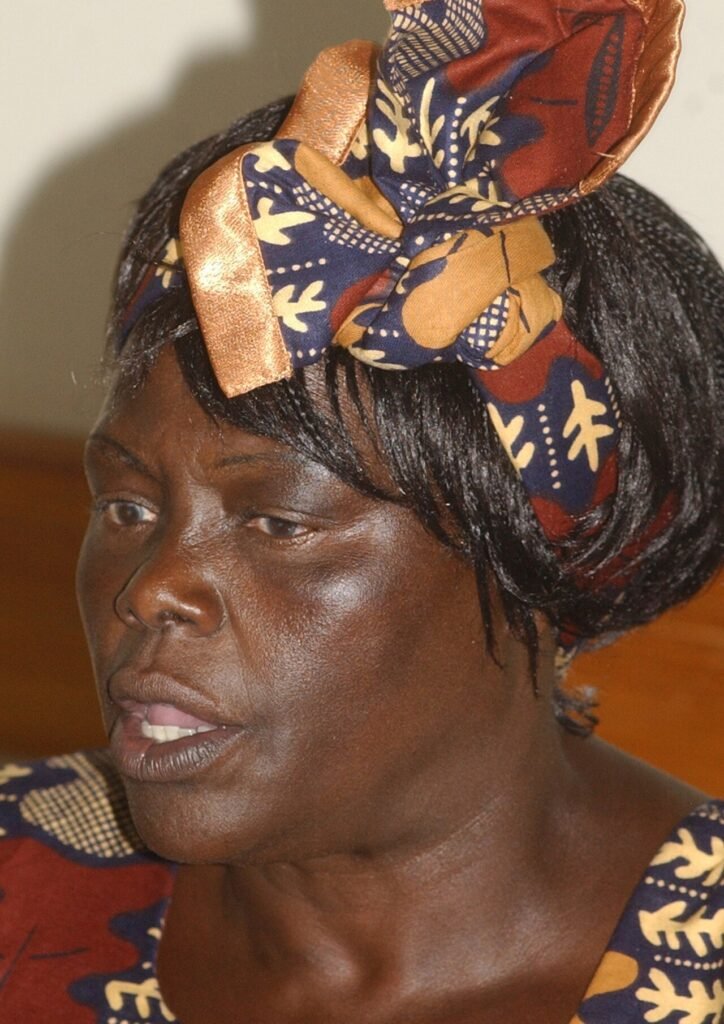
Wangari Maathai (1940 to 2011) was a Kenyan scientist, environmental activist and political figure who founded the Green Belt Movement. In 2004 she became the first African woman to win the Nobel Peace Prize, for linking sustainable development, democracy and peace. Early life and education Wangari Muta Maathai was born on 1 April 1940 in
Wangari Maathai Read More »
Wangari Maathai was a Kenyan environmentalist who founded the Green Belt Movement and won the 2004 Nobel Peace Prize.
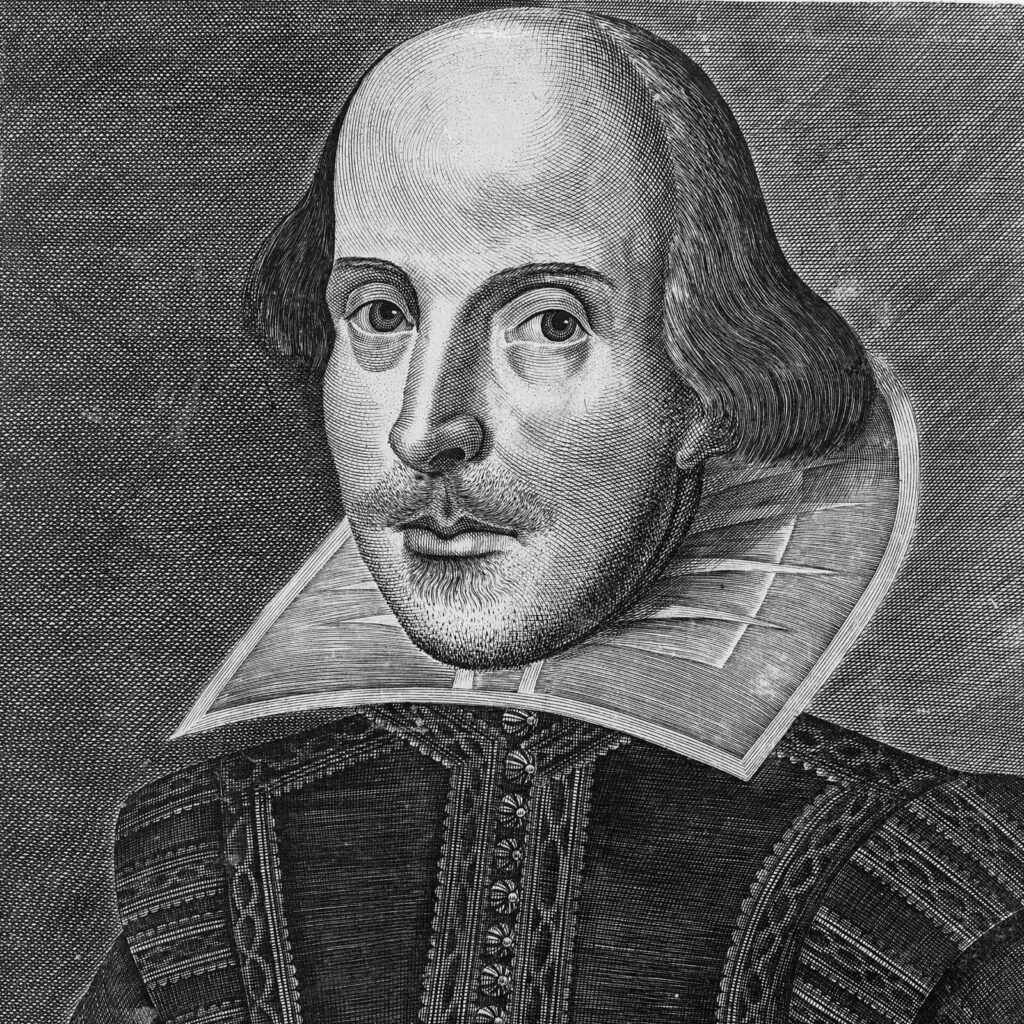
William Shakespeare (baptized April 26, 1564; died April 23, 1616) was an English playwright, poet and actor, widely regarded as the greatest writer in the English language. Working in London during the late Elizabethan and early Jacobean years, he wrote comedies, histories, tragedies and poems, and he was also a shareholder in a leading acting
William Shakespeare Read More »
English playwright, poet and actor of the late 1500s and early 1600s, author of Hamlet, Macbeth and The Tempest.
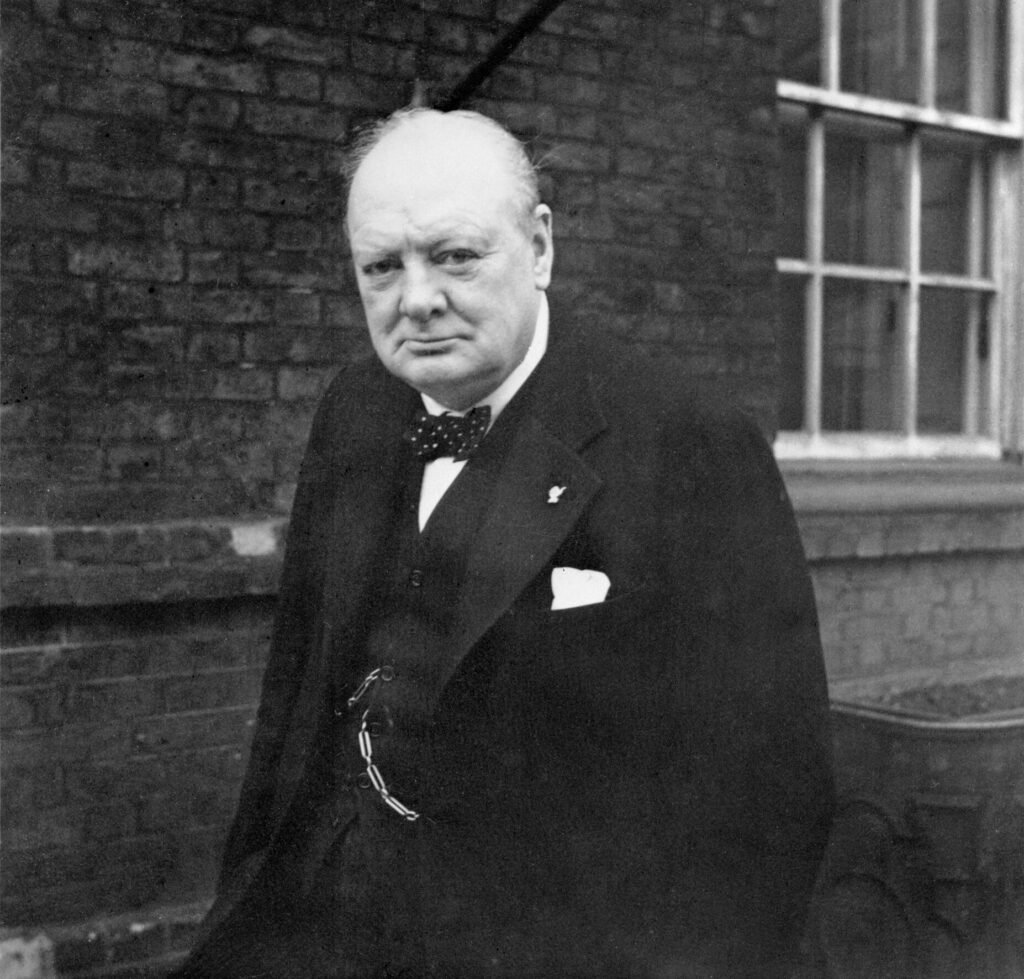
Winston Churchill (1874 to 1965) was a British statesman, writer and orator who served as prime minister of the United Kingdom from 1940 to 1945 and again from 1951 to 1955. He led Britain through most of the Second World War and won the 1953 Nobel Prize in Literature. He died in London on 24
Winston Churchill Read More »
British statesman and writer who was prime minister from 1940 to 1945 and from 1951 to 1955 and led Britain in the Second World War.
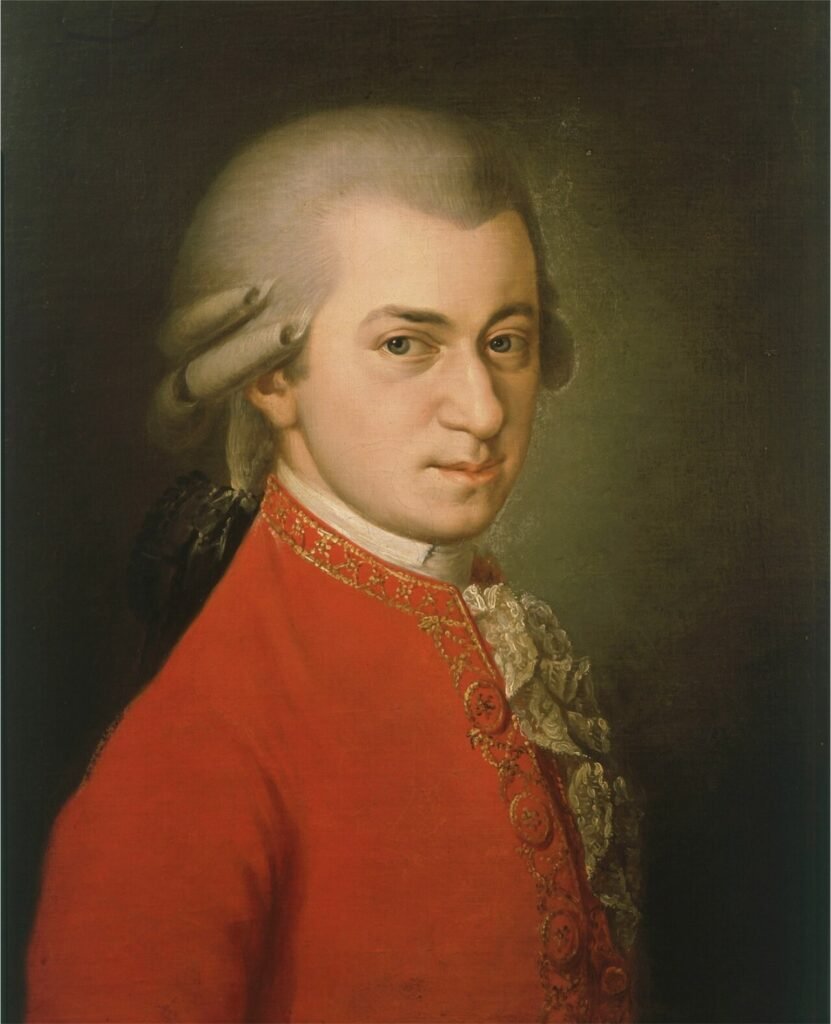
Wolfgang Amadeus Mozart (1756 to 1791) was an Austrian composer of the Classical era who wrote hundreds of works in nearly every major genre of his time, including opera, symphony, concerto, chamber music and sacred music. He was born in Salzburg, became a celebrated child performer, and spent the last decade of his short life
Wolfgang Amadeus Mozart Read More »
Wolfgang Amadeus Mozart (1756 to 1791) was an Austrian Classical composer from Salzburg who wrote operas, symphonies, concertos and sacred music.
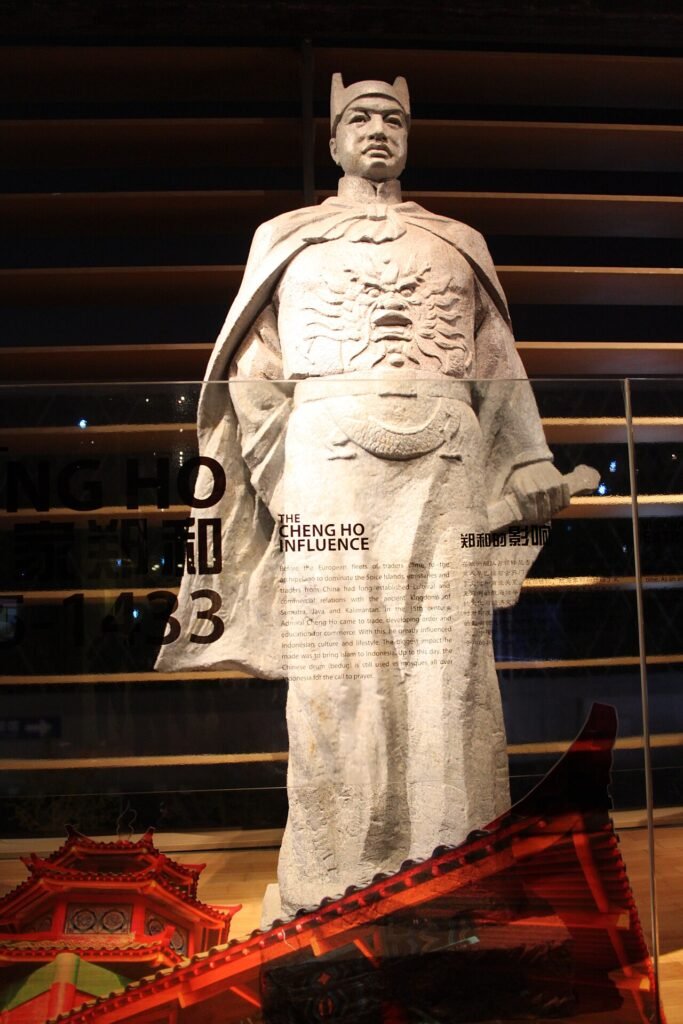
Zheng He (about 1371 to 1433) was a Chinese admiral and diplomat who commanded seven large naval expeditions across the Indian Ocean for the Ming dynasty between 1405 and 1433. Born into a Muslim family in Yunnan, he rose from a captured boy to the most trusted officer of the Yongle Emperor. Early life of
Zheng He Read More »
Zheng He was a Ming dynasty admiral who commanded seven large naval expeditions across the Indian Ocean between 1405 and 1433.