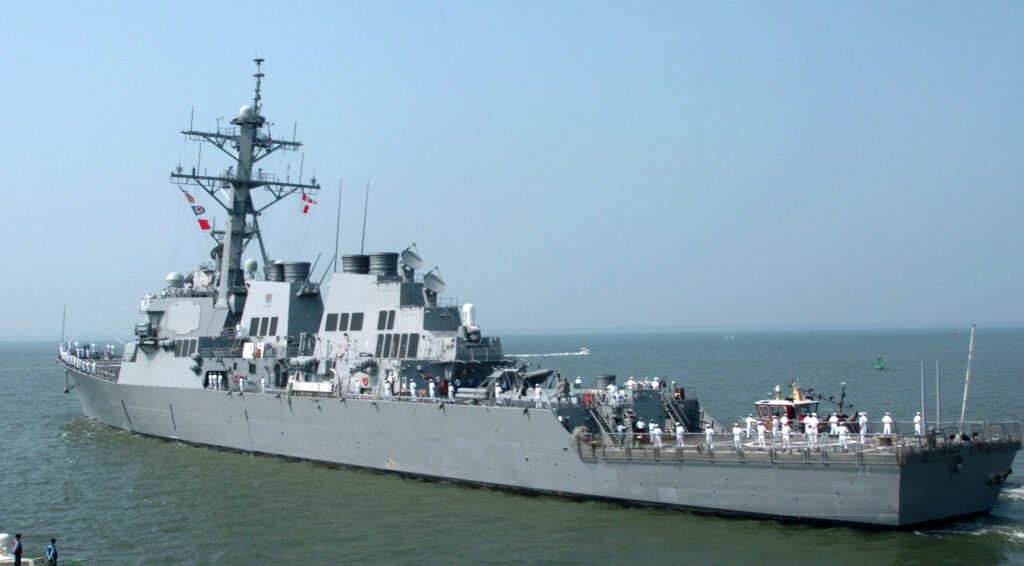
National security is the protection a state provides for its citizens, territory, economy, and core institutions against threats that could undermine their safety or survival. Governments across the political spectrum treat ensuring national security as among their most fundamental duties, but what counts as a genuine security threat has expanded enormously over time, moving well
National Security Read More »
The protection a state provides for its citizens, territory, economy, and institutions against major threats.
Overview A national security strategy is the highest-level statement a government produces about the dangers it sees in the world and how it intends to respond to them. Rather than focusing narrowly on the armed forces, a modern national security strategy typically weaves together military, economic, diplomatic, and homeland concerns into a single coherent outlook.
National Security Strategy Read More »
A national security strategy is a formal document in which a government sets out its priorities, threats, and plans for protecting the nation.
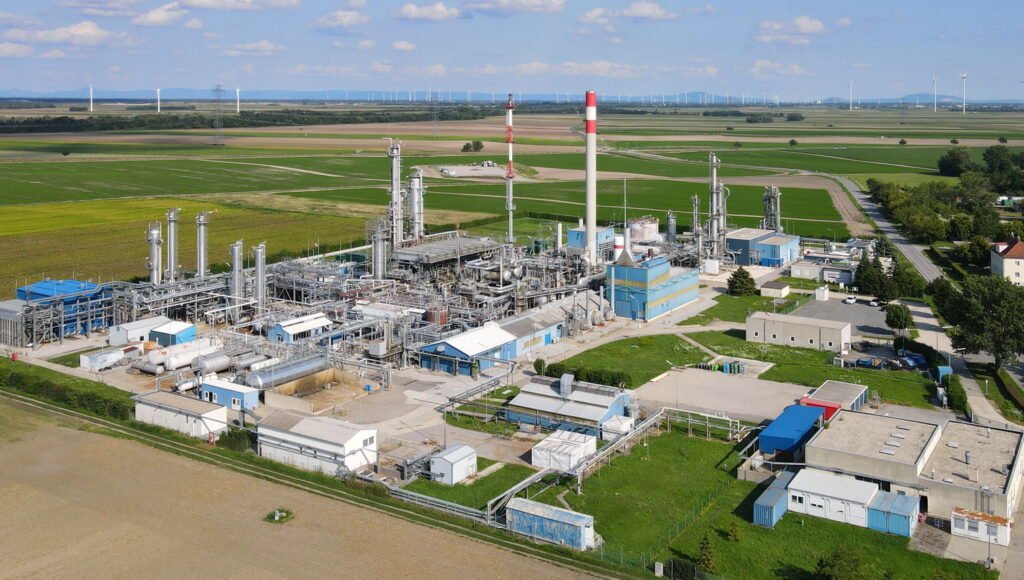
Natural gas is a fossil fuel composed primarily of methane, formed underground over millions of years from the remains of ancient marine organisms subjected to heat and pressure, and widely used for electricity generation, home heating, cooking, and as a feedstock for chemical manufacturing. It is extracted from underground reservoirs, often alongside crude oil deposits,
Natural gas Read More »
A fossil fuel composed primarily of methane, extracted from underground reservoirs and used for electricity, heating, and chemical manufacturing.
Natural language processing, often abbreviated NLP, is the branch of artificial intelligence focused on enabling computers to understand, interpret, and generate human language in both written and spoken form. Human language is full of ambiguity, context-dependence, idioms, and shifting meaning that make it dramatically harder for a computer to process than structured data like numbers
Natural Language Processing Read More »
The branch of artificial intelligence focused on enabling computers to understand, interpret, and generate human language.
In simple terms A naval blockade is a warring state sealing off an enemy coast or ports by force, so that ships cannot get in or out. It is a method of warfare rather than a trade measure, and that difference decides which rules apply to it. A blockading navy stops ships from countries that
Naval blockade Read More »
A naval blockade is a warring state sealing off an enemy coast by force, stopping ships of all nations, not only the enemy fleet.
Neoclassical architecture is a style that revived the forms of ancient Greek and Roman architecture, emphasizing symmetry, simple geometric volumes, and flat wall surfaces rather than heavy ornament. It emerged in the mid-eighteenth century as a deliberate reaction against the elaborate curves and dense ornamentation of the Baroque and Rococo styles that preceded it. Palladian
Neoclassical architecture Read More »
A mid-18th-century style reviving ancient Greek and Roman forms, emphasizing symmetry and restraint over Baroque and Rococo ornament.
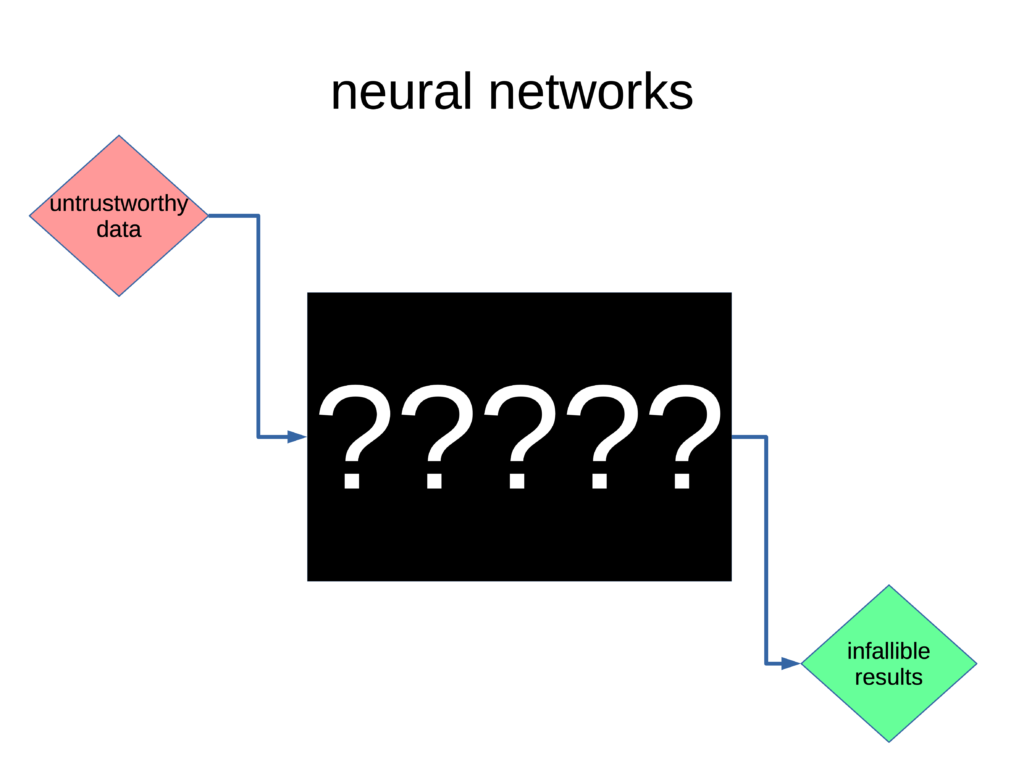
A neural network is a type of computing system loosely inspired by the structure of the brain, built from layers of simple connected units called neurons that each take in numbers, apply a mathematical transformation, and pass the result along to the next layer. Although the biological comparison is loose, the basic idea carries over
Neural Network Read More »
A computing system built from layers of connected units that learn to recognize patterns in data by adjusting connection weights.
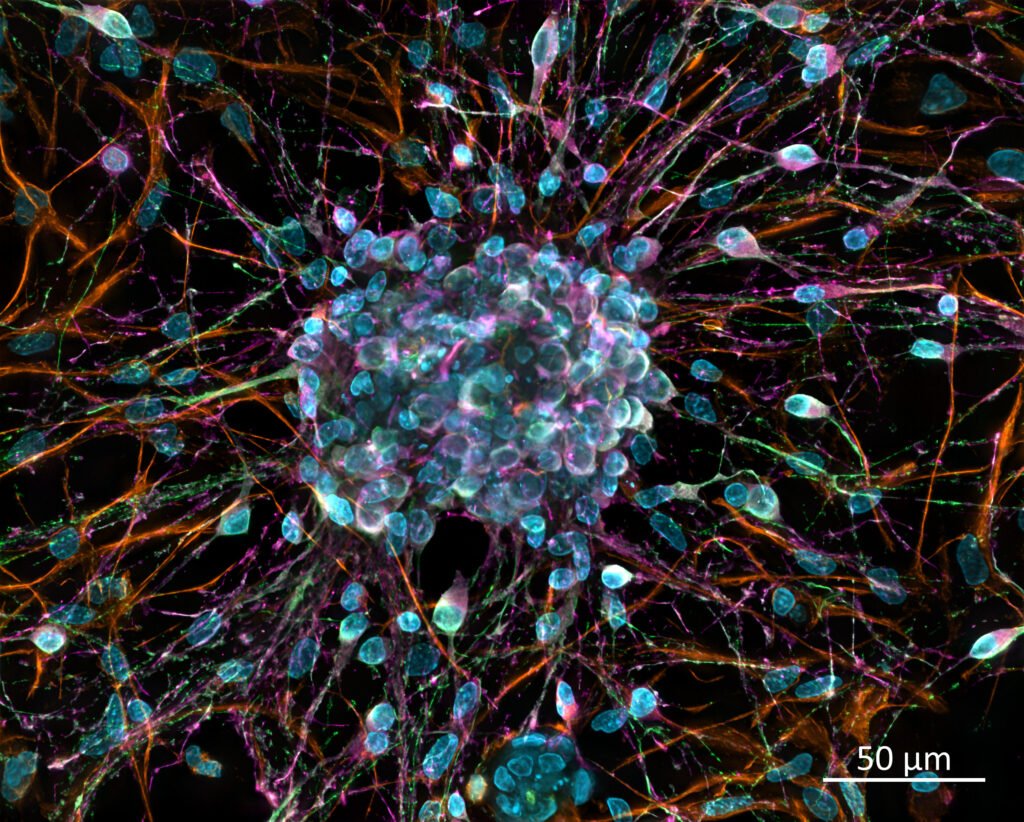
A neuron, also called a nerve cell, is a specialized cell that transmits information through the nervous system using electrical and chemical signals. Neurons are the basic functional unit of the brain, spinal cord, and peripheral nerves, and the human brain alone contains an estimated 86 billion of them, each one capable of forming thousands
Neuron Read More »
A specialized cell that transmits information through the nervous system using electrical and chemical signals.
Neuroplasticity, also called brain plasticity, is the nervous system ability to change its structure and function in response to experience, learning, injury, or environmental demands. This capacity for reorganization occurs at many levels, from strengthening or weakening individual synapses to, in some circumstances, forming entirely new connections between distant brain regions, and it continues to
Neuroplasticity Read More »
The nervous system ability to change its structure and function in response to experience, learning, or injury.