The Transfer Problem in Transit Networks Because few trips begin and end at the same transit line, most transit journeys of any complexity require at least one transfer between modes or routes, and the time, physical distance, and uncertainty involved in making that transfer can add significantly to total trip time, sometimes outweighing the speed
Multimodal Transportation Hub Read More »
A multimodal transportation hub is a facility where multiple transportation modes, such as rail, bus, bike, and pedestrian routes, connect to allow convenient transfers between them.
Multiple intelligences is a theory proposing that human intelligence is not a single general ability but a set of distinct, relatively independent capacities, each reflecting a different way of processing information and solving problems. Howard Gardner’s original framework Developmental psychologist Howard Gardner introduced the theory in his 1983 book Frames of Mind: The Theory of
Multiple intelligences Read More »
A theory proposing that intelligence consists of several distinct, relatively independent capacities rather than one general ability.
Overview Skeletal muscle is composed of different fiber types that vary in how quickly they contract and which energy pathway they rely on most heavily, and the proportion of each type in a given muscle helps explain why some athletes excel at endurance events while others excel at explosive, short-duration efforts. Main Fiber Categories Slow-twitch
Muscle Fiber Type Read More »
A classification of skeletal muscle cells based on their speed of contraction and primary energy source, influencing athletic strengths.
Muscle hypertrophy is the physiological process by which skeletal muscle fibers increase in size, primarily through an increase in the cross-sectional area of individual muscle cells rather than an increase in their number. It is the main adaptation responsible for the visible muscle growth that results from resistance training, and it occurs when the rate
Muscle hypertrophy Read More »
The process by which skeletal muscle fibers increase in size in response to resistance training.
Mutualism is a type of symbiotic relationship in which two different species interact in a way that benefits both participants, distinguishing it from commensalism, where only one species benefits, and parasitism, where one species benefits at the other’s expense. Mutualistic relationships are found throughout virtually every ecosystem on Earth and have played a fundamental role
Mutualism Read More »
Mutualism is a symbiotic relationship in which two different species both benefit, from pollination to coral reefs to plant-fungi partnerships.
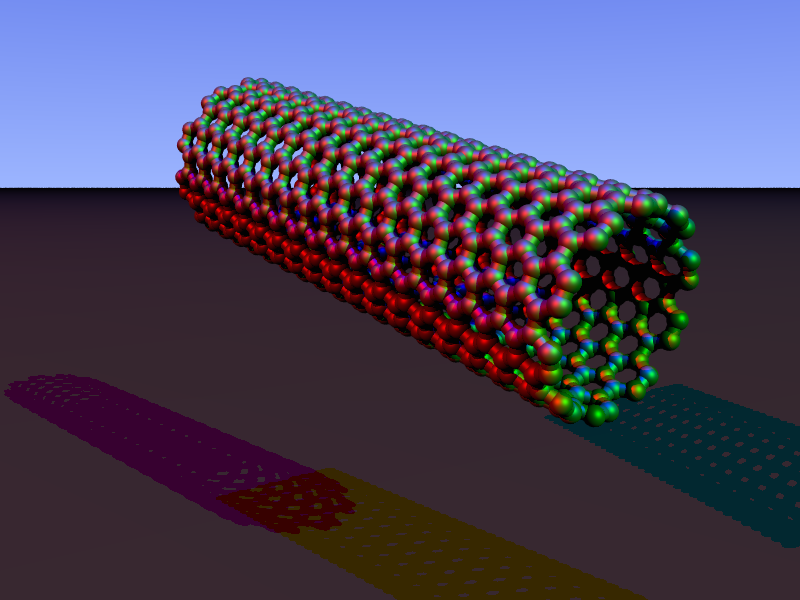
A nanomaterial is a material engineered to have at least one dimension measuring between roughly one and one hundred nanometers, a scale so small that a single nanometer is about one-billionth of a meter, or roughly the width of a few atoms placed side by side. At this scale, materials often display physical, chemical, and
Nanomaterial Read More »
A material engineered to have at least one dimension between roughly one and one hundred nanometers, giving it properties distinct from its bulk form.
A narrative is an account of connected events, real or fictional, presented in a sequence that forms a story, typically involving characters, some form of conflict or change, and a structure that gives the events meaning beyond a bare list of what happened. Narrative is not limited to literature: it shapes how people tell personal
Narrative Read More »
An account of connected events, real or fictional, organized into a story with structure and meaning.
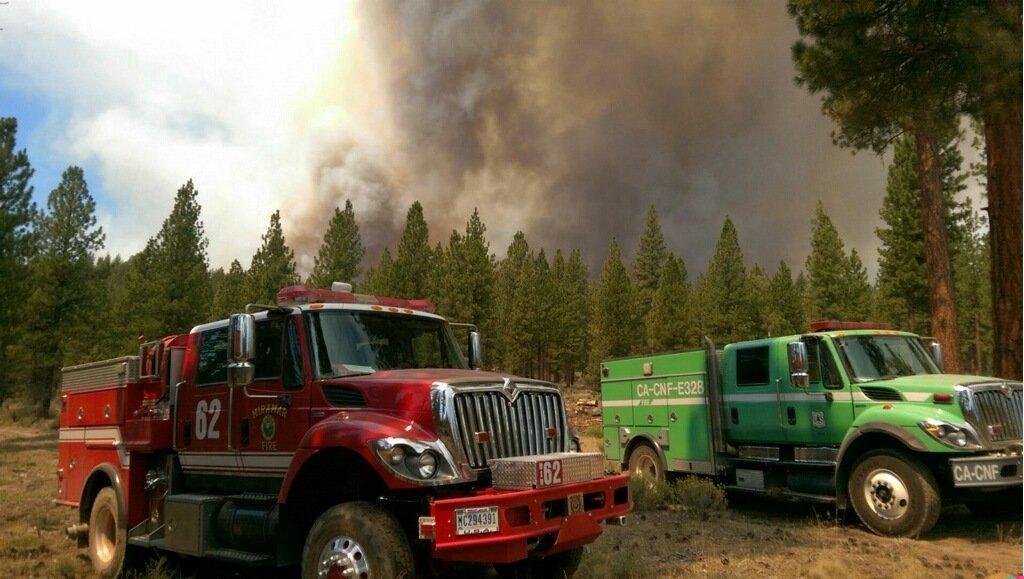
A national forest is a tract of forested public land designated and managed by a national government, typically balancing timber production, recreation, watershed protection, and wildlife conservation under a formal multiple-use mandate. Origins and Purpose Many countries established national forest systems in the late nineteenth and early twentieth centuries partly in response to concerns about
National Forest Read More »
Public forested land designated and managed by a national government under a multiple-use mandate balancing timber, recreation, and conservation.
Dual Role and Command Structure The National Guard occupies a unique position in many federal systems, serving as both a reserve component of national military forces and a resource directly available to state or regional governments for domestic missions. In the United States, this dual status means Guard units can be activated by state governors
National Guard Deployment Read More »
National Guard deployment refers to the activation of reserve military forces to support domestic security, disaster response, and civil order operations within their home country.