Species-Specific Nutritional Needs Dogs and cats have fundamentally different nutritional requirements rooted in their evolutionary diets. Dogs are biologically classified as omnivores, capable of deriving nutrition from a mix of animal and plant sources and synthesizing certain nutrients internally. Cats, by contrast, are obligate carnivores that require specific nutrients, including taurine, arachidonic acid, and preformed
Pet Nutrition and Feeding Read More »
The science of formulating and managing diets for companion animals to meet species-specific nutritional requirements across life stages.
In simple terms pH tells you how acidic or basic a water based liquid is. Lemon juice is acidic, a baking soda solution is basic, and pure water sits between them. The scale runs from 0 to 14. Seven is neutral, below 7 is acidic, and above 7 is basic, also called alkaline. How it
pH Read More »
pH measures how acidic or basic a water based solution is, on a scale where 7 is neutral, lower is acidic and higher is basic.
Pharmacokinetics is the branch of pharmacology that studies how the body absorbs, distributes, metabolizes, and eliminates a drug over time, essentially describing what the body does to a drug rather than what the drug does to the body, which is the separate focus of pharmacodynamics. Understanding a drug’s pharmacokinetic profile is essential for determining appropriate
Pharmacokinetics Read More »
The study of how the body absorbs, distributes, metabolizes, and eliminates a drug over time.
Overview The phenomenology of religion is a methodological approach within religious studies that aims to describe religious experience, symbol, and expression as they present themselves to believers, deliberately setting aside, or bracketing, questions about the objective truth or falsity of the beliefs being described. This approach prioritizes careful, empathetic description over causal or reductive explanation.
Phenomenology of Religion Read More »
The phenomenology of religion is an approach to religious studies that seeks to describe religious experience and expression as they appear to believers, before explanatory judgment.
Phishing is a cyberattack technique in which an attacker impersonates a trustworthy person, organization, or system in order to trick a target into revealing sensitive information, such as login credentials or financial details, or into taking a harmful action, such as installing malware or transferring money. The name is a deliberate play on fishing, reflecting
Phishing Read More »
A cyberattack technique in which an attacker impersonates a trustworthy party to trick a target into revealing information or taking a harmful action.
In simple terms A phoneme is the smallest unit of sound that can change a word’s meaning in a particular language. SIL Global’s Glossary of Linguistic Terms calls it the smallest contrastive unit in a language’s sound system, and contrastive is the whole point: swap one phoneme and you have a different word. English rip
Phoneme Read More »
A phoneme is the smallest unit of sound that can change the meaning of a word in a particular language.
Photography is the process and art of capturing a permanent image using light, originally through a light-sensitive chemical surface and today increasingly through digital sensors, a technology whose basic chemical and optical principles were worked out independently by several inventors in the early nineteenth century. Early invention French inventor Joseph Nicephore Niepce produced the earliest
Photography Read More »
The process and art of capturing a permanent image using light, chemically or digitally.
Photojournalism is the practice of telling news stories primarily through photographs, capturing significant moments, events, and conditions in ways that convey information and emotional impact that text alone may not fully achieve. It spans a wide range of subjects, from breaking news and conflict coverage to documentary projects exploring social issues over extended periods. Ethical
Photojournalism Read More »
The practice of telling news stories primarily through photographs.
In simple terms Photosynthesis is how plants, algae and some bacteria make their own food. They use energy from sunlight to turn carbon dioxide and water into sugars. Oxygen comes out as a byproduct. Almost every breath you take depends on it. How it works Three inputs are needed: carbon dioxide, water and light. Carbon
Photosynthesis Read More »
Photosynthesis is how plants, algae and some bacteria use sunlight to turn carbon dioxide and water into sugars, releasing oxygen.
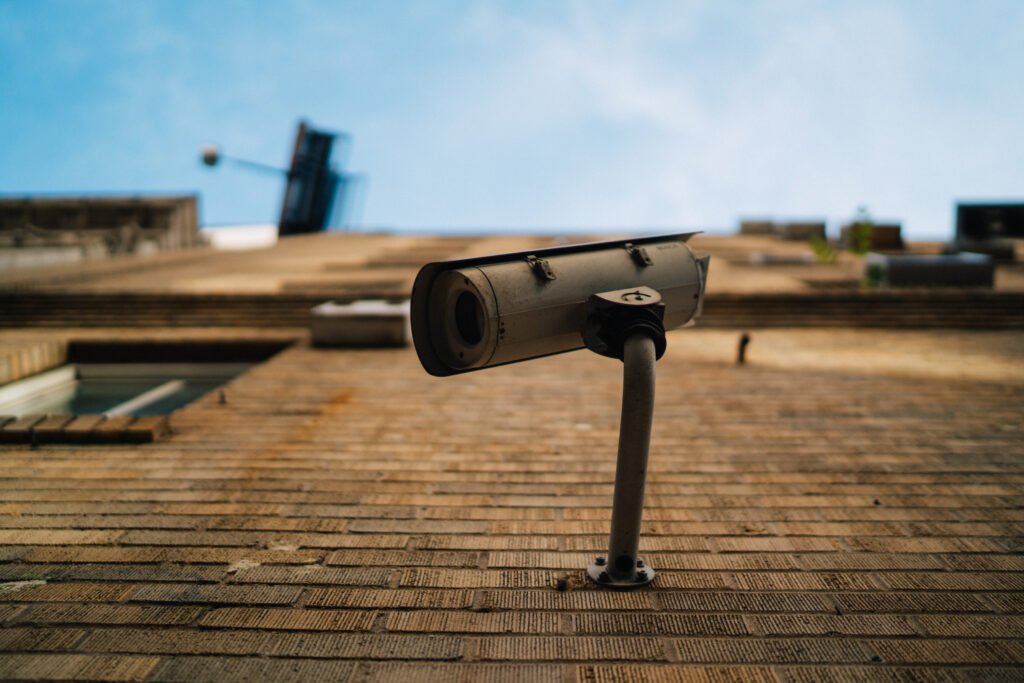
Overview Physical security covers the tangible measures an organization puts in place to prevent unauthorized people from physically reaching a facility, piece of equipment, or other protected asset. It complements rather than replaces cybersecurity, since a hacker who cannot breach a network remotely might instead attempt to walk into a data center and access equipment
Physical Security Read More »
Physical security refers to measures designed to prevent unauthorized physical access to a facility, equipment, or resource.