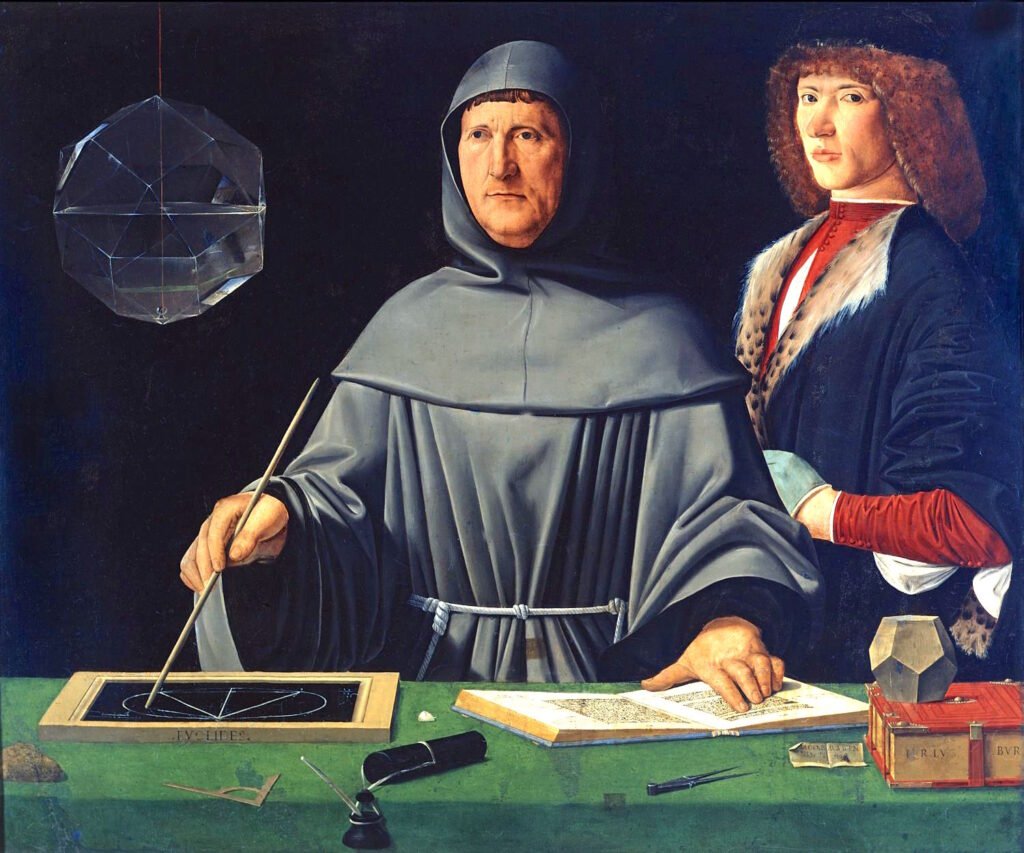
Baking science is the study of the chemical and physical reactions that transform raw doughs and batters into finished baked goods, explaining why precise measurement and technique matter more in baking than in most other cooking. Because baked goods rely on exact ratios of flour, fat, liquid, leavening, and sugar to set their final structure,
Baking Science Read More »
The study of chemical and physical reactions that transform doughs and batters into finished baked goods.
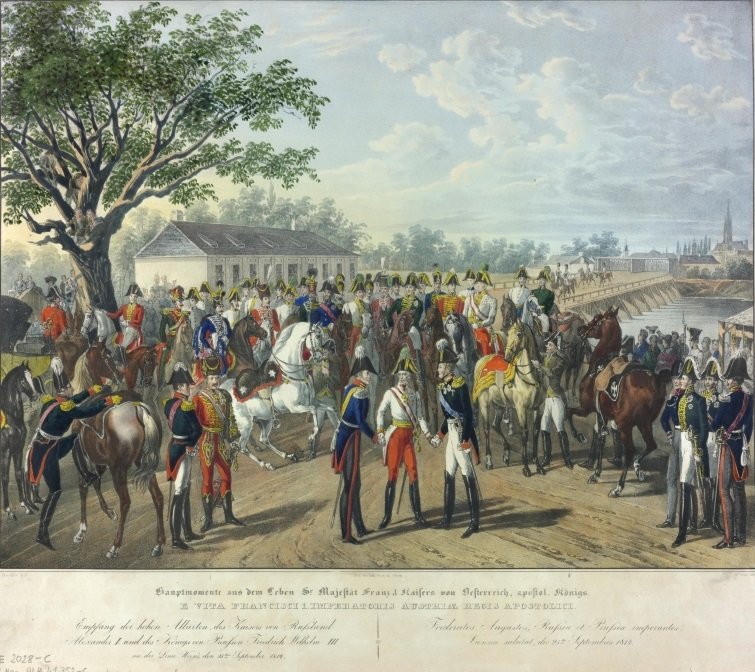
Balance of power is a theory of international relations holding that states can best secure their own survival by preventing any single state from accumulating so much military strength that it can dominate all the others. The core logic is that if one state grows significantly more powerful than its neighbors, those neighbors have a
Balance of Power Read More »
A theory holding that states secure their survival by preventing any one state from dominating the rest.
A balance sheet is a financial statement that lists what a company owns, what it owes, and the owners’ residual stake in it, all as of one specific date. Unlike statements that cover a period of activity, a balance sheet is a snapshot: it freezes a company’s financial position at the close of a single
Balance Sheet Read More »
A balance sheet is a financial statement that lists a company's assets, liabilities, and owners' equity at one point in time.
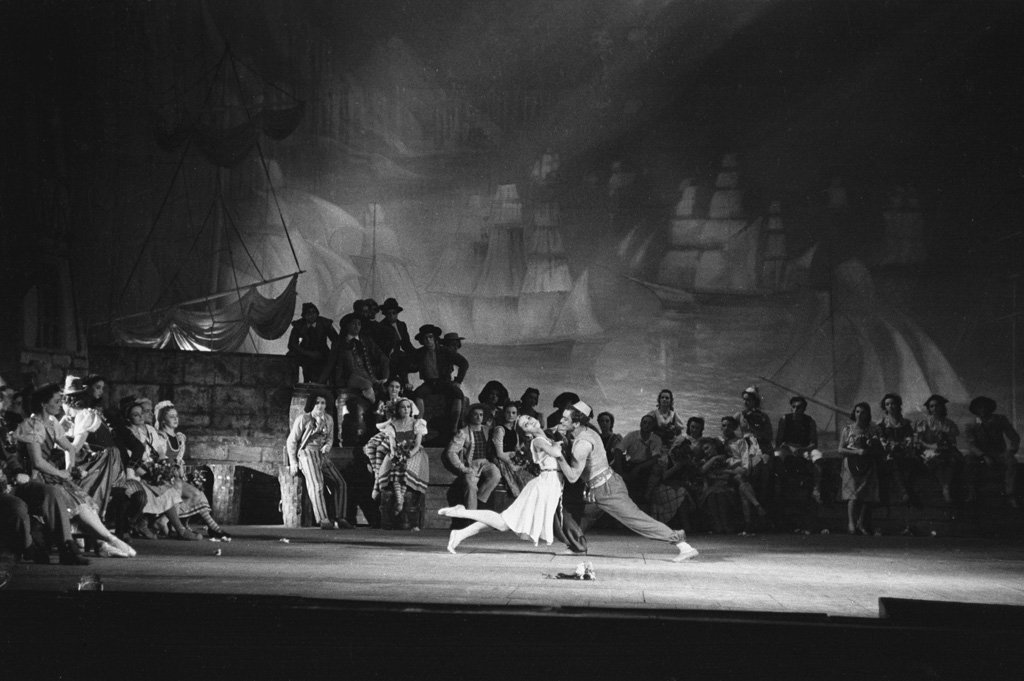
Ballet is a formal, highly codified style of theatrical dance that developed out of Renaissance Italian court entertainment before being systematically formalized in seventeenth-century France, producing a precise technical vocabulary and performance tradition that continues to shape concert dance worldwide. Formalization under Louis XIV King Louis XIV of France established the Academie Royale de Danse
Ballet Read More »
A formal, highly codified style of theatrical dance formalized in 17th-century France.
In simple terms A ballistic missile burns its rocket motor for only the first part of the journey. After that it is a thrown object, following the curve that gravity gives it. The Arms Control Association puts it plainly: ballistic missiles are powered by rockets initially but then follow an unpowered, free falling trajectory toward
Ballistic missile Read More »
A ballistic missile is rocket powered at launch, then coasts on an unpowered arc, falling under gravity onto its target.
In simple terms Bandwidth is the carrying capacity of a connection: how much data it can move in a second. It is usually written in megabits per second, or Mbps. Picture a pipe. Bandwidth is how wide the pipe is, not how fast any single drop travels down it. How it works Download and upload
Bandwidth Read More »
Bandwidth is how much data a connection can carry each second, usually measured in megabits per second, and quoted separately for download and upload.
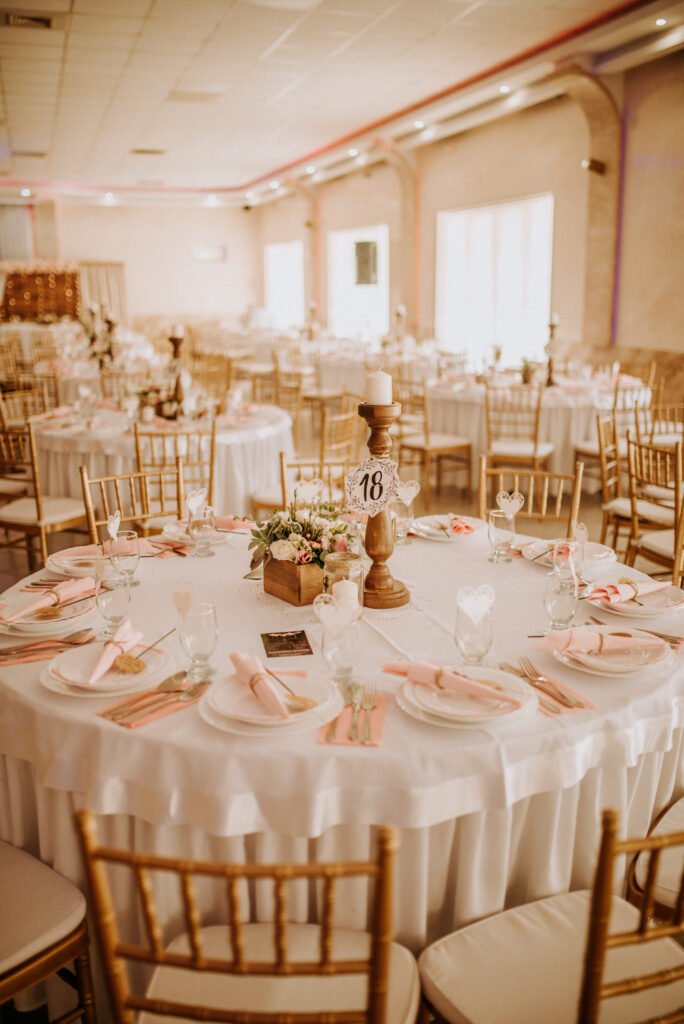
Overview Banquet and catering operations coordinate food and beverage service for scheduled group events, ranging from weddings and conferences to corporate functions and private parties. Contract and Guarantee Structures Banquet contracts typically specify a guaranteed minimum attendance figure, protecting the caterer from financial loss if actual attendance falls meaningfully below projections while allowing some flexibility
Banquet and Catering Operations Read More »
Banquet and catering operations manage the planning and execution of food and beverage service for scheduled group events such as weddings, conferences, and corporate functions.
Overview Bar and beverage management covers the operational, financial, and regulatory aspects of running a bar program, whether as a standalone business or part of a larger restaurant operation. Pour Cost and Inventory Control Bar managers closely track pour cost, the ratio of liquor cost to drink selling price, using standardized pours and regular inventory
Bar and Beverage Management Read More »
Bar and beverage management covers the operation of a restaurant or standalone bar, including inventory control, staffing, pricing, and regulatory compliance.
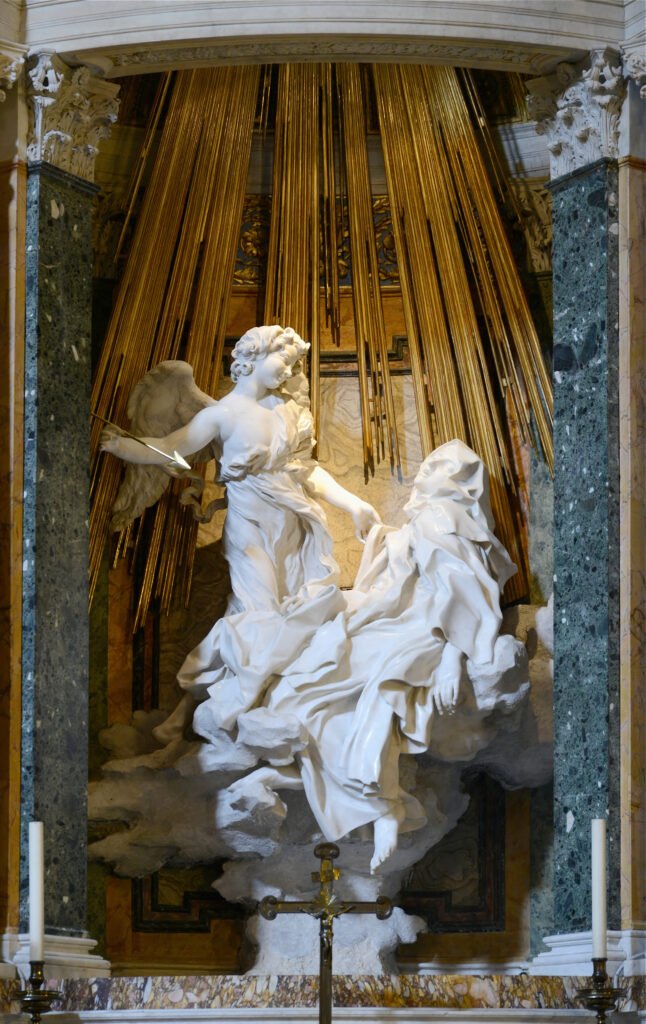
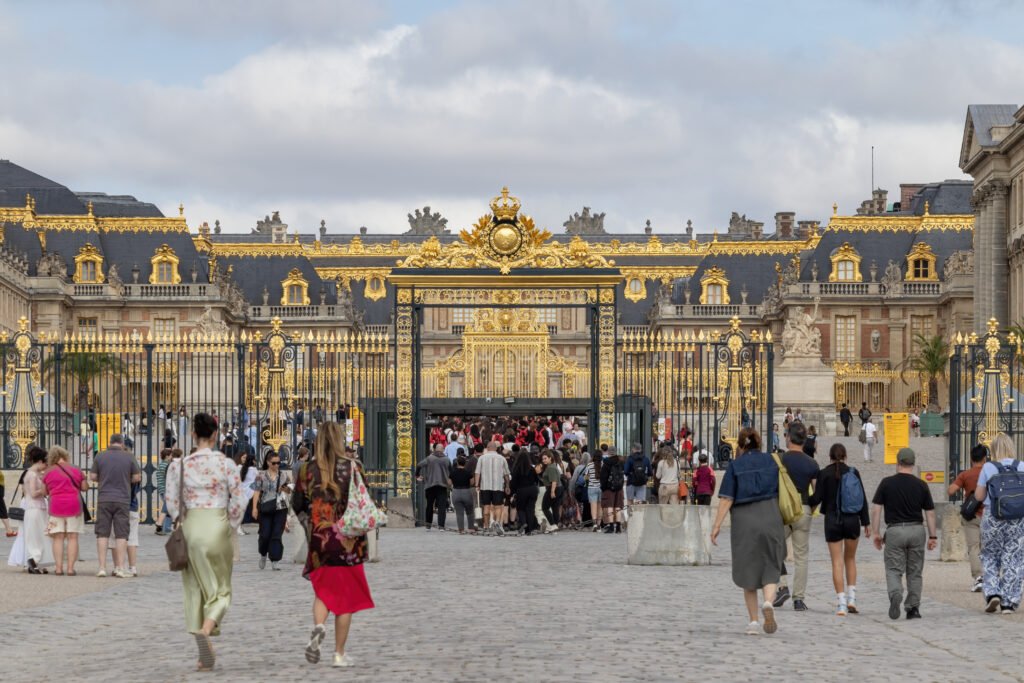
Baroque is the dramatic, highly ornamented style that dominated European art and architecture from roughly 1600 to the early eighteenth century, marked by intense movement, strong contrasts of light and shadow, and a theatrical sense of grandeur intended to overwhelm the viewer emotionally rather than simply please the eye. The style first took shape in
Baroque Read More »
A dramatic, highly ornamented European art and architecture style of roughly 1600 to the early 1700s, born in Counter-Reformation Rome.
A highly ornamented, dramatic architectural style that emerged in Counter-Reformation Rome, emphasizing dynamic curves, grand scale, and theatrical light.