Overview Cyber warfare describes digital attacks that a nation-state, or a group acting on its behalf, directs against the computer systems of another nation. Unlike ordinary cybercrime carried out for financial gain, cyber warfare pursues strategic or military goals, whether disrupting an enemys power grid, stealing defense secrets, or disabling command networks ahead of a
Cyber Warfare Read More »
Cyber warfare is the use of digital attacks by a nation or state-backed group to damage, disrupt, or spy on another nations computer systems.
Cyberwarfare refers to the use of cyberattacks by or against a state, intended to cause damage comparable to traditional armed conflict, whether through espionage, sabotage of physical infrastructure, propaganda and disinformation, or direct economic harm. Experts disagree sharply over whether the term accurately describes what has actually happened in the real world so far, with
Cyberwarfare Read More »
The use of cyberattacks by or against a state intended to cause damage comparable to armed conflict.
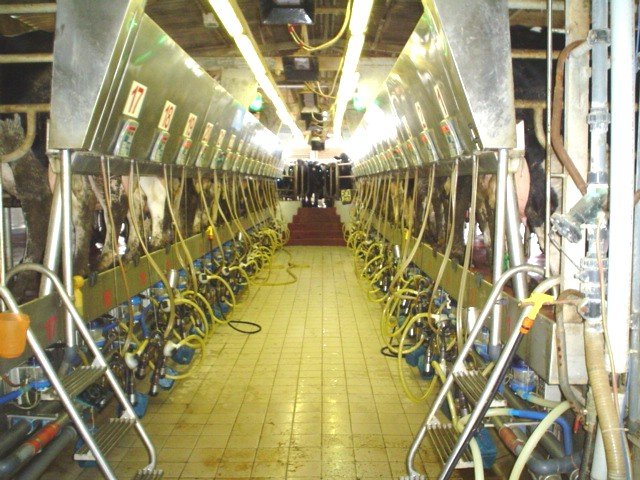
The Lactation Cycle and Production Timing Dairy cattle management revolves centrally around the lactation cycle, the period following calving during which a cow produces milk, which typically peaks several weeks after calving before gradually declining until the cow is dried off and rebred to begin the cycle again. Managing this cycle effectively requires careful attention
Dairy Cattle Management Read More »
Dairy cattle management is the specialized care, feeding, and breeding of cattle for milk production, encompassing lactation cycles, milking systems, and herd health.
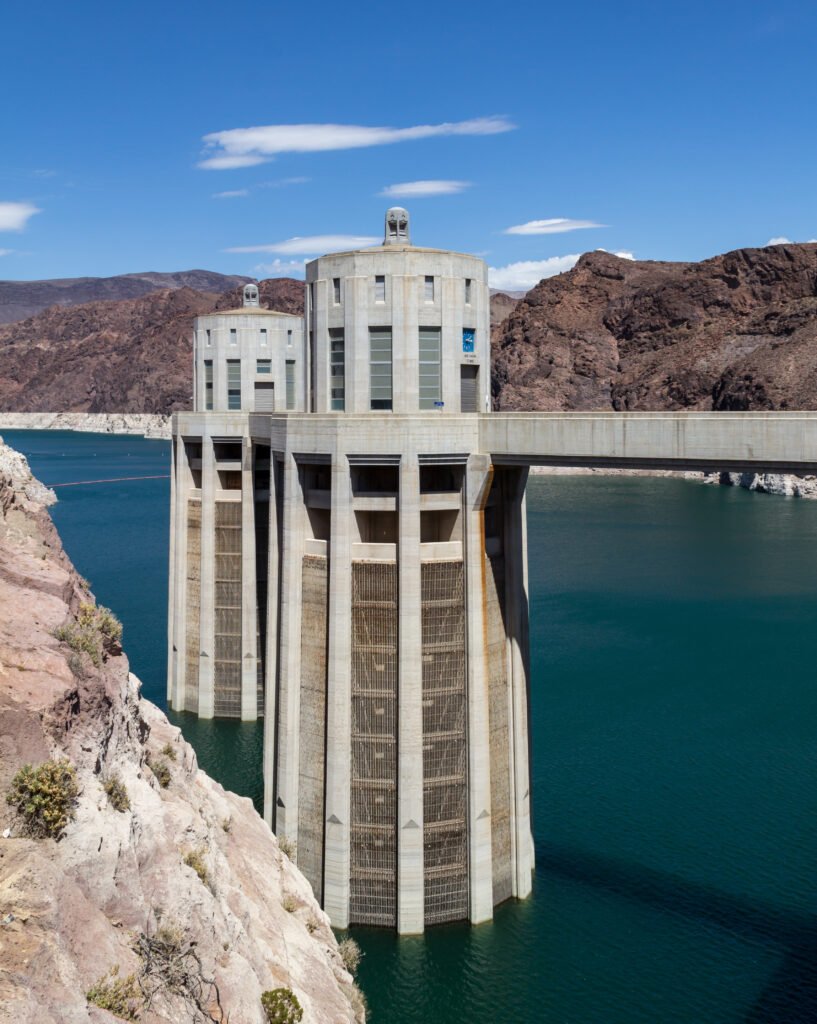
A dam is a barrier built across a river or stream to hold back water, creating a reservoir that can be used for water supply, irrigation, flood control, hydroelectric power generation, or a combination of these purposes. Dams rank among the largest structures civil engineers build, since they must hold back enormous volumes of water
Dam Read More »
A barrier built across a river to hold back water for water supply, flood control, irrigation, or hydroelectric power.
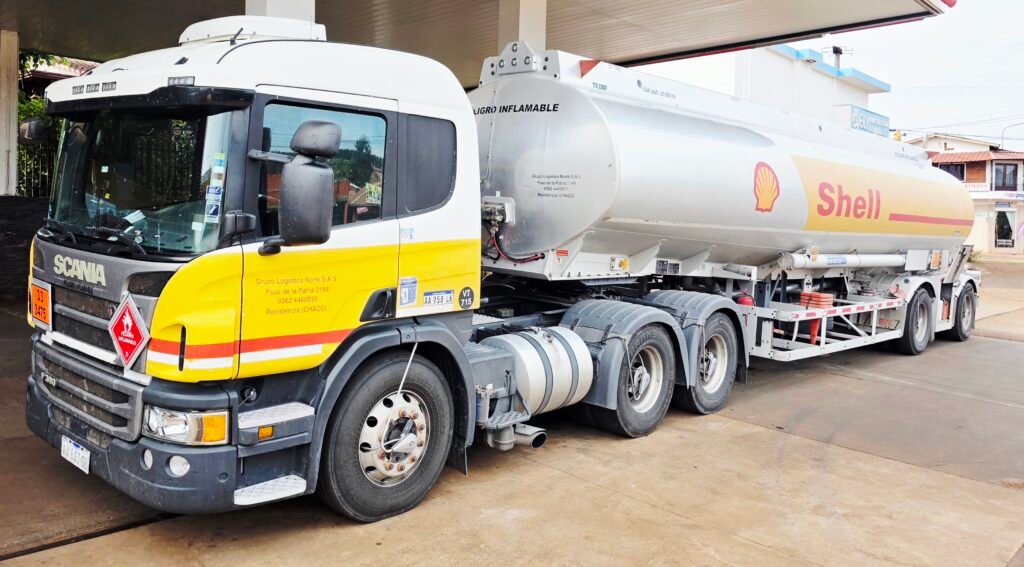
What Dangerous Goods Transport Covers Dangerous goods transport involves shipping materials that pose a risk to health, safety, property, or the environment during transportation, including explosives, flammable liquids and gases, corrosive substances, radioactive materials, and toxic chemicals. Strict regulations govern how these materials must be packaged, labeled, documented, and handled throughout the shipping process. Hazard
Dangerous Goods Transport Read More »
Dangerous goods transport is the shipping of materials classified as hazardous, such as explosives, flammable liquids, or toxic substances, under strict regulatory controls for packaging, labeling, and handling.
Data cleaning is the process of identifying and correcting or removing errors, inconsistencies, and inaccuracies in a dataset before it is used for analysis, reporting, or training a machine learning model. Raw data collected from real-world sources, including manual entry forms, sensors, and combined records from multiple systems, is rarely perfectly accurate or consistently formatted,
Data Cleaning Read More »
The process of identifying and correcting or removing errors, inconsistencies, and inaccuracies in a dataset before analysis.
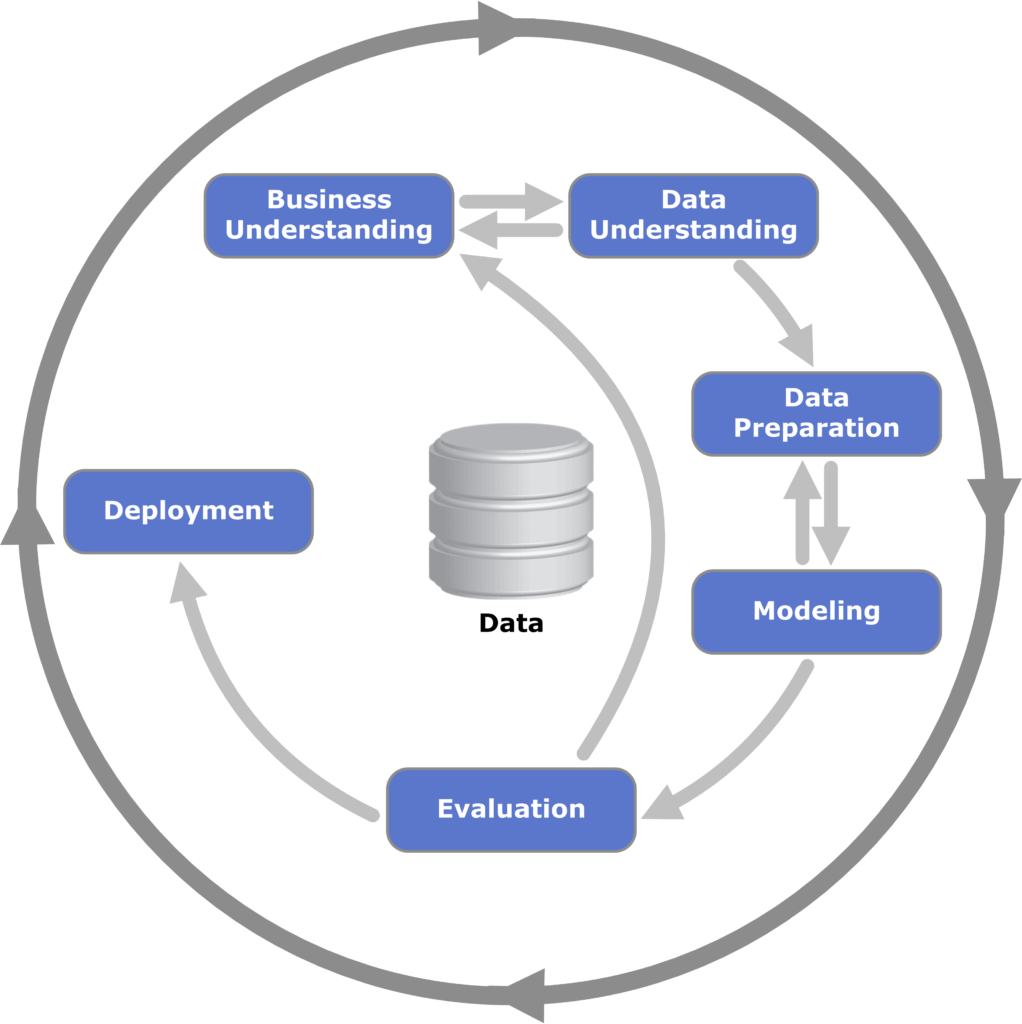
Data mining is the process of analyzing large datasets to discover previously unknown patterns, relationships, and useful information that would not be obvious from simply looking at the raw data directly. The term borrows its imagery from physical mining, since both processes involve sifting through a large quantity of raw material to extract something valuable
Data Mining Read More »
The process of analyzing large datasets to discover previously unknown, useful patterns and relationships.
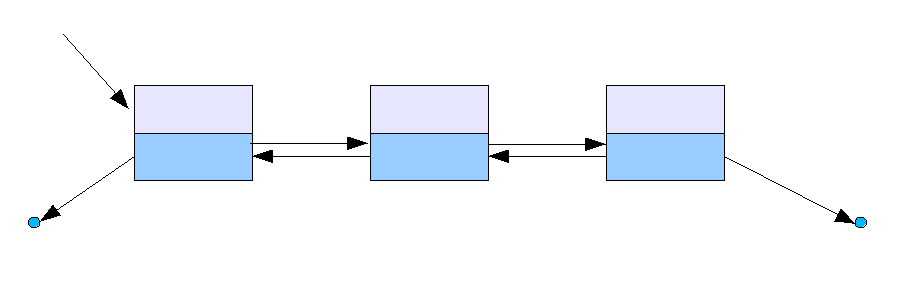
A data structure is a specific way of organizing, storing, and accessing data inside a computer so that operations on that data, such as searching, inserting, deleting, or sorting, can be carried out efficiently. Rather than treating information as an undifferentiated block, a data structure arranges values into a defined shape, for example a line,
Data Structure Read More »
A way of organizing, storing, and accessing data in a computer so operations like searching and sorting can run efficiently.
In simple terms Data visualization is the practice of turning numbers and data points into charts, graphs, maps, and other visual forms, so that patterns and comparisons are easier to see than they would be in a table of raw numbers. [1] A chart earns its place by making a pattern visible, not by decorating
Data visualization Read More »
Data visualization is the practice of representing data as charts, graphs, and maps so that patterns and comparisons are easier to see than in raw numbers.
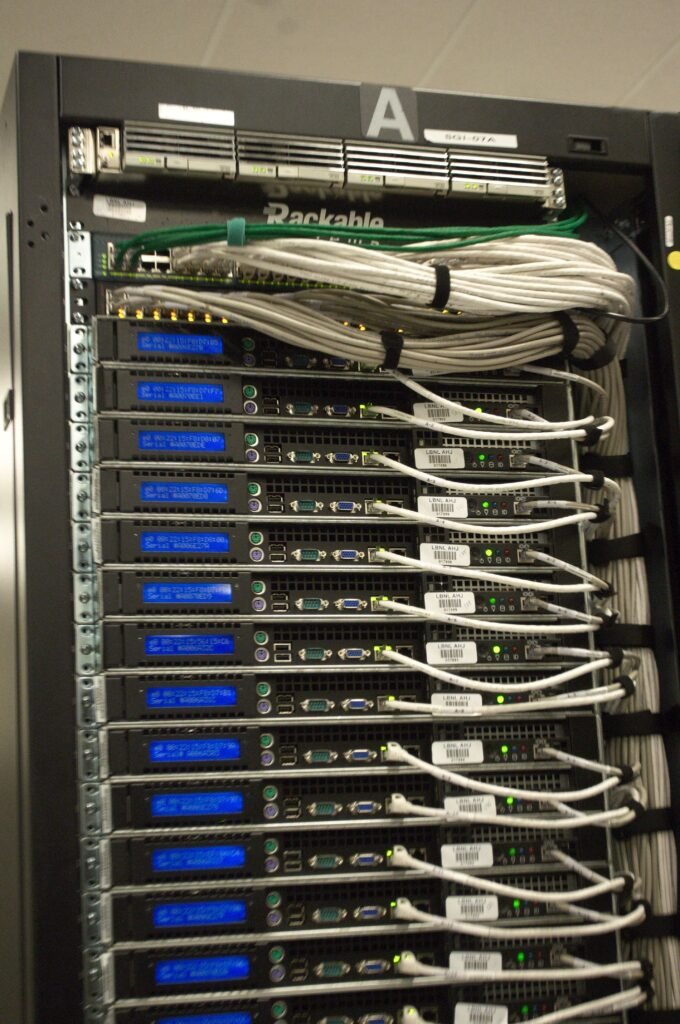
A data warehouse is a large, centralized repository designed to store integrated data gathered from many different source systems across an organization, structured specifically to support analysis and reporting rather than the everyday transaction processing those source systems were originally built for. Where an individual sales system, inventory system, and customer service system each store
Data Warehouse Read More »
A large, centralized repository that integrates data from many source systems, structured to support analysis and reporting.