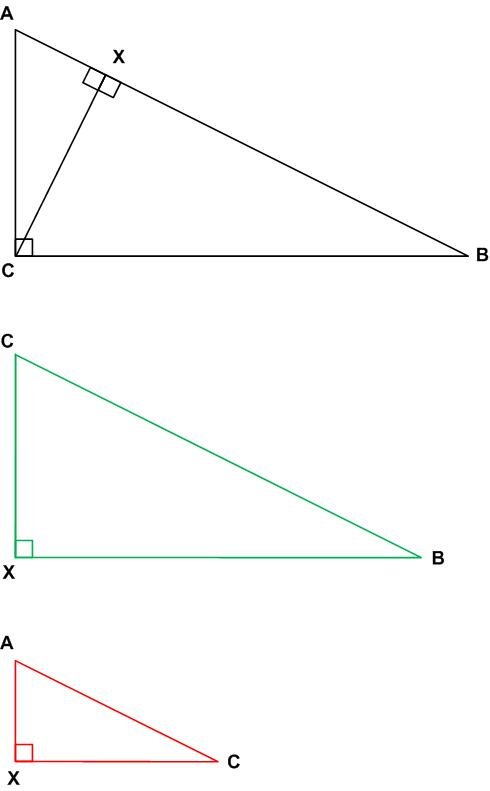
Geometry is the branch of mathematics concerned with the properties and relationships of points, lines, angles, surfaces, and solids in space. It is one of the oldest fields of mathematics, with roots in the practical problems of measuring land, constructing buildings, and tracking the motion of celestial bodies, and it remains central to fields ranging
Geometry Read More »
The branch of mathematics concerned with the properties of points, lines, shapes, and space.
Overview Geopolitical risk analysis is the discipline of assessing how political instability, conflict, and shifting alliances abroad might affect the interests of a government, military, or company. It blends regional expertise with economic and military data to produce forward-looking judgments rather than simple historical accounts of what has already happened. Applications National security planners use
Geopolitical Risk Analysis Read More »
Geopolitical risk analysis is the systematic assessment of how political, military, and economic developments abroad could affect a nation, company, or investment.
Geotechnical engineering is the branch of civil engineering that studies the behavior of soil, rock, and groundwater and uses that understanding to design the parts of a structure that sit below ground or in contact with the earth. Every building, bridge, dam, tunnel, and road ultimately rests on the ground, so before engineers can finalize
Geotechnical engineering Read More »
The branch of civil engineering that studies soil, rock, and groundwater behavior to design safe foundations and earthworks.
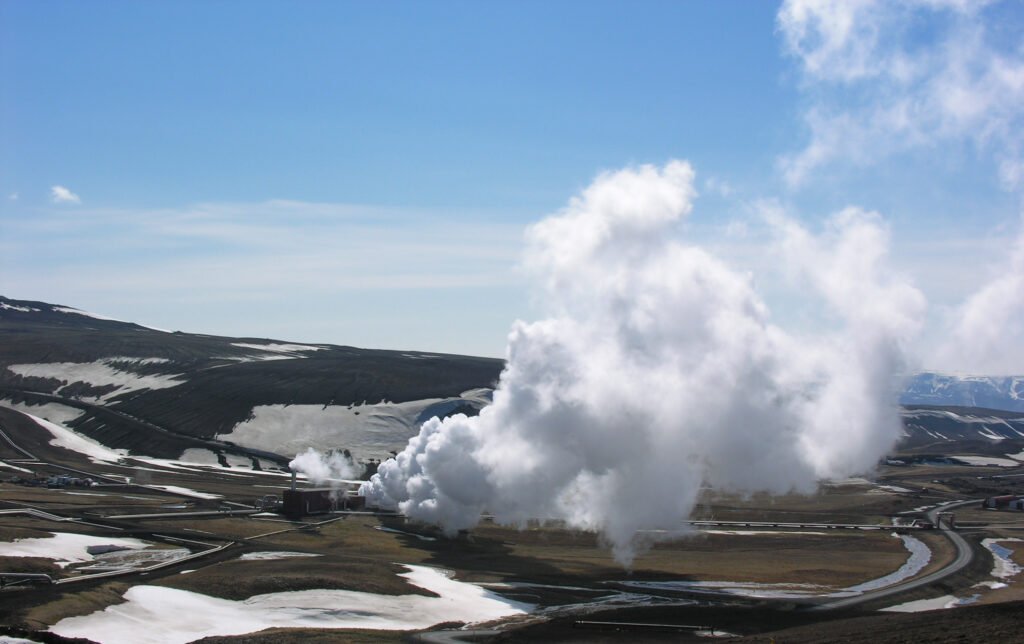
Geothermal energy is heat drawn from within the earth and used to generate electricity or provide direct heating, taking advantage of the fact that temperatures increase with depth beneath the surface due to heat left over from the planet’s formation and ongoing radioactive decay deep underground. Unlike solar and wind power, geothermal energy is available
Geothermal energy Read More »
Heat drawn from within the earth and used to generate electricity or provide direct heating.
A geothermal heat pump, also called a ground-source heat pump, is a heating and cooling system that uses the relatively stable temperature of the ground or groundwater, typically far more consistent year-round than outdoor air temperature, as a heat source in winter and a heat sink in summer, transferring heat between a building and the
Geothermal Heat Pump Read More »
A heating and cooling system using stable underground temperatures as a heat source and sink via a buried ground loop.
Geriatric care management is a professional service that helps older adults and their families navigate the often complex array of healthcare, housing, and social service decisions that arise as a person ages. Geriatric care managers are typically licensed social workers or nurses with specialized training in aging-related needs and the local service landscape. Common Services
Geriatric Care Management Read More »
A professional service that helps older adults and their families navigate healthcare, housing, and social service decisions related to aging.
In simple terms A glacial lake outburst flood is the sudden release of water held in a lake fed by a melting glacier. The UN Office for Disaster Risk Reduction defines it as a sudden release of a significant amount of water retained in a glacial lake, whatever the cause. The short form is GLOF.
Glacial lake outburst flood Read More »
A glacial lake outburst flood is the sudden release of water stored in a lake fed by a melting glacier.
Glass is an amorphous solid, most commonly made by melting silica sand together with soda ash and limestone at high temperature and then cooling the mixture quickly enough that its atoms never arrange into the regular, repeating lattice of a true crystal. This disordered atomic structure is what gives glass its defining combination of properties:
Glass Read More »
An amorphous solid made by rapidly cooling molten silica so it never crystallizes.
In simple terms A GLP-1 receptor agonist is a medicine that copies the action of GLP-1, short for glucagon-like peptide-1. GLP-1 is a hormone the gut releases after a meal. These medicines were first used for type 2 diabetes. Some are now also approved for long-term weight management in people with obesity. Well-known examples include
GLP-1 receptor agonist Read More »
A GLP-1 receptor agonist is a medicine that mimics a gut hormone to lower blood sugar and appetite, used for type 2 diabetes and obesity.
The glycemic index ranks carbohydrate-containing foods by how quickly and how much they raise blood glucose levels after eating, compared to a reference food, usually pure glucose or white bread, scored at 100. Foods are generally classified as low, medium, or high glycemic index, a distinction used in diabetes management and broader dietary planning. How
Glycemic Index Read More »
A ranking of carbohydrate-containing foods by how quickly they raise blood glucose compared to a reference food.