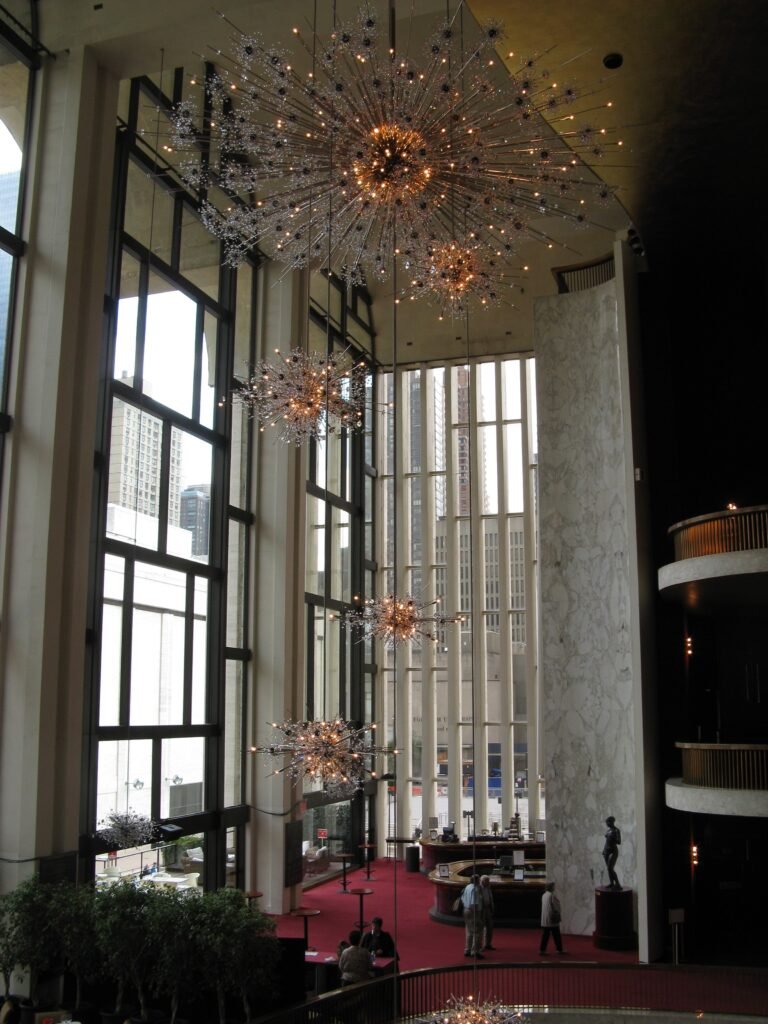
Opera is a form of theatrical performance in which the entire drama, or nearly all of it, is sung rather than spoken, combining music, singing, acting, and often elaborate staging, costumes, and orchestral accompaniment into a single large-scale art form. It emerged in Italy at the end of the sixteenth century from efforts to revive
Opera Read More »
A fully-sung theatrical form invented in 1590s Florence, with Monteverdi's 1607 L'Orfeo its earliest masterwork still performed today.
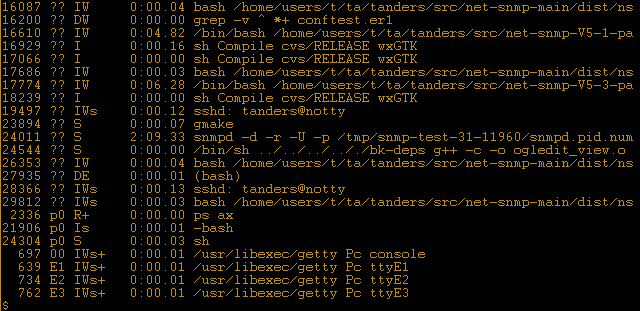
An operating system is the software that manages a computer’s hardware and provides the common services that every other program depends on to run. It sits between raw hardware, such as the processor, memory, storage, and network hardware, and the applications a person actually uses, handling the complicated, low-level work so that application developers do
Operating System Read More »
The software that manages a computer's hardware and provides the shared services every other program relies on to run.
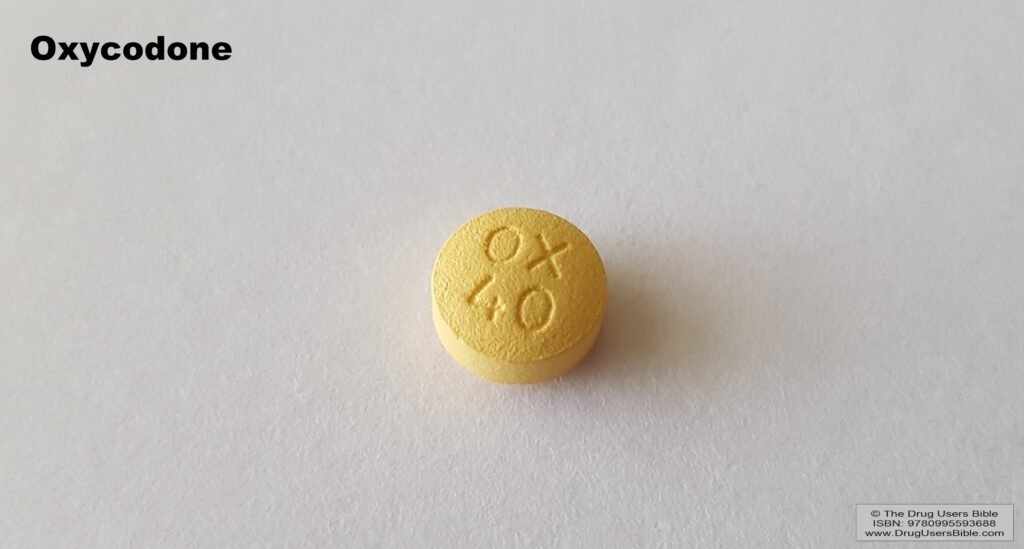
Opioids are a class of drugs that act on specific receptors in the brain, spinal cord, and other parts of the body to reduce the perception of pain, encompassing naturally derived substances from the opium poppy, semi-synthetic derivatives, and fully synthetic compounds designed to produce similar effects. While opioids remain among the most effective medications
Opioid Read More »
A class of drugs that act on specific receptors to reduce pain, carrying significant risks of tolerance, dependence, and misuse.
Opportunity cost is the value of the next-best alternative that must be given up in order to pursue a particular choice. It is one of the foundational concepts in economics, capturing the idea that resources, whether money, time, or labor, are limited, so choosing one option always means forgoing another. Explicit versus implicit costs Economists
Opportunity Cost Read More »
The value of the next-best alternative given up when choosing one option over another under limited resources.
In simple terms Orbital eccentricity is a single number that says how far an orbit departs from a perfect circle. It is written as e. A value of 0 is a circle, and the larger the number, the more stretched the path. How it works NASA‘s Jet Propulsion Laboratory defines eccentricity as the ratio of
Orbital eccentricity Read More »
Orbital eccentricity is a number describing how stretched an orbit is, from 0 for a circle to above 1 for a path that never returns.
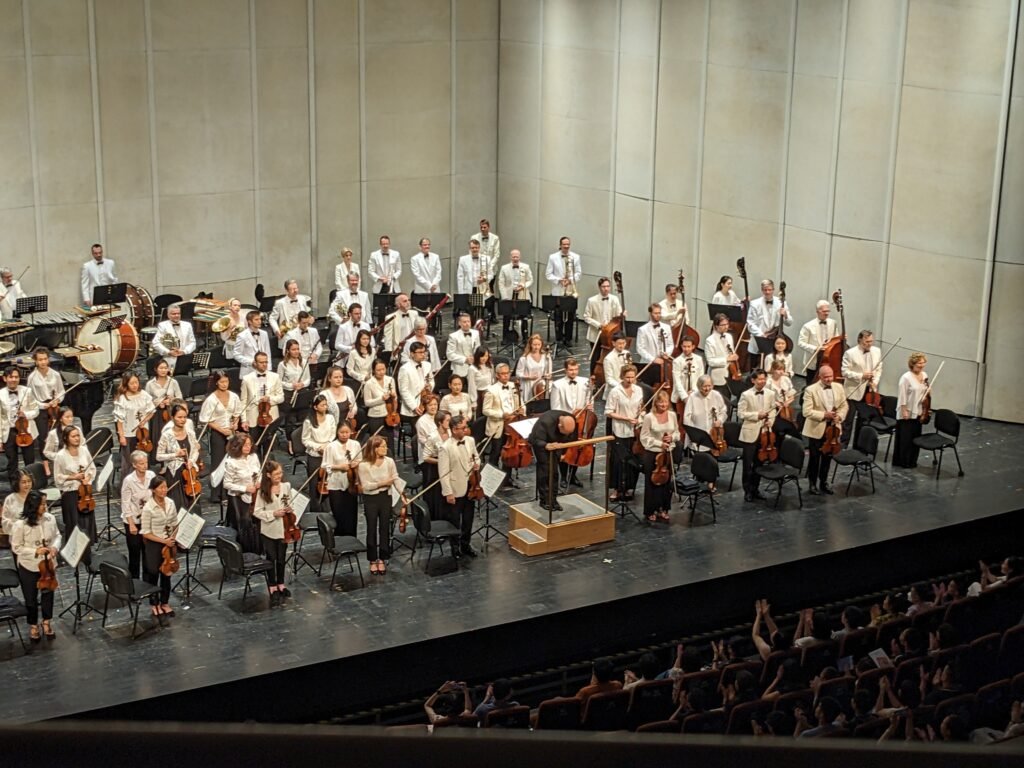
An orchestra is a large ensemble of musicians, typically combining string, woodwind, brass, and percussion sections, who perform complex compositions together, usually under the direction of a conductor. A full symphony orchestra can include close to one hundred musicians, making careful coordination essential to keeping such a large group playing precisely together. Origins Modern orchestras
Orchestra Read More »
A large ensemble of string, woodwind, brass and percussion musicians performing together, usually under a conductor.
Organic farming is a method of growing crops and raising livestock that avoids most synthetic fertilizers, pesticides, growth hormones, and genetically modified organisms, relying instead on practices such as crop rotation, composting, and biological pest control to maintain soil fertility and manage pests. The term carries a specific legal meaning in most major markets, where
Organic farming Read More »
Organic farming grows crops and raises livestock while avoiding most synthetic fertilizers, pesticides, and genetically modified inputs.
Organizational culture refers to the shared values, beliefs, and underlying assumptions that shape how members of an organization behave, make decisions, and interact with one another. It operates largely beneath the surface of day-to-day operations, yet it strongly influences everything from employee engagement to how a company responds to a crisis. Schein’s three-level model MIT
Organizational Culture Read More »
The shared values, beliefs, and underlying assumptions that shape how members of an organization behave and make decisions.
Preserving How Records Were Originally Kept Original order is the archival principle of maintaining records in the sequence and structure established by their creator, rather than imposing an arrangement that an archivist might consider more logical or convenient. This principle rests on the idea that the original sequence itself often carries meaningful information about how
Original Order Read More »
The archival principle of preserving the sequence and internal organization in which records were originally created, used, and maintained.
In simple terms Orthostatic hypotension is a drop in blood pressure that happens when someone stands up. For a few seconds, less blood reaches the brain. The usual result is lightheadedness or dizziness on rising. About one third of people who meet the clinical definition feel nothing at all. How it works The definition is
Orthostatic hypotension Read More »
Orthostatic hypotension is a drop in blood pressure on standing, of at least 20 mm Hg systolic or 10 mm Hg diastolic within three minutes.