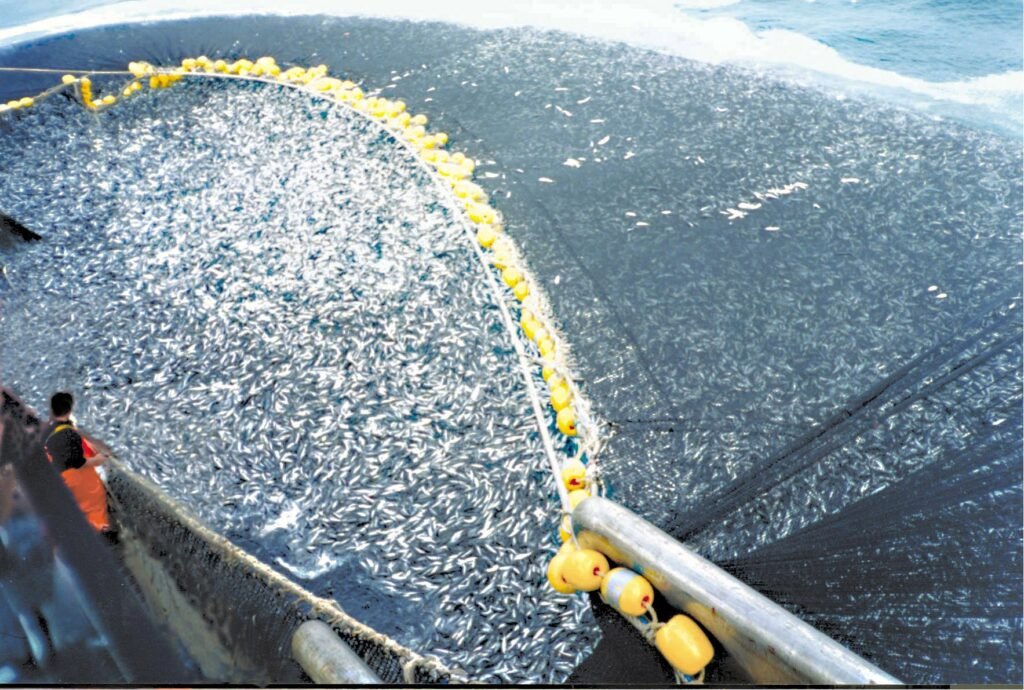
Overfishing is the harvesting of fish or other seafood from a body of water faster than the population can reproduce and replenish itself, so that the stock’s size and productivity decline over time. It is one of the most direct ways human activity can reshape an entire marine or freshwater ecosystem, since removing large numbers
Overfishing Read More »
Overfishing is harvesting fish faster than a stock can reproduce, causing its population and productivity to decline over time.
Causes and Policy Responses Overtourism describes a condition in which visitor numbers at a destination grow beyond what its physical, ecological, economic, or social carrying capacity can comfortably absorb, producing tangible negative consequences such as overcrowded public spaces, strained infrastructure, environmental degradation at popular natural sites, and declining quality of life for permanent residents who
Overtourism Read More »
Overtourism is a situation in which the volume of visitors to a destination exceeds its carrying capacity, resulting in a measurable decline in quality of life for residents, degradation of the environment, or diminished visitor experience.
Overtraining syndrome is a condition caused by an extended imbalance between training stress and recovery, in which an athlete’s performance declines despite continued or increased training effort, accompanied by persistent fatigue, mood disturbances, and other physiological symptoms that do not resolve with short periods of rest. It differs from the normal, temporary fatigue athletes experience
Overtraining syndrome Read More »
A condition caused by chronic imbalance between training stress and recovery, leading to declining performance and persistent fatigue.
Overview An overuse injury develops gradually as repetitive stress accumulates in muscle, tendon, or bone faster than the body can repair the resulting microscopic damage, distinguishing it from traumatic injuries that result from a single identifiable incident such as a fall or collision. Common Overuse Injury Sites Certain sports and activities tend to produce characteristic
Overuse Injury Read More »
A gradual injury to muscle, tendon, or bone caused by repetitive stress without adequate recovery time, common in endurance and repetitive-motion sports.
The ozone layer is a region of Earth’s stratosphere, roughly 9 to 18 miles above the surface, where the concentration of ozone molecules is naturally much higher than elsewhere in the atmosphere. This layer absorbs the vast majority of the sun’s harmful ultraviolet-B and ultraviolet-C radiation before it can reach the surface, making it essential
Ozone Layer Read More »
The ozone layer is a region of the stratosphere with a high concentration of ozone that absorbs most of the Sun's harmful ultraviolet radiation.
In simple terms A p-value is a number that says how surprising your data would be if nothing were really going on. The American Statistical Association puts it carefully: a p-value can indicate how incompatible the data are with a specified statistical model. How it works Researchers start from a null hypothesis, the assumption of
P-value Read More »
A p-value measures how incompatible observed data are with a specified statistical model, usually one that assumes no real effect.
Overview A package tour bundles multiple trip components, typically transportation and lodging, into a single pre-arranged product sold at one price. Historical Development Package tours grew rapidly after commercial jet travel made international destinations more accessible in the 1950s and 1960s, with charter flights and bulk hotel contracts driving down costs for mass-market travelers. Variations
Package Tour Read More »
A package tour is a pre-arranged travel product that bundles transportation, accommodation, and often meals or activities into a single price.
The discipline of creating containers, labels, and protective materials that protect products and communicate brand identity at the point of sale.
Overview The Pali Canon, known in Pali as the Tipitaka or Three Baskets, is the complete body of scripture recognized as authoritative by the Theravada school of Buddhism. Preserved in the Pali language, a Middle Indo-Aryan tongue closely related to the dialects of the historical Buddha, the canon represents the oldest surviving comprehensive record of
Pali Canon Read More »
The Pali Canon, also called the Tipitaka, is the standard collection of scriptures preserved in the Theravada Buddhist tradition.
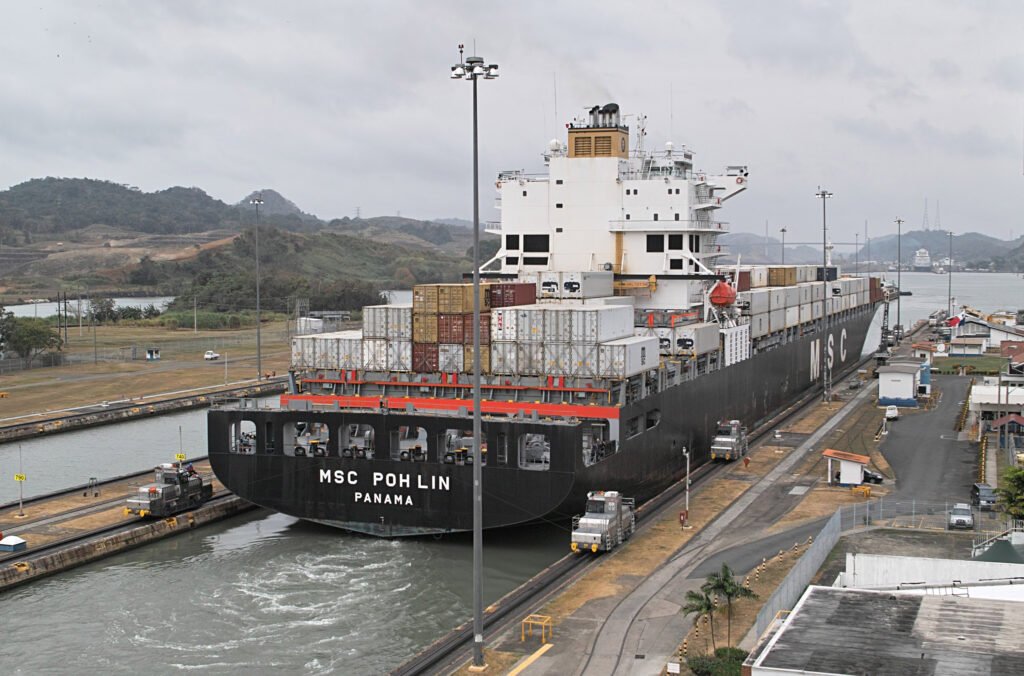
What Panamax Means Panamax describes the maximum vessel length, width, and draft that can pass through the original locks of the Panama Canal. For decades, this size standard significantly influenced ship design, since shipping lines often built vessels as close as possible to the maximum Panamax dimensions to maximize cargo capacity while retaining the ability
Panamax Read More »
Panamax refers to the maximum vessel dimensions that can transit the Panama Canal's locks, a size standard that has long influenced ship design and global shipping routes.