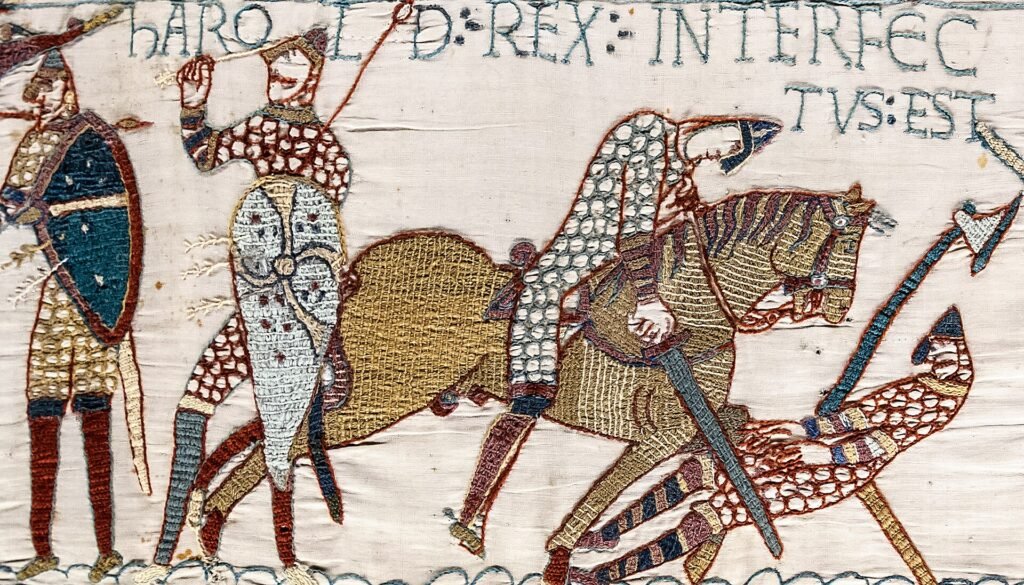
The Battle of Hastings was fought on 14 October 1066, when the Norman army of William, Duke of Normandy, defeated the English army of King Harold II on a ridge about seven miles from Hastings in southern England. Harold was killed in the fighting, and William was crowned king of England on Christmas Day. The
Battle of Hastings Read More »
The Battle of Hastings was the 14 October 1066 victory of William of Normandy over King Harold II, which began the Norman Conquest of England.
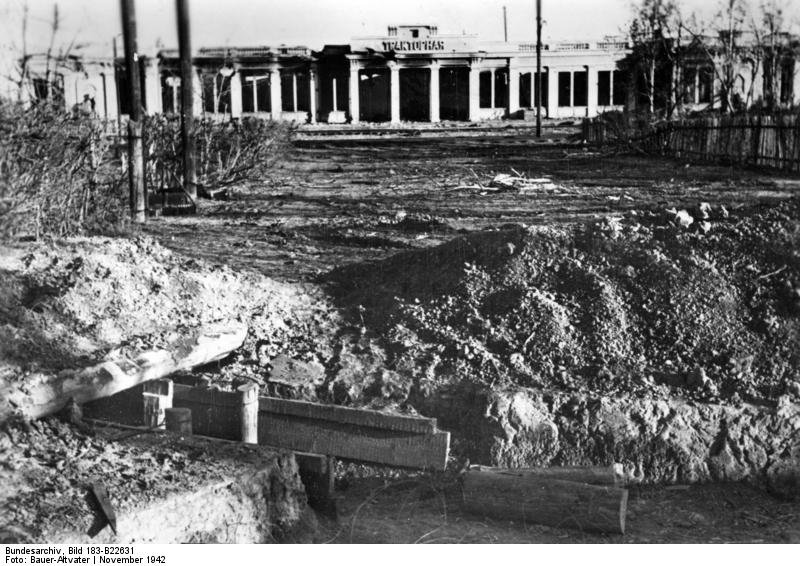
The Battle of Stalingrad was a major battle of World War II fought from 17 July 1942 to 2 February 1943 between German-led Axis forces and the Soviet Red Army for control of the city of Stalingrad, now Volgograd, on the Volga River in the Soviet Union. It ended with the surrender of the German
Battle of Stalingrad Read More »
The Battle of Stalingrad was the Soviet encirclement and defeat of Germany's Sixth Army in 1942 and 1943.
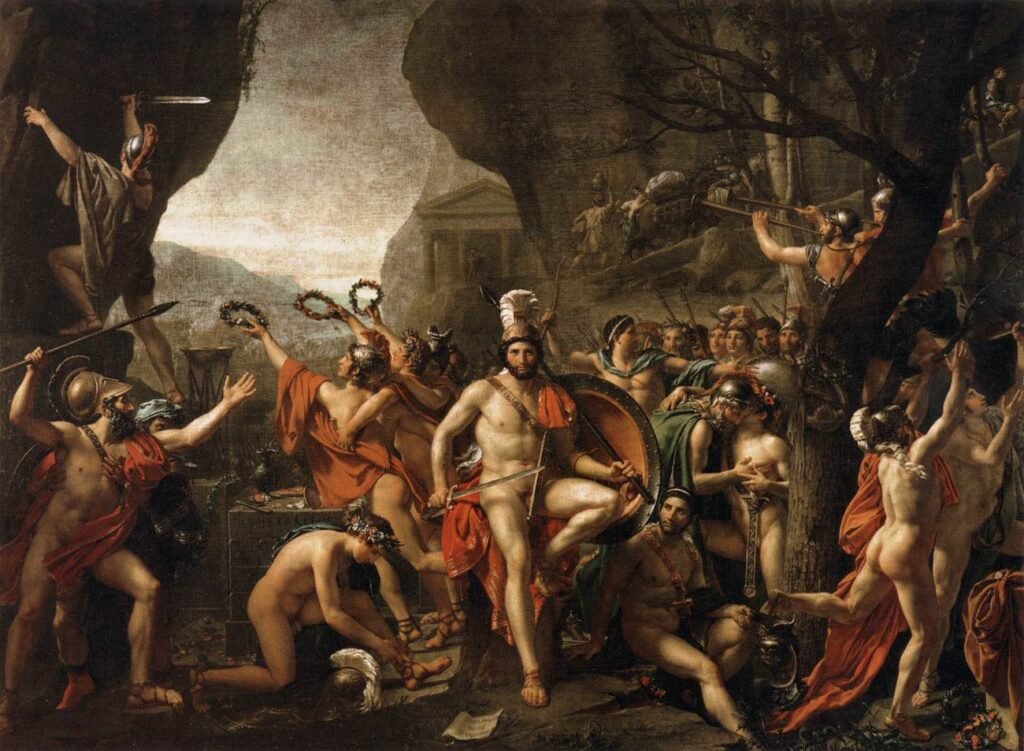
The Battle of Thermopylae was a three-day battle fought in August 480 BCE between a Greek alliance led by the Spartan king Leonidas and the invading Persian army of King Xerxes I. It took place at a narrow coastal pass in northern Greece. Although the Greeks were greatly outnumbered and were ultimately defeated, their stand
Battle of Thermopylae Read More »
The Battle of Thermopylae was the August 480 BCE stand of Leonidas and a small Greek force against the Persian army of Xerxes I.
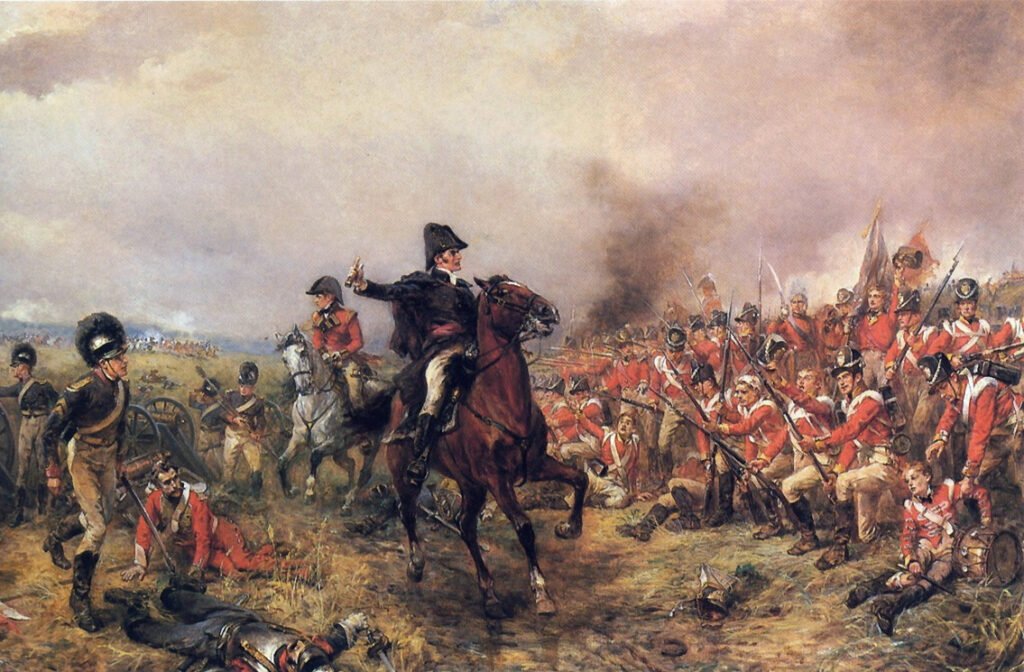
The Battle of Waterloo was fought on 18 June 1815 near the village of Waterloo, in present-day Belgium, between the French army of Napoleon Bonaparte and two allied armies led by the Duke of Wellington and Field Marshal Gebhard von Blucher. The allied victory ended Napoleon’s attempt to regain power in Europe. The National Army
Battle of Waterloo Read More »
The Battle of Waterloo was the 18 June 1815 defeat of Napoleon by British, Dutch, German and Prussian armies in what is now Belgium.
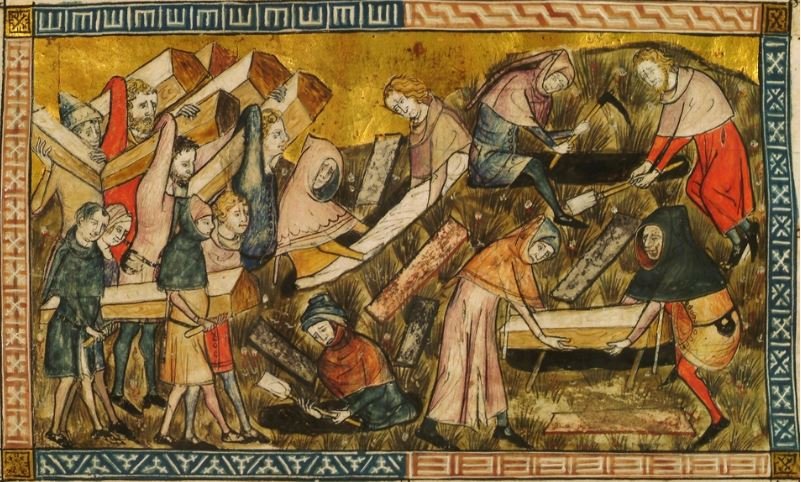
The Black Death was a plague pandemic that spread across Europe, Asia and North Africa in the middle of the 14th century, with its worst years in Europe between 1347 and 1351. It was caused by the bacterium Yersinia pestis and was the first wave of the second plague pandemic, which kept returning to Europe
Black Death Read More »
A plague pandemic caused by Yersinia pestis that killed an estimated one third to one half of Europe's people between 1347 and 1351.
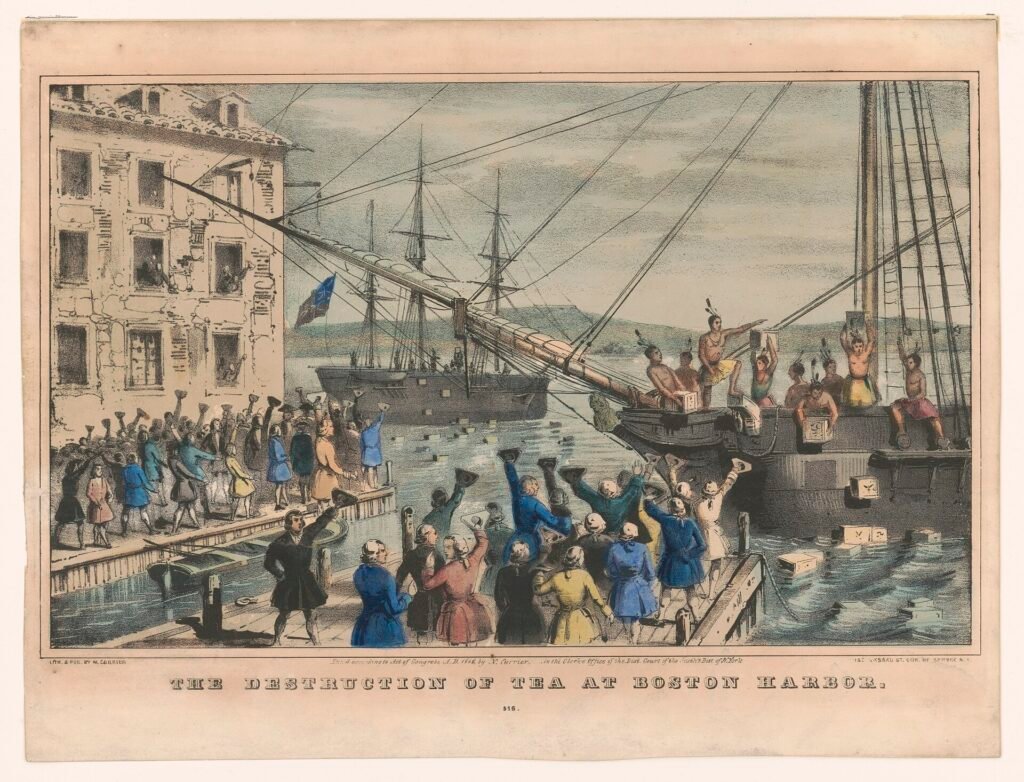
The Boston Tea Party was a protest on the night of 16 December 1773 in which colonists in Boston, Massachusetts, boarded three ships and threw their cargoes of East India Company tea into the harbor. It was a direct challenge to the Tea Act of 1773 and to British rule, and the harsh British response
Boston Tea Party Read More »
Protest of 16 December 1773 in which Boston colonists destroyed a cargo of East India Company tea, helping push the colonies toward revolution.
The Chernobyl disaster was a nuclear accident at the Chernobyl power plant in northern Ukraine, then part of the Soviet Union, on 26 April 1986. An explosion and fire destroyed Unit 4 of the plant and released large amounts of radioactive material. The World Health Organization describes it as the largest uncontrolled radioactive release in
Chernobyl disaster Read More »
The 26 April 1986 explosion and fire at Unit 4 of the Chernobyl nuclear plant in Ukraine, the worst nuclear power accident in history by radioactive release.
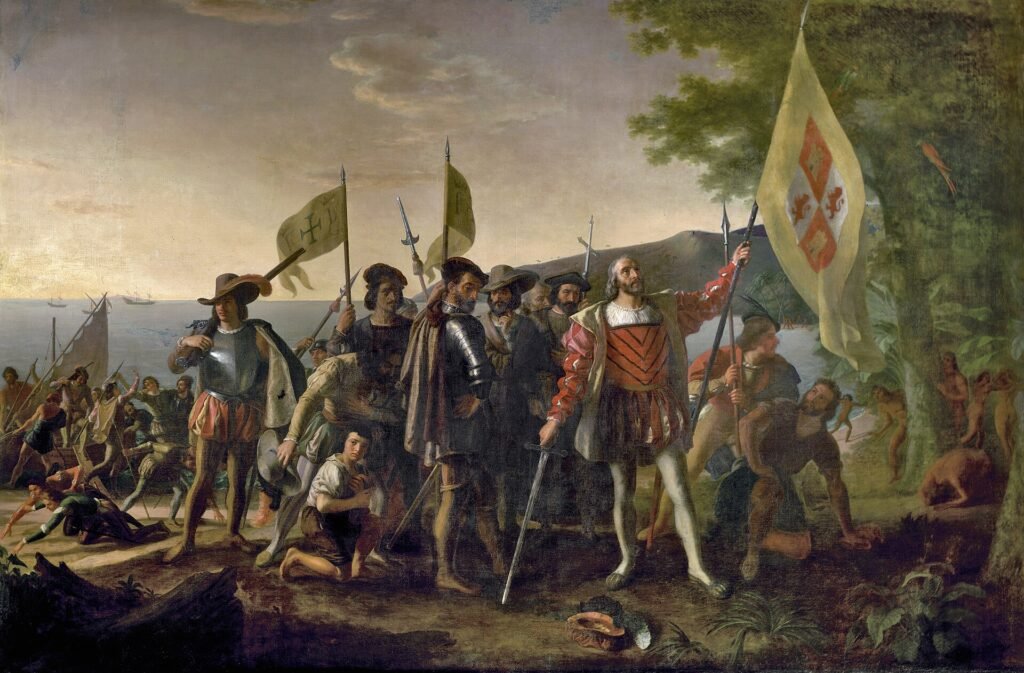
The Columbian Exchange was the transfer of plants, animals, diseases and people between the Old World of Europe and Africa and the New World of the Americas that began after Christopher Columbus’s voyages in 1492. The term was coined by the historian Alfred Crosby Jr. in 1972. The exchange changed diets, farming, populations and economies
Columbian Exchange Read More »
The transfer of plants, animals, diseases and people between the Old World and the Americas that began with Columbus's voyages in 1492.
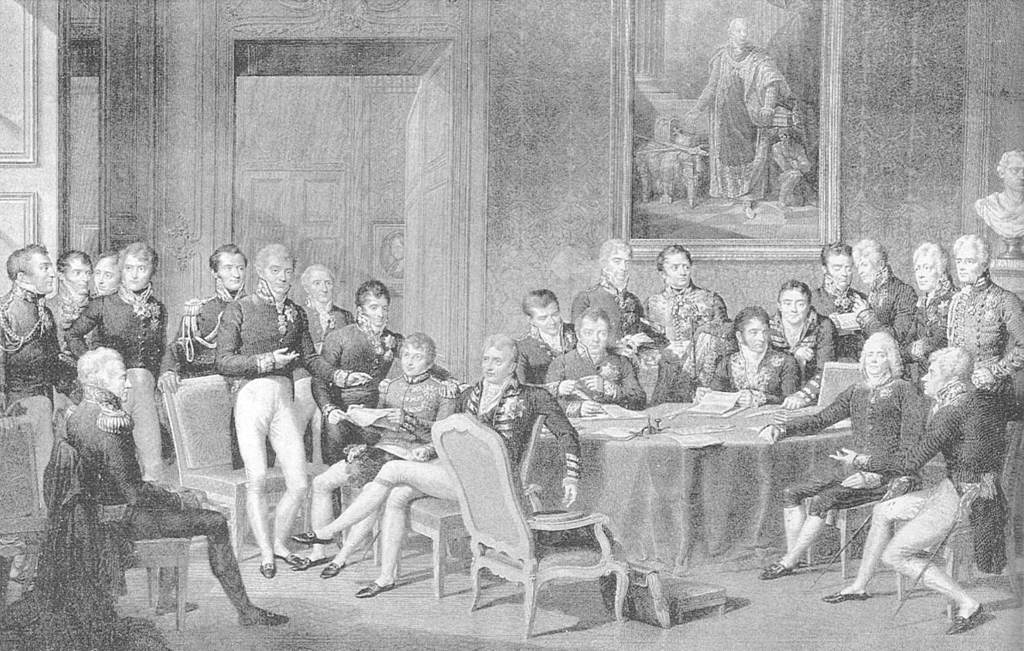
The Congress of Vienna was a diplomatic conference held in Vienna from September 1814 to June 1815 to settle the political order of Europe after the defeat of Napoleon Bonaparte. Its Final Act, signed on 9 June 1815, redrew borders, restored several ruling dynasties and set up a system of cooperation among the great powers
Congress of Vienna Read More »
Diplomatic conference in Vienna from 1814 to 1815 that reorganized Europe after Napoleon, ending with the Final Act of 9 June 1815.
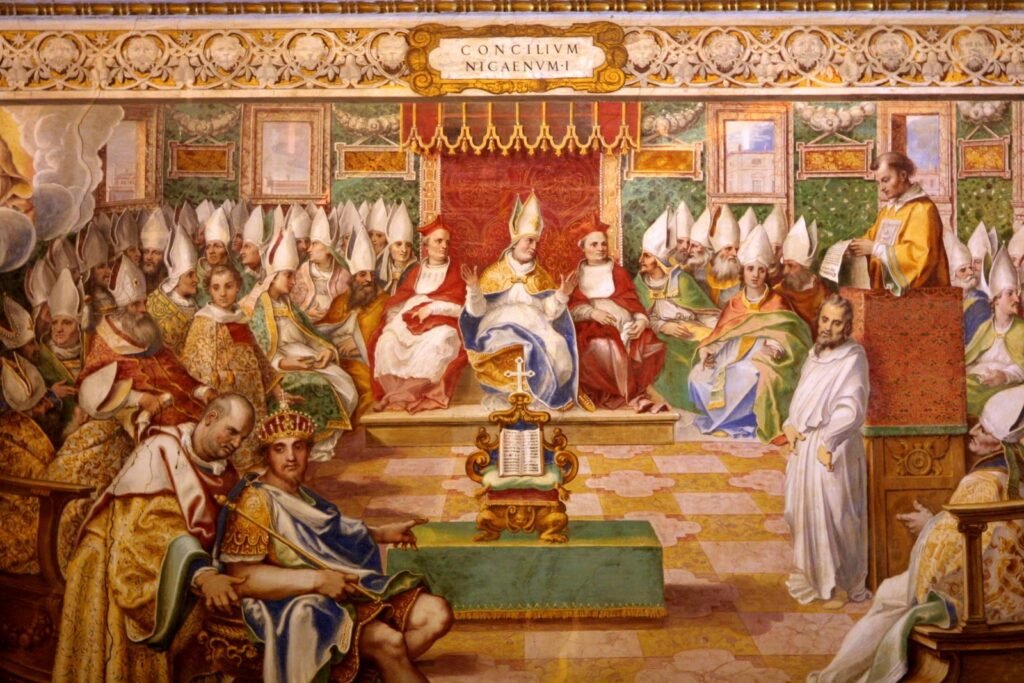
The Council of Nicaea, also called the First Council of Nicaea, was a gathering of Christian bishops held in 325 at the city of Nicaea, called by the Roman emperor Constantine. It condemned the teaching of the priest Arius about the nature of Jesus, produced the first version of the Nicene Creed and settled a
Council of Nicaea Read More »
A 325 gathering of bishops called by Emperor Constantine that condemned Arianism and issued the first Nicene Creed.