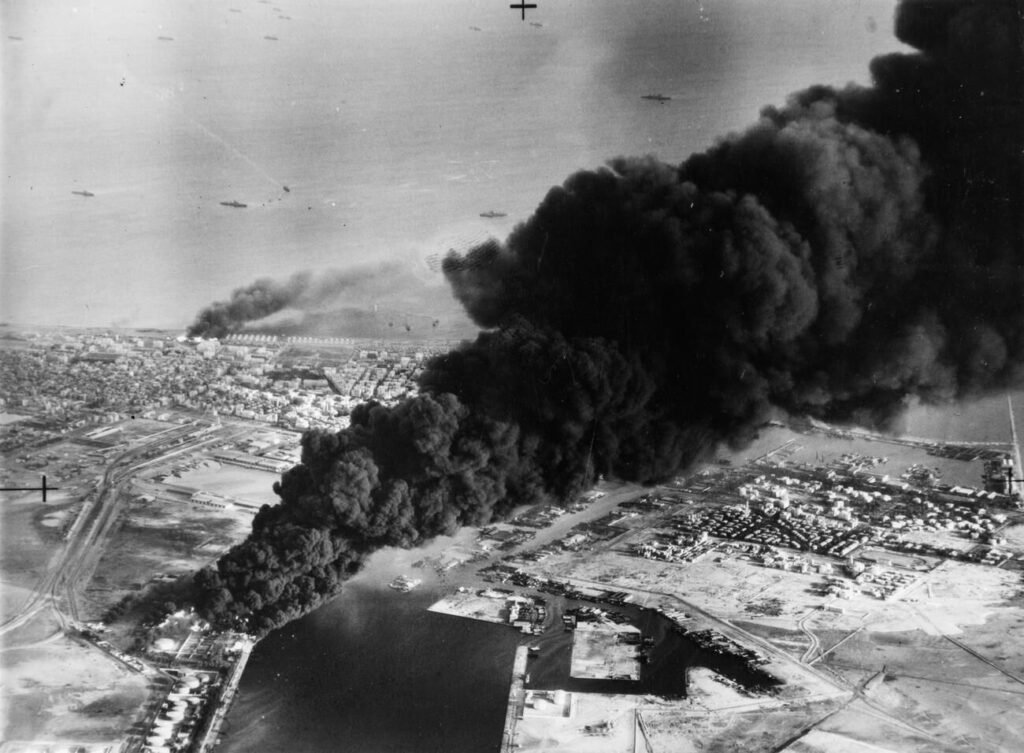
The Suez Crisis of 1956 was an international conflict that began when Egypt nationalized the Suez Canal Company on 26 July 1956 and ended after Britain, France and Israel invaded Egyptian territory in October and November. Pressure from the United States and the Soviet Union and a ceasefire arranged through the United Nations forced the
Suez Crisis Read More »
The 1956 conflict in which Britain, France and Israel invaded Egypt after Nasser nationalized the Suez Canal Company, ending in a UN ceasefire.
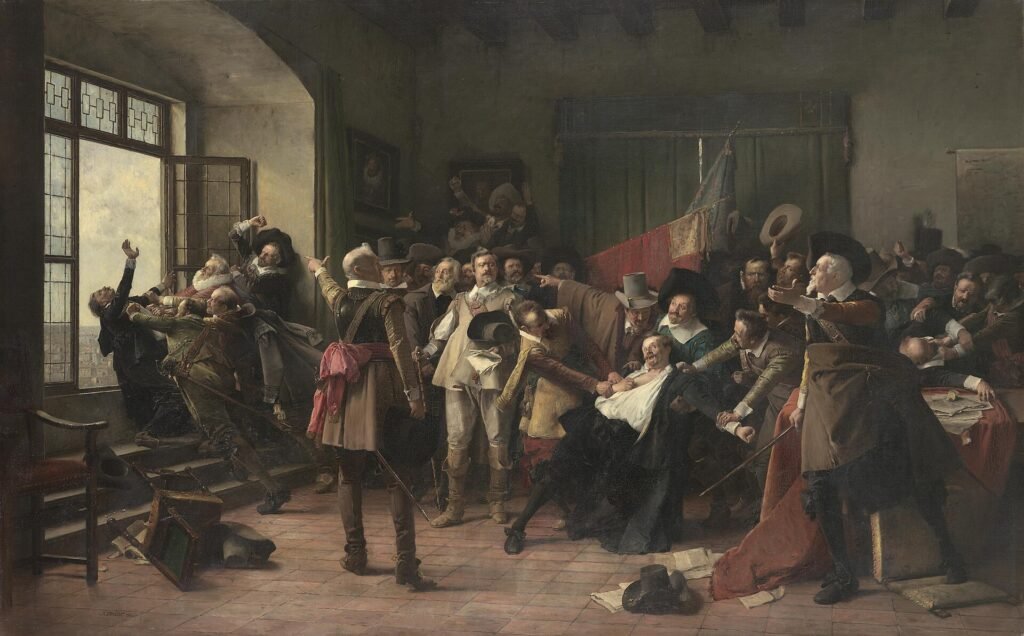
The Thirty Years’ War was a series of linked conflicts fought from 1618 to 1648, mostly in the Holy Roman Empire, in the area that is now Germany. It began as a revolt by Protestant nobles in Bohemia and grew into a struggle that drew in Spain, France, Sweden, Denmark and the Dutch. It ended
Thirty Years’ War Read More »
A series of religious and political wars fought mainly in the Holy Roman Empire from 1618 to 1648, ended by the Peace of Westphalia.
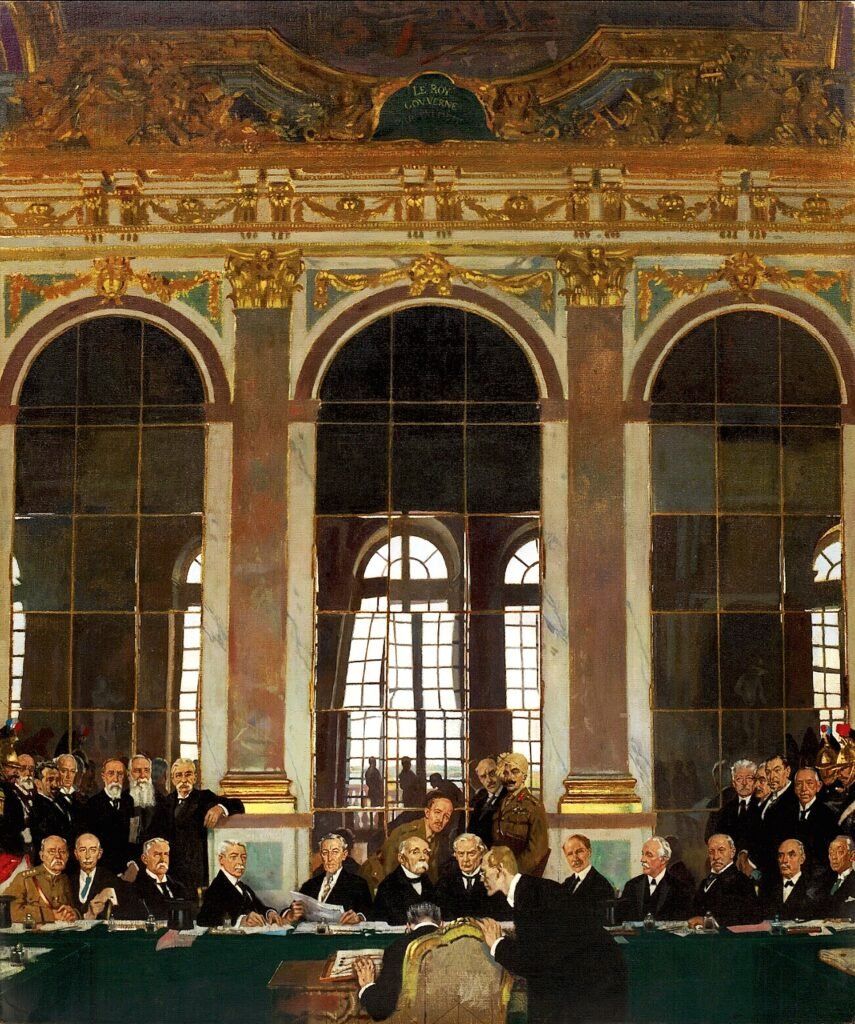
The Treaty of Versailles was the peace agreement that formally ended World War I between Germany and the Allied powers. It was signed on 28 June 1919 in the Hall of Mirrors at the Palace of Versailles outside Paris. The treaty reduced German territory, limited its army, created the League of Nations and made Germany
Treaty of Versailles Read More »
Peace treaty signed on 28 June 1919 that formally ended World War I with Germany, imposing territorial losses, arms limits and reparations.
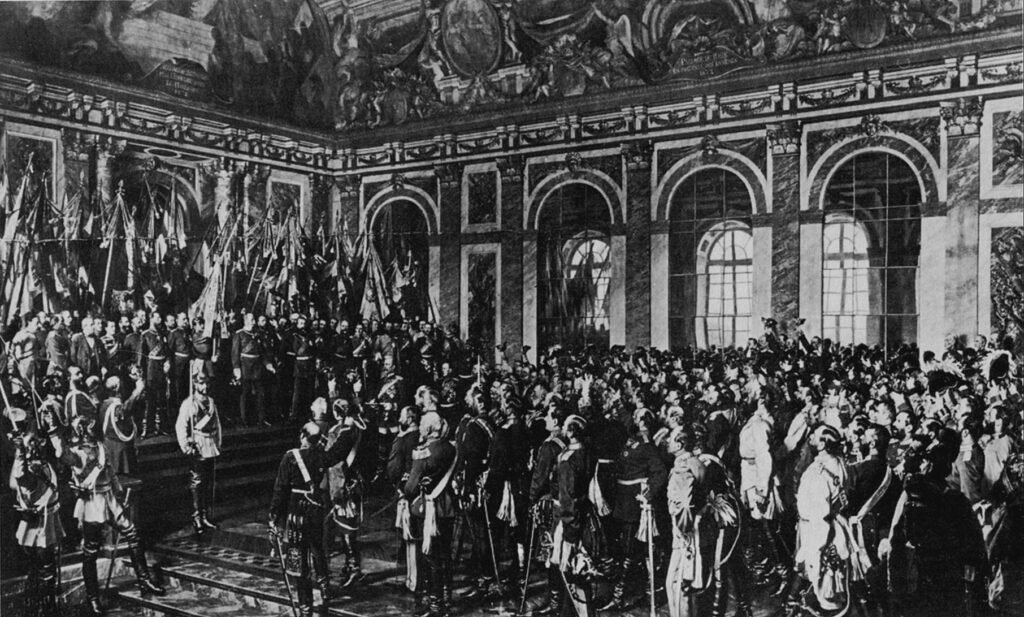
The unification of Germany was the process by which a patchwork of independent German states became a single nation-state, the German Empire, in 1871. It was led by the kingdom of Prussia and its minister-president Otto von Bismarck, and it was achieved through three wars in 1864, 1866 and 1870 to 1871. It should not
Unification of Germany Read More »
The process, led by Prussia and Otto von Bismarck through wars in 1864, 1866 and 1870 to 1871, that created the German Empire in 1871.
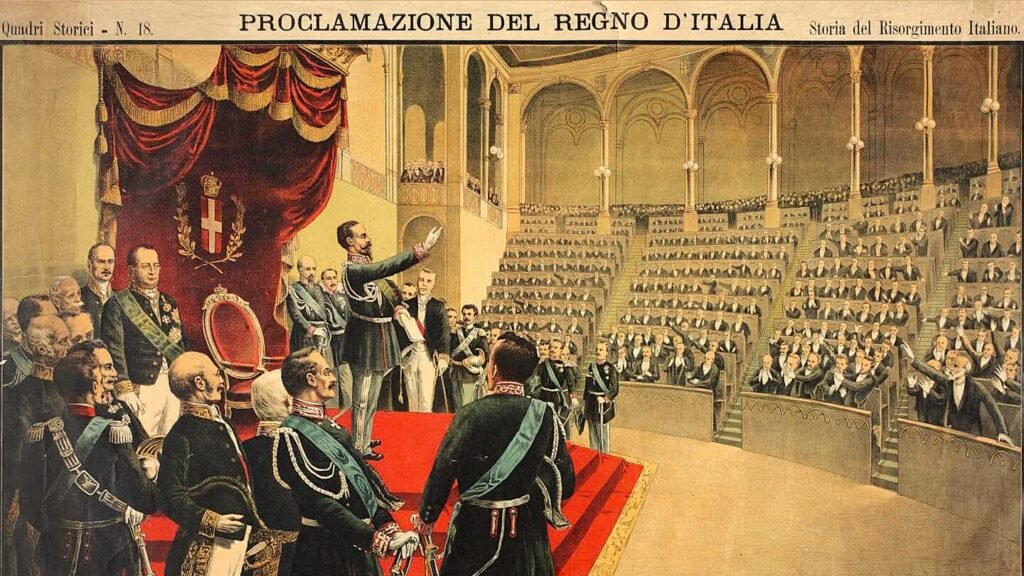
The unification of Italy, also called the Risorgimento, was the nineteenth-century political process that joined the separate states of the Italian peninsula into one kingdom. The Kingdom of Italy was proclaimed on 17 March 1861 under Victor Emmanuel II of Piedmont-Sardinia, and it later took in Venetia in 1866 and Rome in 1870. Background to
Unification of Italy Read More »
The Risorgimento, the process between 1848 and 1870 that joined the Italian states into the Kingdom of Italy, proclaimed on 17 March 1861.
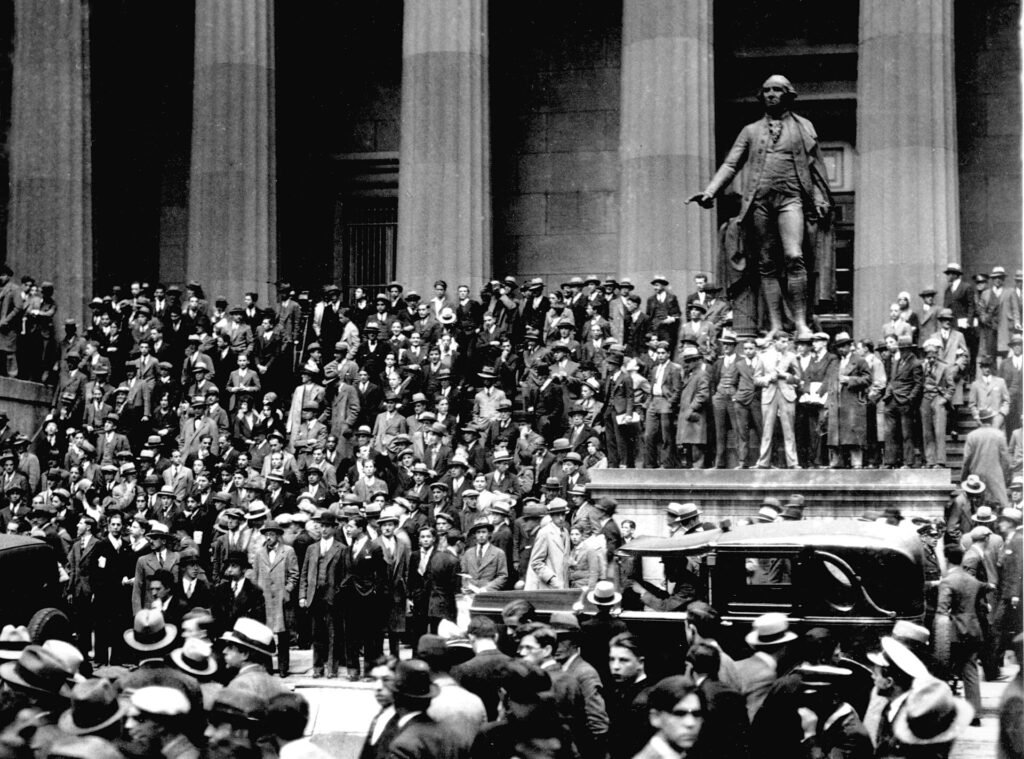
The Wall Street Crash of 1929 was a sudden collapse in United States stock prices in October 1929, centered on the New York Stock Exchange. Prices fell sharply on Black Thursday, 24 October, and the Dow Jones Industrial Average dropped nearly 13 percent on Black Monday, 28 October, and nearly 12 percent on Black Tuesday,
Wall Street Crash of 1929 Read More »
The collapse of United States stock prices in October 1929, which wiped out about half the market in weeks and preceded the Great Depression.