Where Is Amsterdam Located? Amsterdam is the constitutional capital of the Netherlands, located in the northwestern part of the country where the Amstel River meets the IJ, an inlet connected to the North Sea. Although Amsterdam is the country’s largest city and its official capital, the Dutch seat of government, parliament, and the monarch’s working
Amsterdam: History, Geography, Culture and Key Facts Read More »
Amsterdam is the Netherlands' constitutional capital, built around a 17th-century canal ring from its Dutch Golden Age as a global trading power.
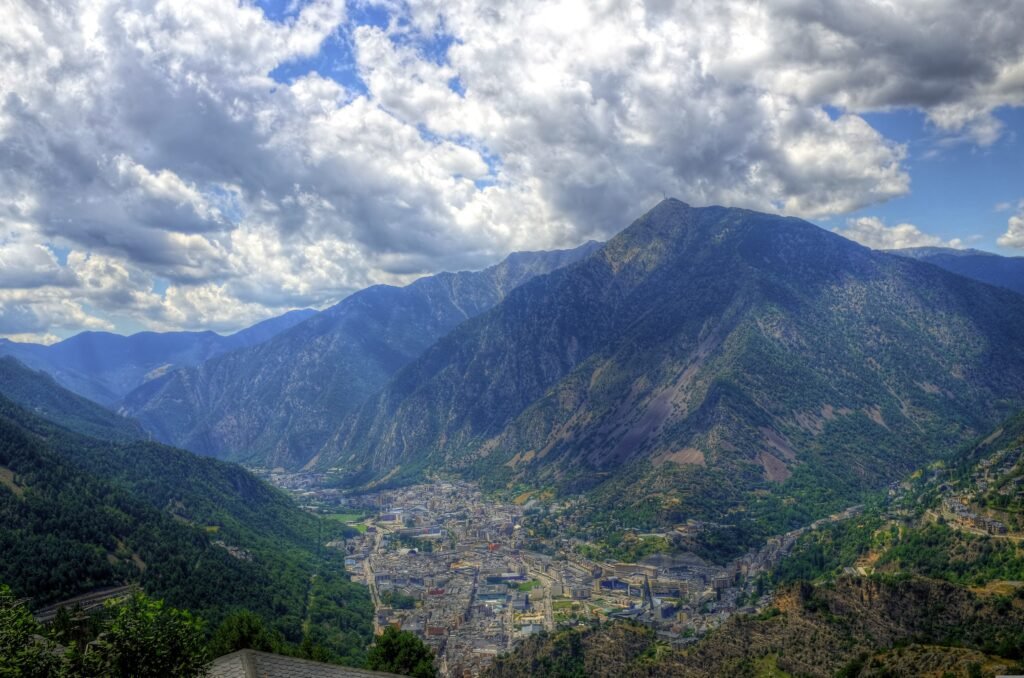
Andorra is a small landlocked co-principality in the eastern Pyrenees mountains, wedged between France and Spain. Its capital is Andorra la Vella, the highest capital city in Europe by elevation. Andorra is unusual among the world’s states in having two co-princes as joint heads of state: the President of France and the Bishop of Urgell
Andorra: Geography, History, Government and Key Facts Read More »
Andorra is a small co-principality in the eastern Pyrenees between France and Spain, with Andorra la Vella as its capital.
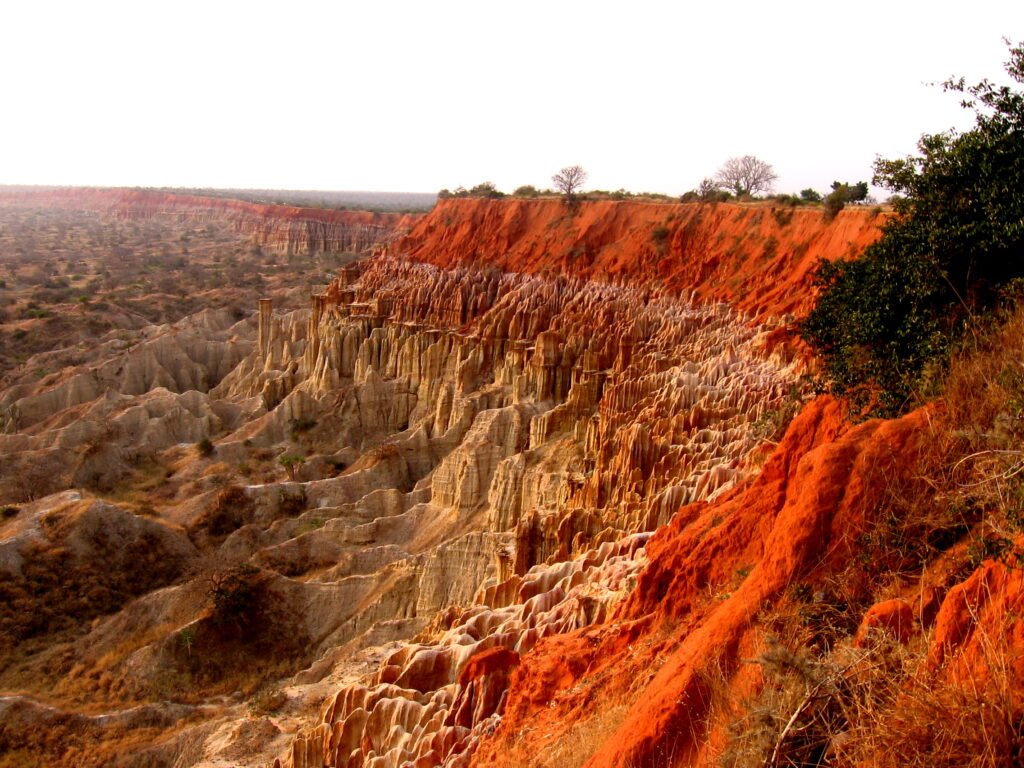
Angola is a large country on the southwestern coast of Africa, with a long Atlantic coastline and a central plateau reaching inland to border Namibia, Zambia, the Democratic Republic of the Congo and, at its narrowest point, Botswana. Its capital is Luanda, a major Atlantic port city. Angola’s economy is shaped heavily by oil, and
Angola: Geography, History, Government and Key Facts Read More »
Angola is a large Southern African country on the Atlantic coast, with Luanda as its capital and oil as the backbone of its economy.
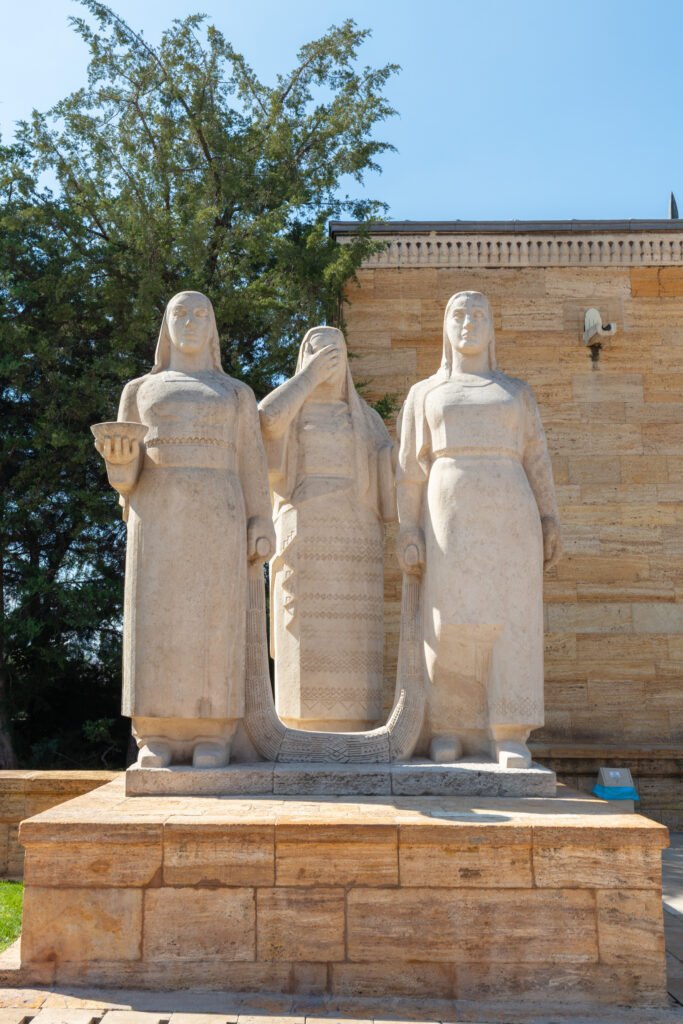
Ankara is the capital of Turkey, chosen for that role in 1923 by Mustafa Kemal Ataturk when the Republic of Turkey replaced the Ottoman Empire. Though far older than its status as capital suggests, with roots reaching back to the Bronze Age, Ankara’s modern identity is defined above all by its role as the seat
Ankara: Turkey’s Modern Capital Read More »
Ankara is the capital of Turkey, chosen in 1923 by Mustafa Kemal Ataturk, with roots as the ancient city of Ancyra.
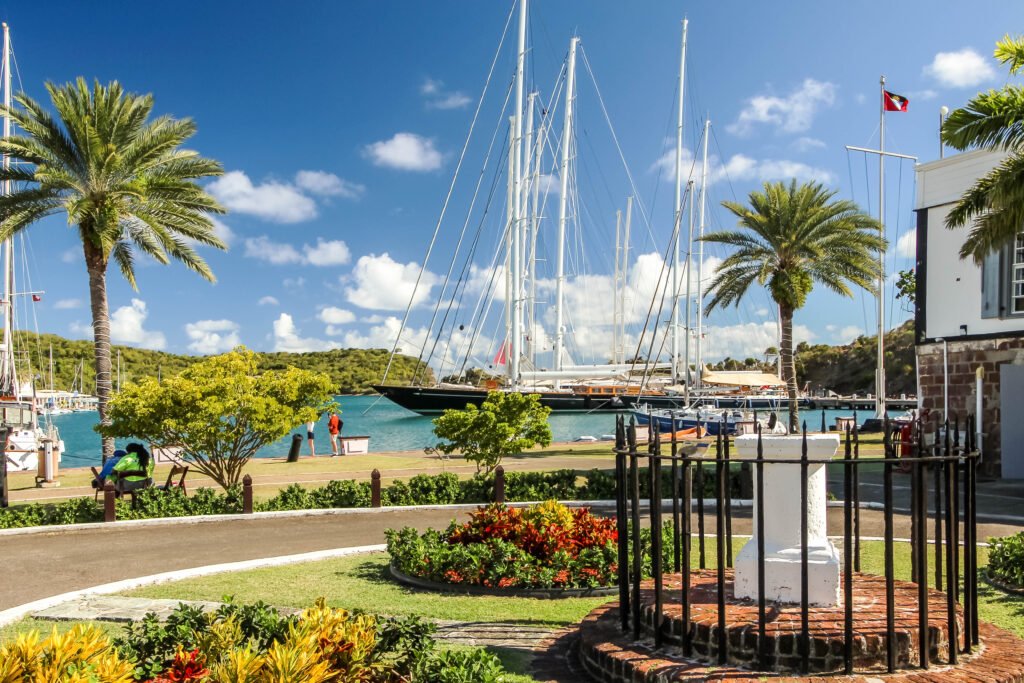
Antigua and Barbuda is a twin-island country in the Eastern Caribbean, part of the Leeward Islands chain, with a scattering of smaller islets. Its capital, St. John’s, sits on Antigua, the larger of the two main islands. A former British colony that gained independence in 1981, the country remains a member of the Commonwealth and
Antigua and Barbuda: Geography, History, Government and Key Facts Read More »
A twin-island Caribbean nation in the Leeward Islands, independent from the UK since 1981 and known for tourism, sailing and Carnival.
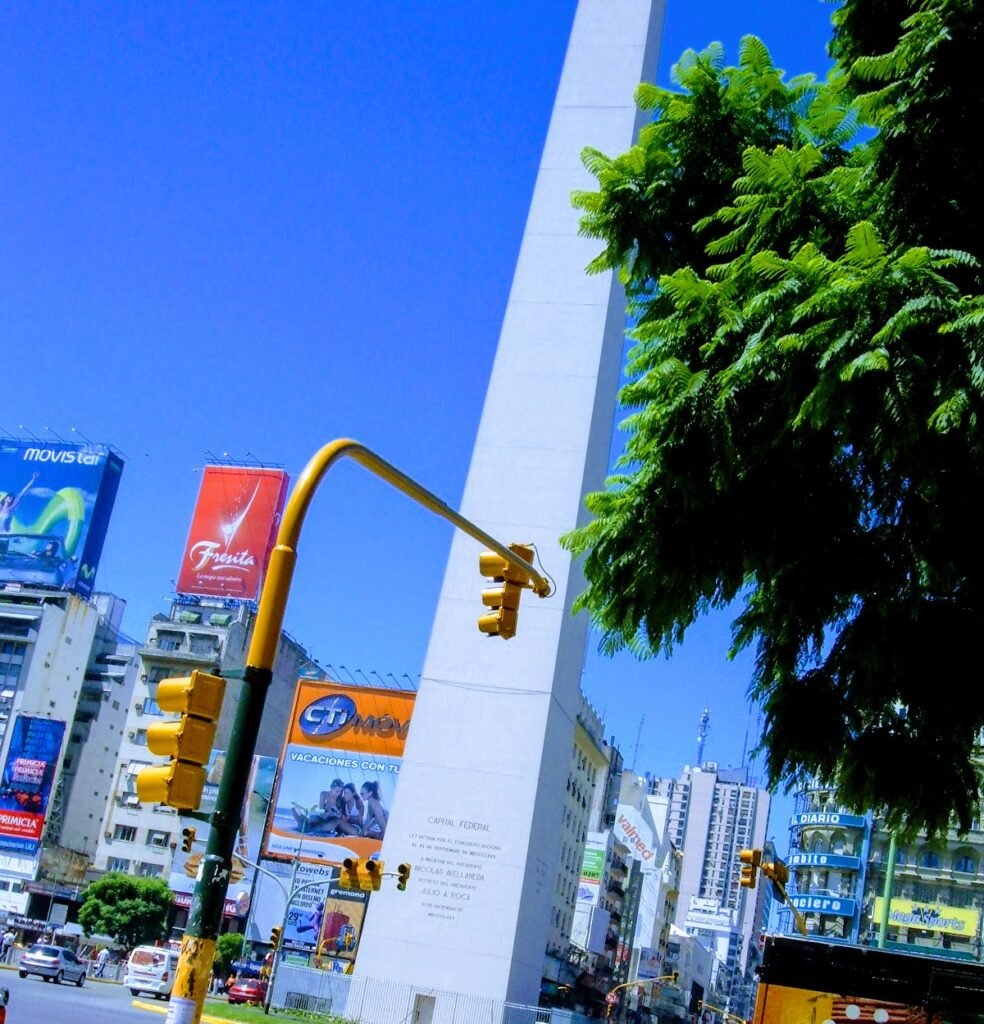
Argentina is the second-largest country in South America by area, stretching from subtropical lowlands in the north to the glaciers of Patagonia in the south. Its capital, Buenos Aires, is one of Latin America’s largest and most culturally influential cities. Rich in energy and agricultural resources, Argentina has long been one of the region’s major
Argentina: Geography, History, Government and Key Facts Read More »
South America's second-largest country, stretching from the Pampas to Patagonia, known for tango, beef and cycles of economic volatility.
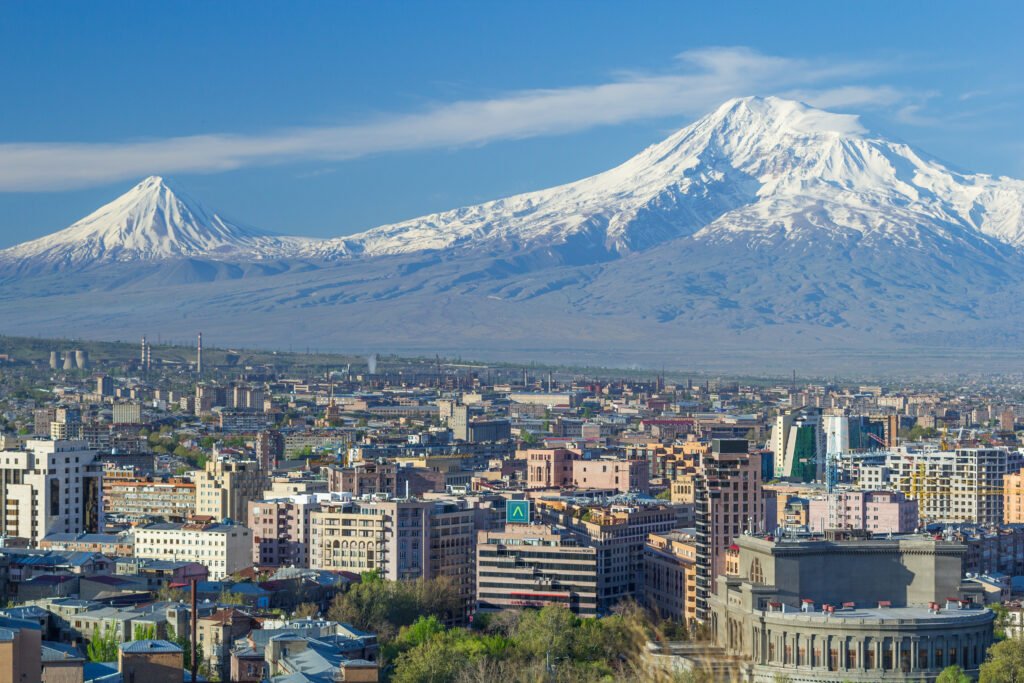
Armenia is a landlocked country in the South Caucasus, at the crossroads of Europe and Asia, bordered by Georgia, Azerbaijan, Iran and Turkey. Its capital, Yerevan, is one of the world’s oldest continuously inhabited cities. Despite regional connectivity challenges and a history marked by conflict and upheaval, Armenia has built a reputation for digital innovation,
Armenia: Geography, History, Government and Key Facts Read More »
A landlocked South Caucasus nation and one of the world's oldest Christian civilizations, known for ancient monasteries and a growing tourism sector.
Where Is Athens Located? Athens is the capital of Greece, located in the Attica region of southeastern Greece, close to the Saronic Gulf on the Aegean Sea. It is the country’s largest city and has been continuously inhabited for thousands of years, making it one of the oldest cities in the world still functioning as
Athens: History, Geography, Culture and Key Facts Read More »
Athens is the capital of Greece, birthplace of Western democracy and philosophy, home to the Acropolis and the Parthenon.
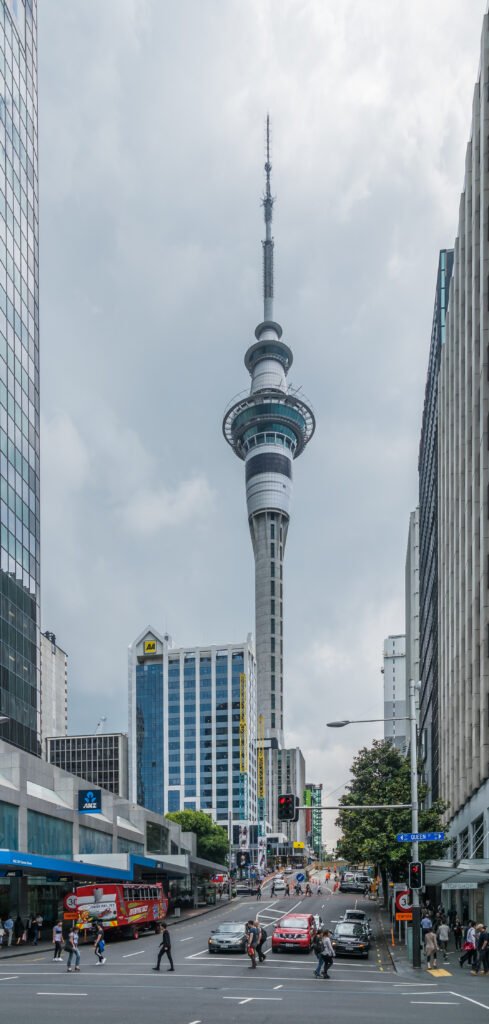
Auckland, Tamaki Makaurau, is New Zealand's largest city, home to about a third of the country's population.
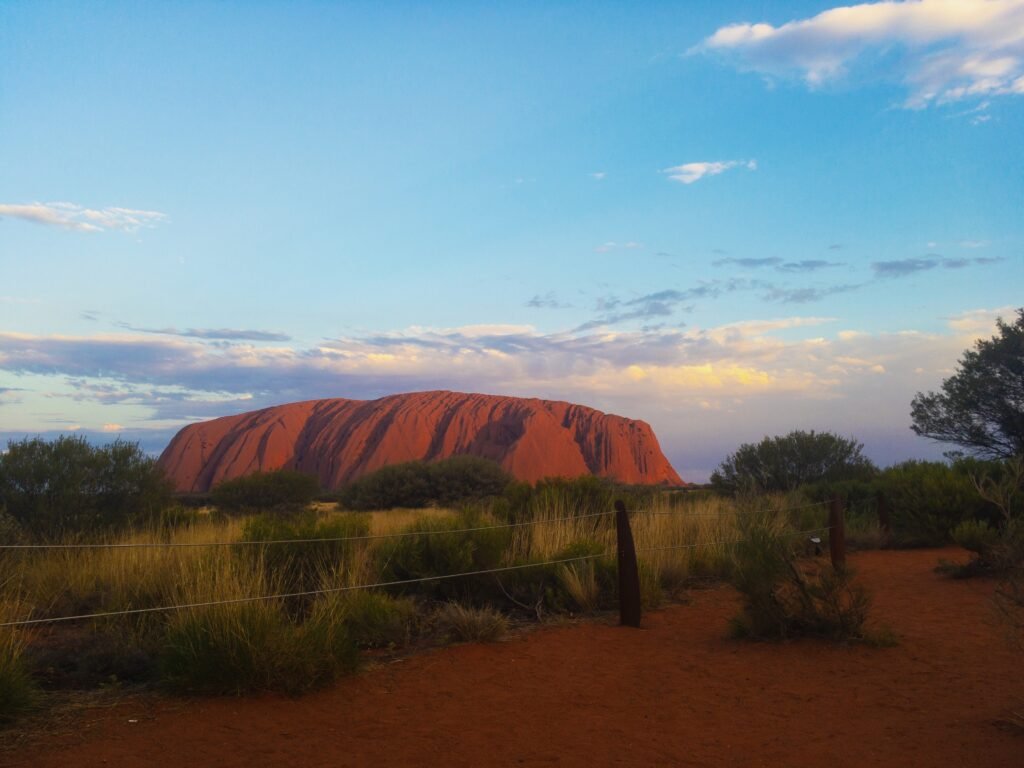
Australia is the world’s smallest continent and sixth-largest country by area, occupying an entire landmass between the Indian and Pacific Oceans. Its capital is Canberra, while Sydney and Melbourne are its largest and most internationally recognized cities. A former British colony federated into a single nation in 1901, Australia is now a high-income, developed economy
Australia: Geography, History, Government and Key Facts Read More »
The world's smallest continent and sixth-largest country, known for unique wildlife, the Great Barrier Reef and a multicultural, high-income economy.