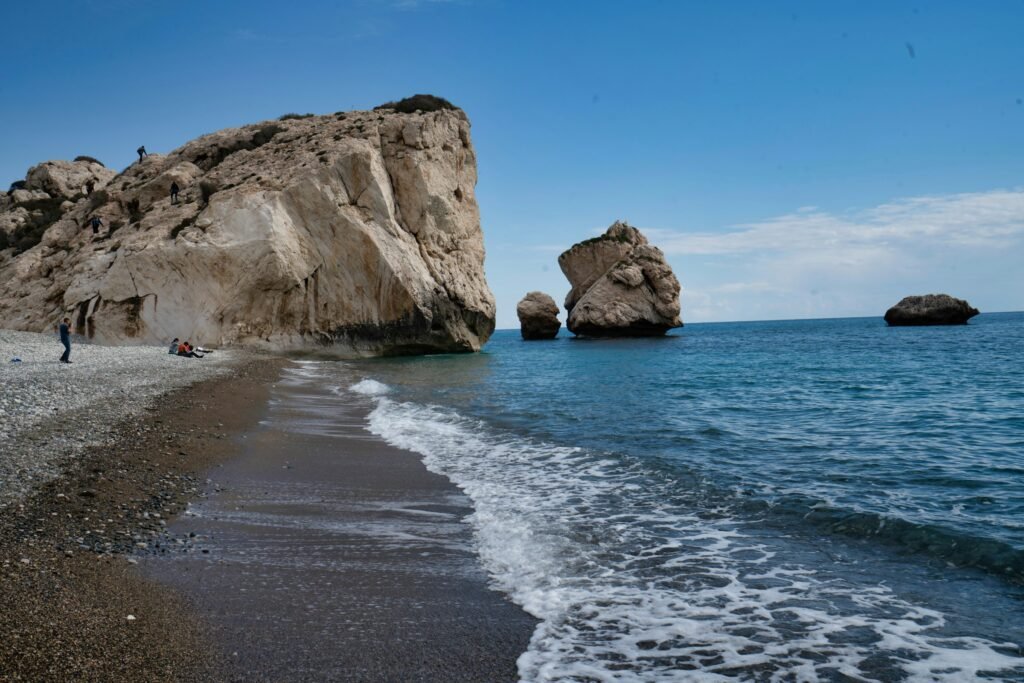
Cyprus is an island country in the eastern Mediterranean Sea, the third largest island in the Mediterranean after Sicily and Sardinia. Internationally recognized as the Republic of Cyprus, it is a member of the United Nations and, since 2004, the European Union, though the island has been divided since 1974 between the government-controlled south and
Cyprus: Geography, History, Government, and Key Facts Read More »
Cyprus is an eastern Mediterranean island nation and EU member divided since 1974 between the Republic of Cyprus and a Turkish-Cypriot-administered north.
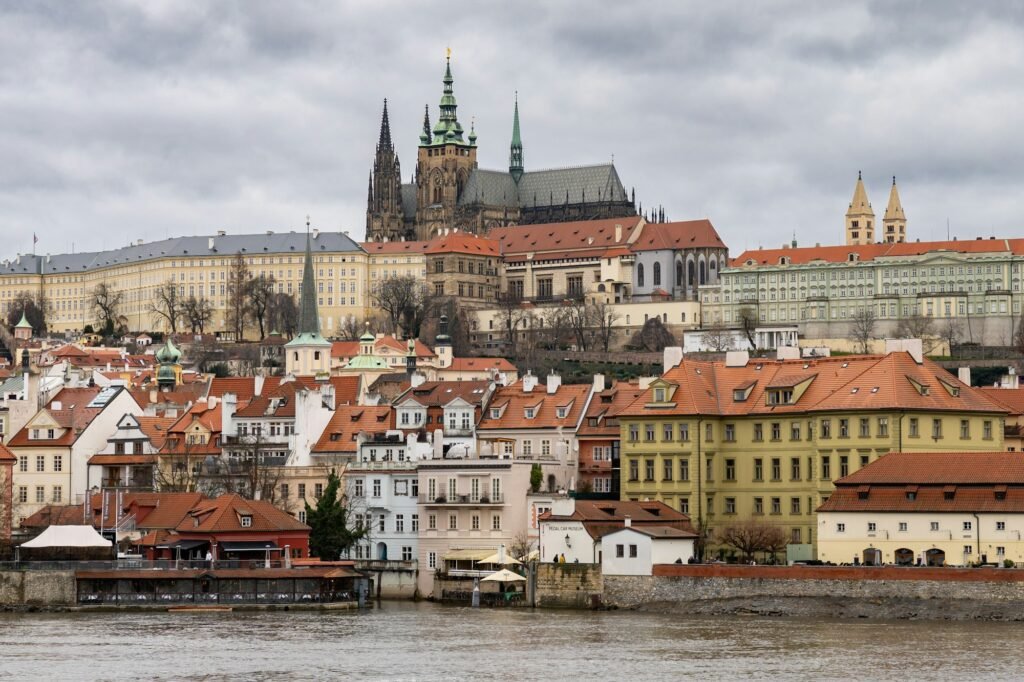
The Czech Republic, also known as Czechia, is a landlocked country in Central Europe bordered by Germany, Poland, Slovakia, and Austria. It became independent on January 1, 1993, when Czechoslovakia split peacefully into the Czech Republic and Slovakia. Home to roughly 10.9 million people and centered on the capital, Prague, the country belongs to the
Czech Republic: Geography, History, Government and Key Facts Read More »
A Central European republic formed in 1993, known for Prague's medieval castle complex, EU and NATO membership, and record beer consumption.
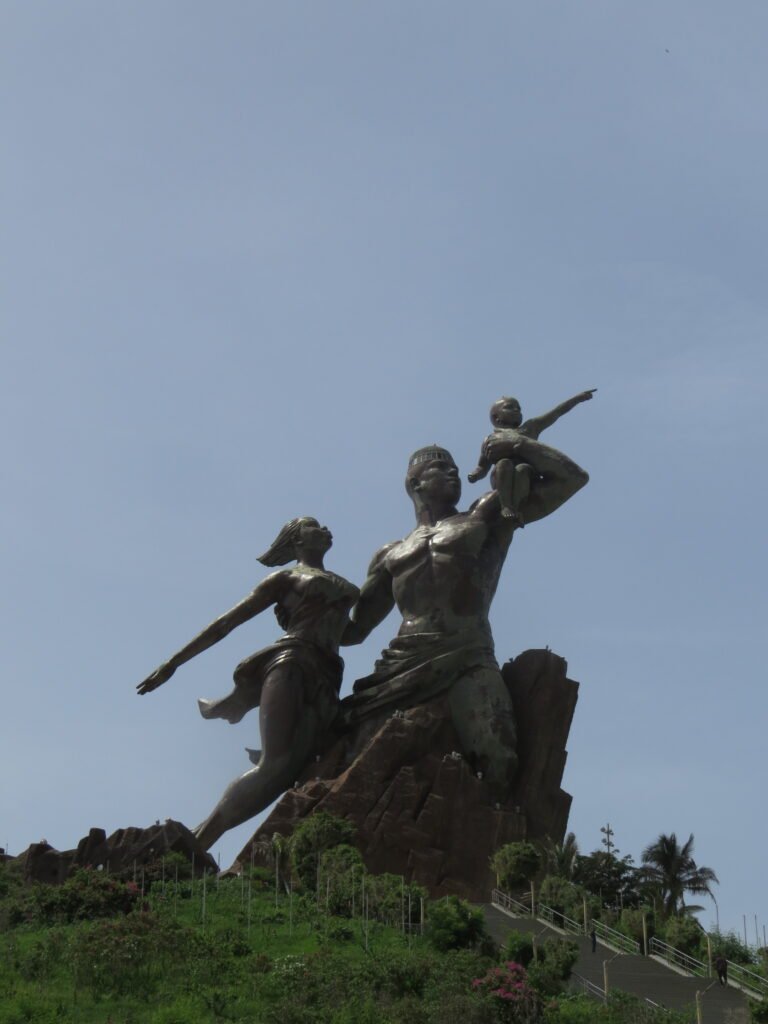
Dakar is Senegal's capital, mainland Africa's westernmost major city and home to the towering African Renaissance Monument.
Dar es Salaam is Tanzania's largest city and commercial capital, founded in 1862 as a planned port on the Indian Ocean.
Delhi is India’s capital territory, a sprawling metropolis in the country’s north that functions as the seat of the national government while also ranking among the most populous urban areas in the world. It sits on the Yamuna River on the Indo-Gangetic Plain, bordered by the states of Haryana and Uttar Pradesh, and is officially
Delhi: Geography, History, Culture and Key Facts Read More »
Delhi is India's capital territory on the Yamuna River, home to the Red Fort and the seat of national government.
The Democratic Republic of the Congo (DRC) is a country in Central Africa, the second-largest nation on the continent by area and home to the Congo Basin, the world’s second-largest expanse of tropical rainforest. Its capital, Kinshasa, sits on the Congo River directly across from Brazzaville, capital of the smaller, separate Republic of the Congo.
Democratic Republic of the Congo: Central Africa’s Rainforest Giant Read More »
The Democratic Republic of the Congo is a Central African nation of over 112 million people, home to the Congo Basin rainforest and most of the world's cobalt supply.
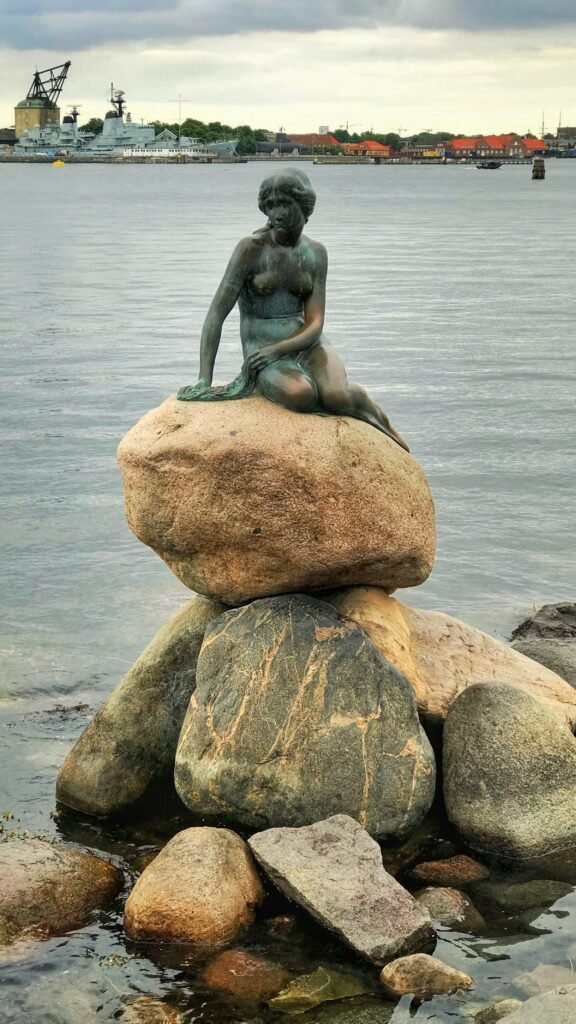
Denmark is a Nordic country in northern Europe made up of the Jutland peninsula and more than 400 islands, with a population of roughly 6.03 million people, according to Statistics Denmark. It is a constitutional monarchy and a founding member of NATO, a member of the European Union without adopting the euro, and the metropolitan
Denmark: Geography, History, Government, and Key Facts Read More »
Denmark is a Nordic constitutional monarchy on the Jutland peninsula and over 400 islands, tied to autonomous Greenland and the Faroe Islands.
Dhaka is the capital and largest city of Bangladesh, a riverine metropolis on the Buriganga River in the heart of the Ganges-Brahmaputra delta. Founded under Mughal rule in the early seventeenth century, it has served as a provincial capital, a short-lived regional capital under British partition plans, and, since 1971, the capital of an independent
Dhaka: Geography, History, Culture and Key Facts Read More »
Dhaka is the capital of Bangladesh, on the Buriganga River, founded under Mughal rule in the early 1600s.
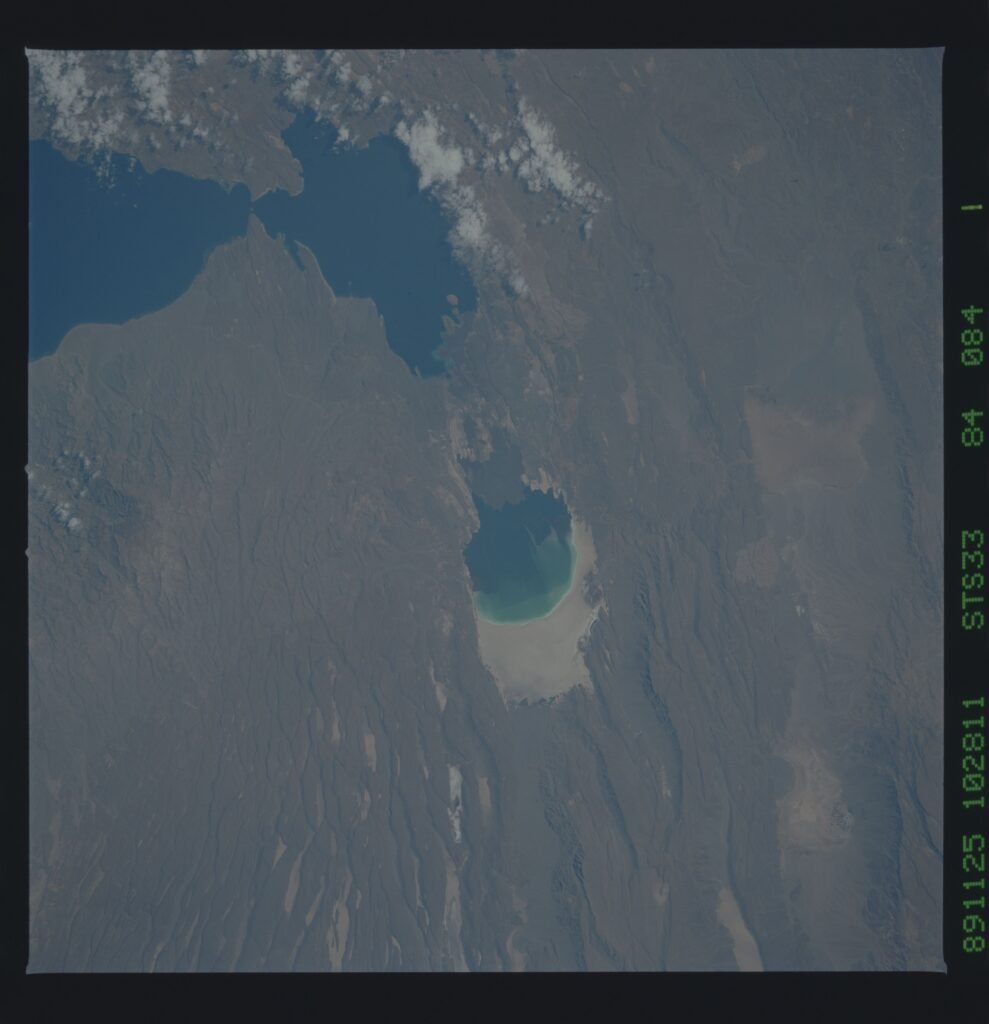
Djibouti is a small country in the Horn of Africa that sits directly on the Bab-el-Mandeb strait, the passage where the Red Sea narrows before opening into the Gulf of Aden and the Indian Ocean. It covers about 23,200 square kilometers (roughly 8,950 square miles), a little larger than Wales, and is home to approximately
Djibouti: Geography, History, Government and Key Facts Read More »
Djibouti is a small Horn of Africa nation on the Bab-el-Mandeb strait, home to Lake Assal and multiple foreign military bases.
Doha is the capital of Qatar, a peninsula nation on the western coast of the Arabian Gulf, and home to more than half the country’s population. Where Is Doha Located? Qatar is a peninsula roughly 100 kilometers wide and 200 kilometers long, bordered on land only by Saudi Arabia to the south, with Bahrain, the
Doha: Geography, History, Culture and Key Facts Read More »
Doha is the capital of Qatar, home to more than half its population and the I. M. Pei-designed Museum of Islamic Art.