Defining Critical Infrastructure
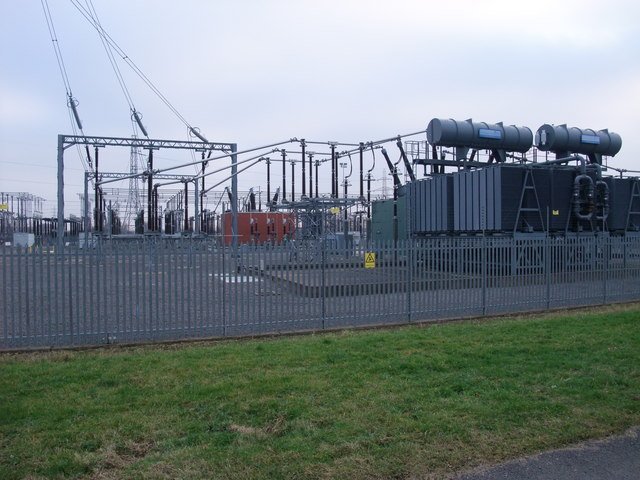
Critical infrastructure encompasses the physical and digital systems so essential to a society that their incapacitation would have a debilitating effect on security, the economy, public health, or safety. Governments typically organize critical infrastructure into sectors, commonly including energy generation and distribution, water and wastewater systems, transportation networks, telecommunications, financial services, and healthcare facilities. The interconnected nature of these systems means that a disruption in one sector, such as a prolonged power outage, can cascade into failures across other sectors that depend on electricity to function, including water treatment plants and hospital systems.
Threats and Vulnerabilities
Critical infrastructure faces a broad range of threats, including physical attacks such as sabotage or terrorism, natural disasters like hurricanes and earthquakes, and increasingly sophisticated cyberattacks targeting the control systems that operate power grids, water treatment facilities, and pipelines. Industrial control systems, which were originally designed decades ago without modern cybersecurity protections in mind, represent a particular vulnerability as they become connected to broader networks for remote monitoring and efficiency gains. Insider threats, where an employee with legitimate access misuses that access to cause harm, also represent a significant concern given the specialized knowledge required to safely operate infrastructure systems.
Protection Strategies and Coordination
Protecting critical infrastructure requires coordination between government agencies and the private companies that own and operate most infrastructure assets, since direct government control over these systems is limited in most market economies. Governments typically designate lead agencies responsible for coordinating protection efforts within specific sectors, issuing security guidelines, sharing threat intelligence with private operators, and in some cases providing direct financial or technical assistance for security upgrades. Physical security measures, including perimeter fencing and access control at critical facilities, are typically combined with cybersecurity requirements for control systems, along with incident response planning that anticipates how to maintain partial service during an active attack or disaster.
Regulatory Frameworks and Standards
Governments have developed specific regulatory frameworks to formalize critical infrastructure protection responsibilities, typically requiring operators of the most significant facilities to conduct risk assessments, develop security plans, and in some cases submit to government inspection or certification processes. In the United States, agencies responsible for specific sectors issue sector specific guidance, while a central coordinating body works to identify cross sector dependencies and ensure consistent baseline security expectations across different types of infrastructure. The European Union has developed its own directives requiring member states to identify critical infrastructure operators and establish minimum security requirements, reflecting similar concerns about interconnected vulnerabilities across national borders given how European energy and transportation networks link multiple countries together. International standards bodies have also developed voluntary frameworks that many infrastructure operators adopt even without a specific legal mandate, recognizing that following recognized best practices can reduce liability exposure and demonstrate due diligence to regulators, insurers, and the public. Compliance monitoring remains challenging given the sheer scale and diversity of critical infrastructure assets, leading some governments to prioritize a tiered approach that concentrates the most intensive oversight on the facilities whose failure would cause the most severe consequences, while applying lighter touch requirements to less critical assets within the same broad sector category.
Emerging Technology Considerations
The increasing integration of digital technology into critical infrastructure operations has introduced new security considerations that traditional physical protection measures alone cannot address. Smart grid technology, which uses networked sensors and automated controls to improve power distribution efficiency, simultaneously creates new potential entry points for cyberattacks that could not have affected older, less connected electrical systems. Similarly, water treatment facilities increasingly rely on networked industrial control systems for remote monitoring and adjustment, offering operational efficiency benefits while also expanding the attack surface available to a sophisticated adversary with cyber capabilities. Artificial intelligence and automation are beginning to play a role in infrastructure security itself, with some operators deploying systems that can detect anomalous behavior in network traffic or physical sensor readings that might indicate an attack in progress, potentially allowing faster response than purely human monitoring could achieve. Climate change has also introduced additional infrastructure protection considerations, as the increasing frequency and severity of extreme weather events tests infrastructure resilience in ways that historical engineering standards may not have fully anticipated, prompting many infrastructure operators to incorporate climate resilience planning alongside traditional physical and cyber security measures as an integrated part of overall infrastructure protection strategy going forward.
Interdependency Mapping
A central analytical task in critical infrastructure protection involves mapping the interdependencies between different infrastructure sectors, since a failure in one sector frequently triggers cascading failures in others that depend on it. Electrical power represents perhaps the most consequential dependency, since nearly every other infrastructure sector, including water treatment, telecommunications, financial systems, and transportation signaling, requires electricity to function, meaning a sufficiently severe and prolonged power failure can effectively disable a broad swath of a region critical systems simultaneously. Understanding these dependencies allows planners to prioritize backup power and redundancy investments at the facilities whose failure would trigger the most severe cascading consequences, rather than treating every facility as equally important regardless of its downstream effects on other systems.
Workforce Development Needs
Protecting increasingly complex infrastructure systems requires a specialized workforce combining traditional physical security expertise with growing cybersecurity knowledge, a combination that many organizations report difficulty finding in sufficient numbers, prompting expanded training programs and academic partnerships aimed at developing the next generation of infrastructure protection professionals equipped for this hybrid skill set.
Public awareness about infrastructure protection, while necessarily limited for security reasons, also plays a role in overall resilience, since an informed public that understands the importance of reporting suspicious activity near infrastructure facilities adds an additional layer of observation beyond formal security personnel and monitoring systems alone.
More in Emergency and Disaster Security Operations
Key facts
- Covers sectors including energy, water, transportation, communications, and financial systems
- Threats include physical attacks, cyberattacks, and natural disasters
- Often involves public-private partnerships since much infrastructure is privately owned
- Governments typically designate specific agencies to coordinate protection efforts
Related concepts
Quick checkWhy is critical infrastructure protection often a public-private partnership?Show answer
Because much critical infrastructure, such as power plants and telecommunications networks, is owned and operated by private companies rather than government agencies, effective protection requires close coordination between government security agencies and private sector operators.
Sources
- Cybersecurity and Infrastructure Security Agency publications
- National Infrastructure Protection Plan documentation
Editorially reviewed by Specialty Digest Editorial TeamLast reviewed November 4, 2026Researched and drafted with AI assistanceReport an issue