What Intermodal Transport Means
Intermodal freight transport moves goods using two or more modes of transportation, typically some combination of ship, rail, and truck, while the cargo remains inside the same shipping container the entire journey. The container itself is transferred between modes, but its contents are never unloaded until final delivery.
Typical Intermodal Routes
A common intermodal routing might have a container travel by ocean vessel from an overseas factory to a port, then by rail to an inland distribution hub, and finally by truck for local delivery to its final destination. This combination captures the cost efficiency of rail and ocean transport for the long-haul portion of the journey while retaining trucking’s flexibility for the first and last mile.
Benefits of Intermodal Shipping
Because the cargo is never directly handled when switching between modes, intermodal transport reduces the labor cost, damage risk, and theft exposure associated with repeatedly loading and unloading loose freight. It also allows shippers to combine the lower cost of rail or ocean transport over long distances with the door-to-door convenience that only trucking can provide.
Intermodal Infrastructure
Intermodal transport depends on specialized infrastructure, including container ports with ship-to-shore cranes, rail yards equipped to lift containers directly onto flatcars, and intermodal terminals where containers transfer between rail and truck. Investment in this infrastructure, including double-stack rail corridors that carry two containers stacked on a single railcar, has steadily expanded intermodal capacity.
Rail Intermodal Operations
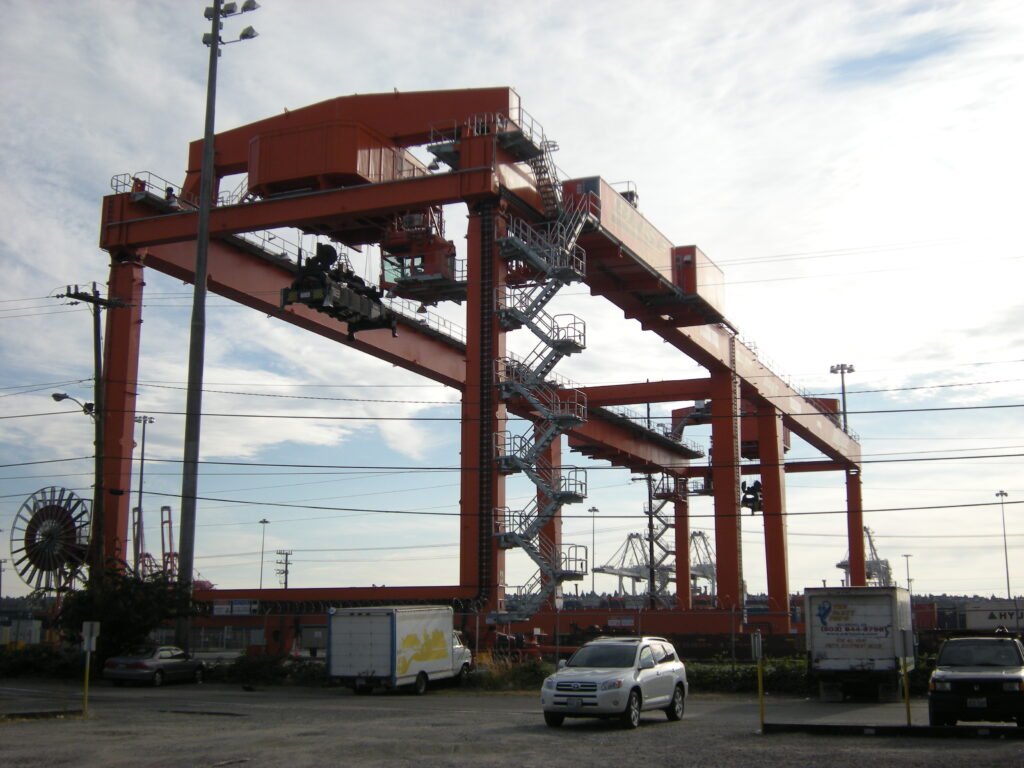
Rail intermodal terminals use overhead gantry cranes or reach stackers to lift containers directly between trains and trucks, often within dedicated rail yards located near major ports or inland distribution hubs. Double-stack rail cars, which carry two containers stacked vertically, substantially increase the capacity of a single train, improving the cost efficiency of rail intermodal transport over long distances.
Drayage in Intermodal Chains
Drayage refers to the short-distance trucking leg that moves a container between a port or rail terminal and a nearby warehouse, distribution center, or final destination. Although drayage covers relatively short distances, it is often one of the more expensive and logistically complex parts of an intermodal journey due to port congestion, chassis availability, and local trucking capacity constraints.
Growth of Intermodal Transport
Intermodal transport has grown steadily as shippers seek to combine the cost savings of rail for long-haul segments with the flexibility of trucking for first- and last-mile delivery, particularly as concerns about trucking capacity, driver shortages, and transportation-related emissions have grown. Many large retailers and manufacturers have shifted an increasing share of their long-haul freight to intermodal routing as a result.
Intermodal Cost Structure
Intermodal shipping generally costs less per mile than pure truckload shipping over long distances, since rail transport achieves significant fuel efficiency advantages hauling large volumes of freight. However, the added drayage legs and terminal handling fees mean intermodal is typically only cost-competitive over longer distances where the rail segment is long enough to offset these additional handling costs.
Chassis Pools in Intermodal Transport
Containers are mounted on wheeled chassis for the trucking portion of an intermodal journey, and many ports and rail terminals use shared chassis pools managed by third-party providers rather than requiring each trucking company to own its own chassis fleet, improving equipment utilization across the intermodal system.
Intermodal Service Reliability
Intermodal shipments can experience variable transit times due to the added coordination required across rail yards, ports, and trucking legs, and shippers evaluating intermodal versus pure truckload service weigh this potential variability against the cost savings intermodal typically offers over longer distances.
Government Support for Intermodal Infrastructure
Many governments fund intermodal infrastructure improvements, including rail corridor upgrades and inland port development, viewing intermodal transport as a way to reduce highway congestion and emissions by shifting long-haul freight volume away from trucks and onto more fuel-efficient rail segments.
Intermodal Marketing Companies
Intermodal marketing companies act as intermediaries between shippers and rail carriers, similar to how freight brokers operate in trucking, arranging intermodal moves and often providing the drayage coordination needed to complete the trucking portions of an intermodal shipment on both ends of the rail segment.
Intermodal Transit Time Planning
Because intermodal shipments involve multiple coordinated legs, shippers typically must plan further in advance than with direct truckload shipping, building in buffer time to account for potential delays at any point in the chain, from initial pickup through rail transit to final drayage delivery.
Intermodal Safety Standards
Lifting and securing containers during intermodal transfers follows strict safety standards, since a container can weigh tens of thousands of pounds, and improper lifting equipment or securing methods risk serious accidents at busy rail yards and port terminals handling thousands of container moves daily.
Intermodal Transport Outlook
Rising interest in reducing freight-related emissions continues to push shippers toward intermodal solutions wherever transit time requirements allow, supporting continued investment in rail intermodal infrastructure and more efficient drayage coordination technology.
Ultimately, intermodal transport represents a practical middle ground between pure trucking flexibility and pure rail or ocean cost efficiency, a balance that continues to make it attractive for a growing share of long-haul freight volume.
Intermodal and Regional Economic Development
Inland port and intermodal terminal development has become a tool for regional economic development, as communities seek to attract distribution and logistics investment by building the rail and highway connections modern intermodal operations require.
Communities that succeed in attracting this investment often see lasting gains in logistics-related employment and private capital investment.
This pattern is likely to continue as more regions compete to position themselves within growing intermodal freight networks.
Key facts
- Array
Quick checkWhat makes a shipment intermodal?Show answer
It moves using two or more transportation modes while the cargo stays in the same container throughout, without being unpacked between modes.
Sources
- Array
Editorially reviewed by Specialty Digest Editorial TeamLast reviewed November 4, 2026Researched and drafted with AI assistanceReport an issue