What Dangerous Goods Transport Covers
Dangerous goods transport involves shipping materials that pose a risk to health, safety, property, or the environment during transportation, including explosives, flammable liquids and gases, corrosive substances, radioactive materials, and toxic chemicals. Strict regulations govern how these materials must be packaged, labeled, documented, and handled throughout the shipping process.
Hazard Classification System
Dangerous goods are organized into nine numbered hazard classes under the United Nations Recommendations on the Transport of Dangerous Goods, covering categories such as explosives, gases, flammable liquids, flammable solids, oxidizing substances, toxic and infectious substances, radioactive material, corrosives, and miscellaneous dangerous goods. Each class carries specific packaging and labeling requirements tailored to its particular risk.
Packaging, Labeling, and Placarding
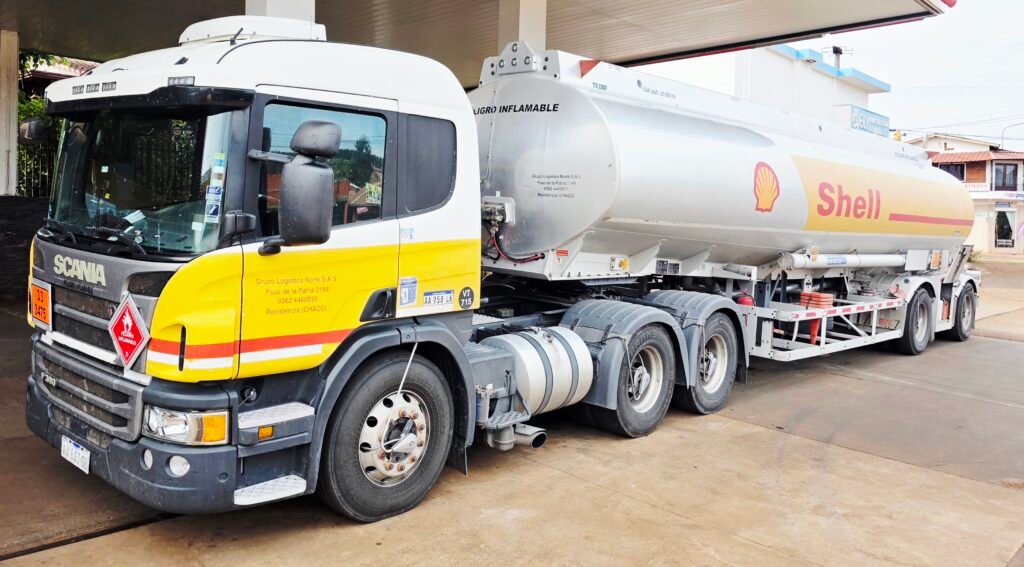
Dangerous goods must be packaged in containers tested and certified to withstand the stresses of transport without leaking or rupturing, and labeled with standardized diamond-shaped hazard symbols indicating the specific risk. Vehicles carrying significant quantities of dangerous goods must display placards on the exterior so emergency responders can immediately identify the hazard class in the event of an accident.
Training and Documentation Requirements
Workers who prepare, handle, or transport dangerous goods must typically complete specialized training covering classification, packaging, and emergency response procedures. Shipping documentation for dangerous goods includes a dangerous goods declaration specifying the exact classification, quantity, and emergency contact information, information that is critical if an incident occurs during transport.
Regulatory Agencies Overseeing Dangerous Goods
In the United States, the Pipeline and Hazardous Materials Safety Administration regulates the domestic transport of dangerous goods by highway, rail, and water, while the International Civil Aviation Organization and International Maritime Organization set requirements for air and ocean transport respectively, with most countries adopting these international standards into their own national regulations.
Emergency Response Planning
Shippers and carriers of dangerous goods must maintain emergency response plans detailing procedures for spills, leaks, or accidents, and carriers often must have access to emergency response information, such as a shipping paper describing the specific hazards and recommended first response actions, immediately available during transport.
Limited Quantity and Exempted Shipments
Certain dangerous goods qualify for reduced regulatory requirements when shipped in small, limited quantities that pose substantially lower risk than bulk shipments of the same material, allowing some hazardous consumer products to move through standard shipping channels with simplified labeling rather than the full hazmat shipping process required for larger industrial quantities.
Air Transport of Dangerous Goods
Air transport imposes some of the strictest dangerous goods restrictions of any mode, since the consequences of an incident aboard an aircraft can be severe and emergency response options are extremely limited in flight, leading to lower permitted quantities and additional packaging requirements compared with ground or ocean transport of the same material.
Consequences of Non-Compliance
Shippers who misclassify or fail to properly declare dangerous goods face significant civil penalties, and in serious cases, criminal liability, particularly when non-compliance results in an incident causing injury, environmental damage, or loss of life during transport.
Dangerous Goods in E-Commerce
The growth of e-commerce has introduced new dangerous goods compliance challenges, since individual consumers now ship items such as lithium batteries, aerosols, and certain cosmetics that qualify as regulated dangerous goods, often without the shipper’s awareness of the applicable packaging and labeling requirements.
Lithium Battery Shipping Rules
Lithium batteries, found in countless consumer electronics, are subject to their own detailed set of dangerous goods regulations due to fire risk, with specific rules governing state of charge, packaging, and labeling that have grown stricter following several notable incidents involving battery shipments catching fire during transport.
Dangerous Goods Training Requirements
Employees involved in classifying, packaging, marking, labeling, or loading dangerous goods must typically complete recurrent training at regular intervals, since regulations are periodically updated and workers need current knowledge of classification criteria, packaging standards, and documentation requirements specific to their role in the shipping process.
International Harmonization of Dangerous Goods Rules
Most countries base their domestic dangerous goods regulations closely on the United Nations model regulations, creating substantial harmonization across borders that simplifies compliance for shippers moving hazardous materials internationally, though some mode-specific and country-specific variations still require careful attention.
Dangerous Goods Packaging Testing
Packaging used for dangerous goods must pass standardized performance tests, including drop tests, stacking tests, and pressure tests, simulating the conditions a package might encounter during normal transport, with certification markings on the package indicating it has passed the required testing for its specific hazard class and packing group.
Role of Carriers in Dangerous Goods Compliance
Carriers transporting dangerous goods bear responsibility for verifying that shipments are properly classified, packaged, and documented before accepting them, and many carriers maintain dedicated dangerous goods specialists who review shipping documents and conduct physical inspections before hazardous freight is loaded for transport.
Dangerous Goods and Supply Chain Planning
Companies that regularly ship dangerous goods often build compliance review directly into their product development and logistics planning processes, identifying hazard classification requirements early rather than discovering costly shipping restrictions only after a product is ready to ship.
Dangerous Goods Regulation Outlook
As new product categories, including advanced battery chemistries and emerging chemical compounds, enter global supply chains, dangerous goods regulations continue to evolve, requiring shippers and carriers to stay current with periodic updates to classification and packaging requirements.
Ultimately, safe dangerous goods transport depends on a shared system of classification, packaging, and training that lets hazardous materials move through global supply chains with a level of safety the public rarely has reason to think about.
Staying current with these changes remains an ongoing responsibility for every participant in the dangerous goods supply chain.
More in Freight and Cargo Transport
Key facts
- Regulated internationally through the UN Recommendations on the Transport of Dangerous Goods
- Materials are classified into numbered hazard classes based on their primary risk
- Requires specific packaging, labeling, placarding, and often specialized carrier training
Related concepts
Quick checkHow are dangerous goods classified for transport?Show answer
They are assigned to one of nine numbered hazard classes based on their primary risk, such as explosives, flammable liquids, or toxic substances.
Sources
- U.S. Department of Transportation, Federal Motor Carrier Safety Administration
- International Air Transport Association, Cargo Handbook
Editorially reviewed by Specialty Digest Editorial TeamLast reviewed November 4, 2026Researched and drafted with AI assistanceReport an issue