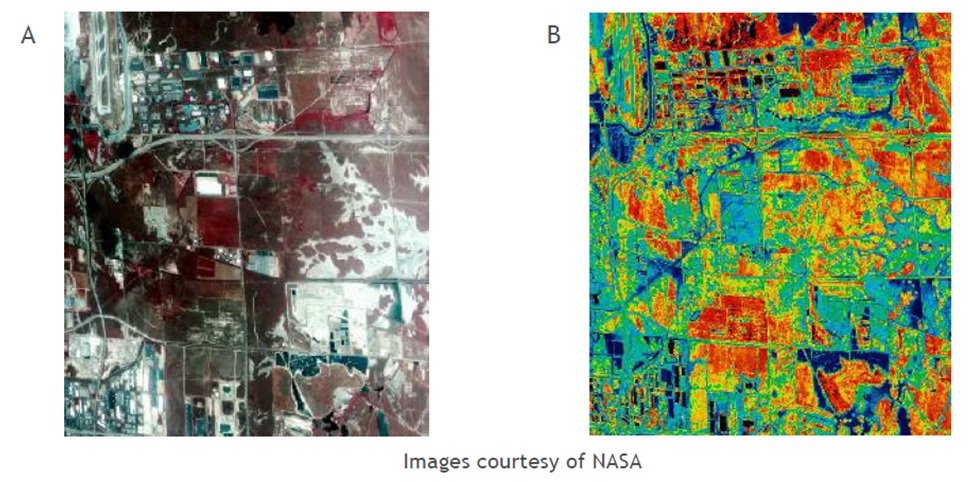
An urban heat island is the measurable phenomenon in which a city or built-up area experiences significantly higher temperatures than the surrounding rural or less-developed landscape, particularly at night. The effect arises because pavement, rooftops, and other dark, dense building materials absorb solar radiation during the day and release it slowly after sunset, while the sparse vegetation typical of dense urban areas provides little of the natural cooling that comes from shade and the evaporation of moisture from plants and soil.
Temperature differences between a city center and its surrounding countryside can range from just a degree or two on a mild day to more than ten degrees Fahrenheit during a summer heat wave, with the gap typically widest in the hours after sunset when rural areas cool quickly and urban areas remain warm. Urban planners and public health officials increasingly treat the urban heat island effect as a serious concern because it amplifies the health risks of already-dangerous heat waves for city residents.
Why Cities Retain Heat
Urban surfaces such as asphalt and dark roofing materials have a much lower albedo, or reflectivity, than natural ground cover, meaning they absorb a far greater share of incoming sunlight rather than reflecting it back into the atmosphere. These same materials also tend to have high thermal mass, allowing them to store substantial heat during the day and radiate it back out slowly overnight, which is the primary reason urban heat islands are often most pronounced after dark rather than at the hottest point of the afternoon.
The replacement of vegetation with impervious surfaces removes a key natural cooling process called evapotranspiration, in which plants and moist soil release water vapor that absorbs heat from the surrounding air as it evaporates. Tall buildings can also trap heat at street level by blocking wind flow and creating urban canyons that limit natural ventilation, compounding the effect in dense downtown districts.
Health and Energy Consequences
The urban heat island effect substantially increases cooling demand, driving up electricity consumption and straining power grids during the very heat waves when reliable air conditioning matters most for public health. This creates a feedback loop in some cities, since additional waste heat released by air conditioning units and vehicles contributes further warming to the already hot urban environment.
Because the effect disproportionately raises nighttime temperatures, it reduces the overnight relief that human bodies rely on to recover from daytime heat stress, a factor that researchers have linked to increased heat-related illness and mortality in dense urban neighborhoods, particularly in areas with older housing stock and limited tree cover or green space.
Mitigation Strategies
Cities around the world have adopted a range of strategies to reduce urban heat island intensity, including expanding urban tree canopy, installing reflective “cool roofs” and light-colored pavement, and creating more parks and green corridors that restore natural cooling processes within dense neighborhoods. Green roofs, which cover rooftops with vegetation, can both cool the building beneath them and reduce the amount of heat radiated into the surrounding air.
Urban planning policies increasingly incorporate heat mapping data to target these interventions toward the neighborhoods most affected, since the urban heat island effect is rarely distributed evenly across a city and tends to be most severe in lower-income areas with less tree cover, a pattern that has drawn growing attention from researchers studying environmental justice and climate adaptation.
Measuring the Effect
Researchers measure urban heat island intensity using networks of fixed weather stations, mobile sensors mounted on vehicles that drive standardized routes through a city, and increasingly, satellite-based thermal imagery that can map surface temperature differences across an entire metropolitan area at once. Some cities have organized volunteer-led heat mapping campaigns, in which residents drive or walk designated routes with sensors during a single hot afternoon and evening to build a detailed, block-by-block temperature map that reveals which specific neighborhoods run hottest.
These detailed local maps have proven far more useful for targeted planning than citywide averages alone, since they can reveal heat disparities of ten degrees or more between neighborhoods just a few miles apart, information that cities increasingly use to prioritize where new trees, cool pavement, or cooling centers are installed first.
The effect also has implications beyond human comfort: elevated nighttime urban temperatures can disrupt the dormancy and growth cycles of street trees and garden plants, alter the timing of local insect activity, and increase ozone formation near ground level, since the chemical reactions that produce ground-level ozone pollution accelerate in warmer air, giving cities another reason to treat heat island mitigation as a public health priority rather than a purely aesthetic or comfort-related goal.
Building codes in some jurisdictions now require or incentivize reflective roofing and minimum tree-canopy coverage on new development specifically to limit future heat island growth as cities continue to expand.
FAQ
How much hotter can a city be compared to nearby rural areas?
The difference can range from a degree or two on a mild day to more than ten degrees Fahrenheit during a summer heat wave, with the largest gaps typically occurring at night.
What causes the urban heat island effect?
It results mainly from dark, heat-absorbing surfaces like asphalt and rooftops, the loss of cooling vegetation, and building geometry that traps heat and blocks ventilation in dense urban areas.
Can cities reduce the urban heat island effect?
Yes, common strategies include expanding tree canopy, installing reflective cool roofs and lighter-colored pavement, and adding parks and green roofs to restore natural cooling processes.
More in Climate & Weather
Related concepts
Editorially reviewed by Specialty Digest Editorial TeamLast reviewed November 4, 2026Researched and drafted with AI assistanceReport an issue